Design characteristics
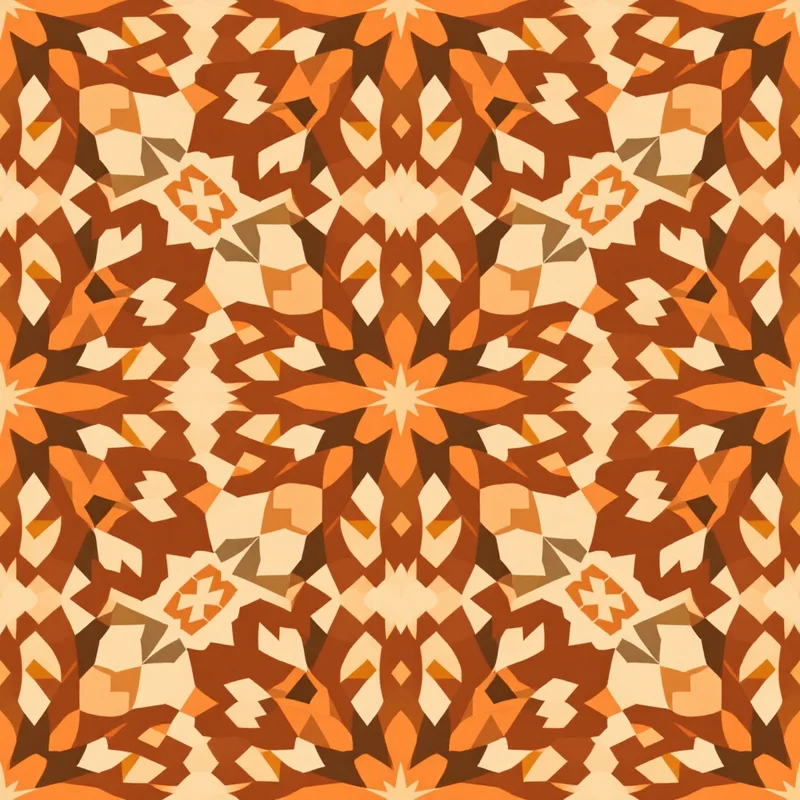
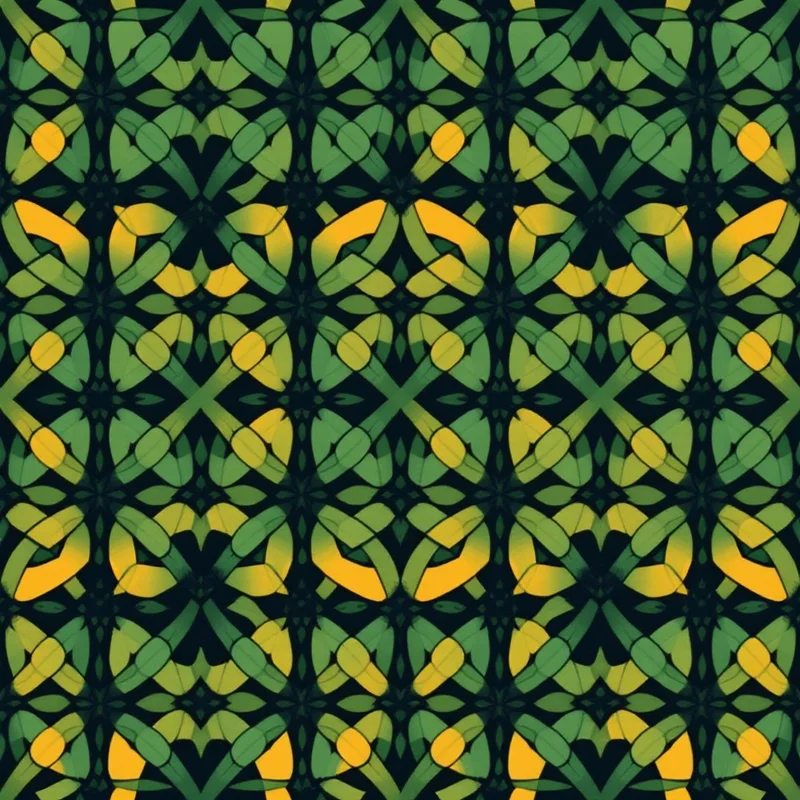
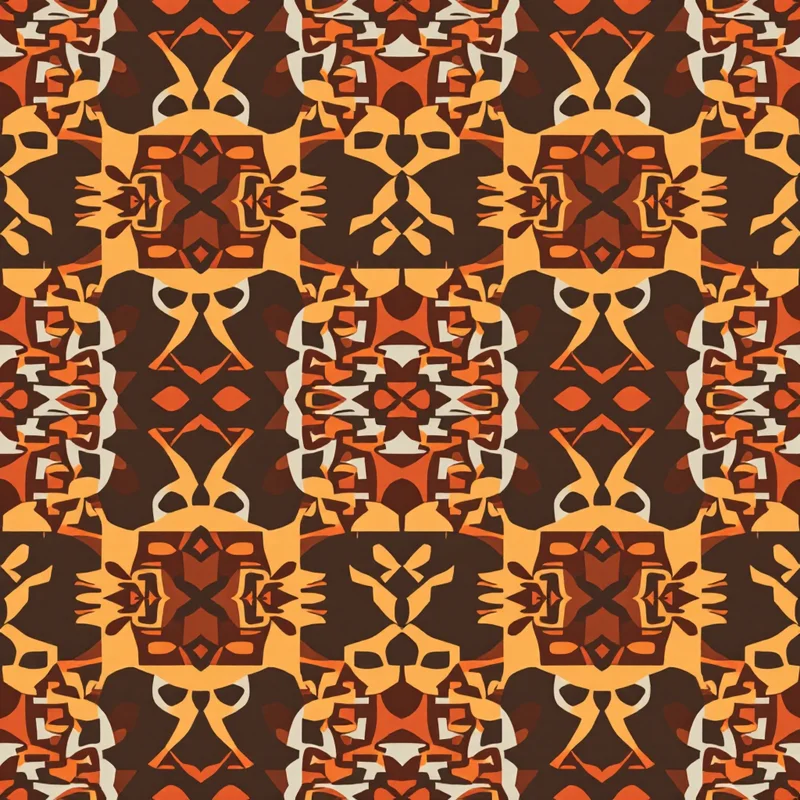
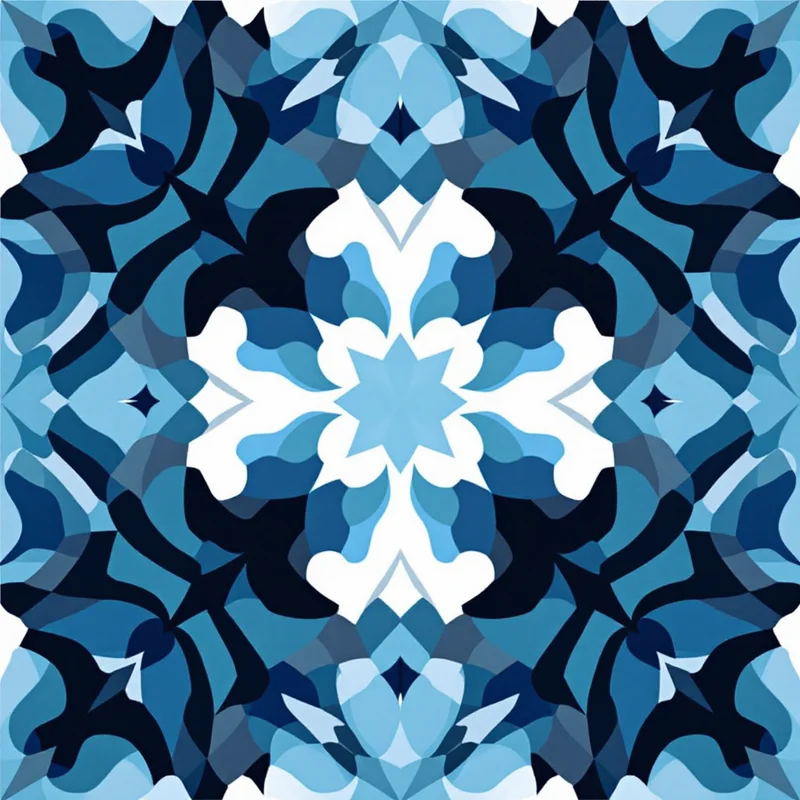
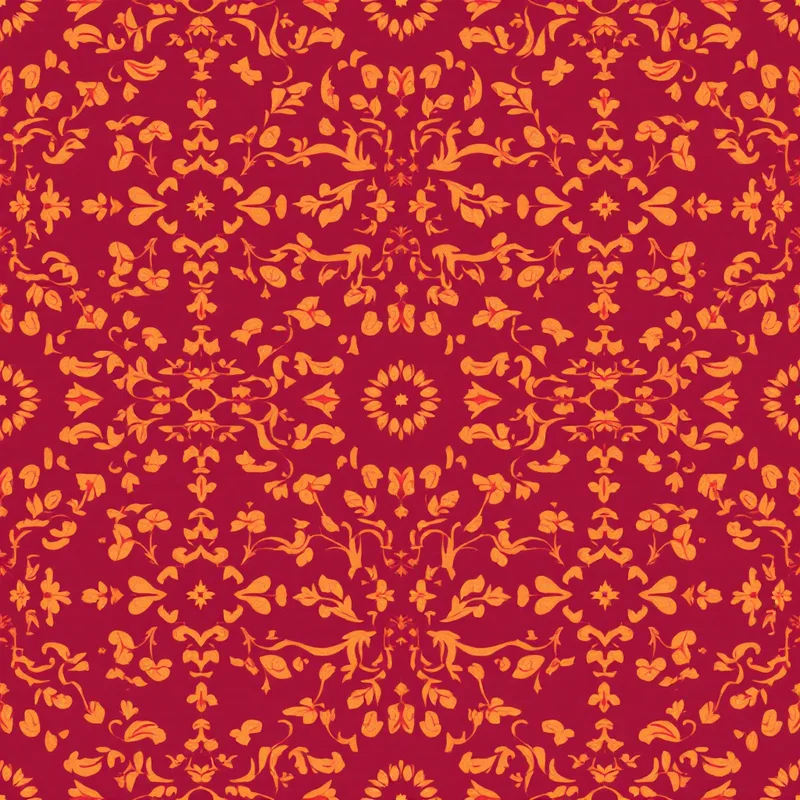
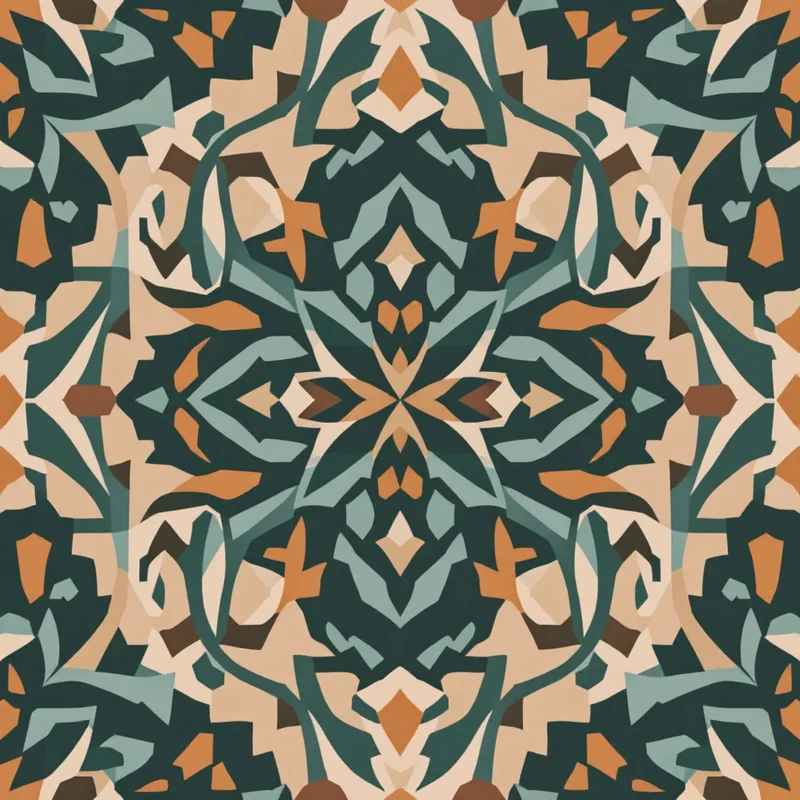
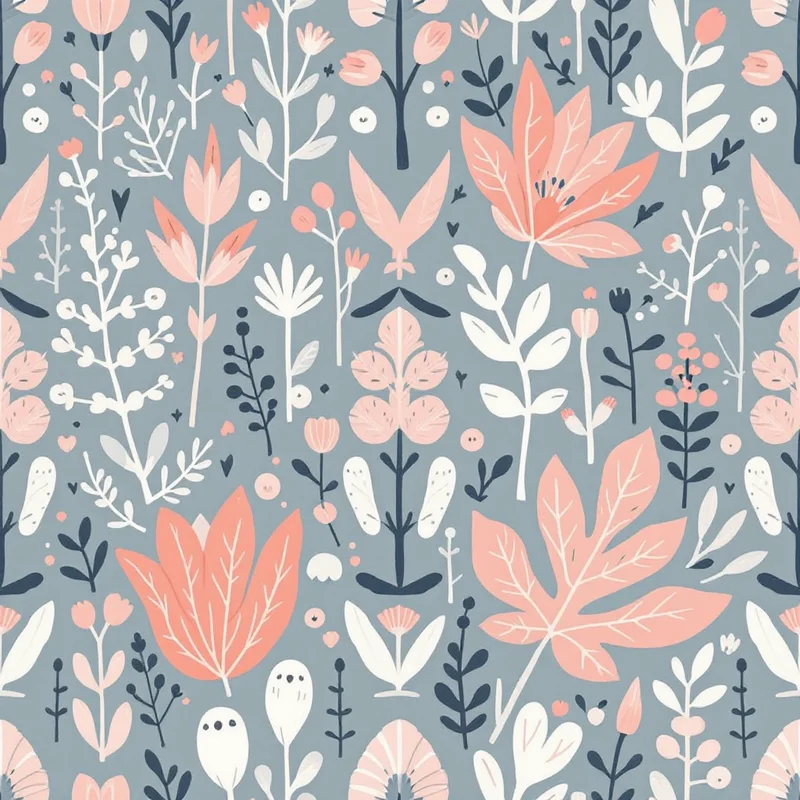
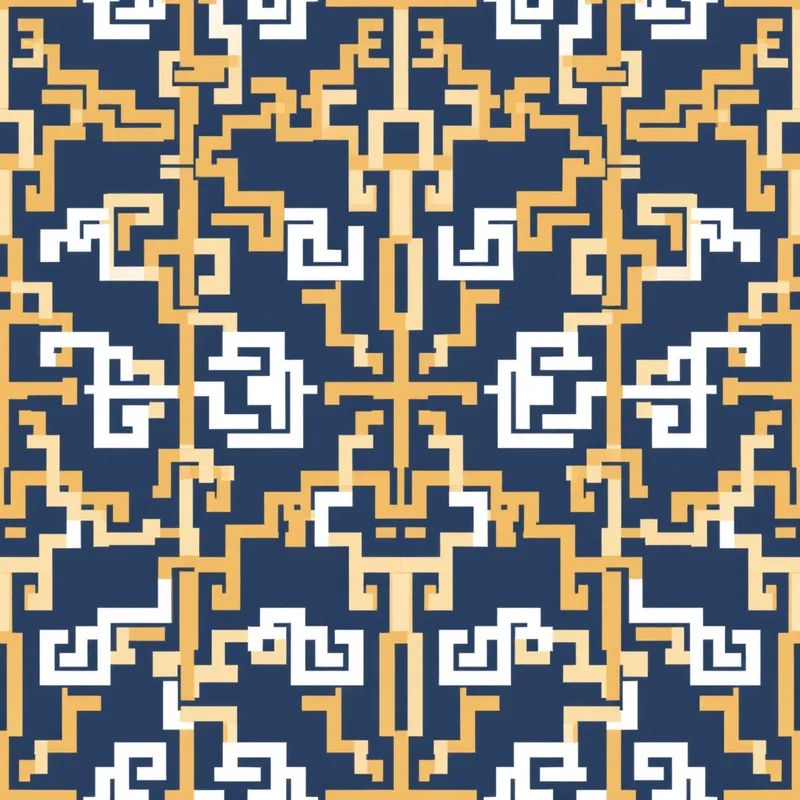
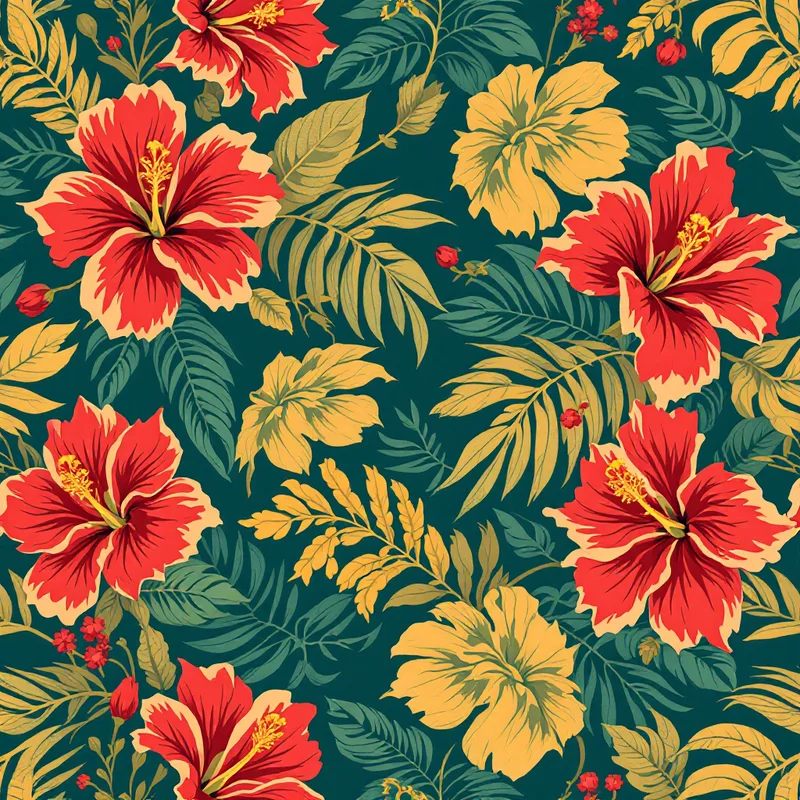
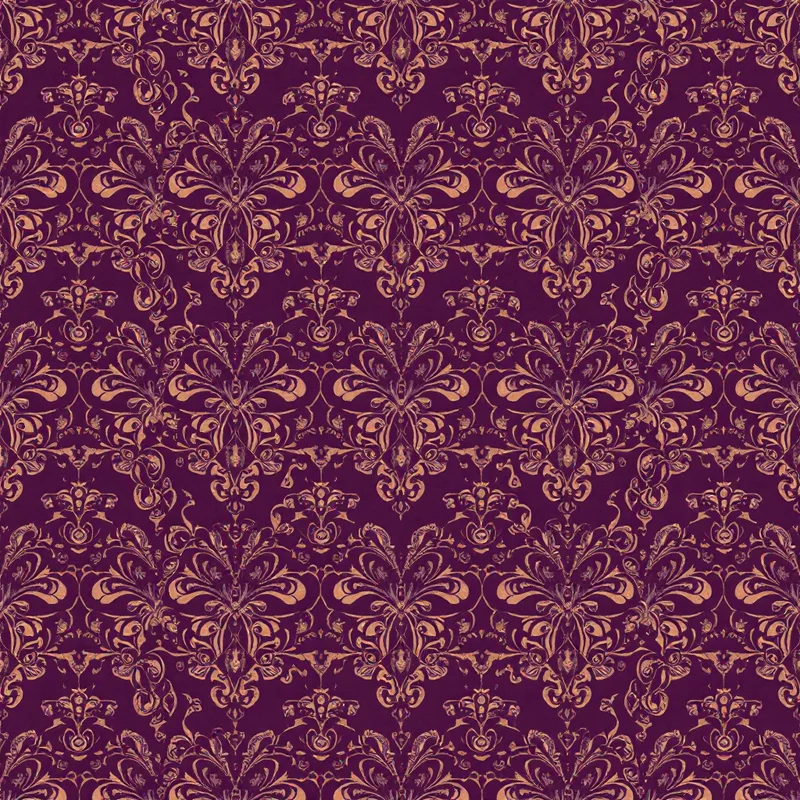
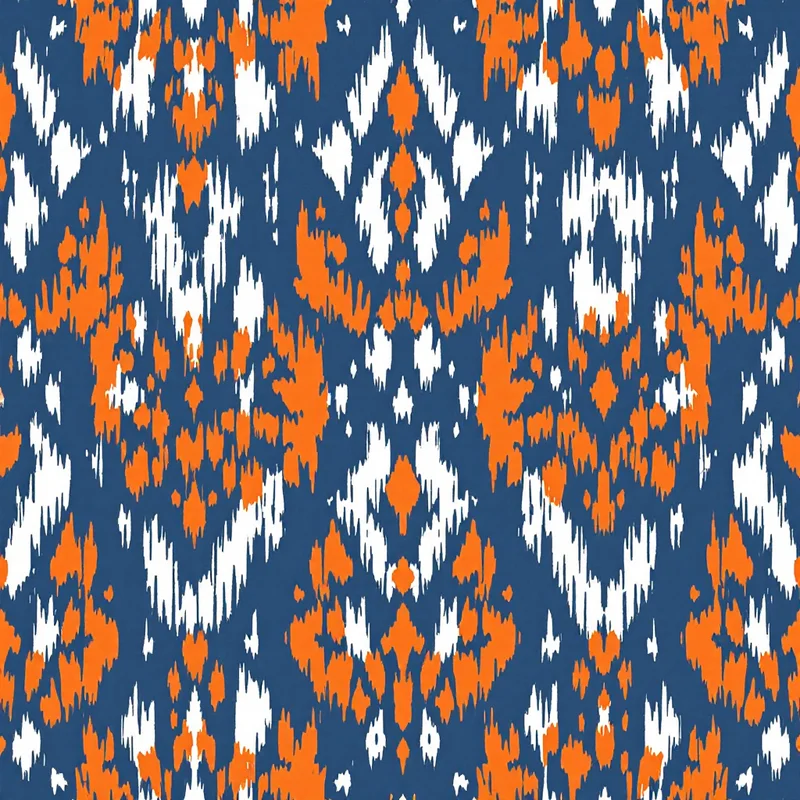
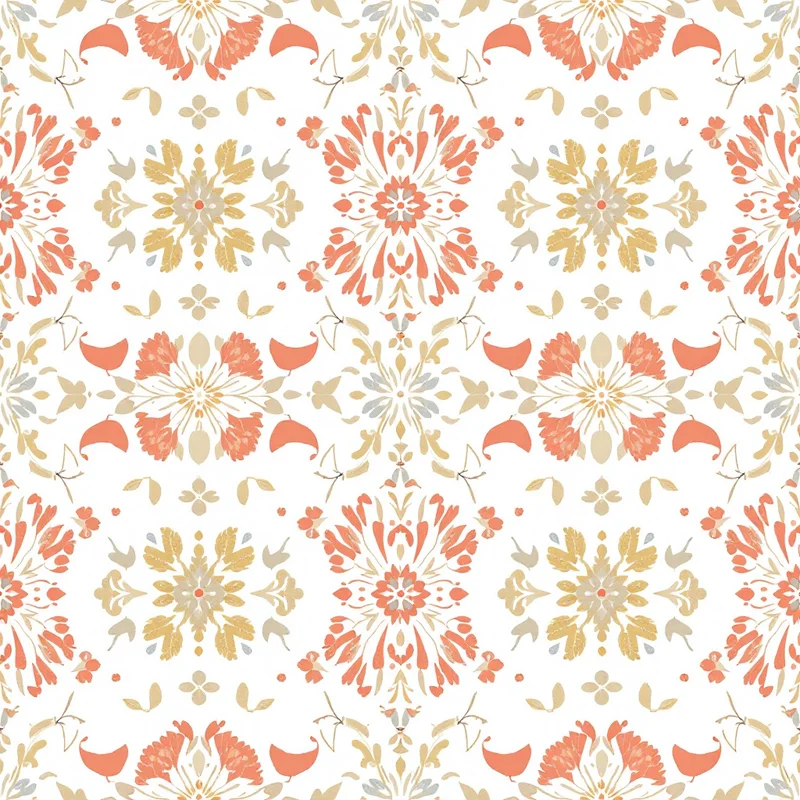
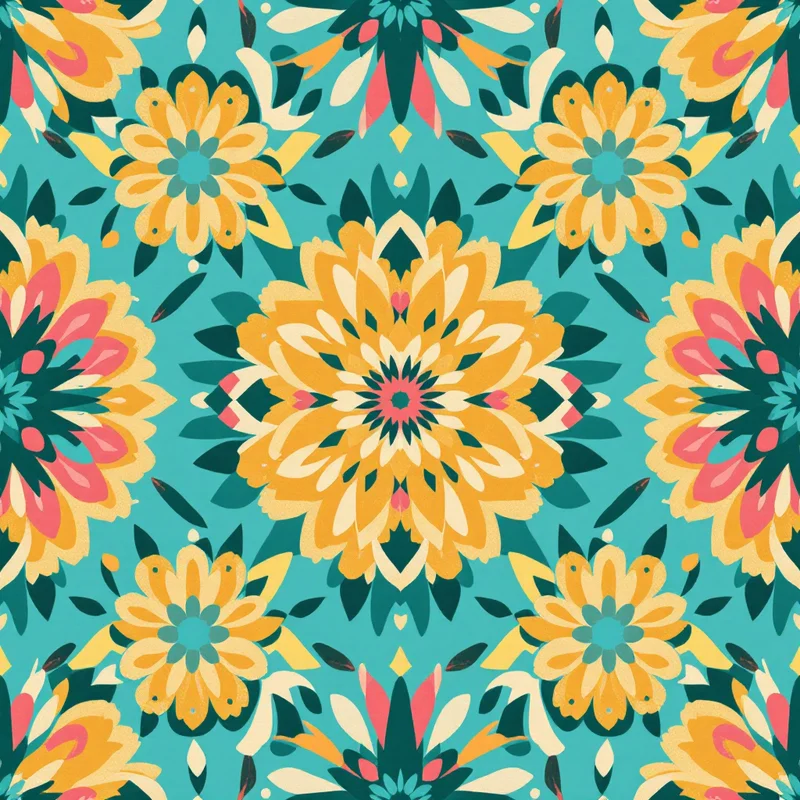
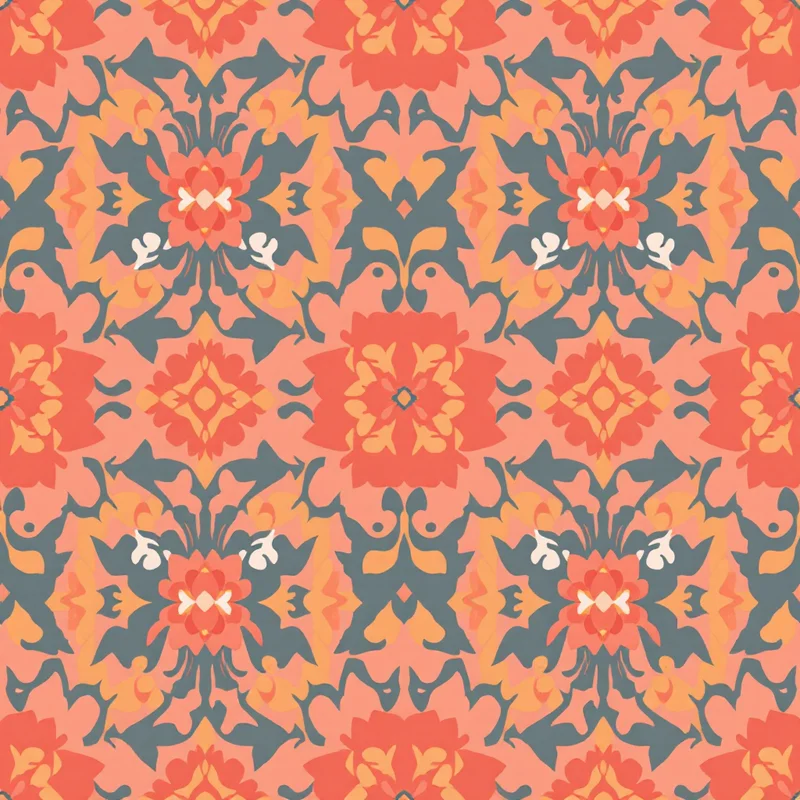
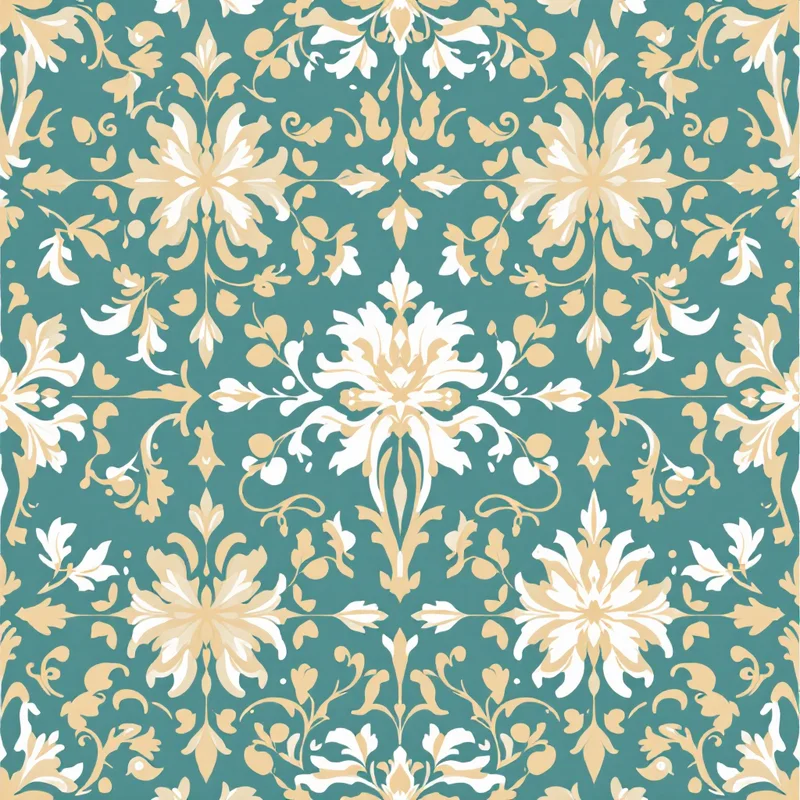
What defines the style is the tension between rigid grid structure and vivid color. Traditional pieces favor saturated naturally dyed tones: cochineal reds and magentas, indigo blues, marigold yellows, earthy terracotta, and deep browns, often set against black or cream grounds. Patterns are usually organized in distinct horizontal bands (pallay), each carrying its own motif, so a single design reads as a stack of contrasting stripes rather than one uniform field. That banded, symmetrical rhythm is instantly recognizable and translates cleanly into surface design.
Commercial applications
Designers reach for Peruvian patterns when they want warmth, craft heritage, and bold graphic punch in one motif. The geometry tiles beautifully, which makes it a natural fit for repeating products, and the cultural depth gives a collection a sense of story that flat trend prints lack. It works equally well dialed up into a maximal, color-blocked statement or pared back to a single tonal fret on a neutral ground for a more contemporary, minimalist read.
Where to use peruvian patterns for textiles, fashion & decor patterns
Across products the style is versatile. Use it on woven throws, blankets, ponchos, and scarves where the banded structure feels authentic; on apparel like jackets, knitwear trims, and resort wear; on home decor including cushions, rugs, upholstery, and table runners; and on accessories such as bags, hats, and footwear panels. It also lands well on wallpaper, gift wrap, ceramics, and packaging for artisanal, fair-trade, or South American food and beverage brands that want an honest cultural cue.
Customization & export
With Pattern Weaver you control the look precisely. Adjust color to swap a traditional cochineal-and-indigo palette for a muted earth scheme or a high-contrast modern one, tune density to pack the bands tightly or open them into airy stripes, and set scale so the frets read as fine detail on a scarf or oversized graphics on a rug or feature wall. Every design generates as a true seamless repeat, so it tiles without visible seams across any surface.
When the pattern is right, export it at up to 8K (8192x8192) in the format your workflow needs: PNG for digital and print mockups, TIFF for high-fidelity textile and fabric printing, PDF for press-ready layouts, plus JPG, WEBP, and SVG for web, packaging, and scalable vector use. Pattern Weaver keeps the geometry crisp at large sizes, so a design built for a phone case scales up to a bolt of fabric without losing the sharp edges that make Andean weaving read as the real thing.