Design characteristics
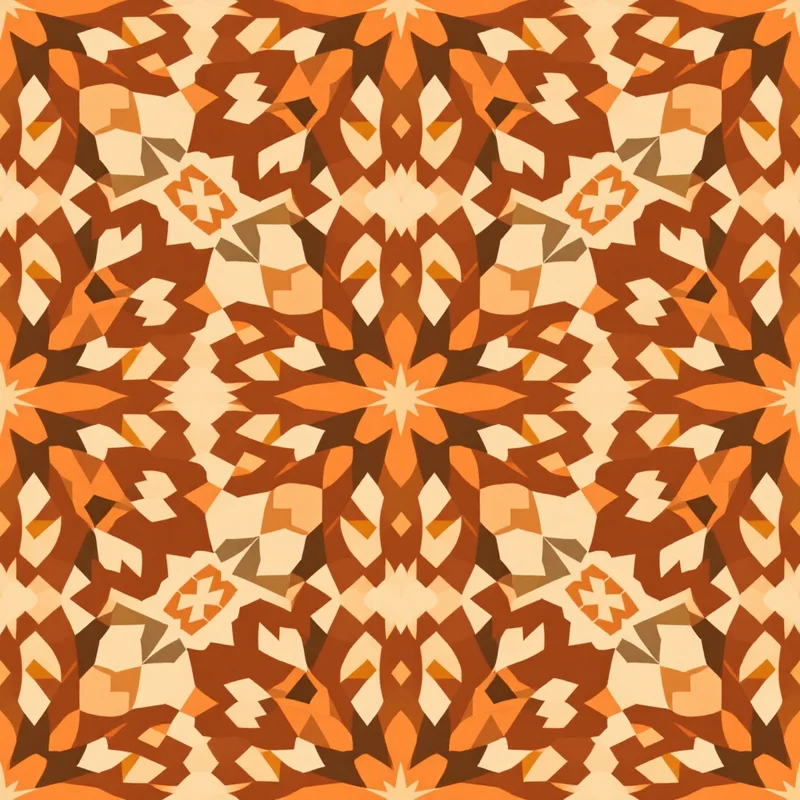
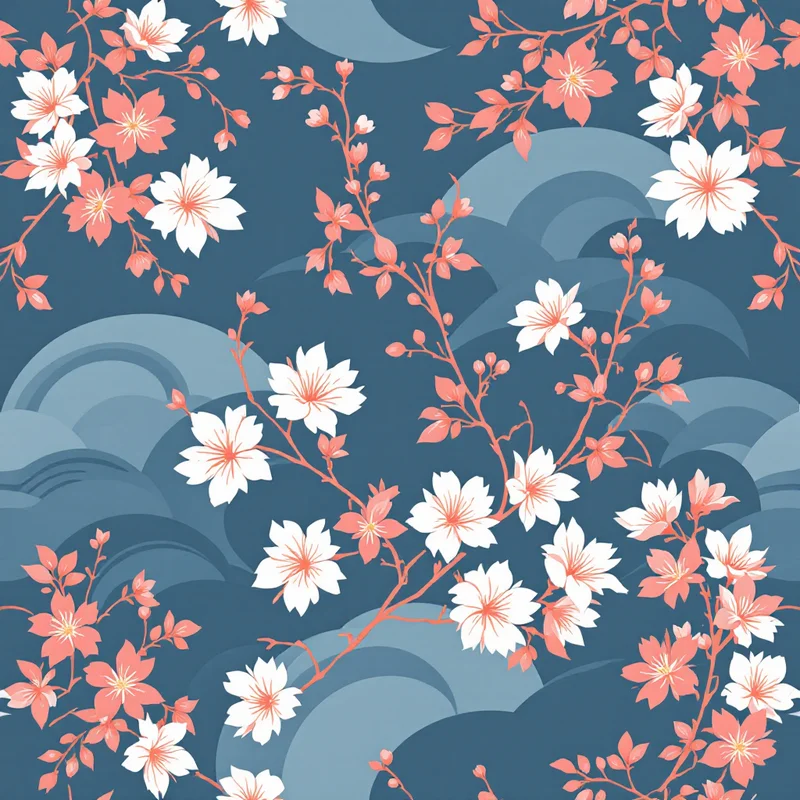
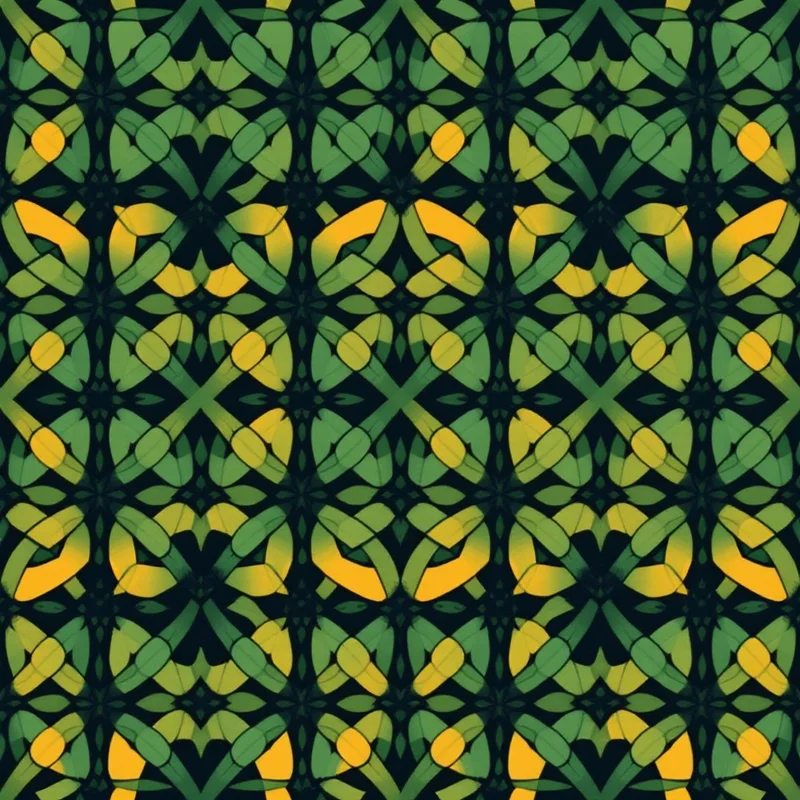
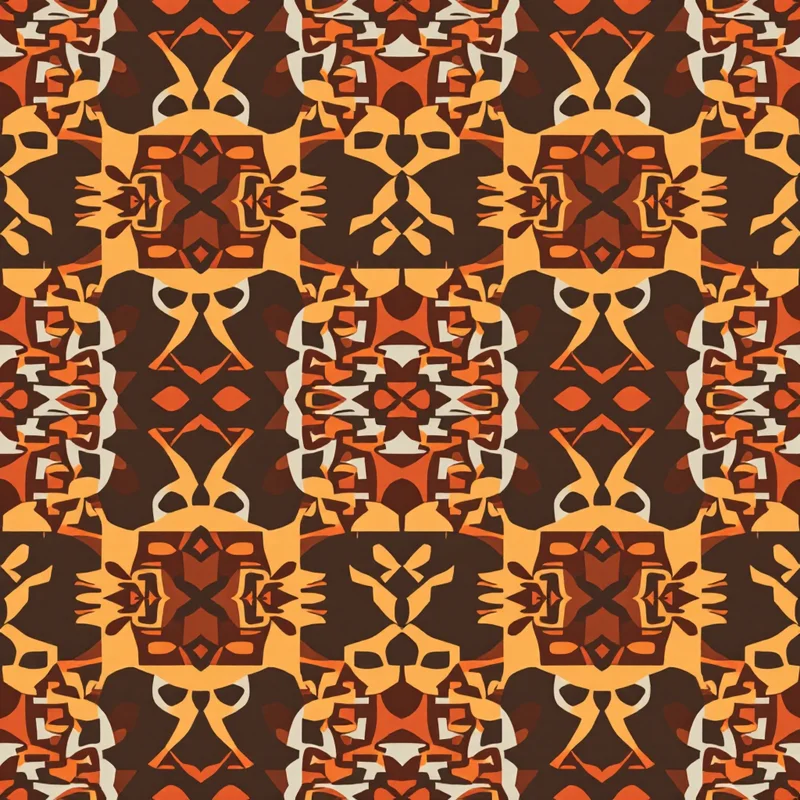
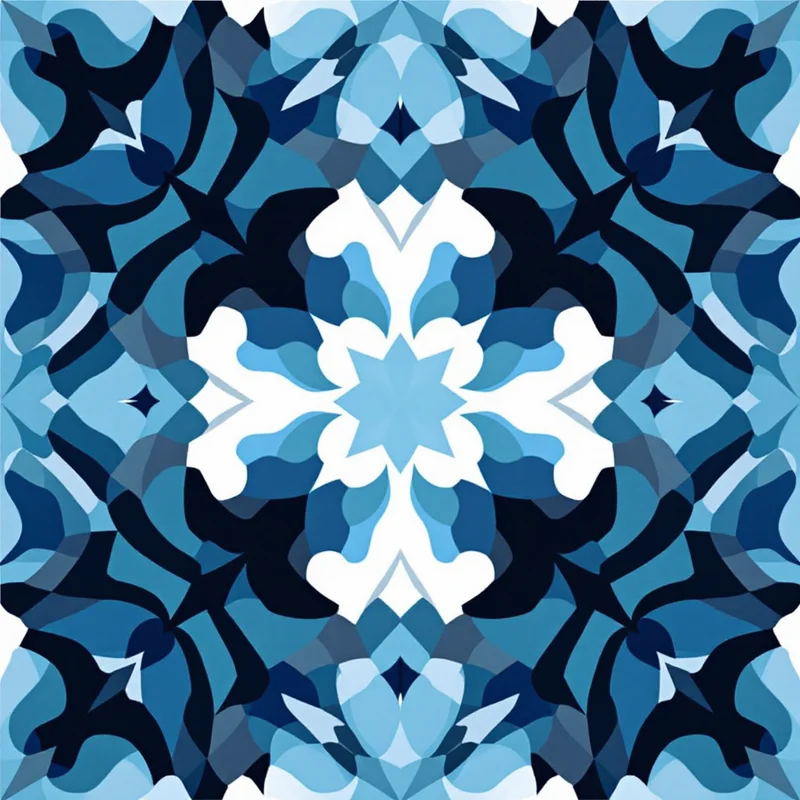
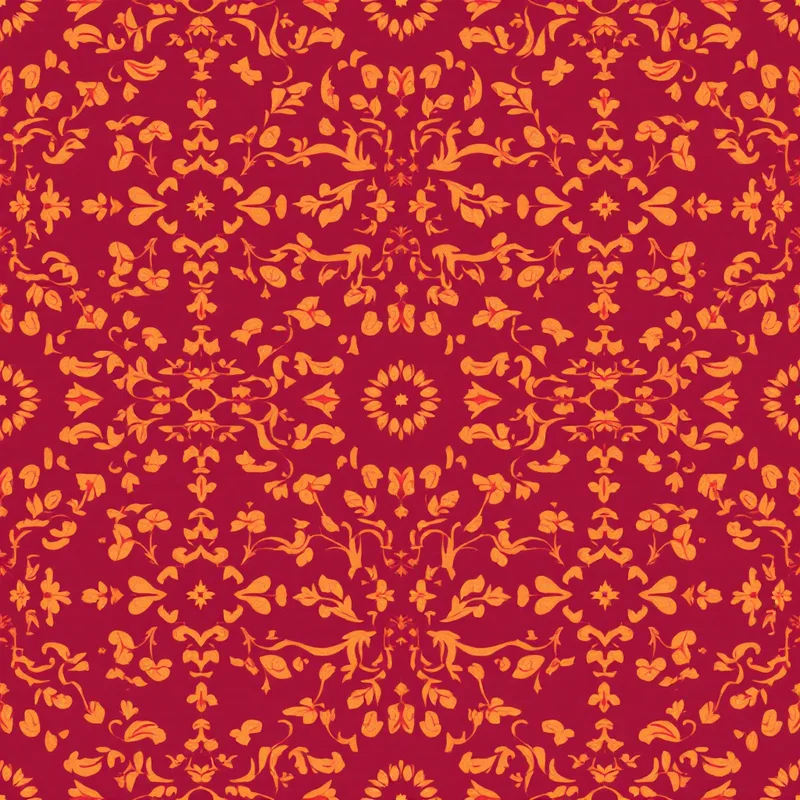
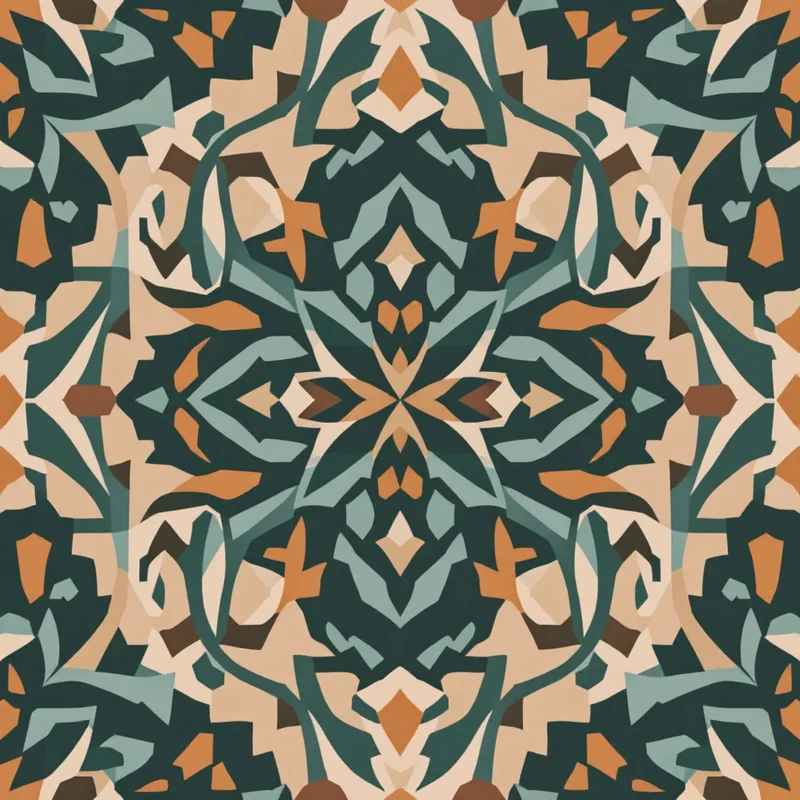
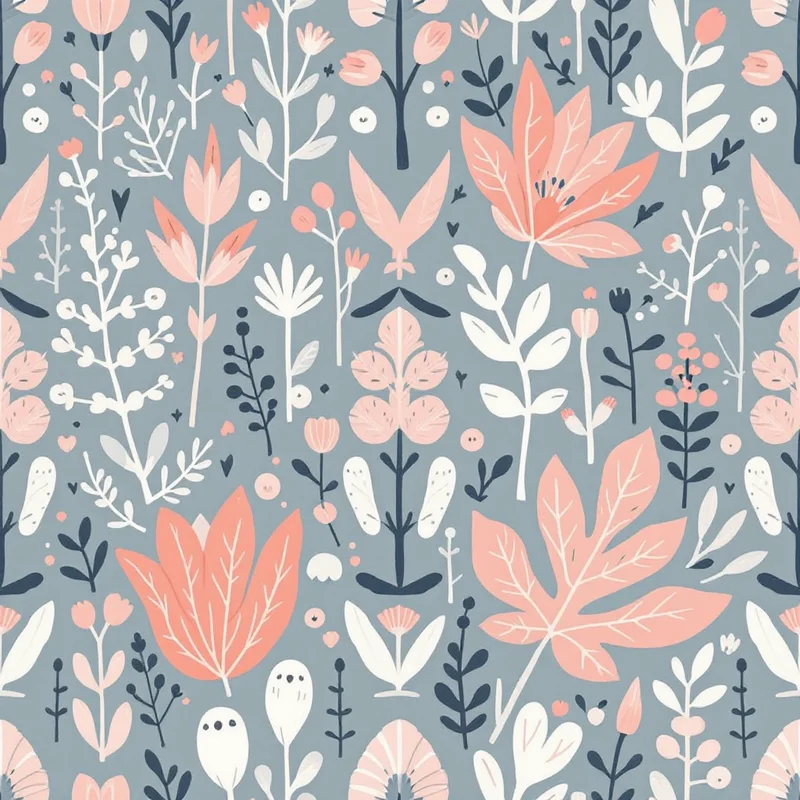
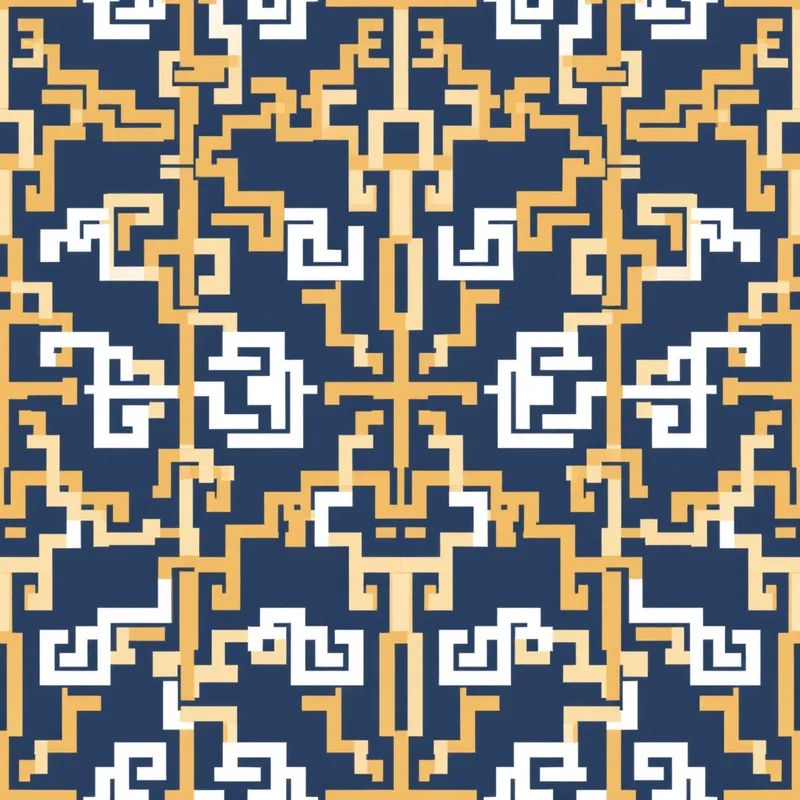
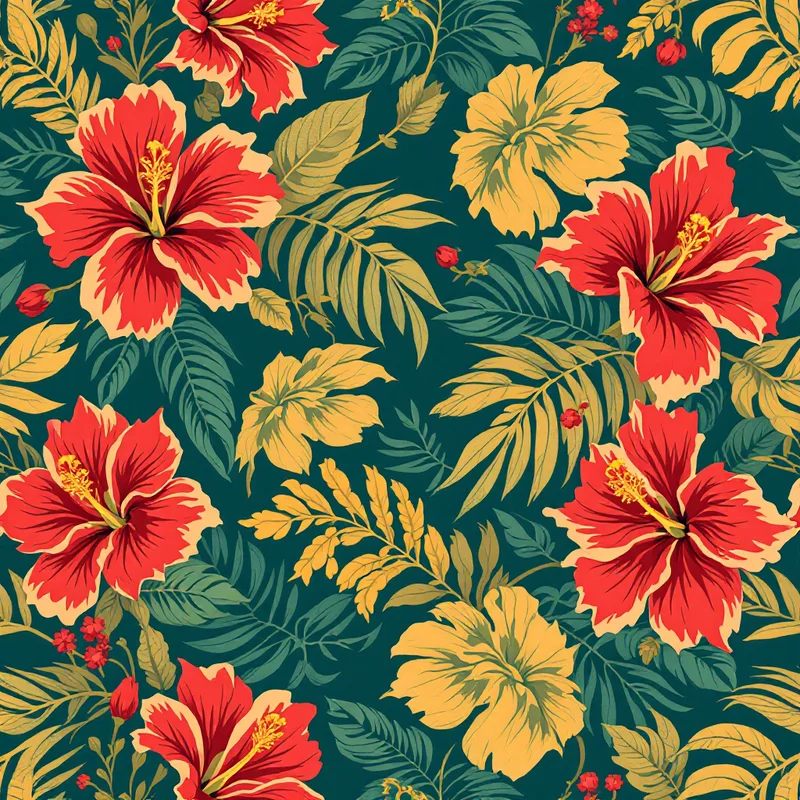
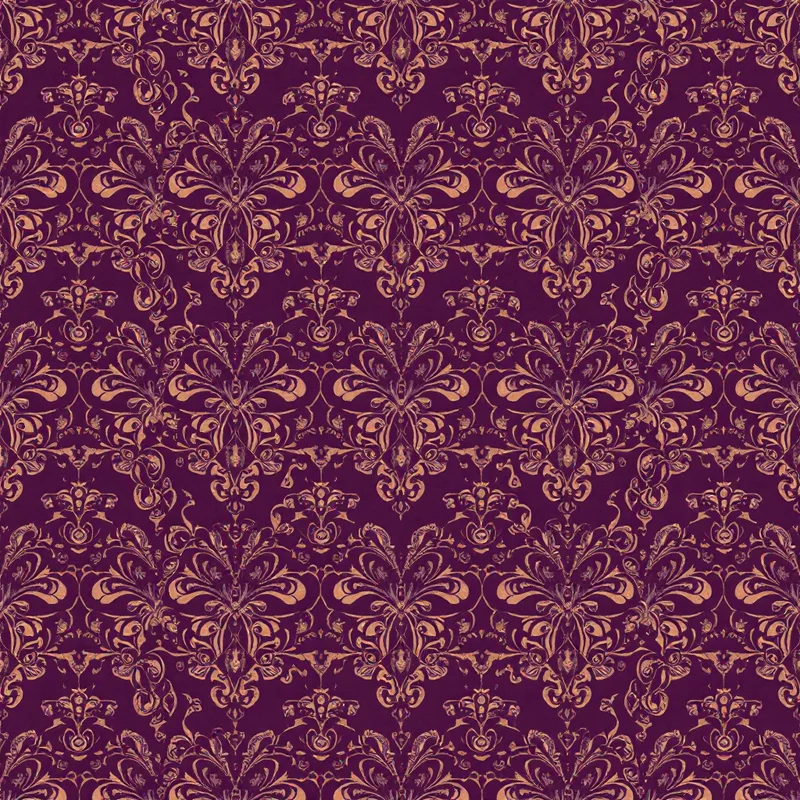
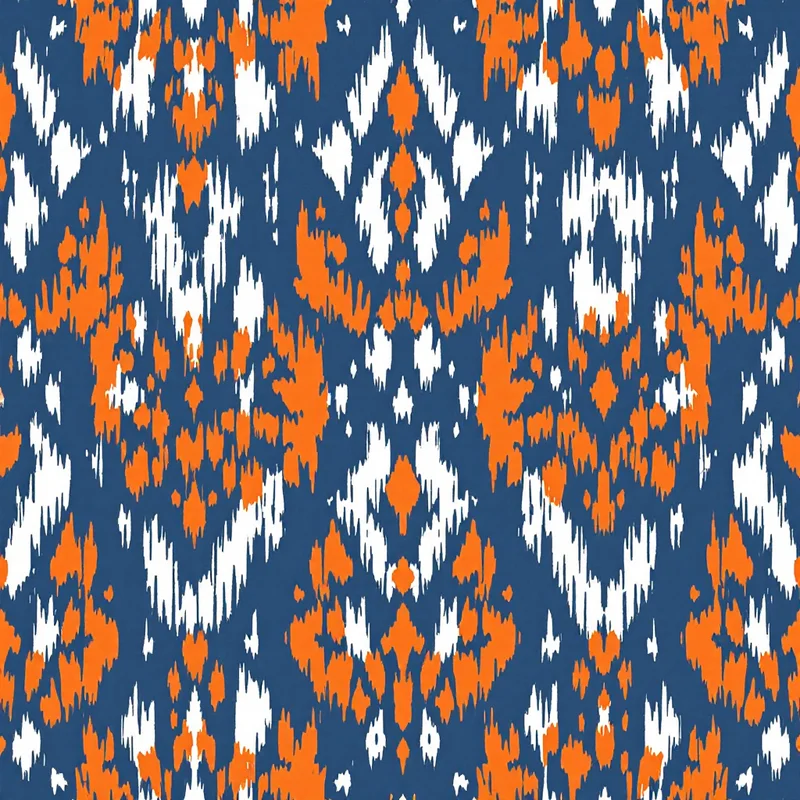
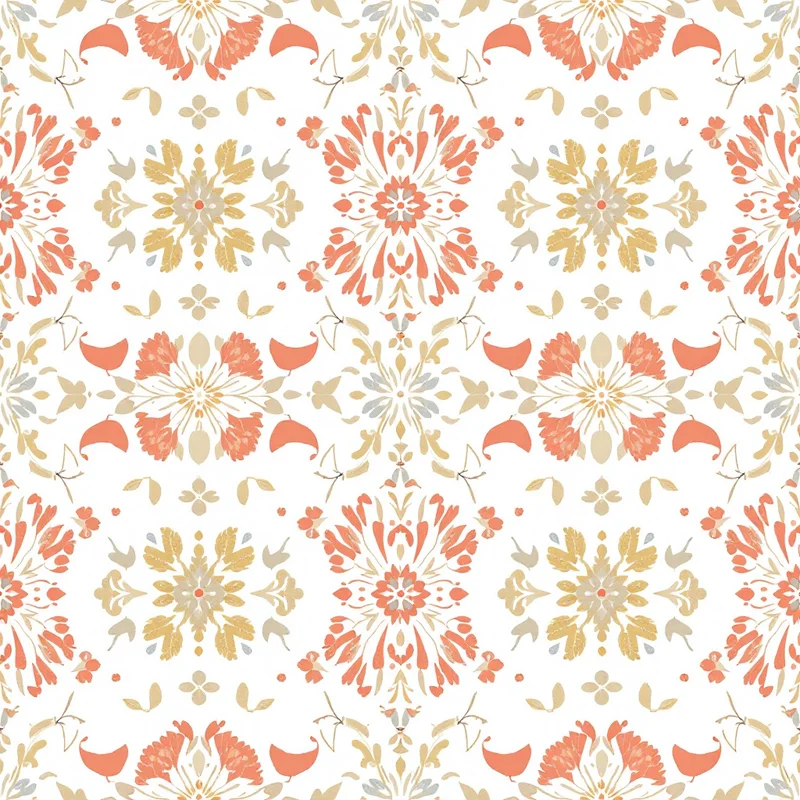
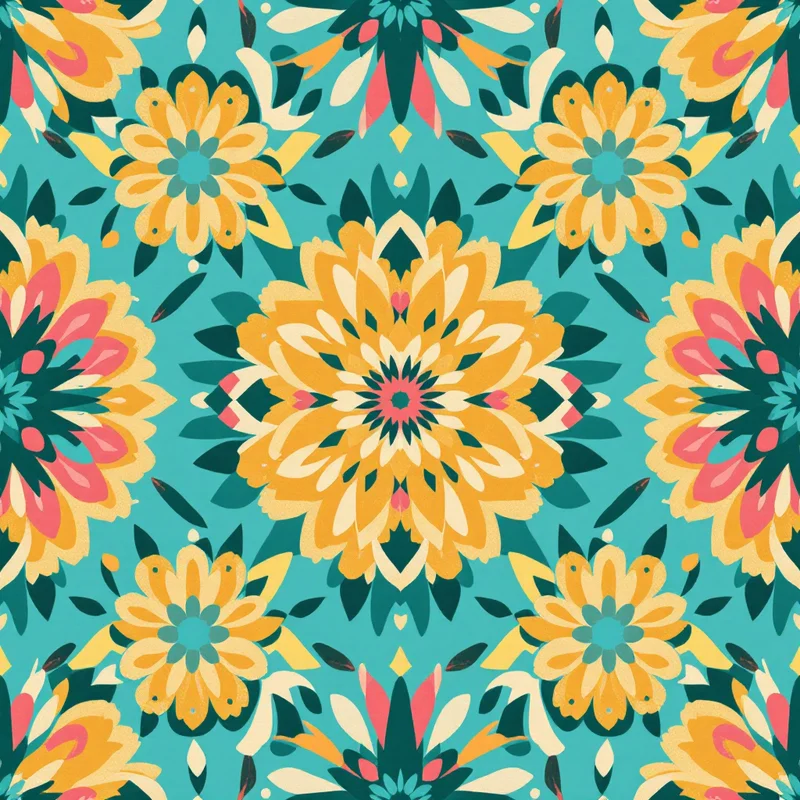
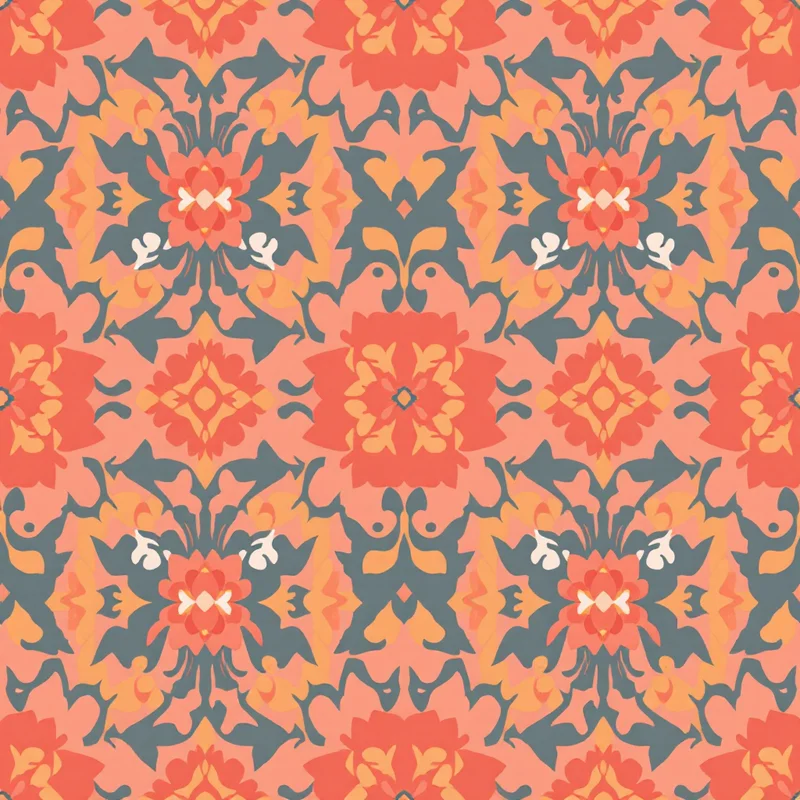
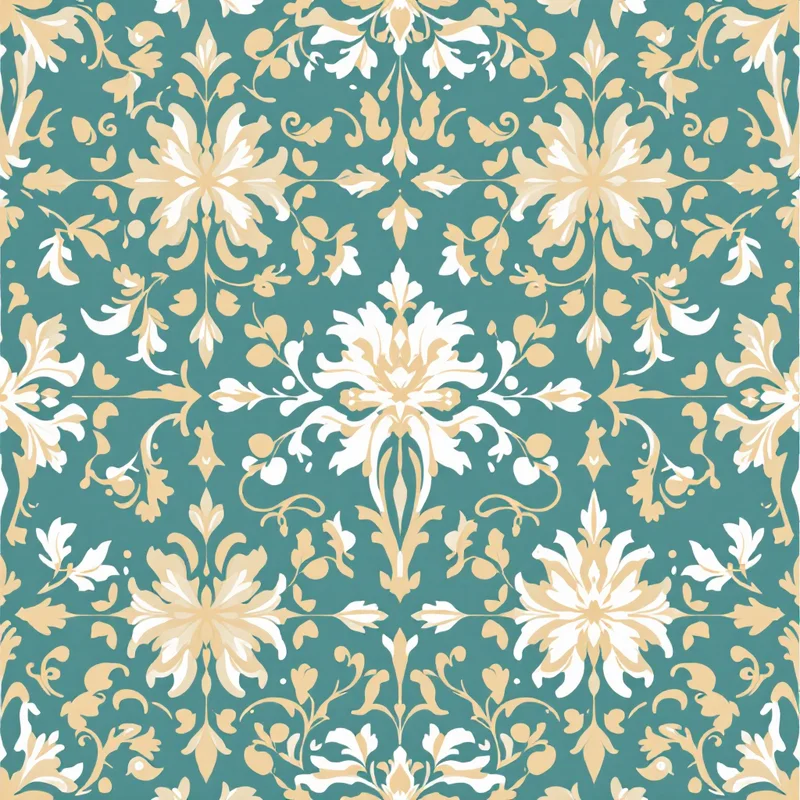
Color is where Mughal design announces its luxury. Classic schemes pair deep lapis blue, emerald green and oxblood crimson against warm ivory or sandstone grounds, almost always lifted with gold. Jewel tones reference the inlaid gemstones of pietra dura, while softer pastel readings echo the pale washes of miniature painting. The studio lets you push any of these directions: keep a saturated palace palette, mute it into a faded heritage look, or recolor the whole motif for a modern interior without losing the period feel.
Commercial applications
People search for mughal patterns when they want ornament with provenance. Fashion labels reach for it on scarves, lehengas, kurtas and bridal wear, where the dense florals read as heirloom quality. Interior designers use the lattice and medallion layouts for wallpaper, upholstery and rugs that fill a room with quiet grandeur. Stationery and packaging studios crop the arched borders and corner spandrels for invitations, gift wrap and luxury boxes, and craft sellers print the repeats onto cushions, table linen and ceramic transfers.
Where to use mughal patterns for textiles, decor and print patterns
With Pattern Weaver you describe the look in plain words and the studio builds a true seamless tile. Choose the structure first: an all-over millefleur field, a framed niche with a single flowering plant, a jali grid, or a bordered panel with a central medallion. Then set density and scale so the motif sits right for your surface, whether that is a fine repeat for a silk scarf or a bold large-format print for a feature wall. Adjust line weight, gilding and ground tone until the balance matches your reference.
Customization & export
Because the output tiles cleanly, you can drop it straight into print-on-demand, woven goods or digital mockups with no visible seam. Export up to 8K resolution (8192 by 8192) so the fine vine work and outlined petals stay crisp when scaled across a bolt of fabric or a wall. Save lossless PNG for layered mockups, TIFF for professional textile and offset printing, PDF for vector-friendly press handoff, plus JPG, WEBP and SVG when you need lighter or scalable files. CMYK-aware processing keeps your jewel tones predictable on press.
Mughal patterns also mix well with neighbouring traditions, so the studio makes it easy to blend paisley curls, Persian florals or geometric jali into one coherent design. Whether you are recreating a museum-accurate court textile or styling a contemporary collection that nods to heritage, you can generate variations quickly, compare them side by side, and lock the one that fits your brand. The result is ornamentation that feels authentic, prints reliably, and is yours to use across an entire product range.