Design characteristics
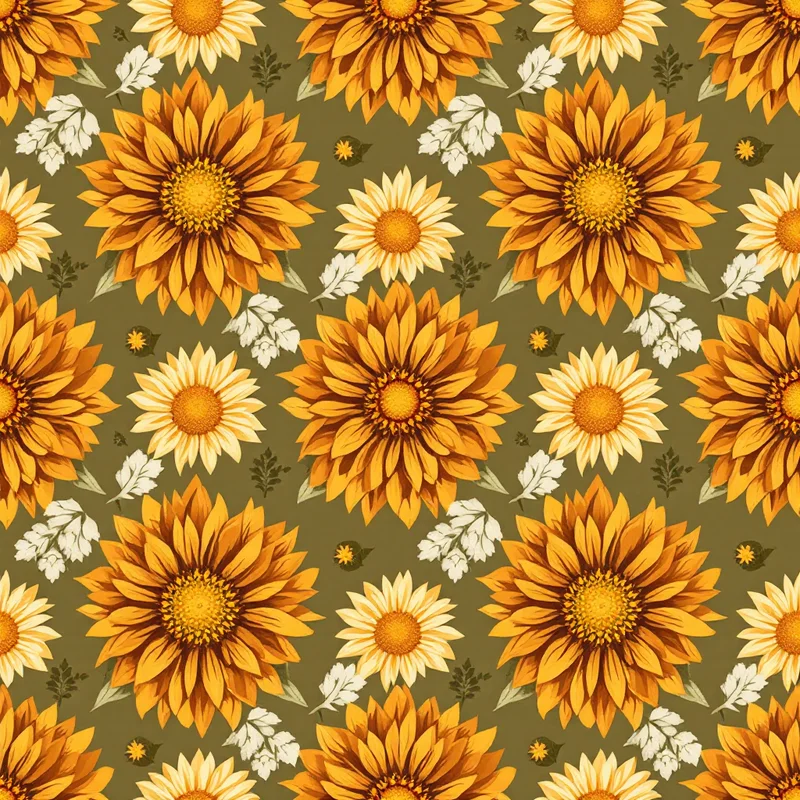
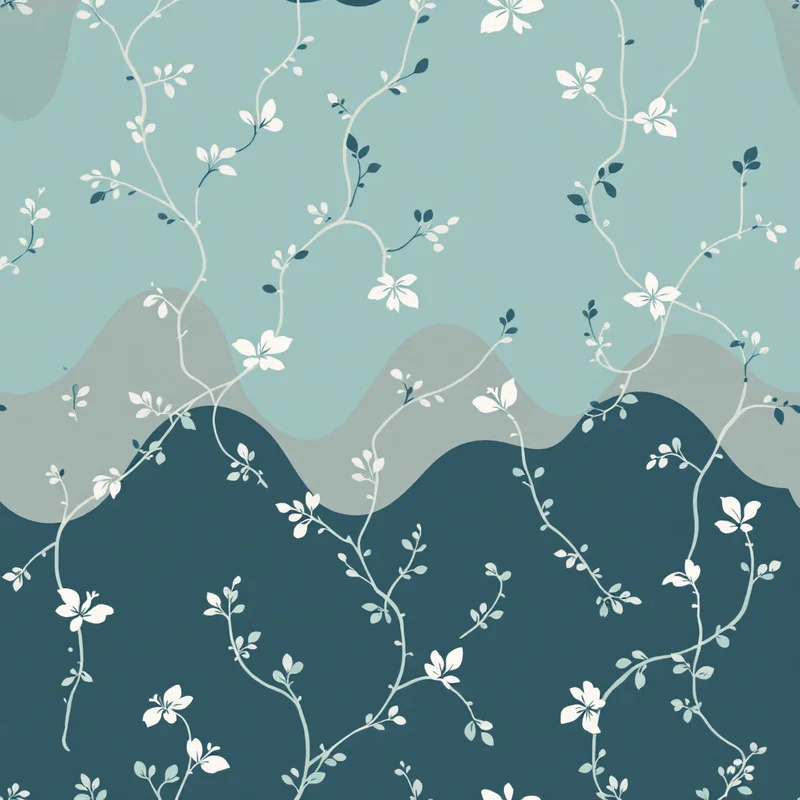
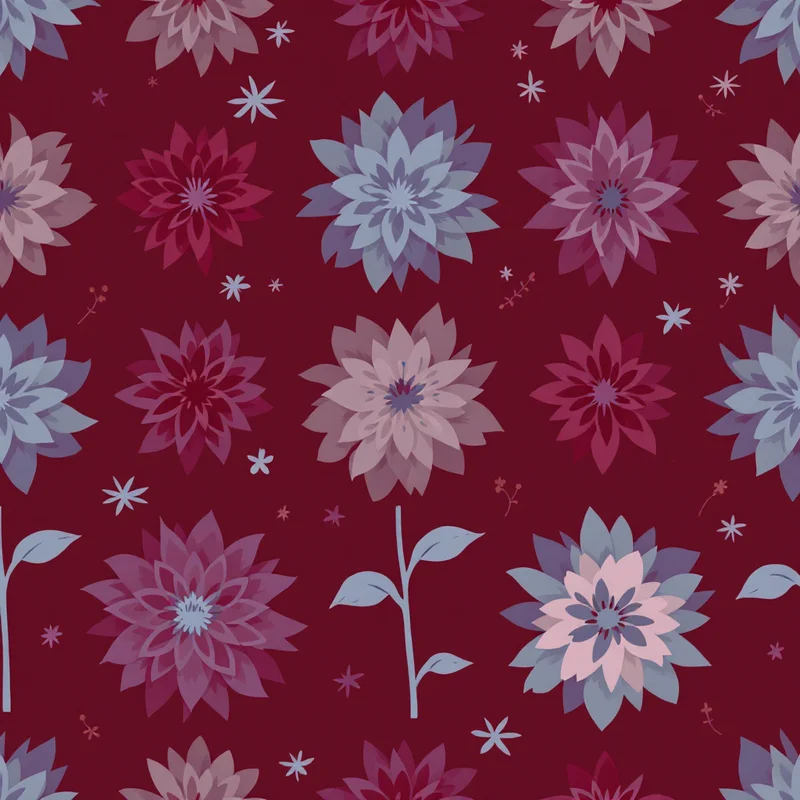
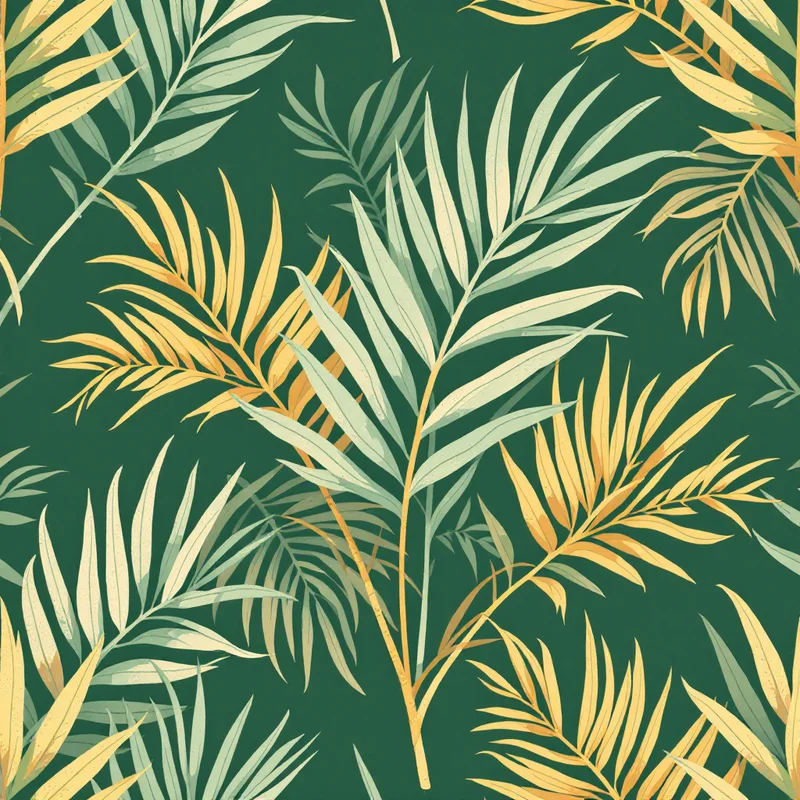
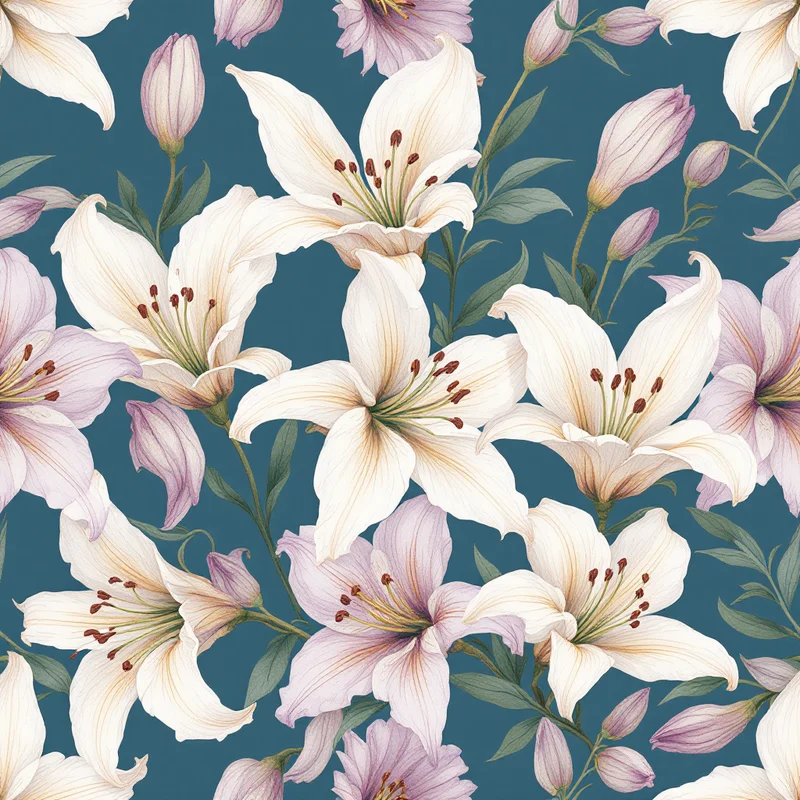
The motif carries deep roots across Egyptian, Indian, and East Asian art, where the lotus symbolized rebirth, purity, and rising above murky water. That heritage feeds the color stories designers reach for most: blush pink and gold on cream for a temple-inspired look, white and jade green for a calm spa palette, deep teal and indigo for a moody night-pond effect, or coral and saffron for a warmer Ayurvedic feel. Metallic gold or copper line work pushes a lotus print toward luxury, while flat two-tone versions read modern and minimal.
Commercial applications
Designers lean on lotus patterns because the symmetry hides repeat seams. A single bloom can anchor a medallion that tiles invisibly, and the rounded petal shapes fill negative space without the busy clutter you get from scattered wildflowers. The result works at almost any scale, from a tiny ditsy print to an oversized statement bloom.
Where to use lotus patterns for textiles, wallpaper, and packaging patterns
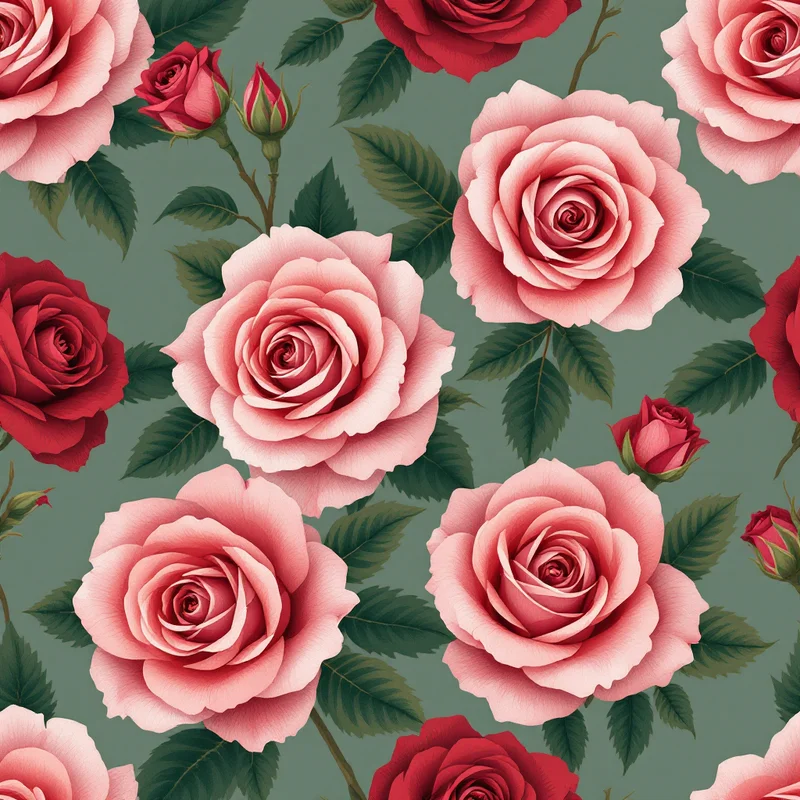
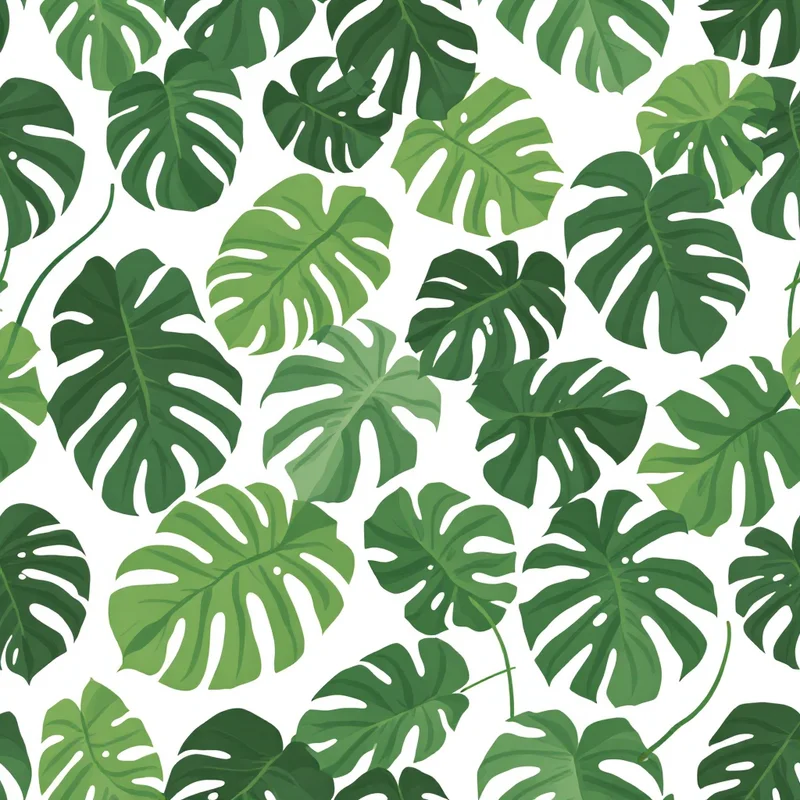
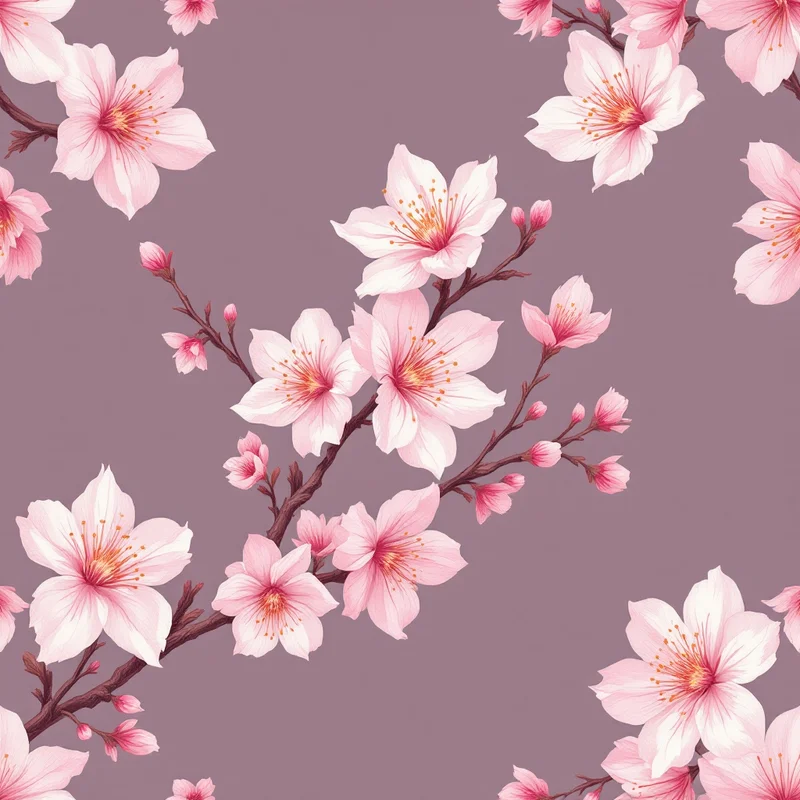
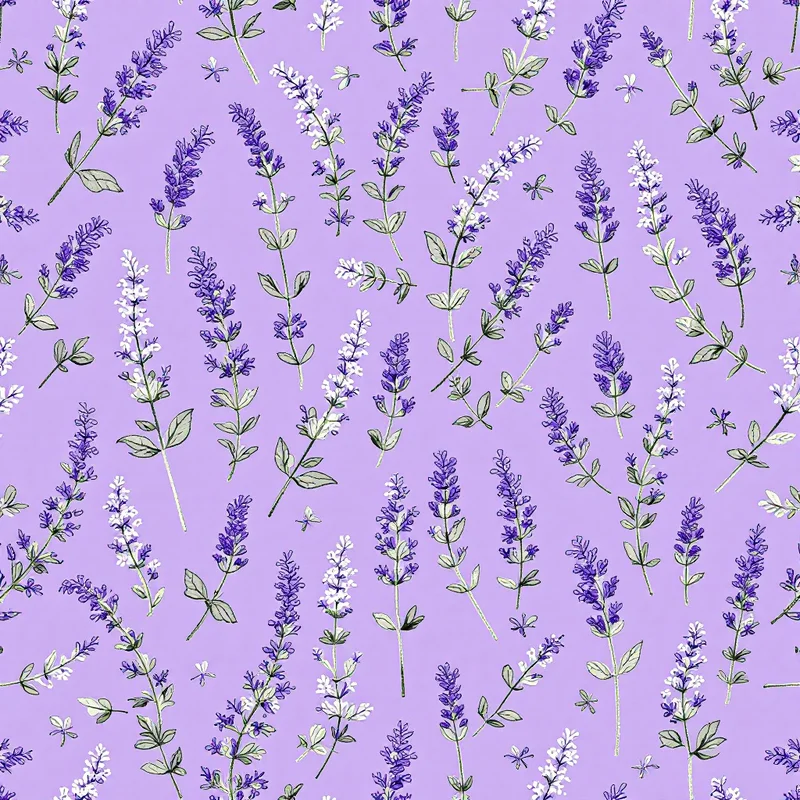
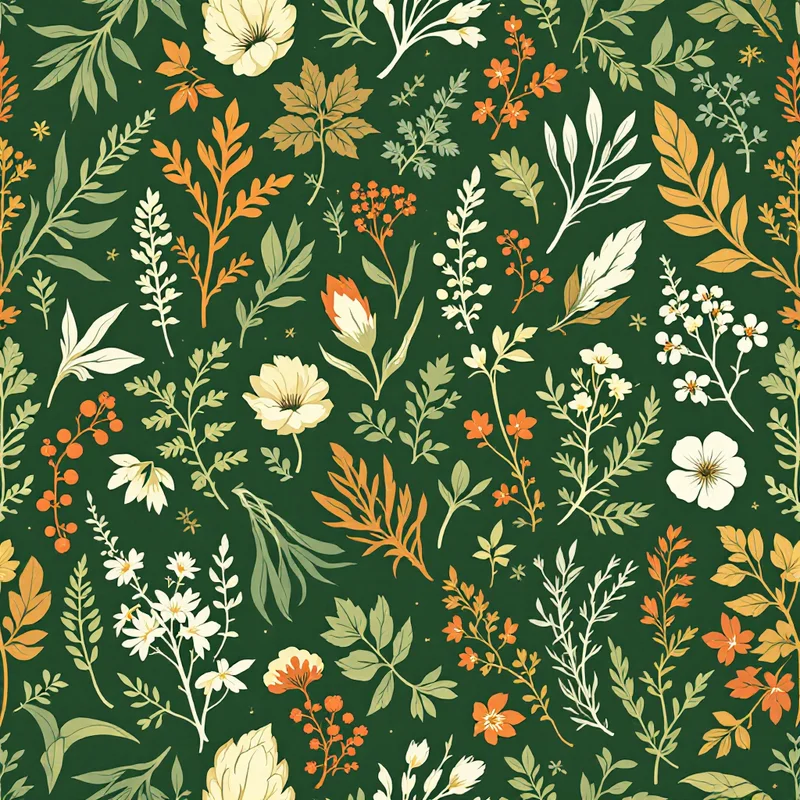
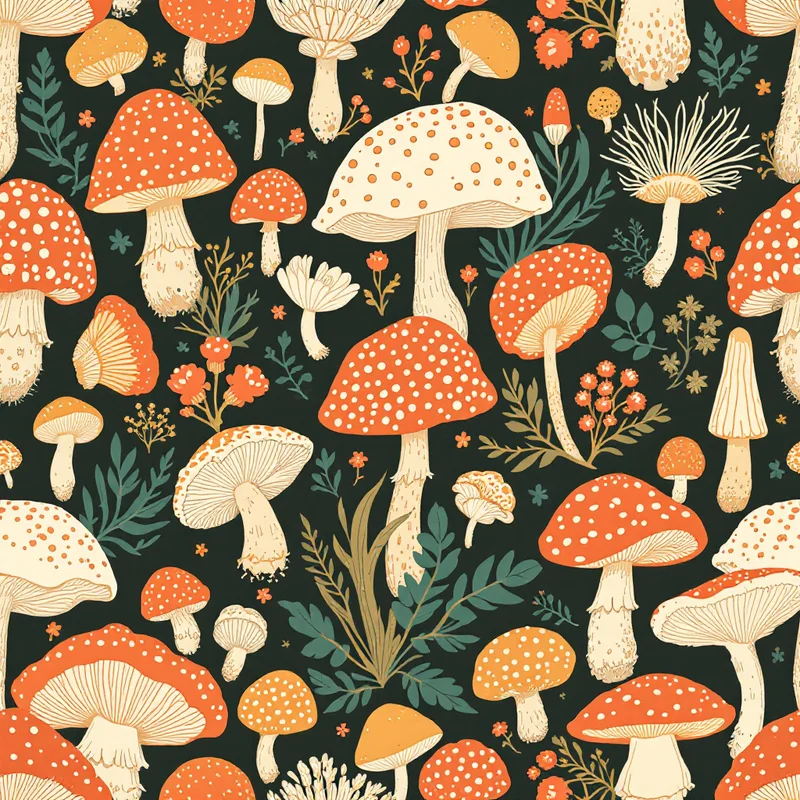
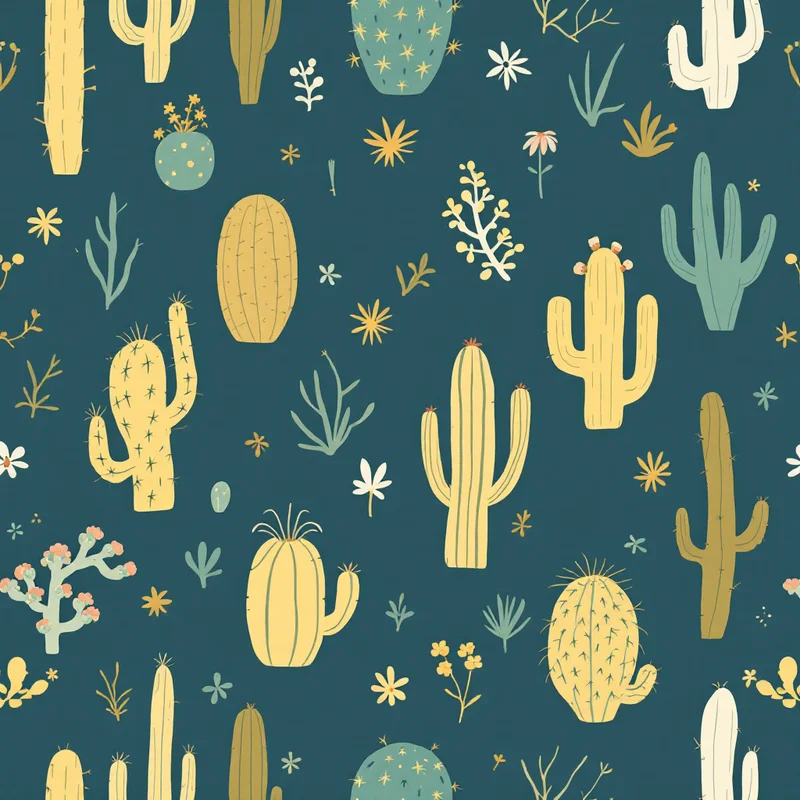
Across products the motif is versatile. Large painterly lotuses suit duvet covers, kimono-style robes, and feature wallpaper; tight geometric versions print sharply on yoga mats, candle labels, tea tins, and cosmetics packaging. Wellness and beauty brands use the calm associations on bottles and gift wrap, while fashion houses scale it up for scarves, swimwear, and flowing maxi dresses. Stationery, ceramic transfers, phone cases, and cushion covers all carry it well because the bloom holds its identity even when cropped.
Customization & export
With Pattern Weaver you control the look without redrawing anything. Set density to choose between a single hero lotus per tile or a packed pond of overlapping blooms, adjust scale to move from delicate all-over coverage to a single dramatic flower, and lock an exact palette to match a brand or collection. Pick a substyle, refine the colorway, and the studio builds a perfectly tiling repeat for you.
When the design is ready, export production files up to 8K (8192x8192) so prints stay crisp on yardage, large-format wallpaper, and packaging. Pattern Weaver outputs PNG for digital mockups, transparent or layered TIFF for print workflows, and PDF for press-ready handoff, alongside JPG, WEBP, and SVG for web and vector needs, so a single lotus pattern moves from screen to fabric to shelf without losing detail.