

Design characteristics
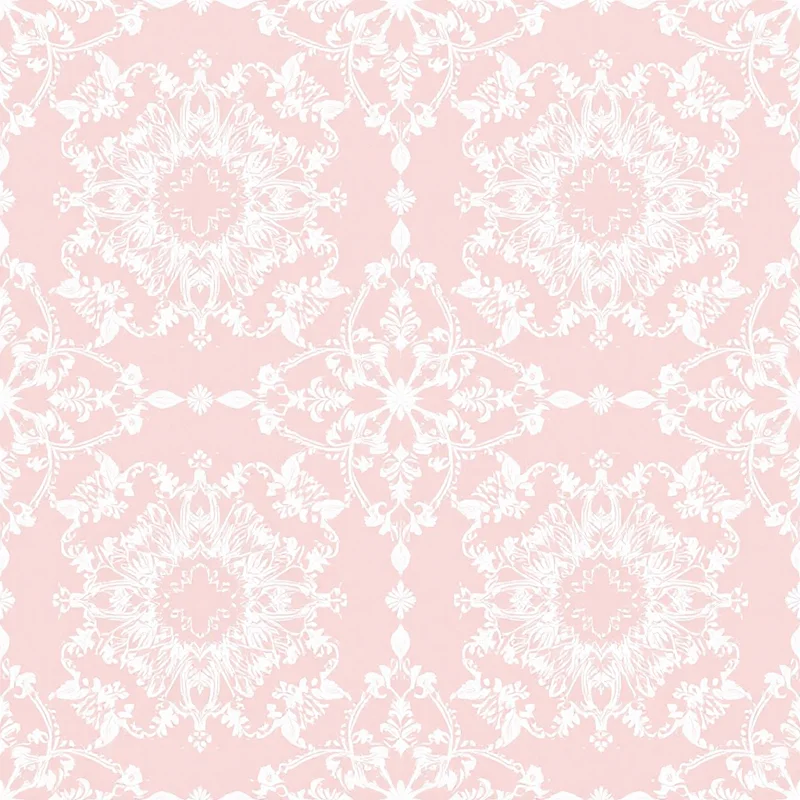
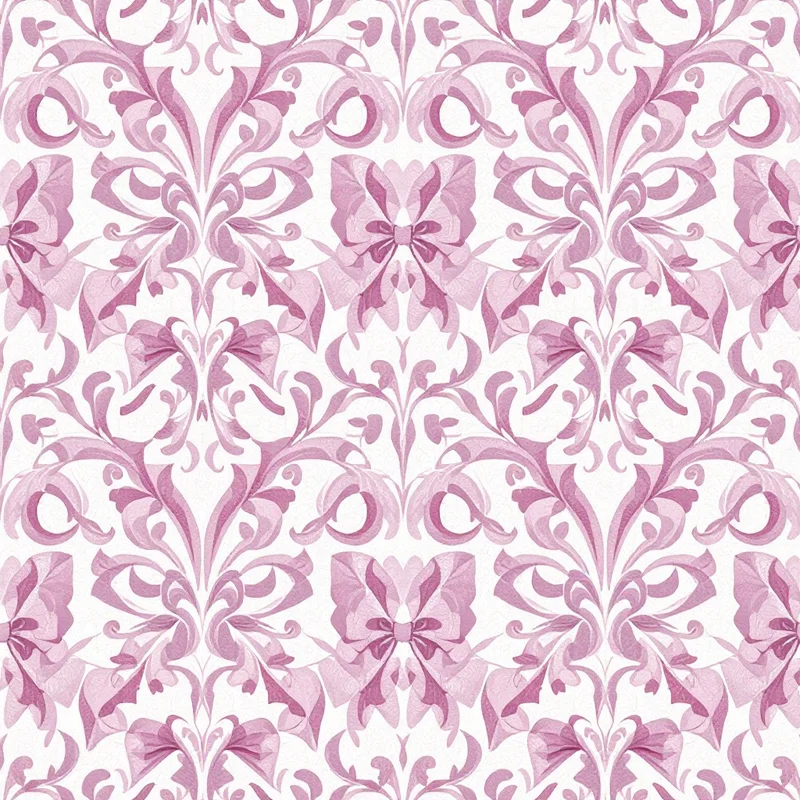
The visual hallmarks vary by tradition, and each has its own rhythm. Chantilly lace reads as fine, shadowy florals on a near-invisible net. Guipure and Venetian needle lace are bolder, with raised motifs joined by bridges instead of mesh. Battenberg and tape lace lean geometric, built from looping ribbon shapes. Crochet and doily lace bring concentric rings, pineapple stitches and spoke-like radial symmetry. Eyelet and broderie anglaise scatter punched holes in tidy floral clusters. You can reproduce any of these, then push them modern with oversized scale, bold two-tone contrast or unexpected color, while keeping the openwork silhouette intact.
Commercial applications
Lace patterns appeal to a specific, devoted audience. Bridal and eveningwear designers search for them constantly, since lace signals romance and luxury better than almost any other motif. Lingerie and slip-dress brands want fine repeating trims and allover florals. Wedding stationers and event planners use lace overlays on invitations, menus and signage. Home textile makers reach for it on curtains, table linens, duvet edges and cushion borders, while beauty, jewelry and gift brands use lace backgrounds to suggest delicacy on packaging and labels. The look is timeless, which is why it sells across seasons rather than spiking and fading.
Where to use lace patterns for fabric, fashion and fine print patterns
The color story is part of the appeal. Classic lace lives in white, ivory, cream and ecru, where the pattern reads through subtle tonal shadow rather than color. Black lace carries a gothic, dramatic or evening mood. Romantic palettes add blush, dusty rose, champagne and pale gold, while modern interpretations go for navy, sage, terracotta or full color over a contrasting ground. Because lace is largely about the relationship between thread and open space, you set the motif color and the ground independently, so the same design can feel like heirloom linen or like a bold graphic print.
Customization & export
Concrete uses are easy to picture. Run a fine allover repeat for dress fabric, lingerie and blouses, or isolate a scalloped border for hems, cuffs, table linen edges and shelf trim. Scale a single doily medallion up for a cushion front or a framed print, or tile it small for wrapping paper, gift boxes and cosmetic packaging. Lace also works as a wallpaper or accent-wall motif, as an overlay texture on wedding stationery, and as a delicate background on jewelry cards, candle labels and soap wraps. With Pattern Weaver you control the motif type, the openness of the ground, the scale of the medallions against the netting, and whether to include scalloped or picot edging, then regenerate variations until the tracery feels balanced.
When the design is ready, export it at up to 8K resolution (8192 by 8192) so the fine threadwork and tiny eyelets stay crisp on large fabric runs, wall murals or close-up packaging. Save a transparent PNG to layer real lace over a colored garment mockup, a high-quality TIFF for professional textile and apparel printing, or a PDF for print shops, stationery and packaging proofs. JPG, WEBP and SVG are also available, so a single lace pattern moves cleanly from a web preview to a bolt of printed cloth. Every design tiles seamlessly and is yours to use commercially.