All styles

Korean Patterns for Textiles, Fashion, and Surface Design

Seamless hanbok florals, dancheong color blocks, and minhwa motifs ready to print at any scale.

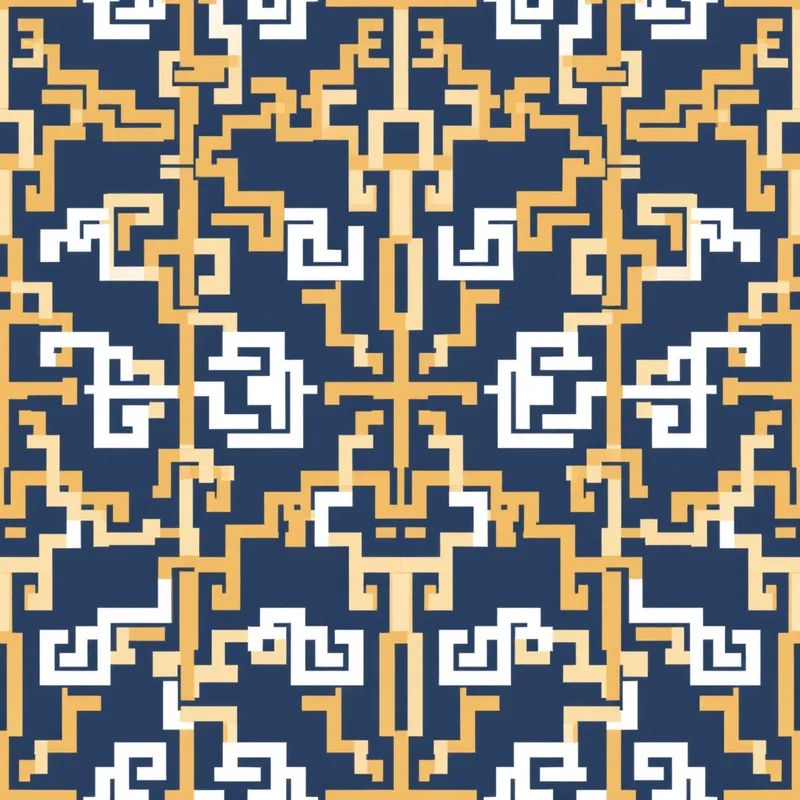
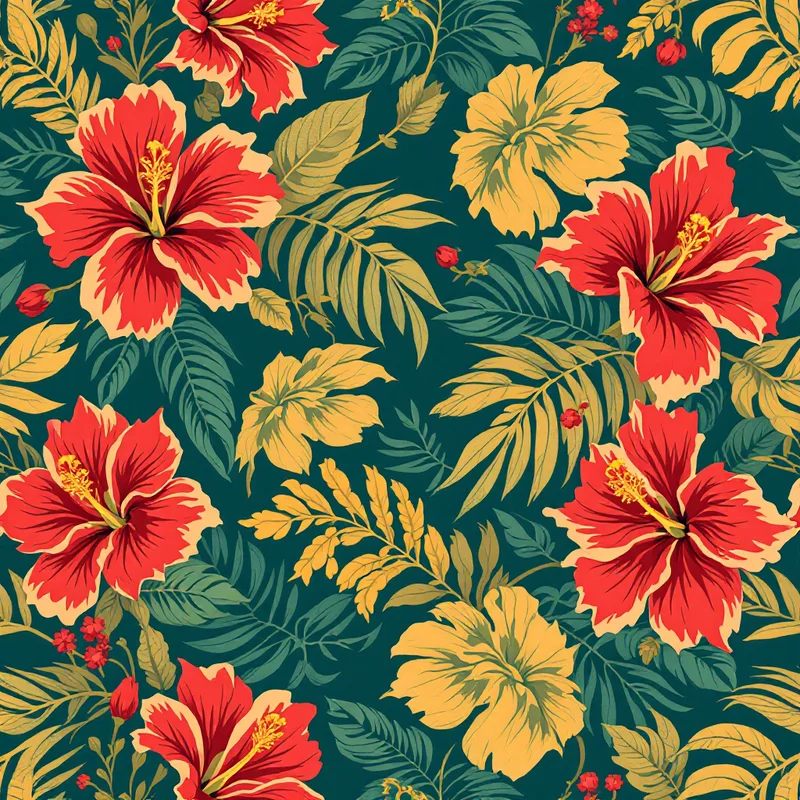
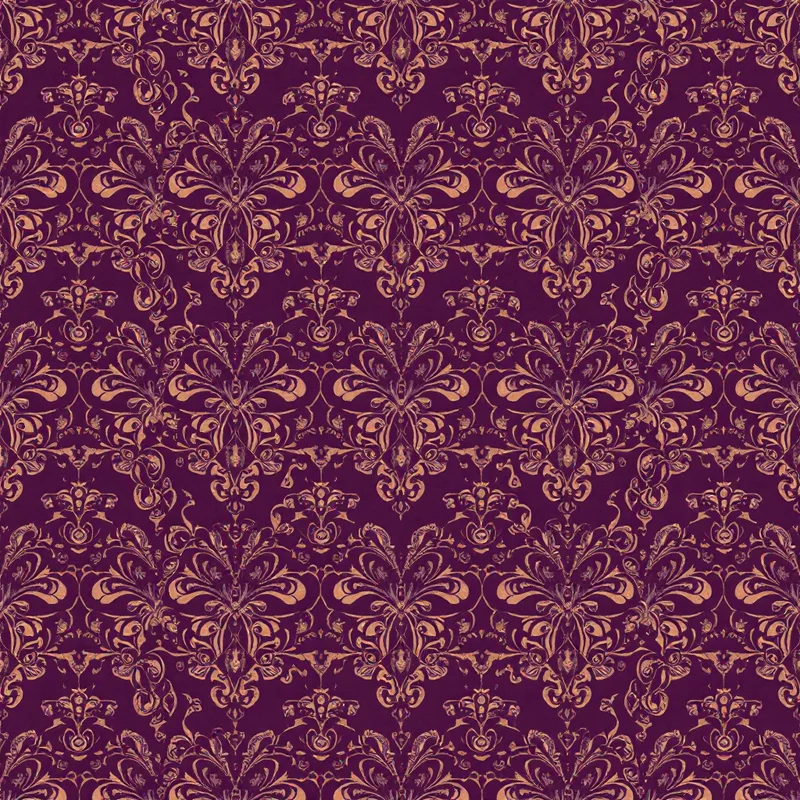
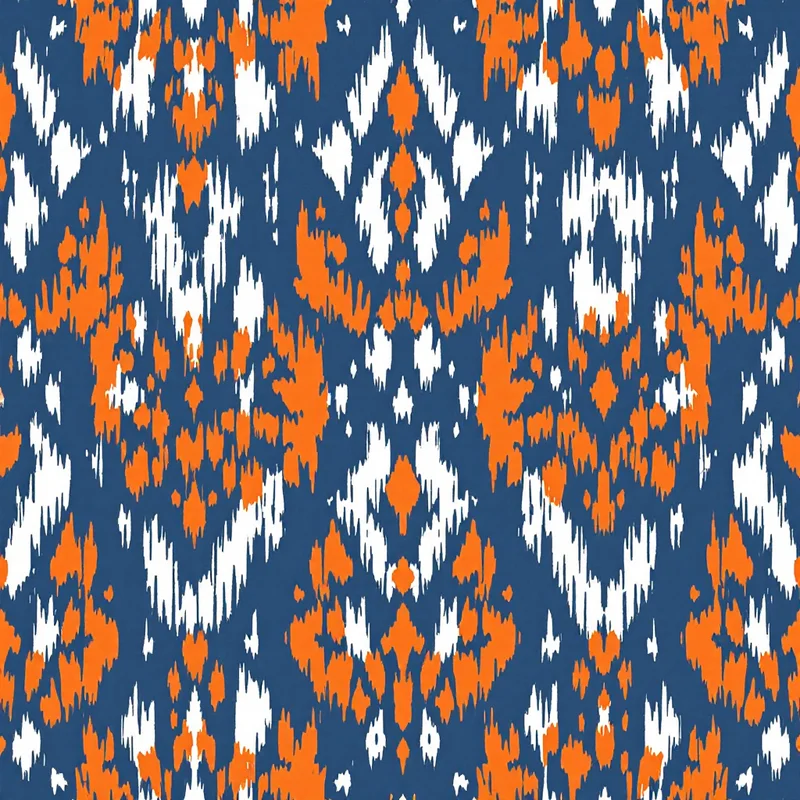
Seamless cultural arabic terracotta pattern tileSeamless cultural japanese indigo pattern tileSeamless cultural celtic green pattern tileSeamless cultural african orange pattern tileSeamless cultural moroccan sky pattern tileSeamless cultural indian magenta pattern tileSeamless cultural aztec teal pattern tileSeamless cultural scandinavian red pattern tileSeamless cultural greek blue pattern tileSeamless cultural hawaiian tropical pattern tileSeamless cultural paisley jewel pattern tileSeamless cultural ikat blue pattern tileSeamless cultural folk red pattern tileSeamless cultural mexican bright pattern tileSeamless cultural suzani warm pattern tileSeamless cultural chinoiserie blue pattern tileSeamless cultural arabic terracotta pattern tileSeamless cultural japanese indigo pattern tileSeamless cultural celtic green pattern tileSeamless cultural african orange pattern tileSeamless cultural moroccan sky pattern tileSeamless cultural indian magenta pattern tileSeamless cultural aztec teal pattern tileSeamless cultural scandinavian red pattern tileSeamless cultural greek blue pattern tileSeamless cultural hawaiian tropical pattern tileSeamless cultural paisley jewel pattern tileSeamless cultural ikat blue pattern tileSeamless cultural folk red pattern tileSeamless cultural mexican bright pattern tileSeamless cultural suzani warm pattern tileSeamless cultural chinoiserie blue pattern tile
Seamless cultural chinoiserie blue pattern tileSeamless cultural suzani warm pattern tileSeamless cultural mexican bright pattern tileSeamless cultural folk red pattern tileSeamless cultural ikat blue pattern tileSeamless cultural paisley jewel pattern tileSeamless cultural hawaiian tropical pattern tileSeamless cultural greek blue pattern tileSeamless cultural scandinavian red pattern tileSeamless cultural aztec teal pattern tileSeamless cultural indian magenta pattern tileSeamless cultural moroccan sky pattern tileSeamless cultural african orange pattern tileSeamless cultural celtic green pattern tileSeamless cultural japanese indigo pattern tileSeamless cultural arabic terracotta pattern tileSeamless cultural chinoiserie blue pattern tileSeamless cultural suzani warm pattern tileSeamless cultural mexican bright pattern tileSeamless cultural folk red pattern tileSeamless cultural ikat blue pattern tileSeamless cultural paisley jewel pattern tileSeamless cultural hawaiian tropical pattern tileSeamless cultural greek blue pattern tileSeamless cultural scandinavian red pattern tileSeamless cultural aztec teal pattern tileSeamless cultural indian magenta pattern tileSeamless cultural moroccan sky pattern tileSeamless cultural african orange pattern tileSeamless cultural celtic green pattern tileSeamless cultural japanese indigo pattern tileSeamless cultural arabic terracotta pattern tile

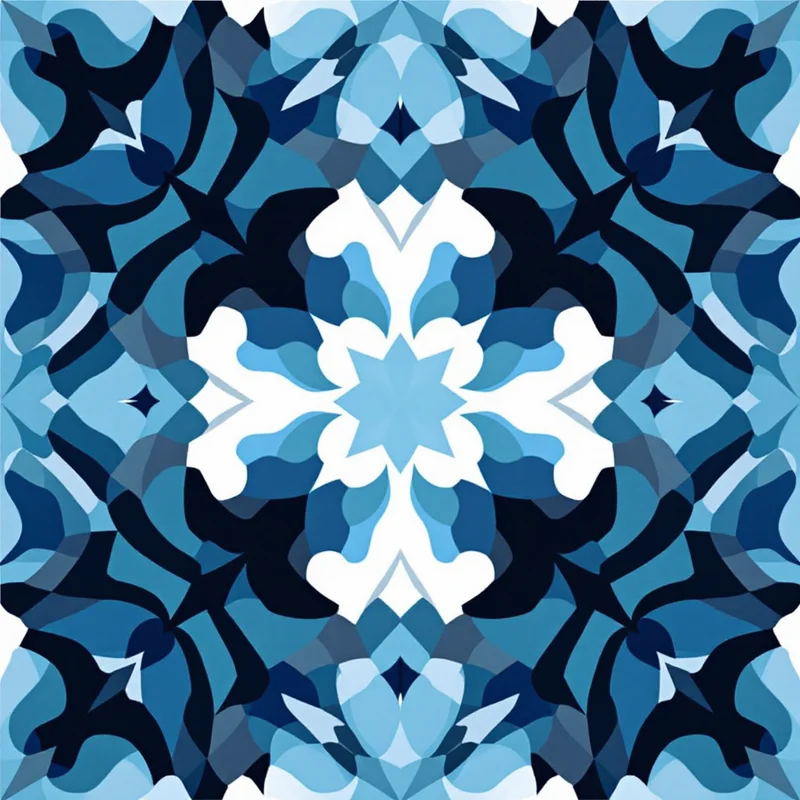
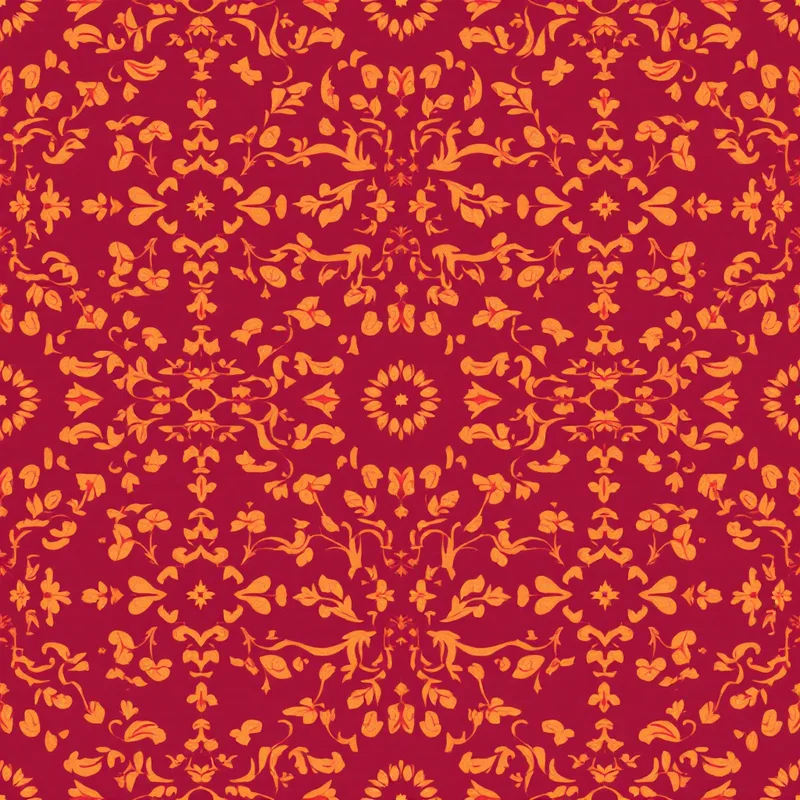
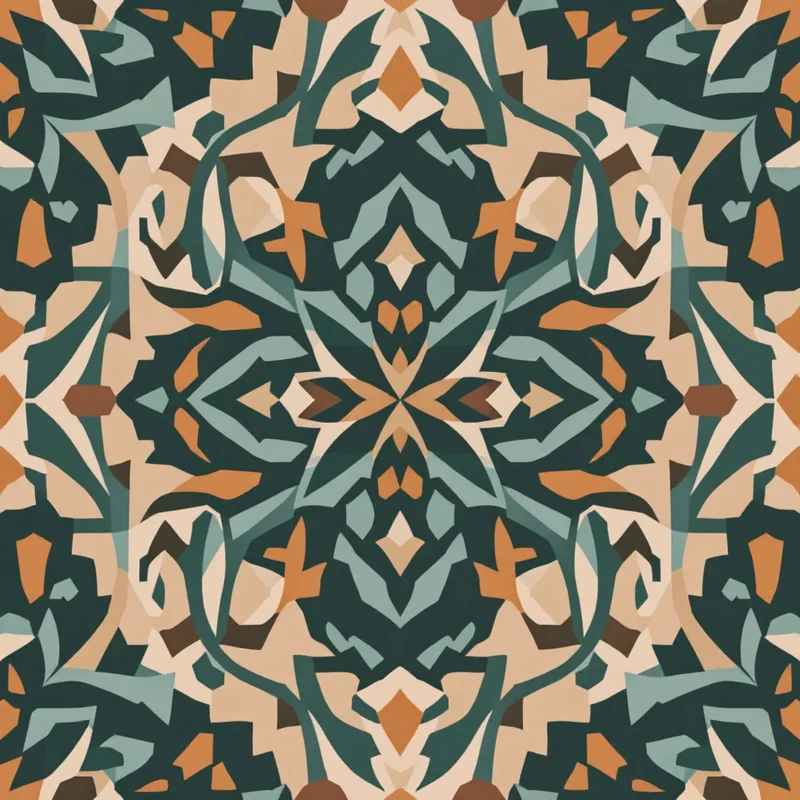
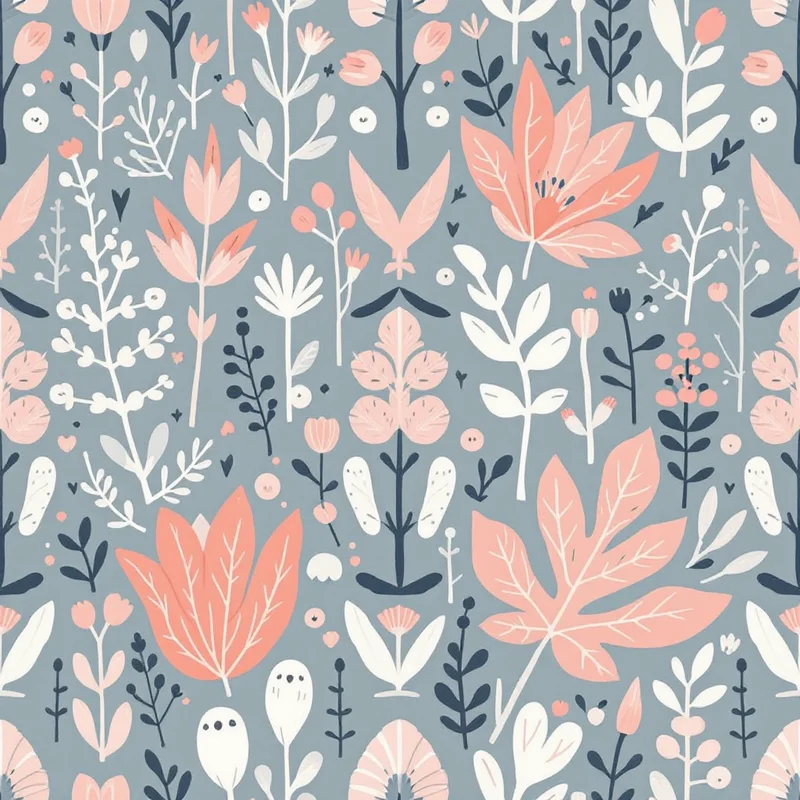
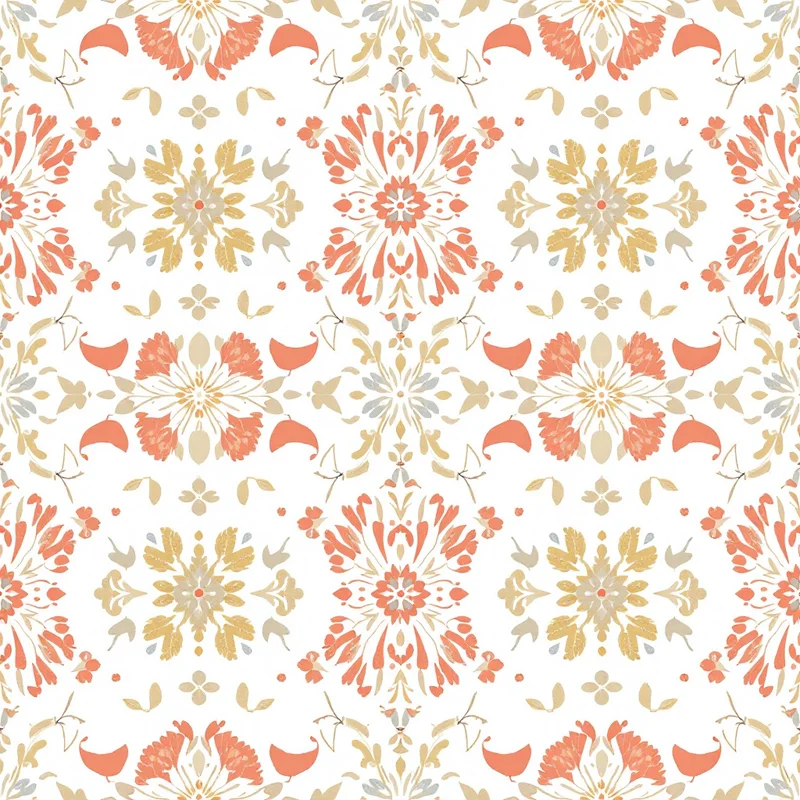
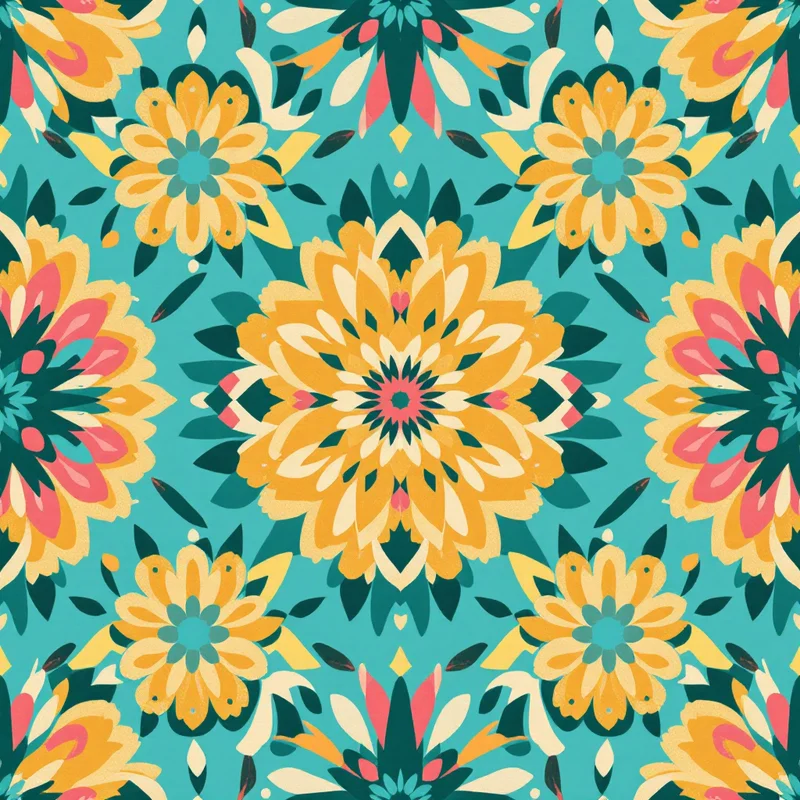
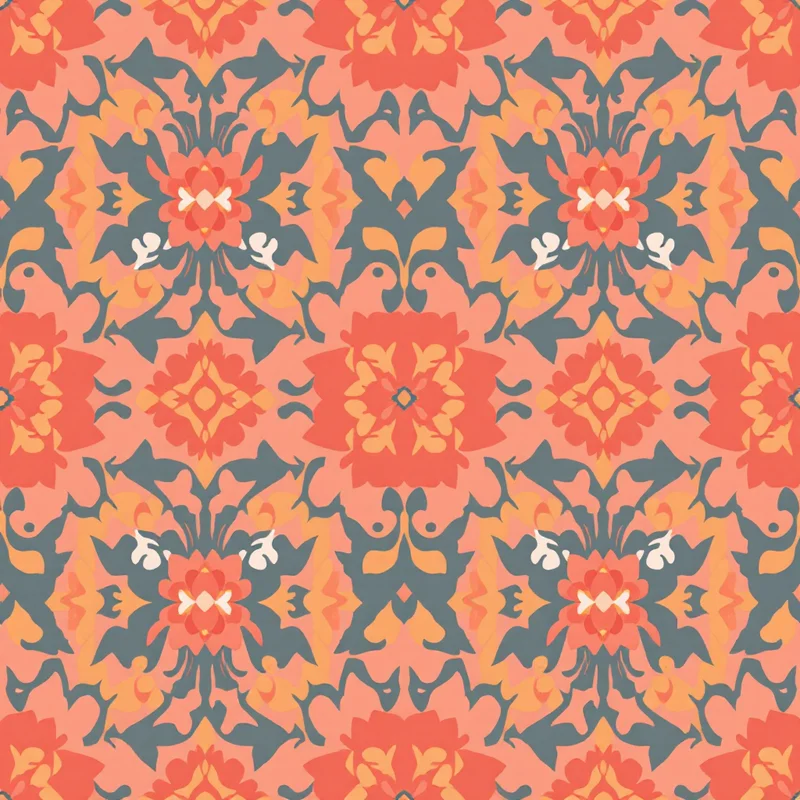
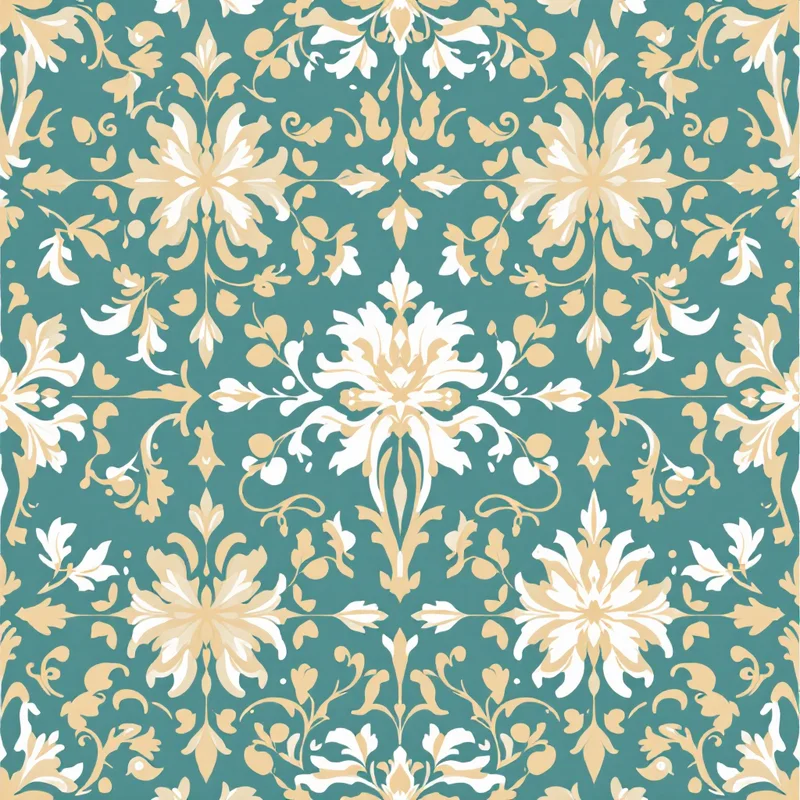
Korean patterns draw on centuries of decorative tradition, from the painted rafters of palace architecture to the embroidered hems of court dress. The visual language is immediately recognizable: stylized peonies and lotus blooms, cranes and phoenixes among stylized clouds, geometric fretwork borders, and the rhythmic interlocking blocks of dancheong, the five-color scheme used on temples and gates. Each motif carries meaning. Cranes signal longevity, the ten longevity symbols (sipjangsaeng) cluster pine, deer, turtle, and water together, and the bold lattice and key-fret bands frame everything with disciplined geometry.

Popular korean patterns for textiles, fashion, and surface design substyles

Dancheong Color Blocks
Hanbok Floral Silk
Minhwa Folk Painting
Sipjangsaeng Longevity Symbols
Crane and Cloud Motif
Peony and Lotus Repeat
Geometric Key-Fret Border
Mother-of-Pearl Najeon Inlay

Why designers choose korean patterns for textiles, fashion, and surface design patterns

Design characteristics

Color is what sets these designs apart. Traditional Korean palettes lean on obangsaek, the five cardinal colors of blue, red, yellow, white, and black, often softened into the pastel obangansaek tones used in hanbok silk: persimmon orange, indigo, jade green, and powder pink against ivory grounds. Folk painting (minhwa) loosens the formality with naive tigers, magpies, and overflowing flower jars rendered in cheerful flat color. The contrast between the strict symmetry of dancheong and the playful looseness of minhwa gives designers a wide range to work within a single coherent visual heritage.

Commercial applications

Designers reach for Korean patterns because they read as both refined and approachable. A hanbok floral repeat brings heritage warmth to scarves, robes, and ready-to-wear without feeling costume-like, while dancheong color blocking translates cleanly into modern graphic packaging and stationery. The motifs scale gracefully: a single crane-and-cloud panel works as a statement print, and the same elements tighten into an all-over ditsy for linings and accessories. Because so many of these patterns were originally architectural or textile borders, they tile naturally into seamless repeats.

Where to use korean patterns for textiles, fashion, and surface design patterns

The commercial range is broad. Use peony and lotus repeats for apparel, silk scarves, and bedding; dancheong fretwork for wallpaper, ceramics, and gift wrap; minhwa tiger-and-magpie scenes for nursery decor, tote bags, and greeting cards; and key-fret borders for trims on cushions, table linens, and notebook covers. The patterns suit both luxury heritage branding and modern minimalist product lines depending on how you tune the density and palette.

Customization & export

Pattern Weaver lets you shape every element before you commit. Adjust density to move from an airy, sparse scatter of blossoms to a dense, fully packed ground, set the scale so motifs read large on a wall covering or small on a pocket lining, and recolor the whole repeat into authentic obangsaek tones or a contemporary palette of your choosing. Pick a substyle, refine the motifs, and preview the seamless tile in real time so the repeat lines up edge to edge with no visible seams.

When the design is right, export it at up to 8K (8192x8192) in the format that fits your workflow: PNG for crisp digital mockups and print-on-demand uploads, TIFF for press-ready textile and wallpaper production, or PDF for layout and packaging files. With Pattern Weaver you can build a full coordinated collection of Korean patterns in an afternoon, then send production-ready files straight to your manufacturer.

Perfect for

Hanbok-inspired silk scarves and apparel printsWallpaper and wall murals with dancheong color blockingGift wrap, stationery, and packaging for heritage brandsCeramics, tableware, and home decor surface designsTote bags, pouches, and fashion accessoriesNursery and kids decor with minhwa folk motifsBedding, cushions, and table linens with floral repeats

Explore korean patterns for textiles, fashion, and surface design patterns by use case:

Korean Patterns for Textiles, Fashion, and Surface Design for Wallpaper
Korean Patterns for Textiles, Fashion, and Surface Design for Textiles
Korean Patterns for Textiles, Fashion, and Surface Design for Packaging
Korean Patterns for Textiles, Fashion, and Surface Design for Fashion
Korean Patterns for Textiles, Fashion, and Surface Design for Print on Demand
Korean Patterns for Textiles, Fashion, and Surface Design for Stationery
Korean Patterns for Textiles, Fashion, and Surface Design for Interior Design
Korean Patterns for Textiles, Fashion, and Surface Design for Phone Cases
Korean Patterns for Textiles, Fashion, and Surface Design for Etsy Sellers
Korean Patterns for Textiles, Fashion, and Surface Design for Scrapbooking
Korean Patterns for Textiles, Fashion, and Surface Design for Wedding
Korean Patterns for Textiles, Fashion, and Surface Design for Baby & Nursery
Korean Patterns for Textiles, Fashion, and Surface Design for Quilting
Korean Patterns for Textiles, Fashion, and Surface Design for T-Shirts
Korean Patterns for Textiles, Fashion, and Surface Design for Tote Bags
Korean Patterns for Textiles, Fashion, and Surface Design for Gift Wrap
Korean Patterns for Textiles, Fashion, and Surface Design for Home Decor
Korean Patterns for Textiles, Fashion, and Surface Design for Crafts
Korean Patterns for Textiles, Fashion, and Surface Design for Mugs
Korean Patterns for Textiles, Fashion, and Surface Design for Branding
Korean Patterns for Textiles, Fashion, and Surface Design for Sublimation Pattern Generator
Korean Patterns for Textiles, Fashion, and Surface Design for Wrapping Paper Pattern Maker
Korean Patterns for Textiles, Fashion, and Surface Design for All-Over Print Pattern Maker
Korean Patterns for Textiles, Fashion, and Surface Design for Fabric Repeat Pattern Maker
Korean Patterns for Textiles, Fashion, and Surface Design for Silk Pattern Design
Korean Patterns for Textiles, Fashion, and Surface Design for Cotton Print Pattern Maker
Korean Patterns for Textiles, Fashion, and Surface Design for Linen Pattern Design
Korean Patterns for Textiles, Fashion, and Surface Design for Ceramic Tile Pattern Maker
Korean Patterns for Textiles, Fashion, and Surface Design for Leggings Pattern Design

Frequently asked questions

What is korean patterns?

Korean patterns are decorative repeats rooted in Korean art and craft traditions. They include dancheong color blocking from temple architecture, hanbok floral silks featuring peonies and lotus, minhwa folk paintings of tigers and magpies, and longevity symbols like cranes, pine, and clouds. They typically use the obangsaek five-color palette of blue, red, yellow, white, and black, often softened into hanbok pastels.

How do I create korean patterns with Pattern Weaver?

Open the studio and choose the Korean pattern category, then pick a substyle such as dancheong color blocks or hanbok floral silk. Adjust density, scale, and color to suit your product, and the real-time preview shows how the tile repeats. Pattern Weaver keeps the edges seamless so the design lines up across the full surface, and you can refine motifs until the look is exactly right before exporting.

Can I use korean patterns commercially?

Yes. Patterns you generate are yours to use on commercial products including apparel, wallpaper, packaging, ceramics, accessories, and home decor. They work for both small print-on-demand shops and full manufacturing runs. Check your current plan (Free, Starter, Pro, or Max) for the specific commercial usage and export rights tied to your account.

What sizes and formats can I export?

You can export your Korean patterns at resolutions up to 8K (8192x8192). Available formats are PNG, JPG, WEBP, TIFF, PDF, and SVG. Use PNG or JPG for digital mockups and print-on-demand, TIFF for high-resolution textile and wallpaper production, PDF for packaging and layout files, and SVG for clean scalable vector artwork.

What colors work best for korean patterns?

Traditional Korean designs use obangsaek, the five cardinal colors: blue, red, yellow, white, and black. For hanbok-inspired prints, soften these into pastels like persimmon orange, indigo, jade green, and powder pink on ivory grounds. Dancheong patterns favor saturated green, red, and blue, while minhwa folk scenes use cheerful flat color. You can recolor any repeat to match a heritage or modern palette.

How do I make a Korean pattern seamless for printing?

Every pattern is built as a seamless tile, so the motifs continue across the edges without breaks when repeated. Use the live preview to confirm the repeat looks right at your chosen scale, then export at high resolution. For textile and wallpaper production, a TIFF export at up to 8K gives manufacturers the clean, edge-matched file they need.

Try different render styles

Explore how korean patterns for textiles, fashion, and surface design patterns look in different artistic styles.

Start creating korean patterns for textiles, fashion, and surface design patterns

5 free credits. Full studio access. No credit card needed.

This site uses cookies to ensure you get the best experience. Learn more