Design characteristics
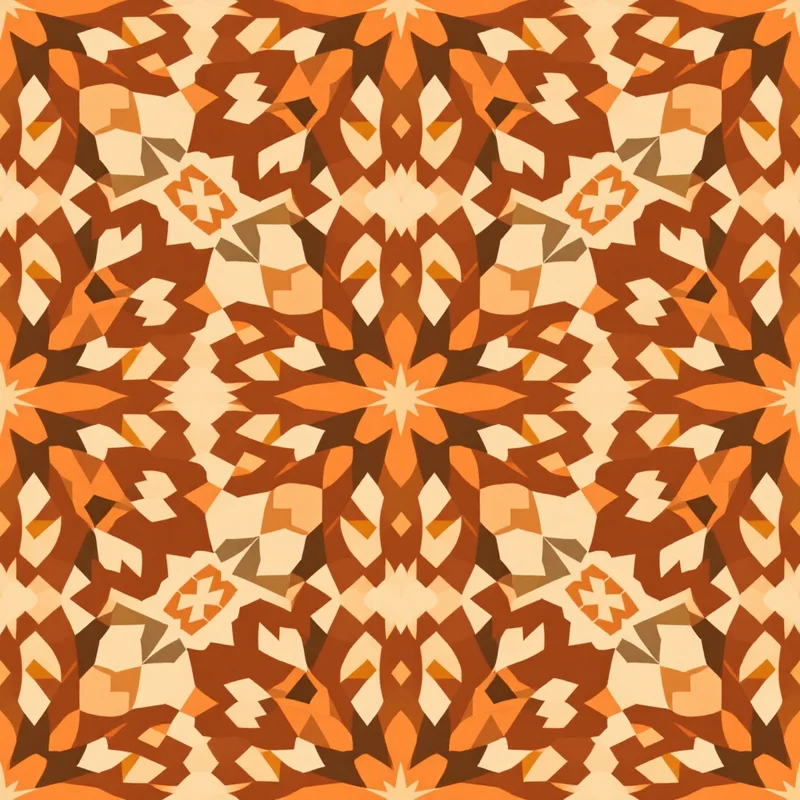
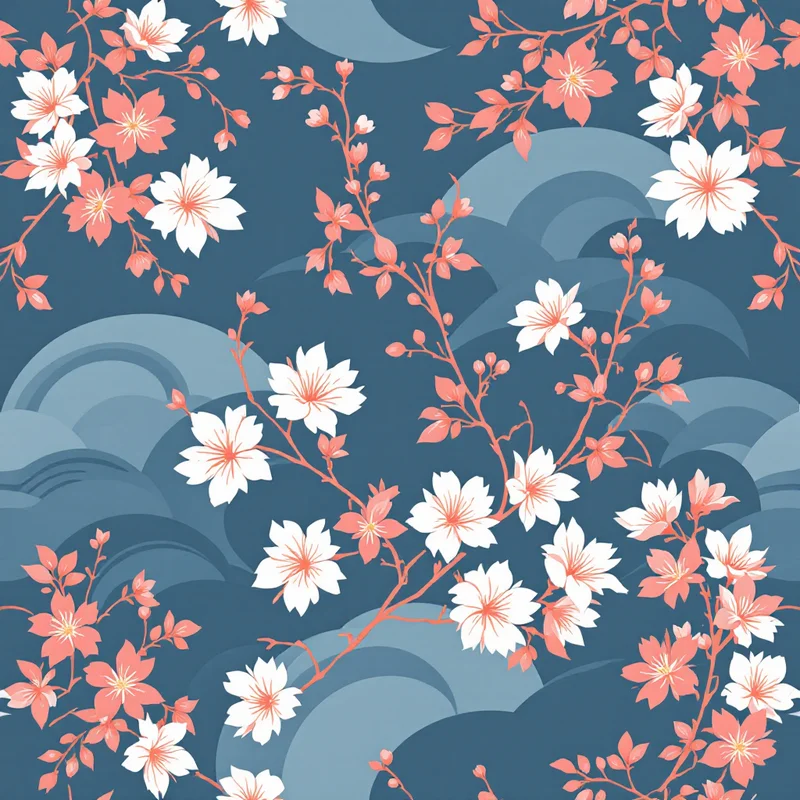
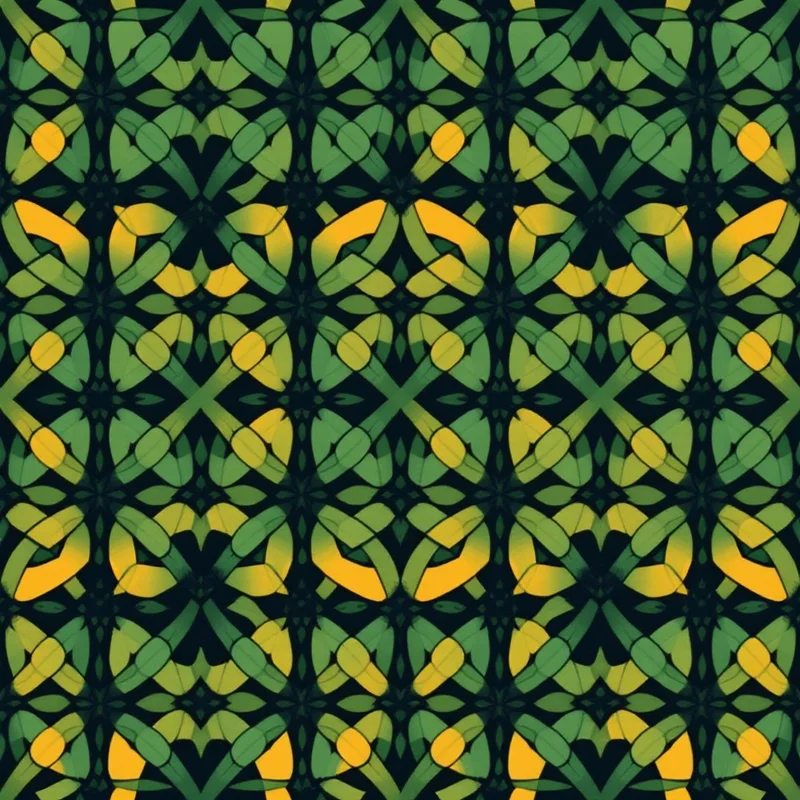
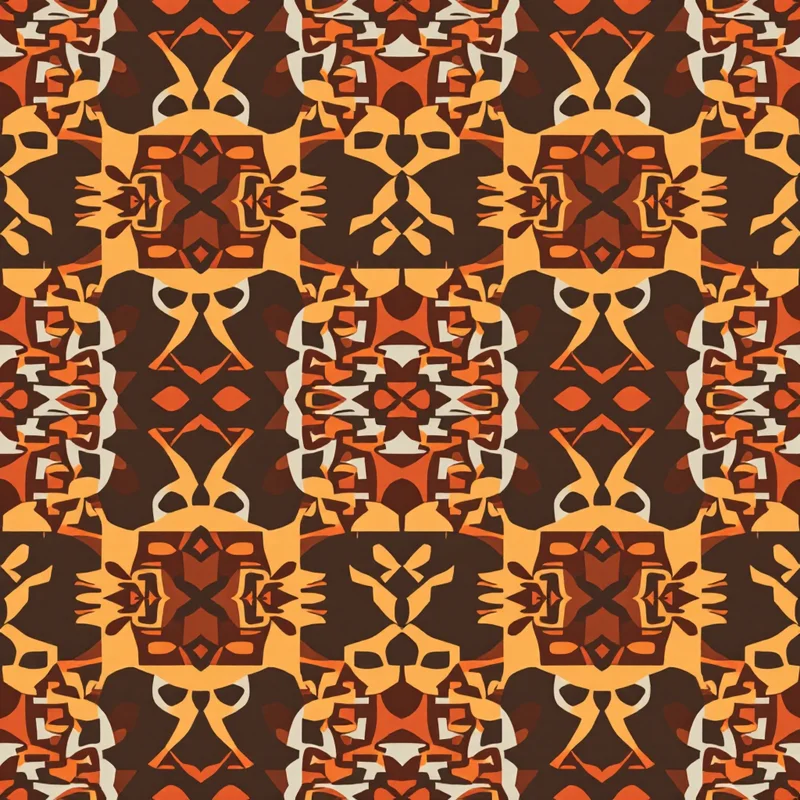
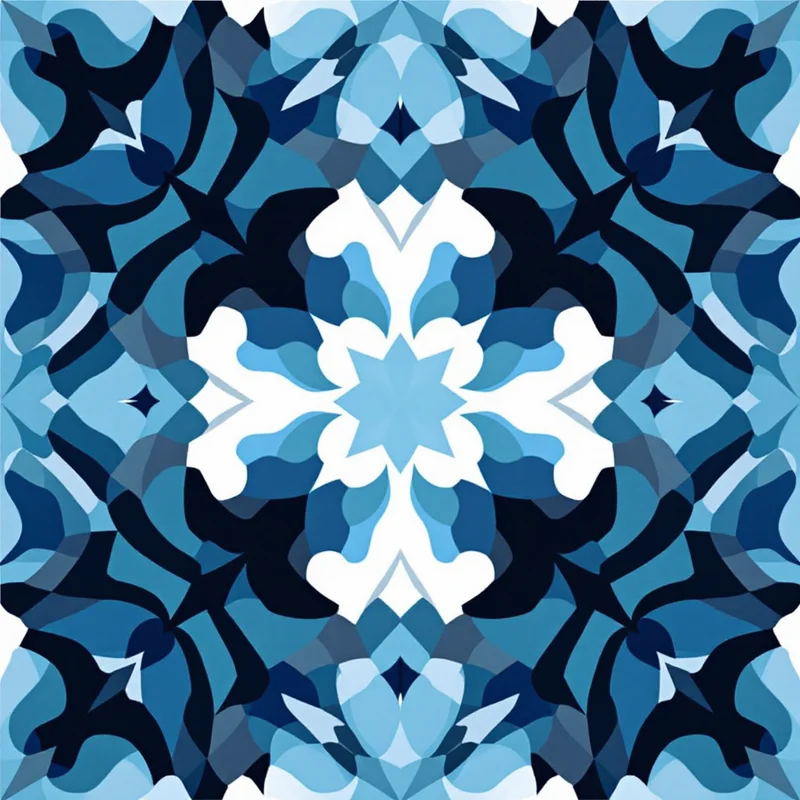
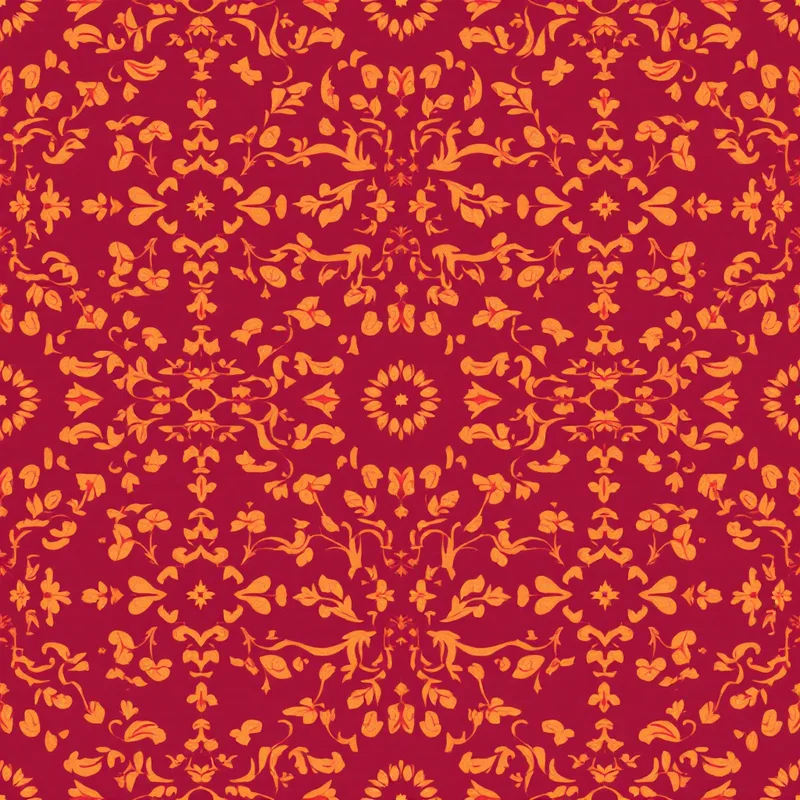
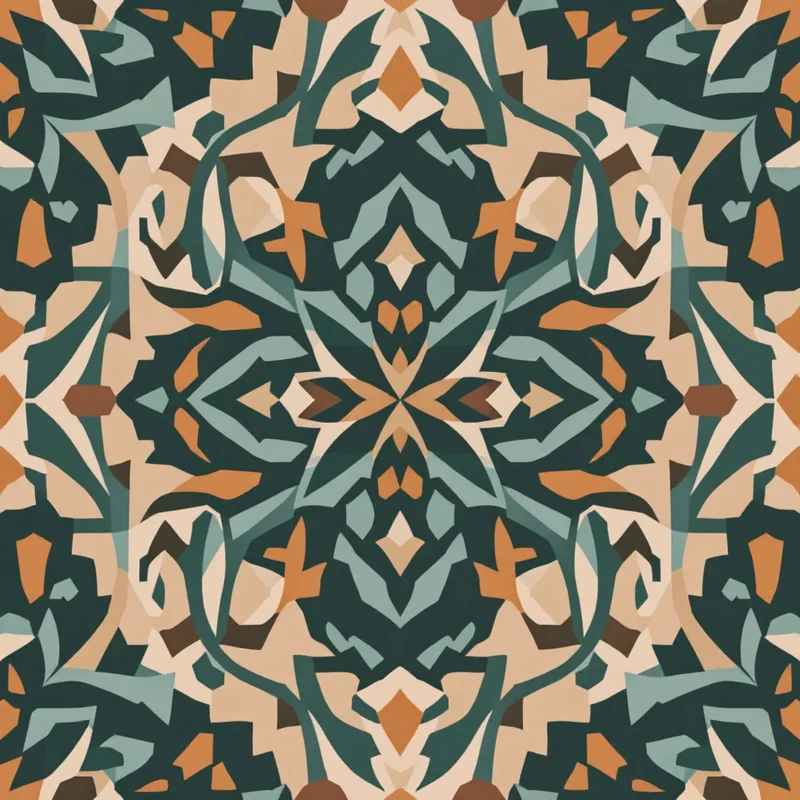
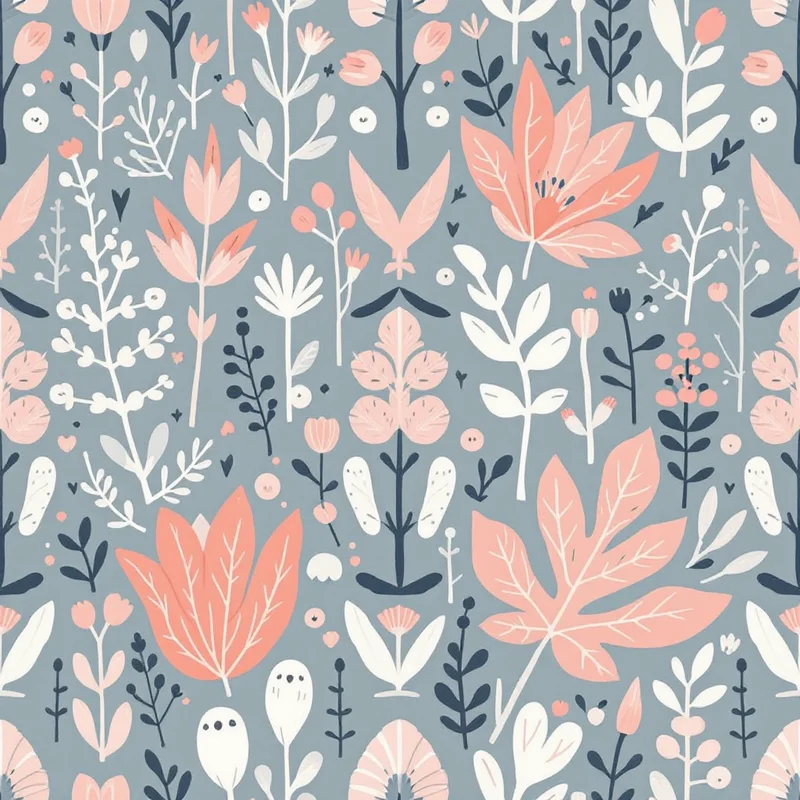
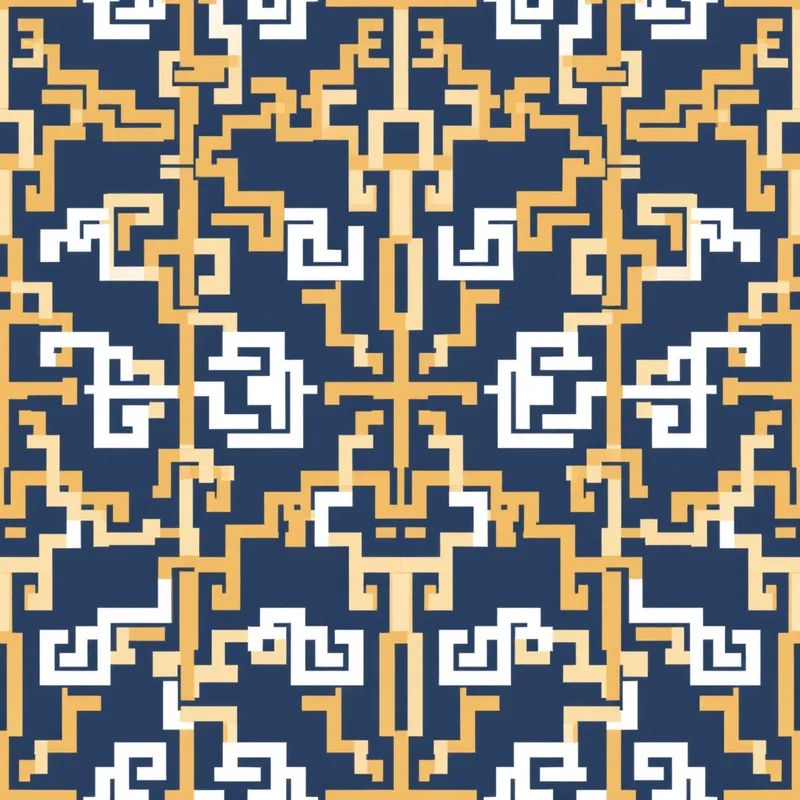
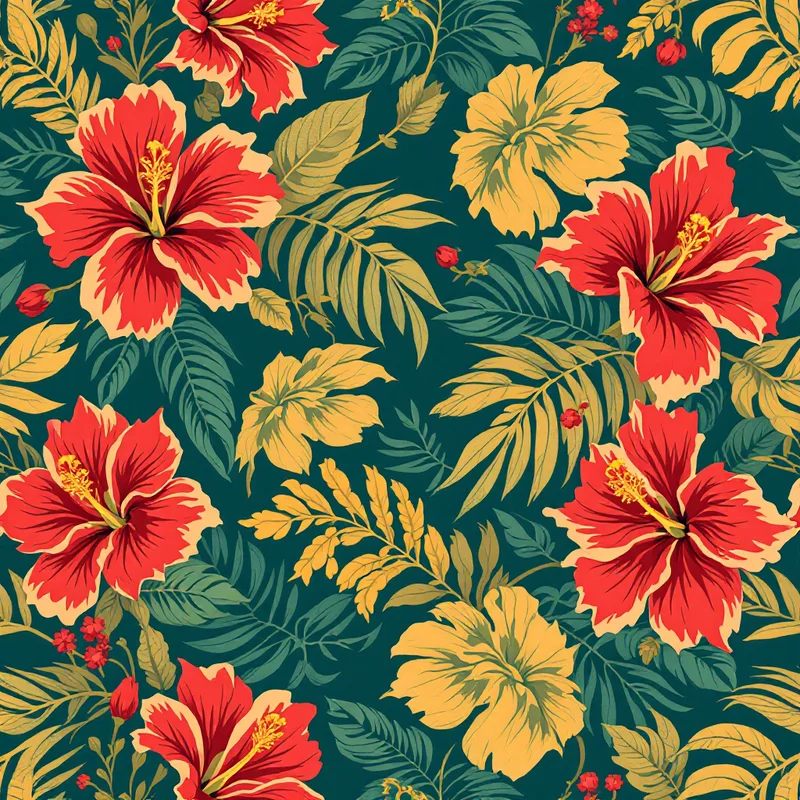
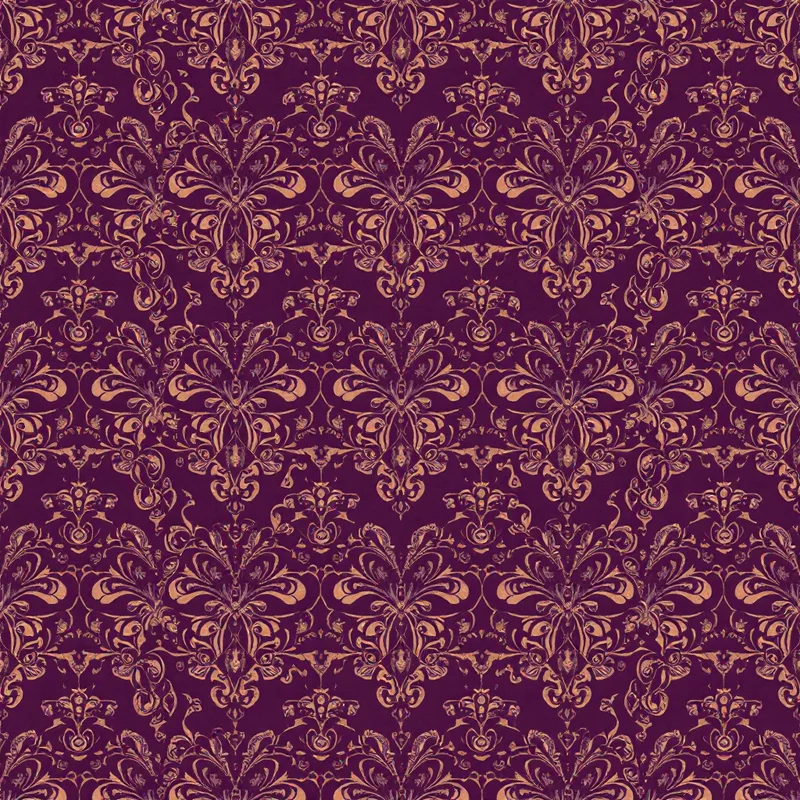
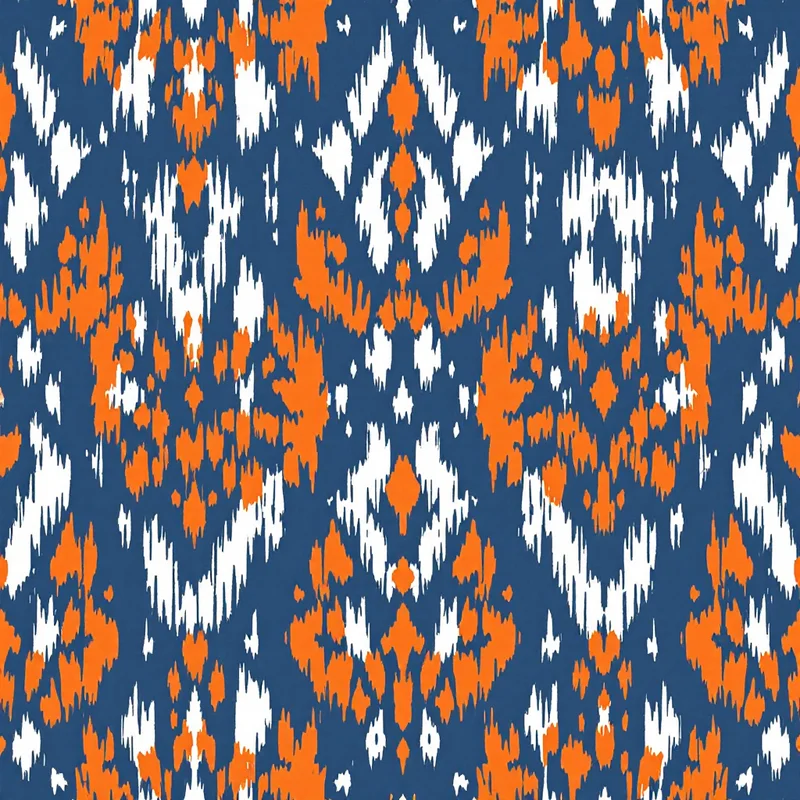
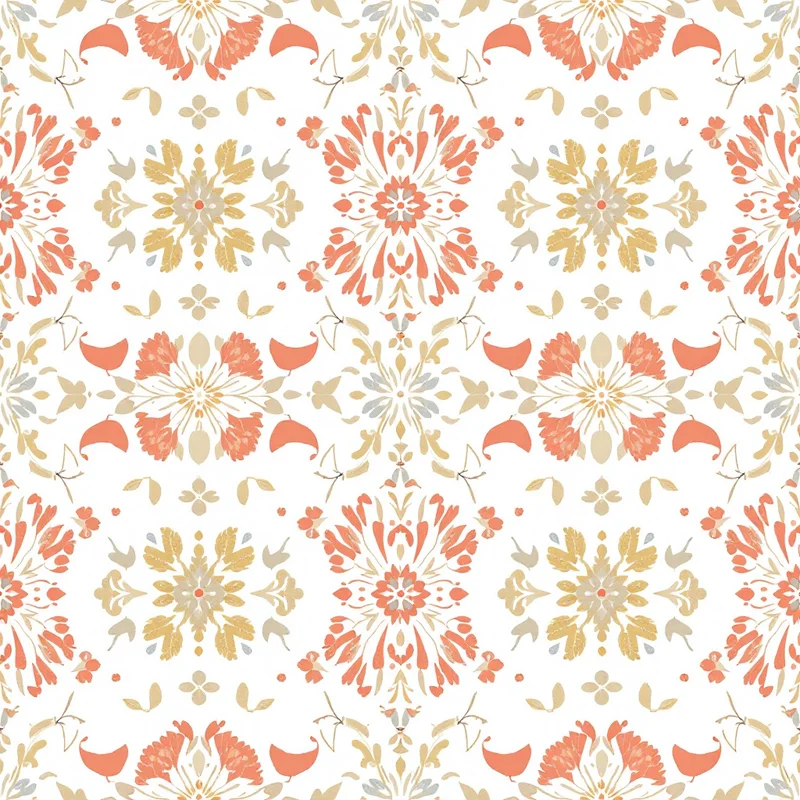
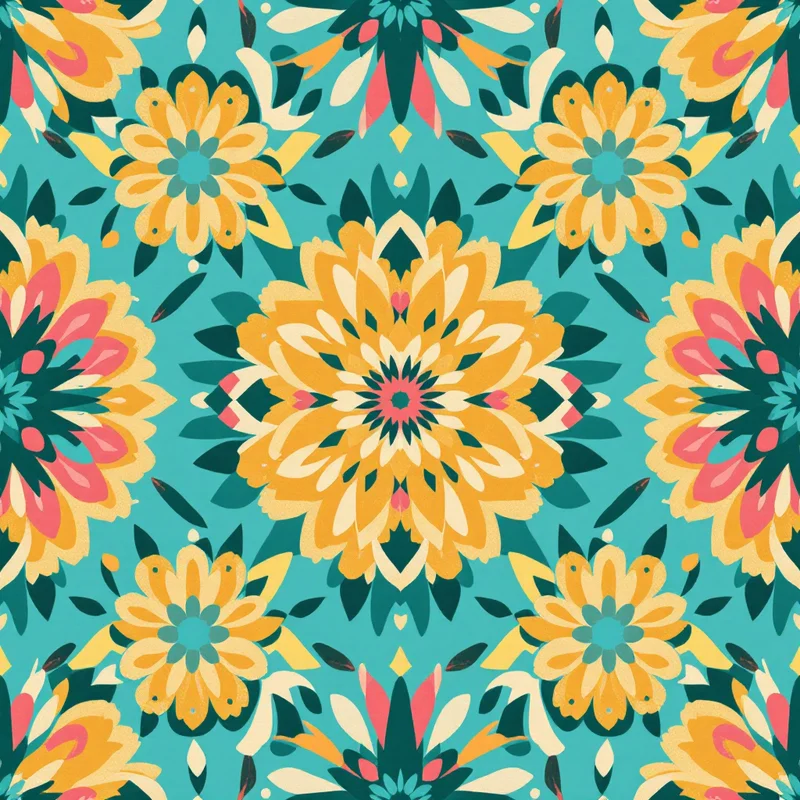
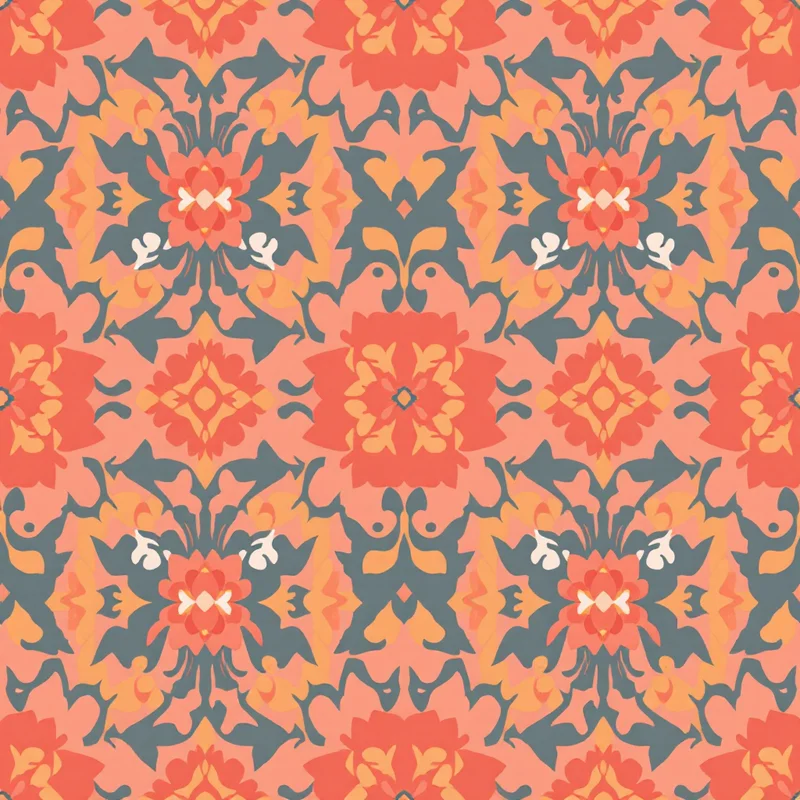
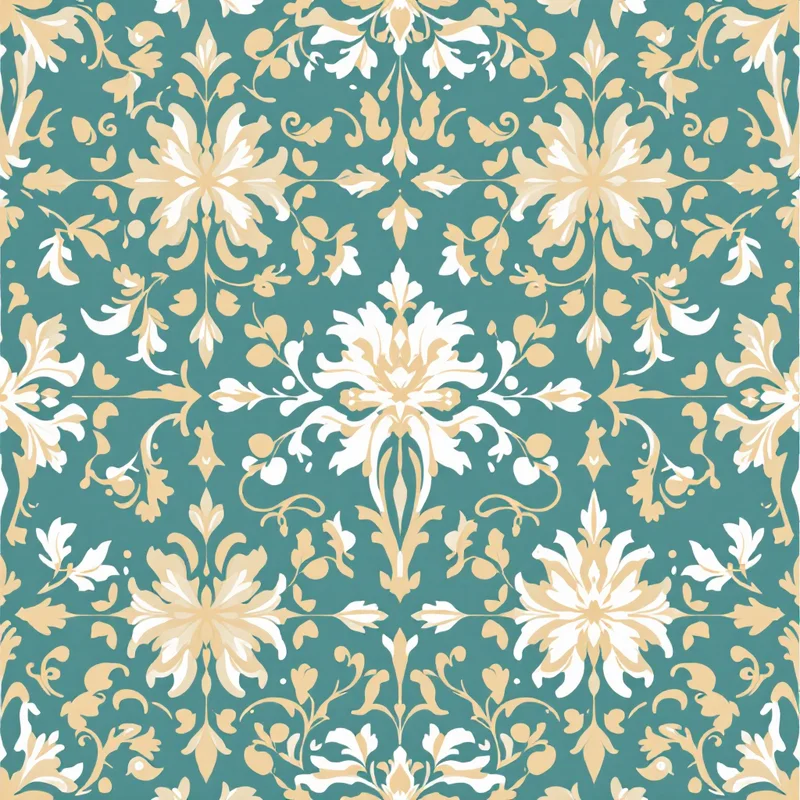
Visually, Italian patterns split into a few clear families. Renaissance damask and brocade rely on tonal layering — a single color worked light against dark so the ornament reads through texture rather than contrast. Terrazzo scatters irregular chips of marble, quartz, and glass across a matte ground, giving a casual, contemporary speckle. Sicilian and Amalfi tile work leans on bold maiolica color and four-way tile symmetry, while Florentine and Venetian ornament favors gilded scrollwork, fleur-like florals, and medallion centers. Each family has a distinct rhythm, but all of them are designed to tile.
Commercial applications
Color is where Italian design earns its reputation. Expect deep Tuscan terracotta and ochre, Pompeian red, olive and cypress green, Mediterranean cobalt and turquoise, warm gold, and the soft cream of aged plaster. Terrazzo palettes run cooler and more playful, mixing pastel chips with charcoal flecks. These combinations photograph beautifully on fabric and ceramic, which is part of why the look keeps returning to fashion runways and interiors seasons after season.
Where to use italian patterns for seamless surface design patterns
Designers reach for Italian patterns because they read as heritage and quality at a glance. On textiles they suit scarves, blouses, upholstery, and cushion covers. In fashion they anchor everything from silk-print dresses to lining fabric and accessories like ties and pocket squares. For interiors they work as wallpaper, tiled splashbacks, rugs, and tabletop ceramics. Packaging and stationery brands use the gilded ornamental styles to signal premium positioning, and the terrazzo family has become a staple for cafe branding, phone cases, and stationery.
Customization & export
In Pattern Weaver you start from a substyle — say Florentine damask or Venetian terrazzo — then tune the result to your product. The density control sets how tightly the ornament or chips pack together, scale shifts the motif from a fine all-over print to a large statement repeat, and the color tools let you swap a traditional terracotta-and-gold scheme for something modern while keeping the structure intact. Every design is generated as a true seamless tile, so it repeats edge to edge with no visible seam.
When the design is right, Pattern Weaver exports it at up to 8K (8192x8192) in the format your workflow needs: PNG for digital mockups and screens, TIFF for fabric printing and high-resolution production, and PDF for print-ready handoff to manufacturers. That means a single Italian pattern can move from a wallpaper sample to a full upholstery run to a packaging wrap without you redrawing a thing.