Design characteristics
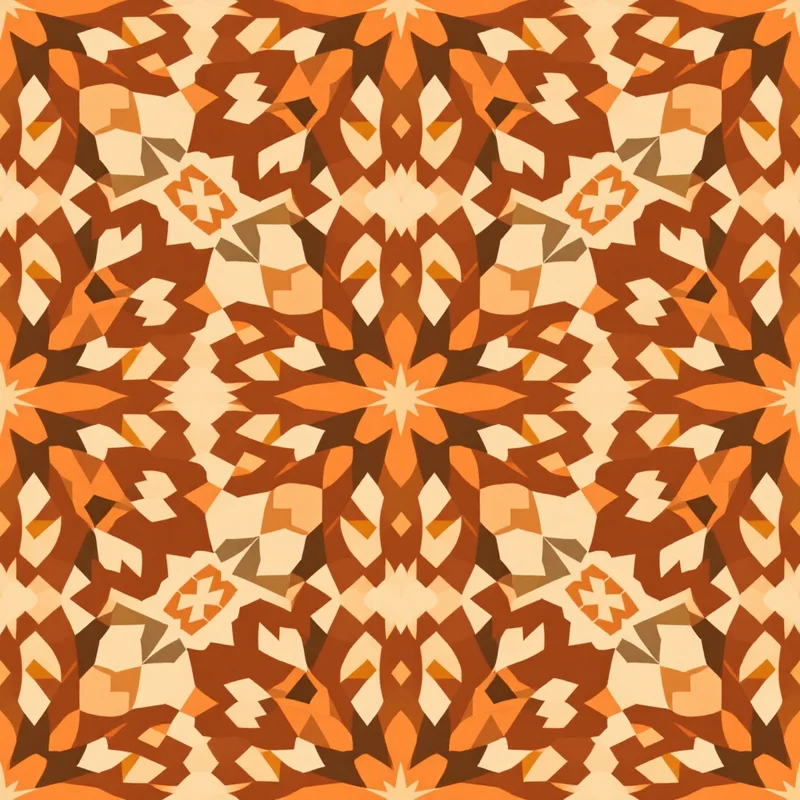
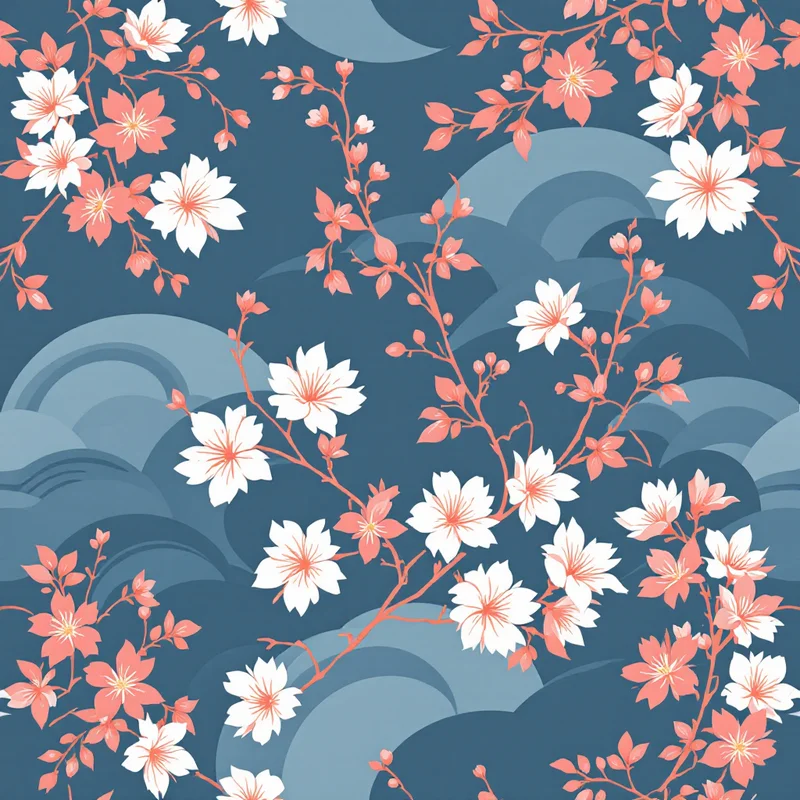
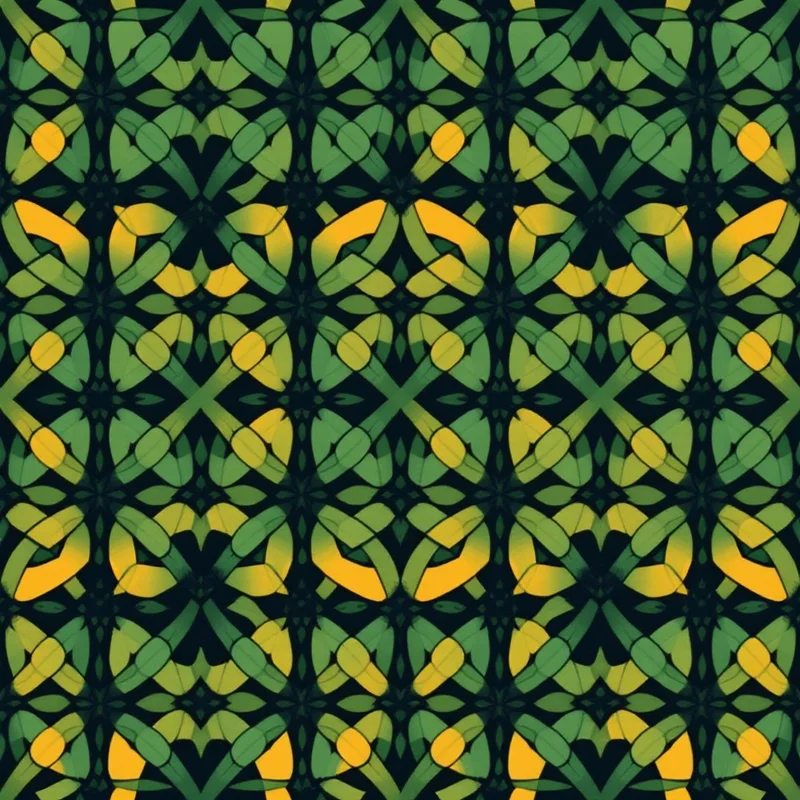
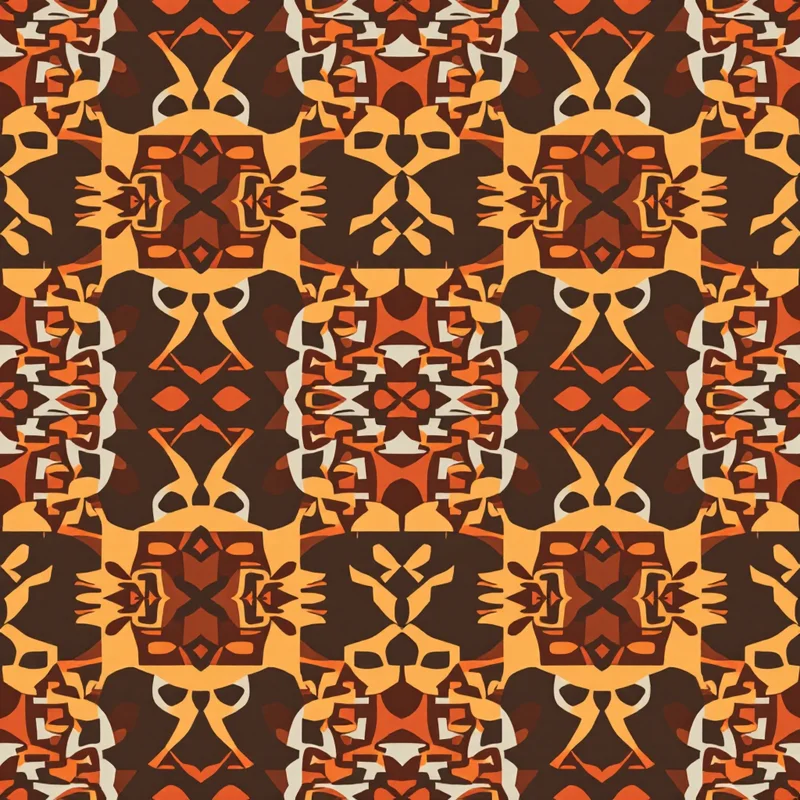
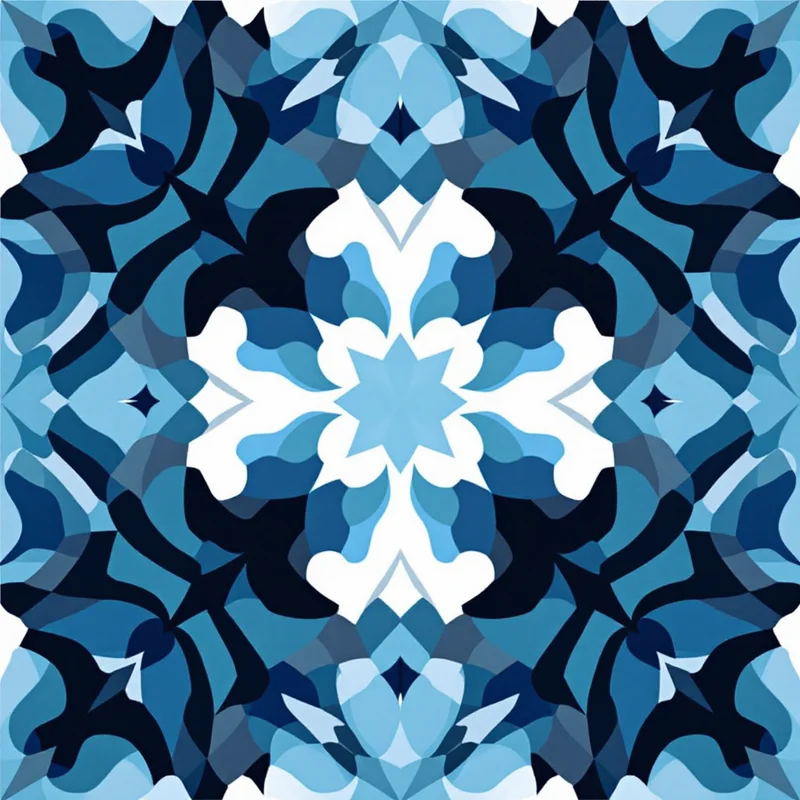
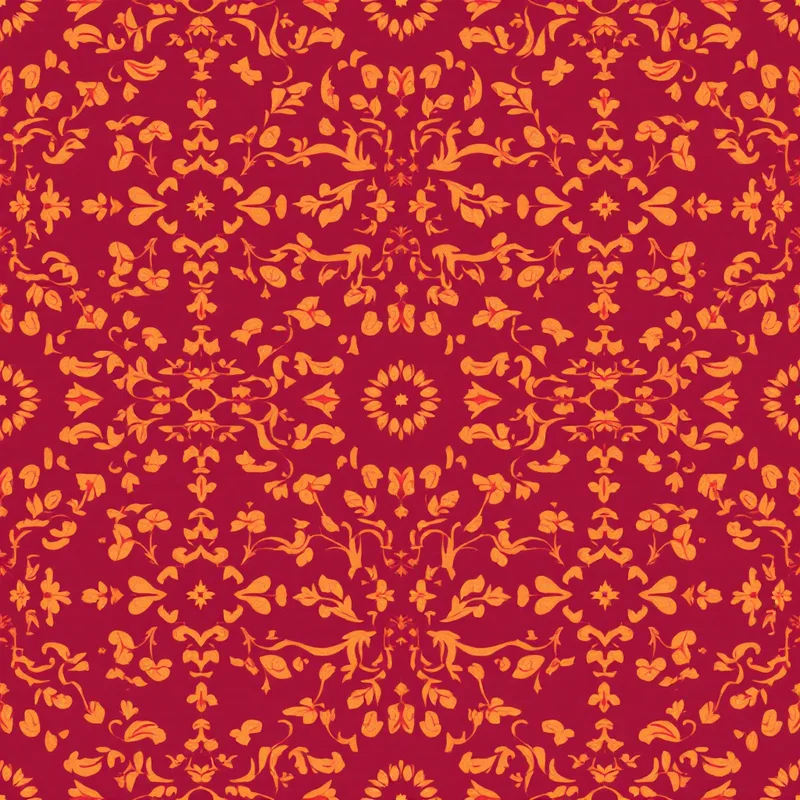
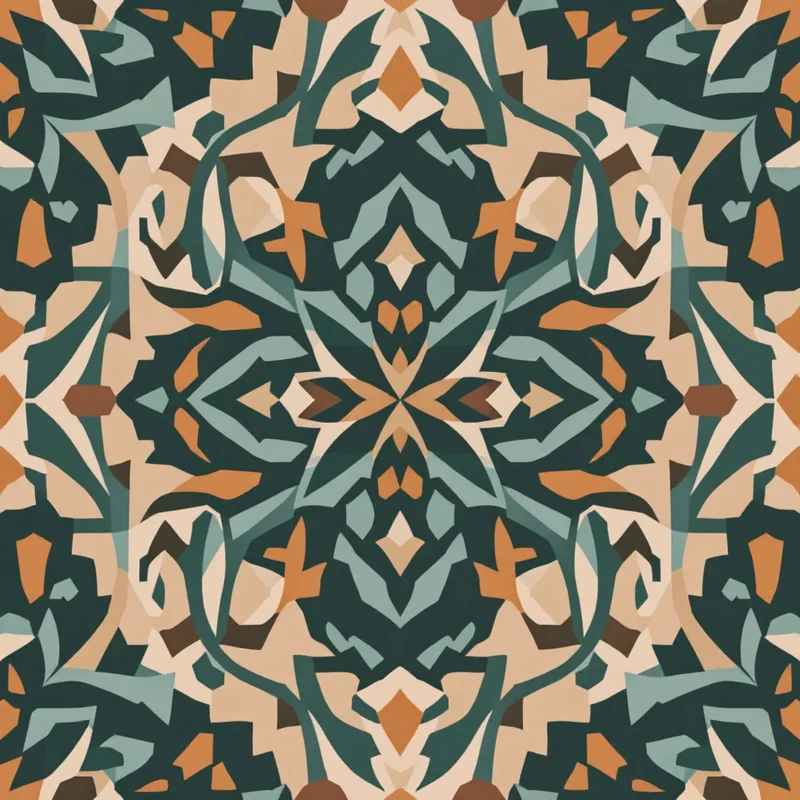
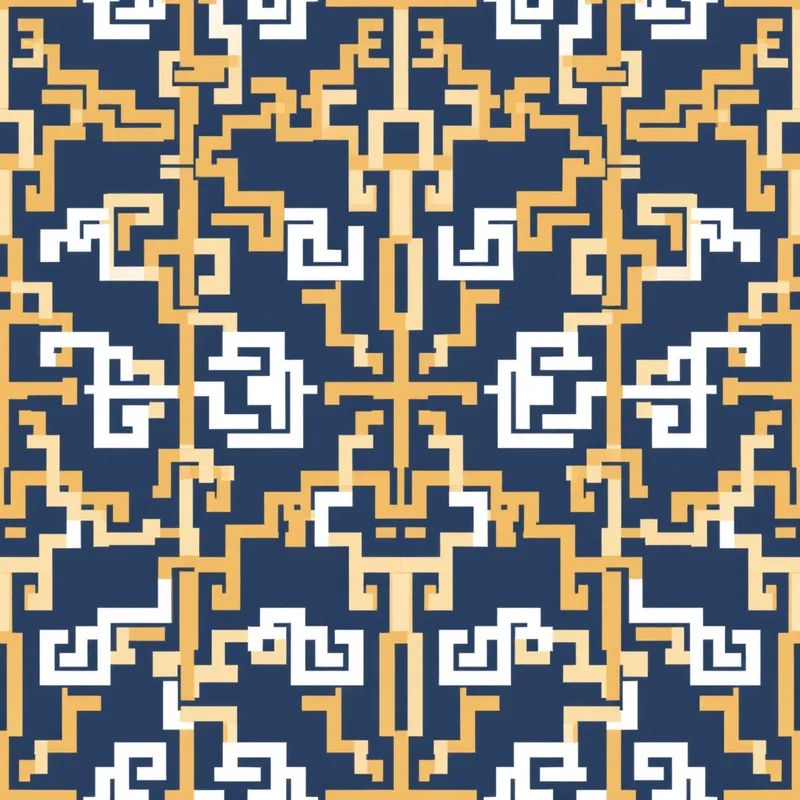
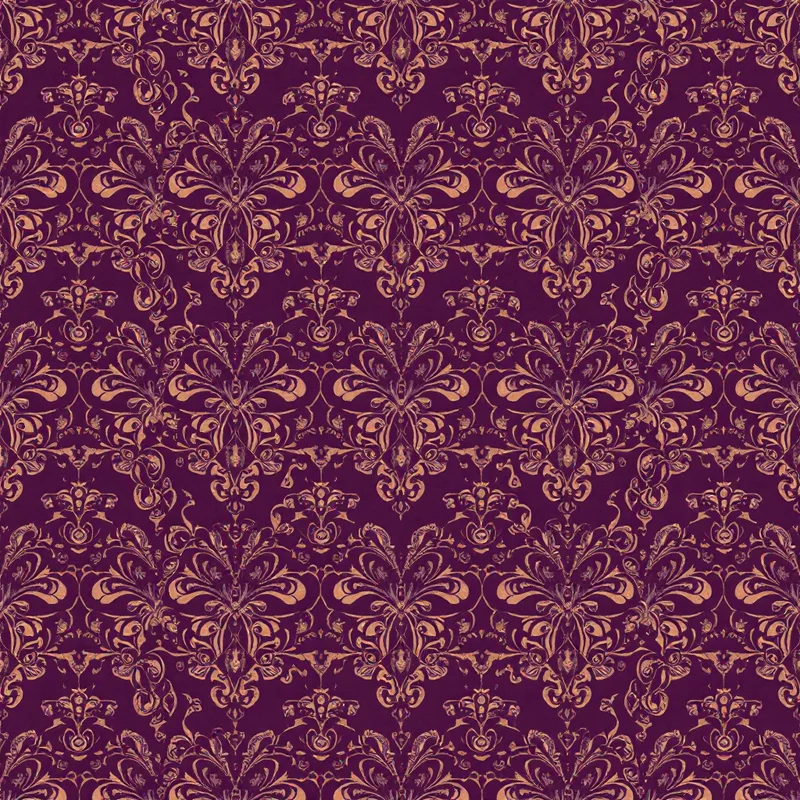
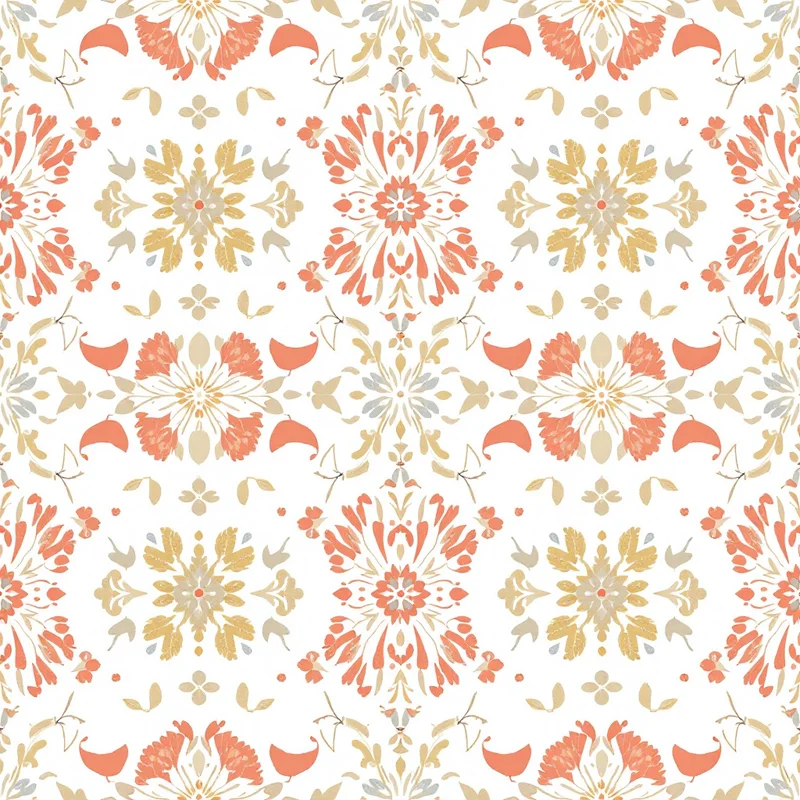
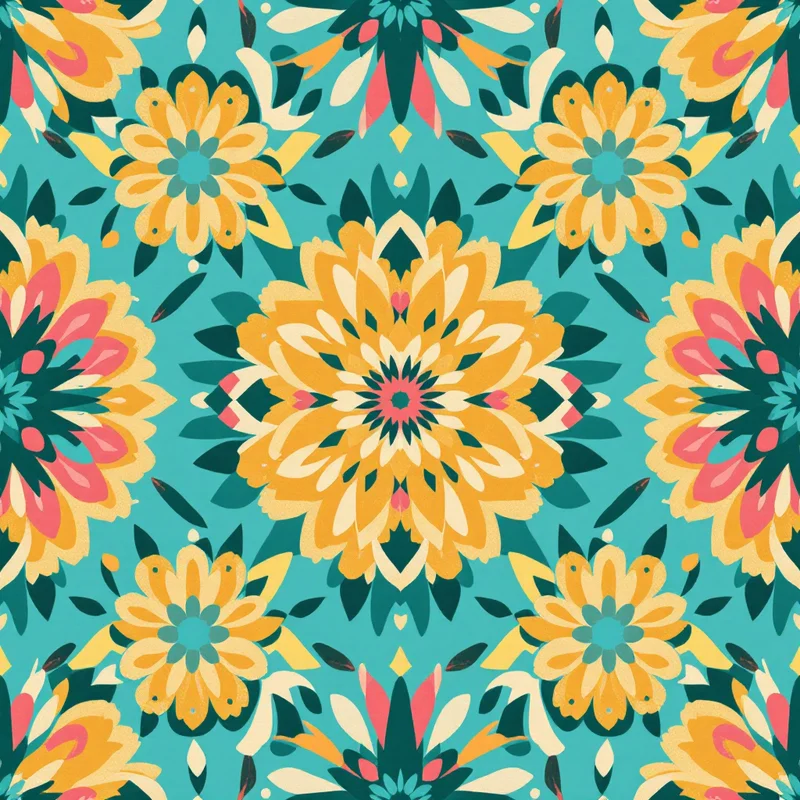
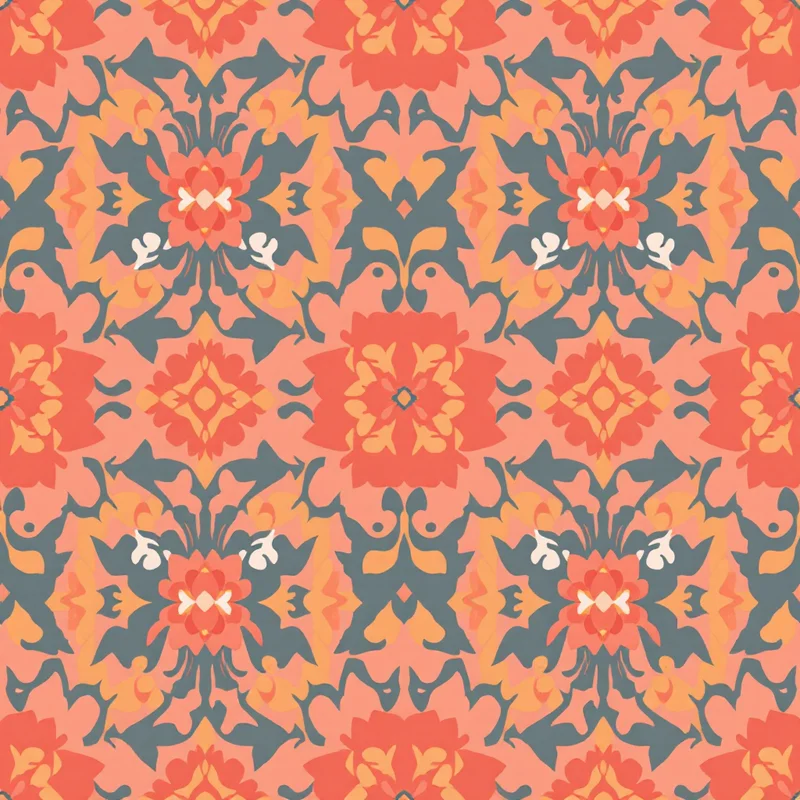
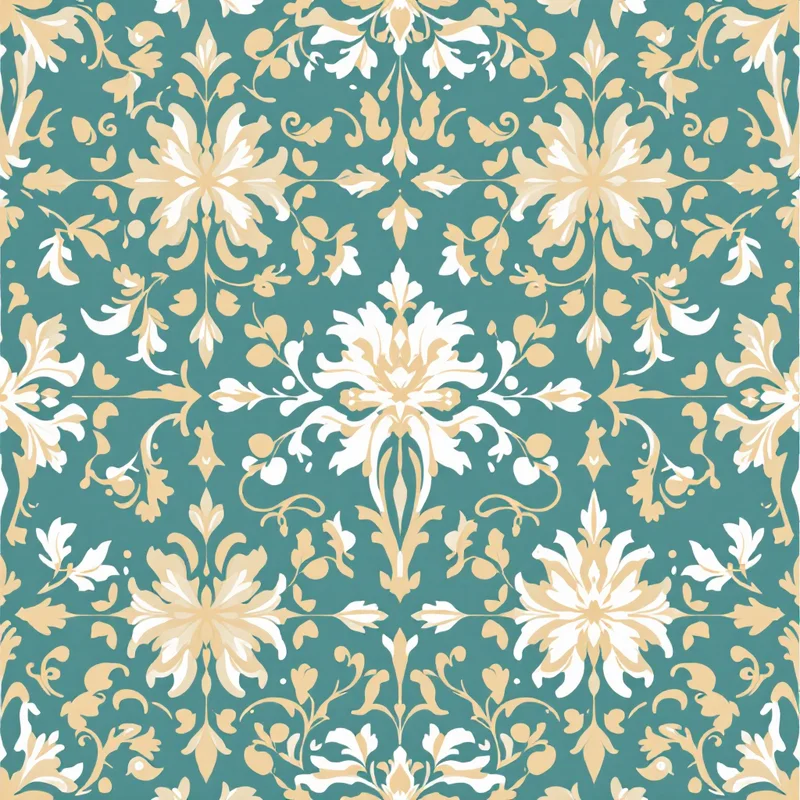
The motif vocabulary is rich and recognizable. Zellige mosaic from Morocco breaks color into hand-cut chips; girih strapwork from Persia draws white lines over a colored ground; Iznik tile from Ottoman Turkey adds tulips, carnations and saz leaves in cobalt and turquoise; muqarnas honeycomb hints at three-dimensional vaulting. Color palettes lean on cobalt and lapis blue, turquoise, emerald green, terracotta, ochre, and crisp white, frequently lifted with gold leaf accents. The geometry is symmetrical and modular by nature, which is exactly why it converts so cleanly into a seamless repeat.
Commercial applications
Designers reach for islamic tile patterns because the math does the heavy lifting. A single star-and-cross unit can fill an entire wall, a scarf, or a phone case with no visible seam, and the symmetry reads as premium and intricate at any zoom level. The style carries cultural depth and a handcrafted feel while staying abstract enough for broad, modern use, so it suits both heritage-inspired collections and contemporary minimalist ranges that just want a strong geometric backbone.
Where to use islamic tile patterns generator patterns
These patterns travel well across products. On textiles they print onto cushions, table linen, prayer mats, kaftans, kimono fabric and upholstery; in fashion they wrap scarves, ties, swimwear and lining silks. Interior teams use them for encaustic-look floor tiles, ceramic splashbacks, wallpaper and rugs, while packaging and branding studios apply them to tea tins, soap boxes, cosmetics and gift wrap. Smaller accessories such as notebooks, ceramics, tote bags and jewelry boxes benefit from the dense, jewel-toned detail.
Customization & export
With Pattern Weaver you describe the look and the studio compiles it into a true seamless tile. Dial density from an airy single-medallion layout to an edge-to-edge mosaic, set the scale so the stars read large on a rug or fine on a tie, and recolor the whole palette to match a brand from classic cobalt-and-white to muted earth tones. Every result is generated as a clean repeat, so it stages into mockups and production files without hand-fixing the edges.
When the design is right, Pattern Weaver exports it at up to 8K (8192x8192) in PNG, JPG, WEBP, TIFF, PDF and SVG. Use TIFF or print-ready PDF for fabric mills and tile manufacturers, PNG for digital and web use, and SVG when you need crisp vector geometry that scales without softening the strapwork. Free, Starter, Pro and Max plans cover everything from a first test tile to full commercial production runs.