Design characteristics
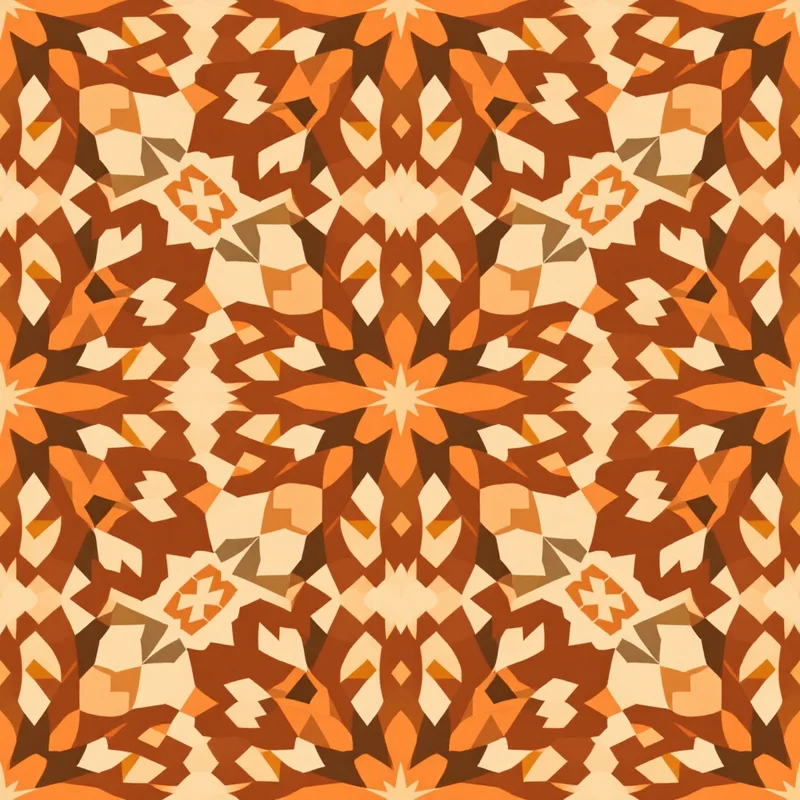
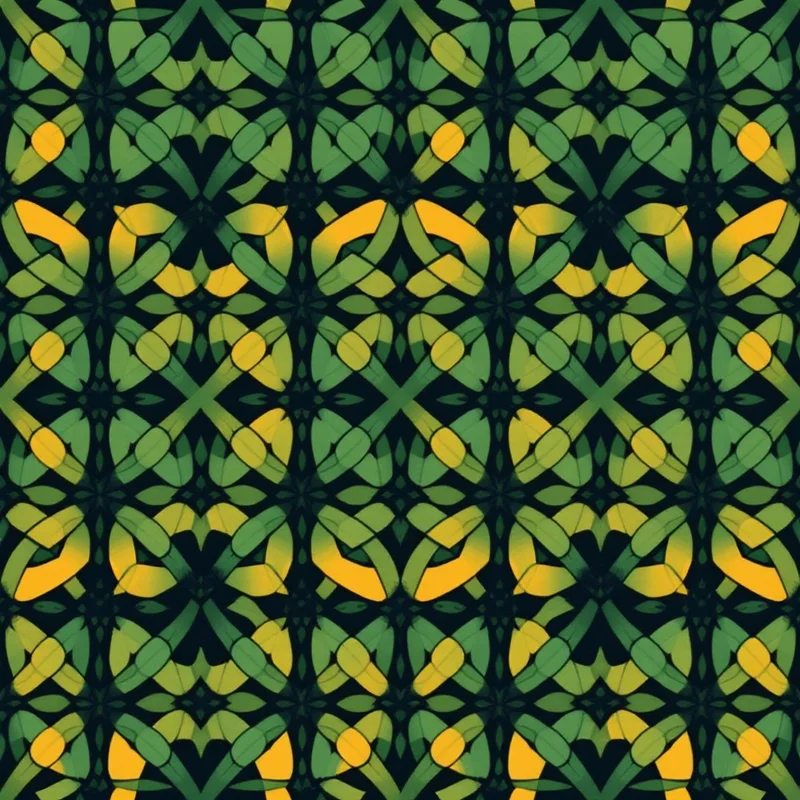
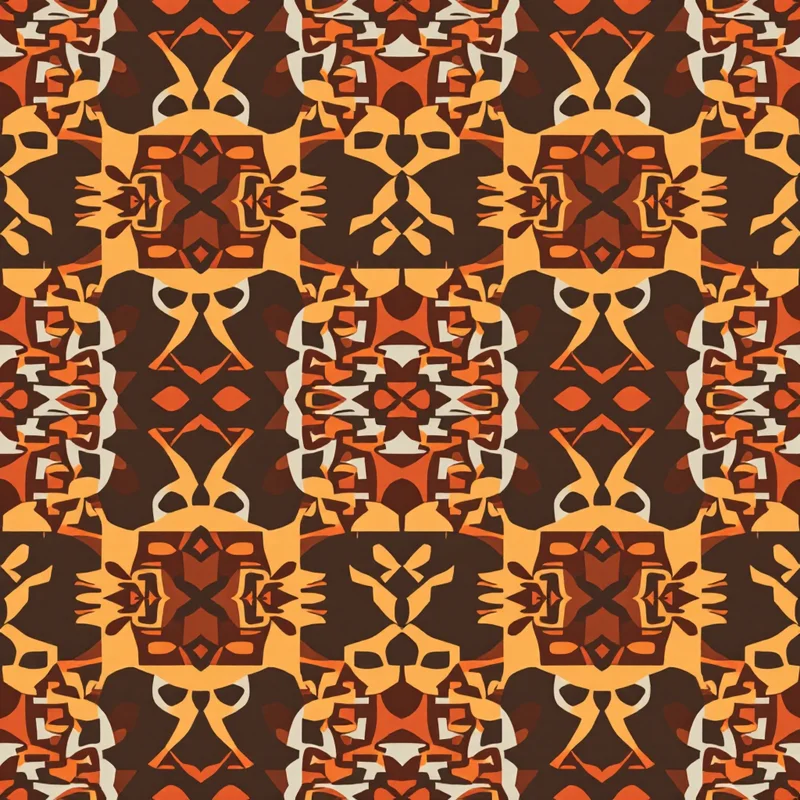
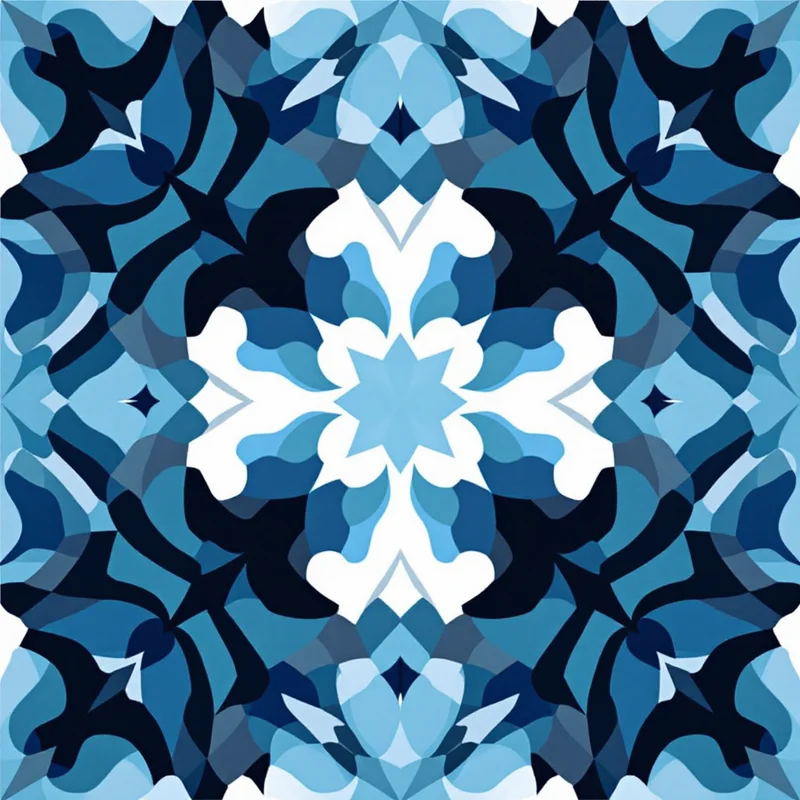
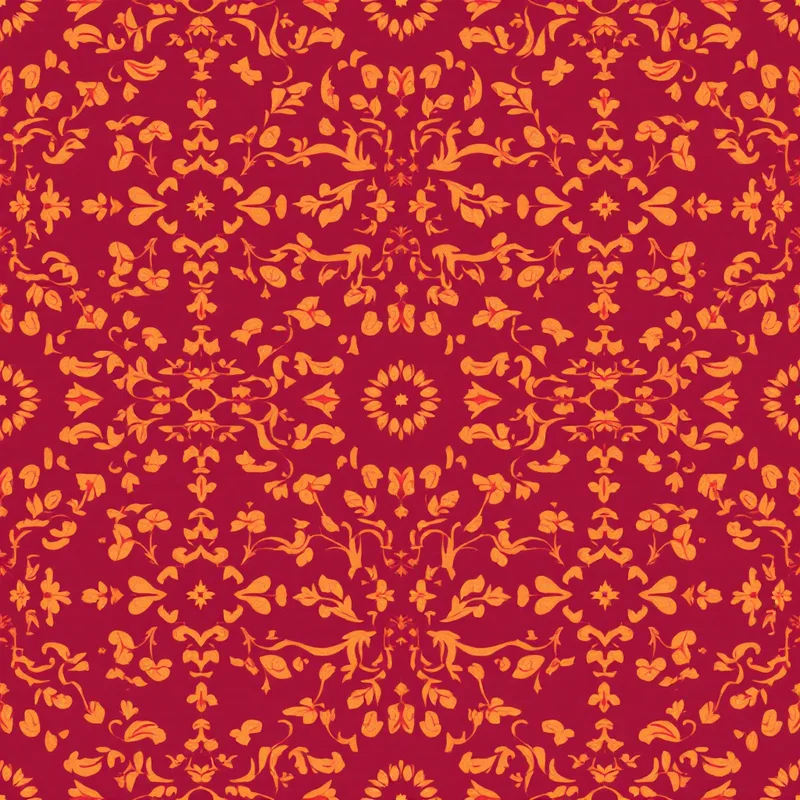
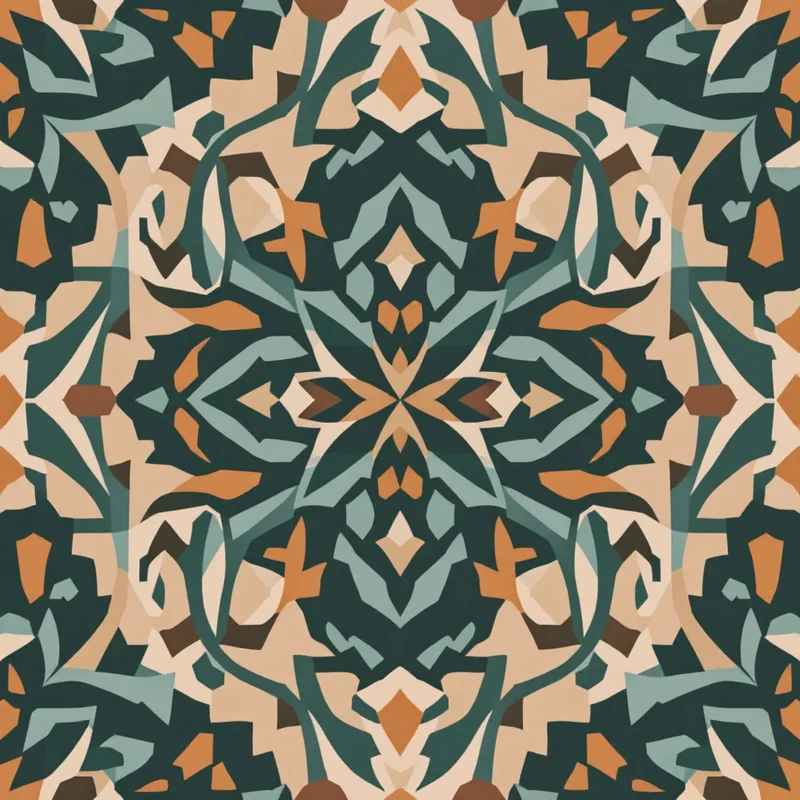
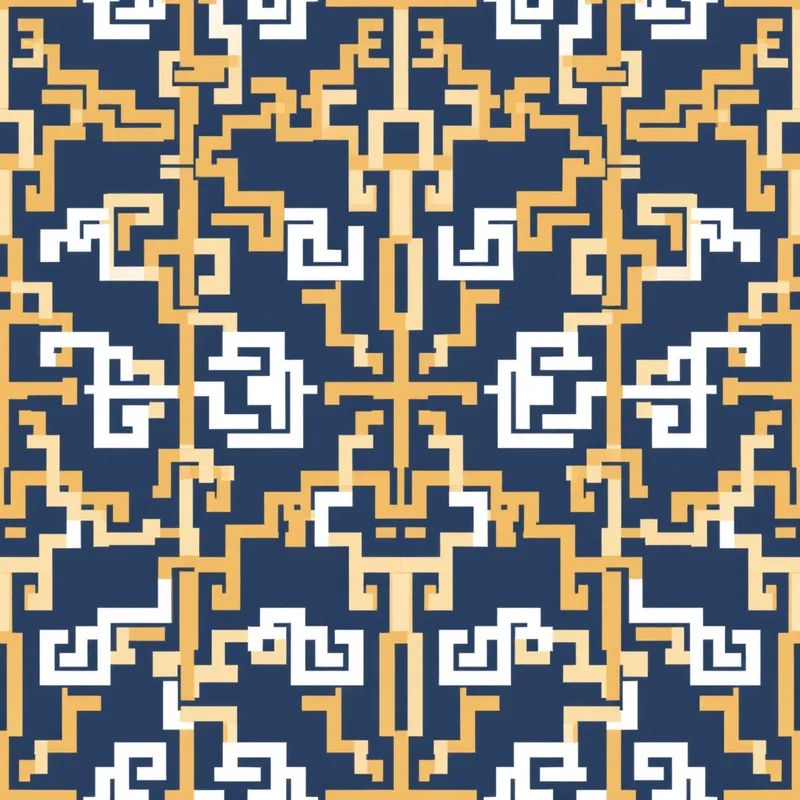
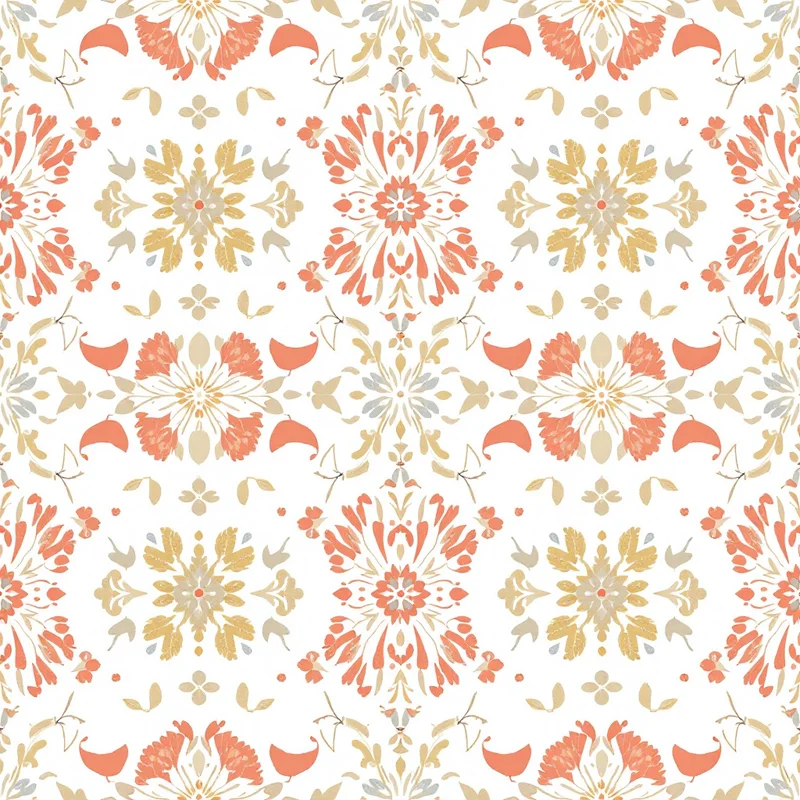
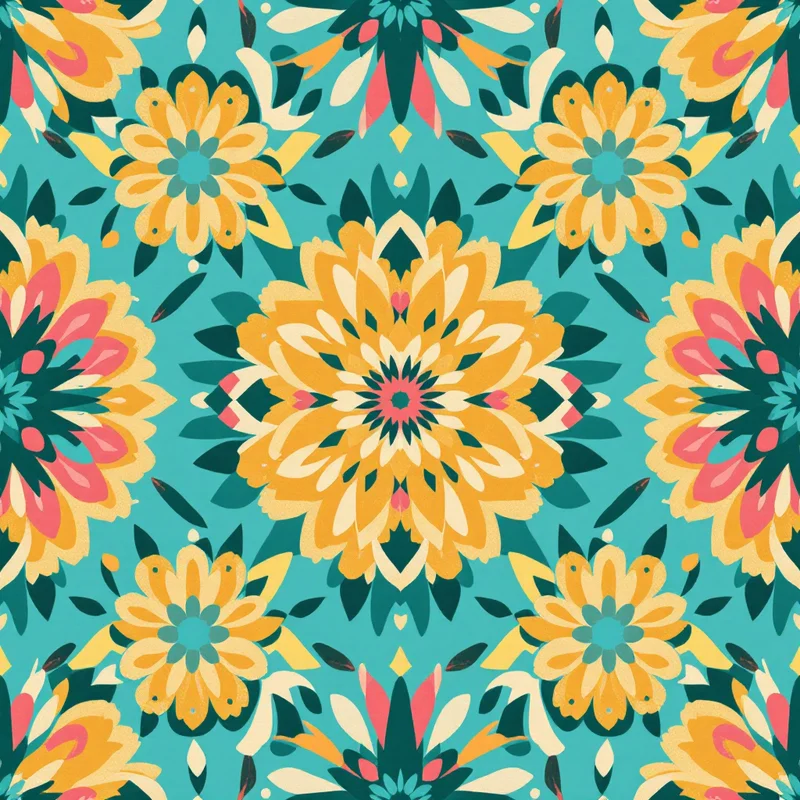
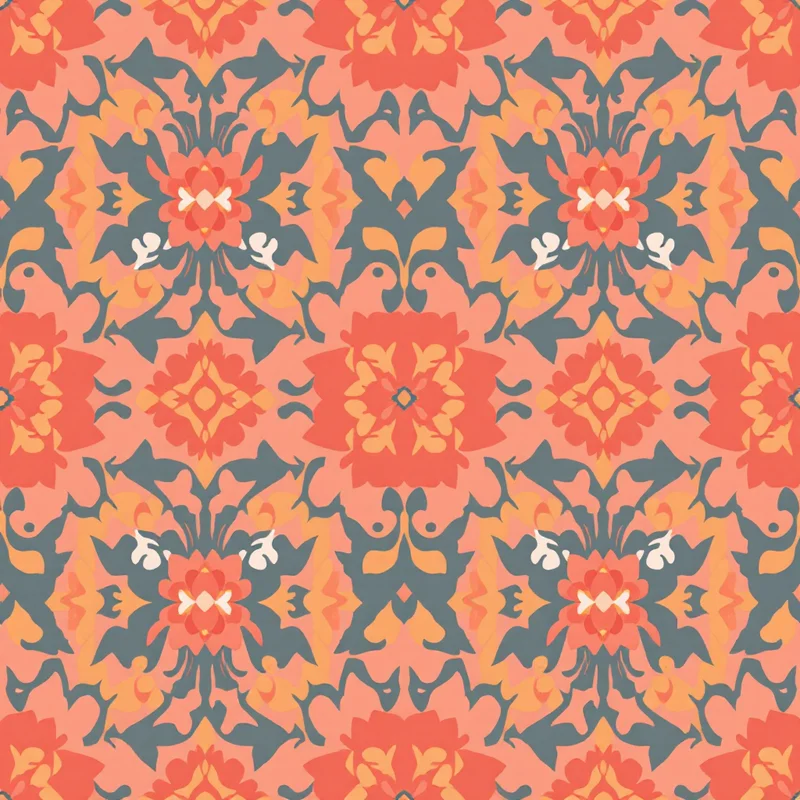
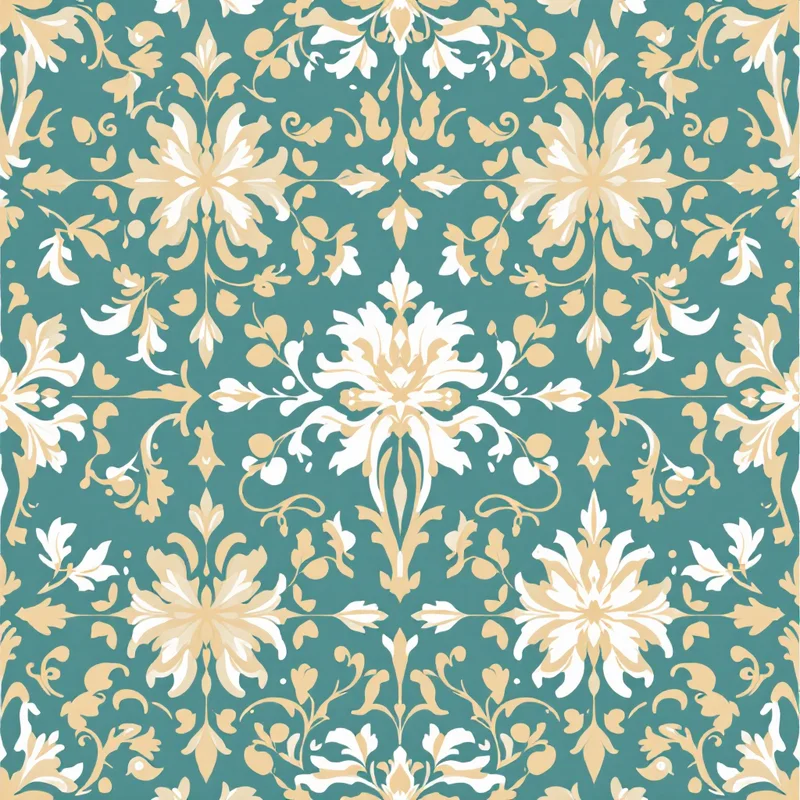
The color story is just as recognizable. Traditional Andean textiles relied on natural dyes, so the palette leans into terracotta and burnt sienna, ochre and mustard yellow, deep indigo, forest and emerald green, and the famous cochineal reds drawn from insects. High-contrast pairings against cream, charcoal, or black ground give the patterns their punchy, graphic energy, while alpaca and llama fiber lent the originals a warm, slightly textured surface that modern prints can echo. Many compositions also work in a single accent color, letting the geometry carry the whole design on its own, and the symmetry of the motifs means a mirrored or rotated layout reads as intentional rather than busy.
Commercial applications
Designers reach for inca patterns when they want something that reads as crafted and culturally grounded rather than mass-produced. The bold geometry photographs well at small and large scale, holds up in single-color or full-color treatments, and carries a sense of heritage and storytelling that flat trend graphics lack. Because the motifs are modular, they tile predictably, which makes them a reliable choice for repeating surfaces where a visible seam would break the spell. They also pair naturally with plain blocks of color, so a single tile can anchor an entire collection of coordinated solids and borders.
Where to use inca patterns patterns
These designs move easily across products. On apparel they suit ponchos, knit sweaters, scarves, swim shorts, and sneaker panels; in home decor they cover cushions, throws, rugs, table runners, and ceramic glazes. Interior brands use them for accent wallpaper and upholstery, while packaging and branding teams apply them to coffee, chocolate, and artisan-goods labels that want an authentic Andean cue. Smaller-scale versions work beautifully on accessories like tote bags, phone cases, journals, and enamel pins, where the fine tocapu grid adds detail without crowding the surface.
Customization & export
Inside the studio you control every variable that matters. Dial the density up for a dense woven feel or down for clean, breathing bands; rescale the motifs from tiny tocapu grids to oversized stepped diamonds; and recolor the whole composition from authentic cochineal-and-indigo schemes to modern monochrome or pastel reinterpretations. Pattern Weaver compiles your choices into a true seamless tile, so the repeat lines up edge to edge with no manual patching, and you can regenerate variations until the balance of motif and ground feels right.
When the design is right, export it at up to 8K resolution (8192x8192) in the format your workflow needs, including PNG for digital mockups, TIFF for print production, and PDF for sending to manufacturers. Pattern Weaver keeps the geometry crisp at large sizes, so your inca patterns stay sharp whether they wrap a small coffee bag, print across a bolt of upholstery fabric, or repeat across a full wall of statement wallpaper.