Design characteristics
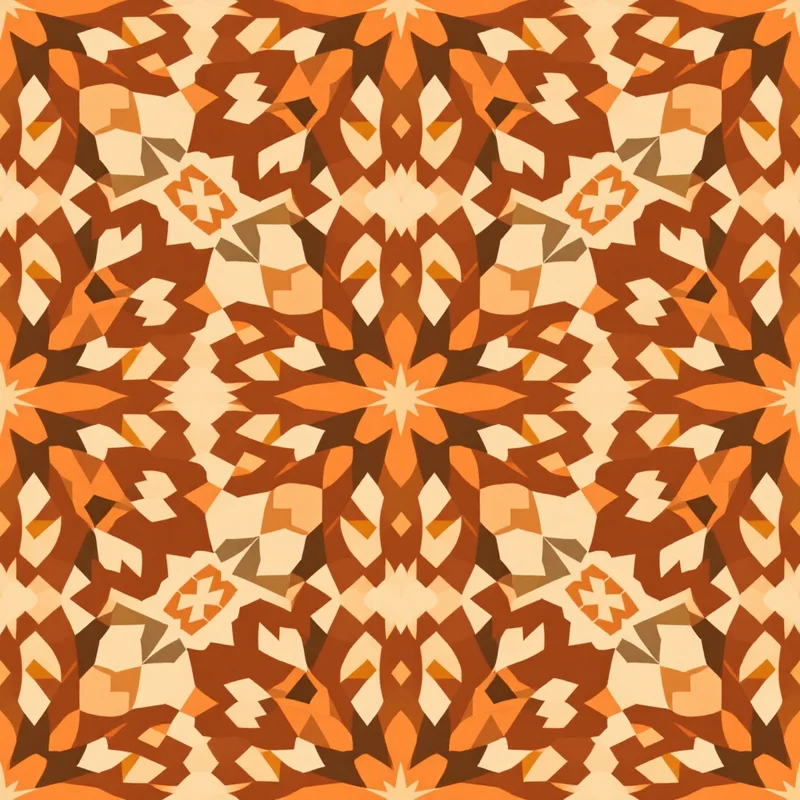
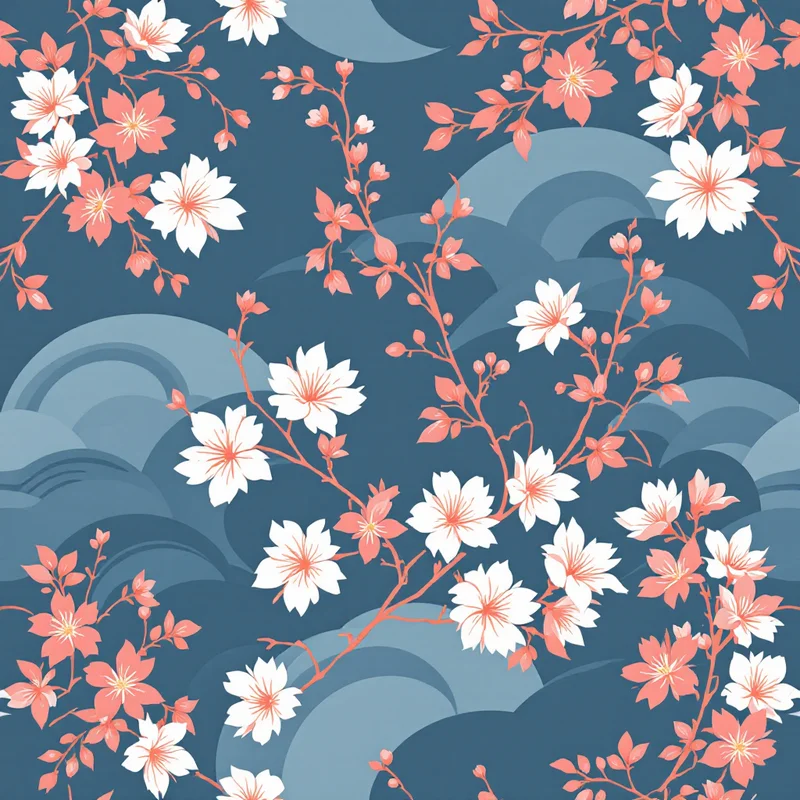
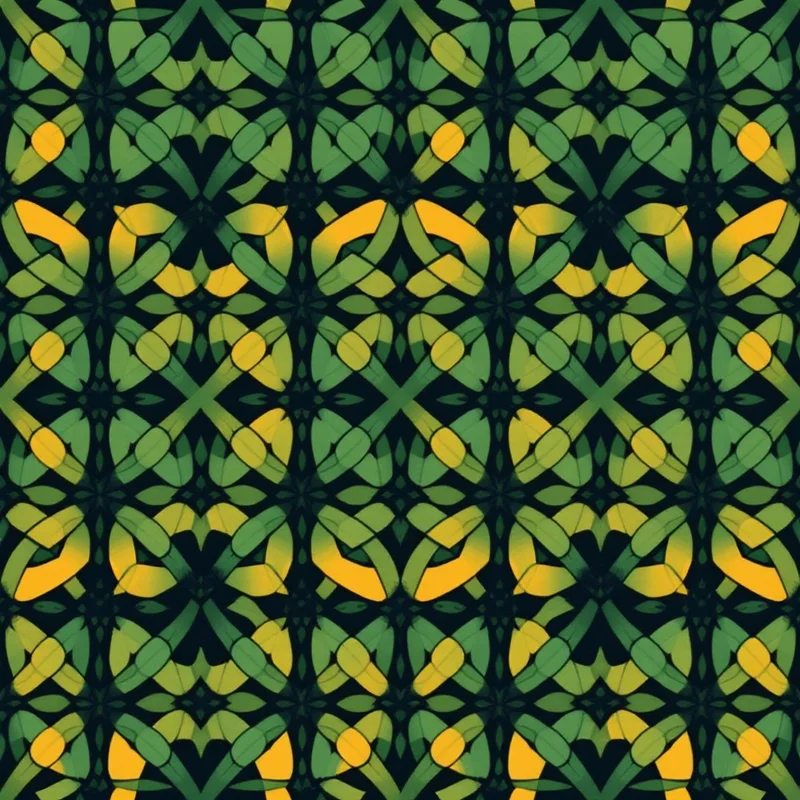
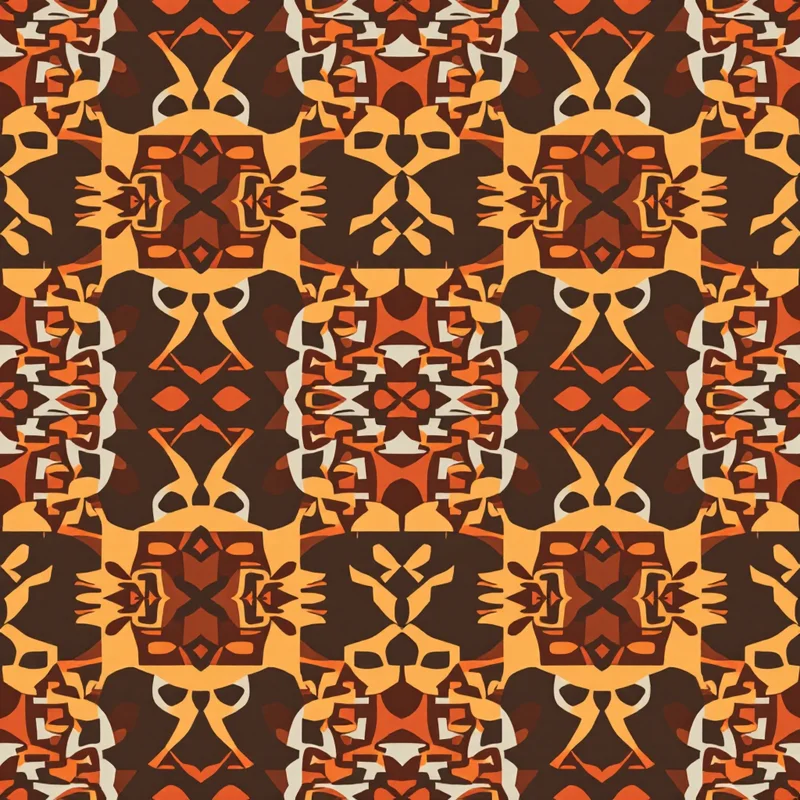
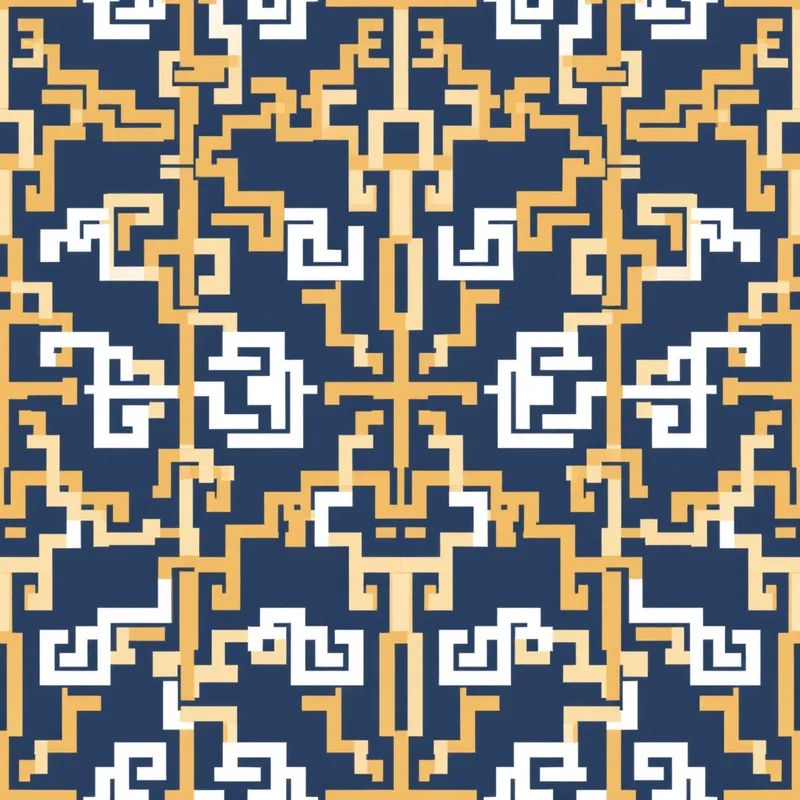
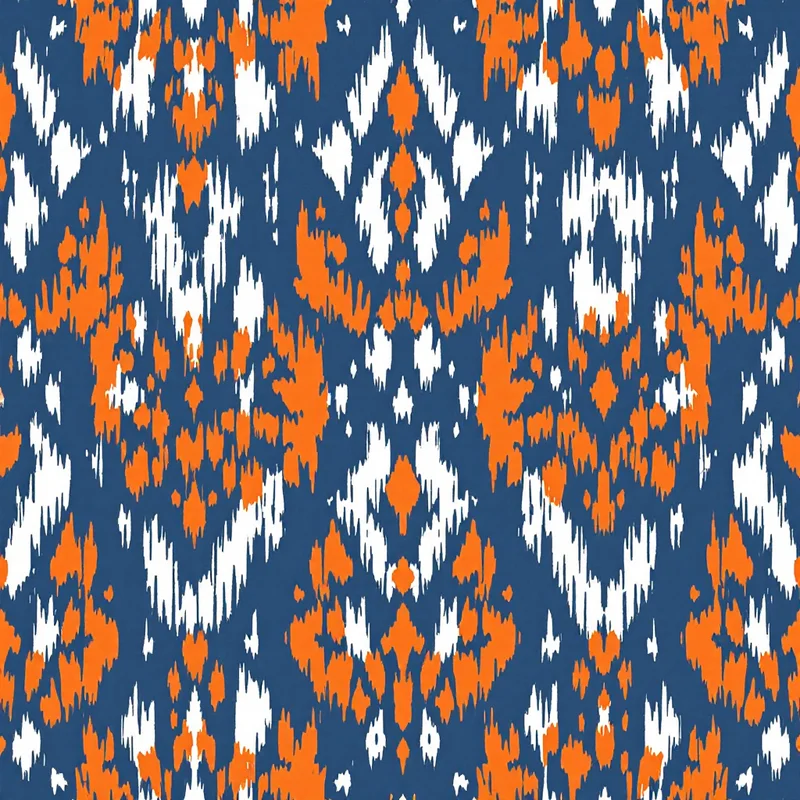
Three construction techniques shape the visual hallmarks. Reverse applique builds motifs by cutting through stacked layers of fabric and folding the edges under, producing crisp outlines and sharp inner corners. Counted cross-stitch fills the surface with tiny X-shaped units that resolve into stars, dogs' paws, elephant feet, and seed patterns when seen from a distance. Batik, practiced especially by the White and Flower Hmong, uses beeswax drawn with a metal pen to resist indigo dye, leaving fine pale lines, dotted fields, and wandering scrollwork on a deep blue ground. Each technique carries its own palette and rhythm, which is why a good Hmong design system needs to switch between them cleanly.
Commercial applications
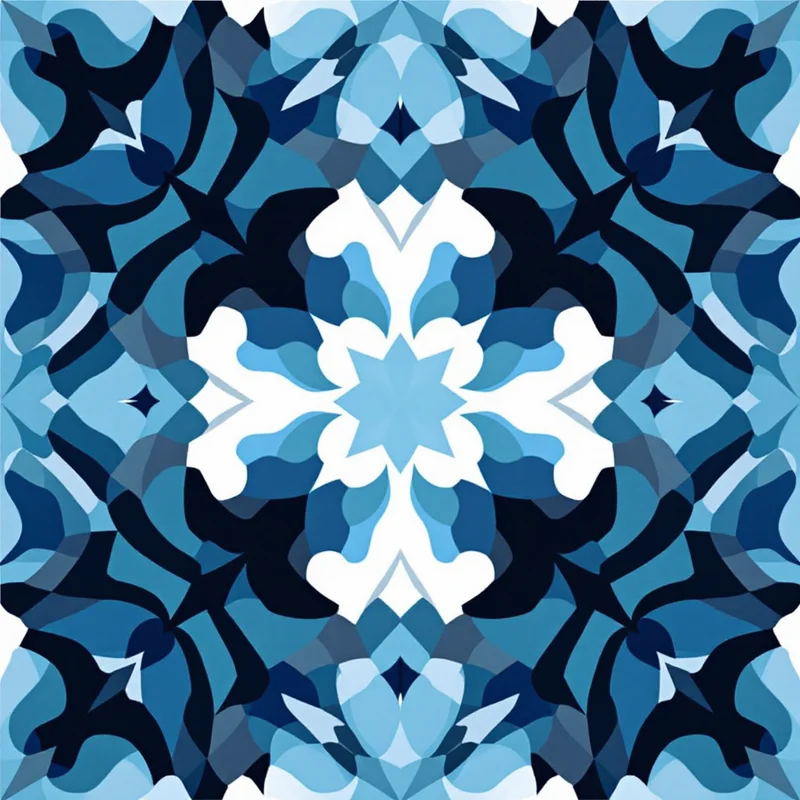
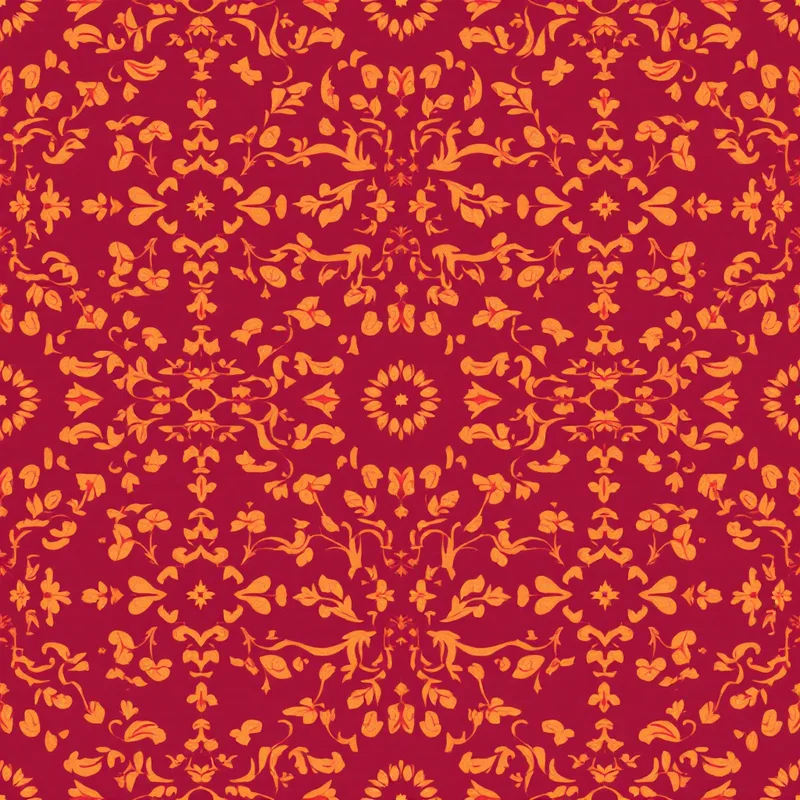
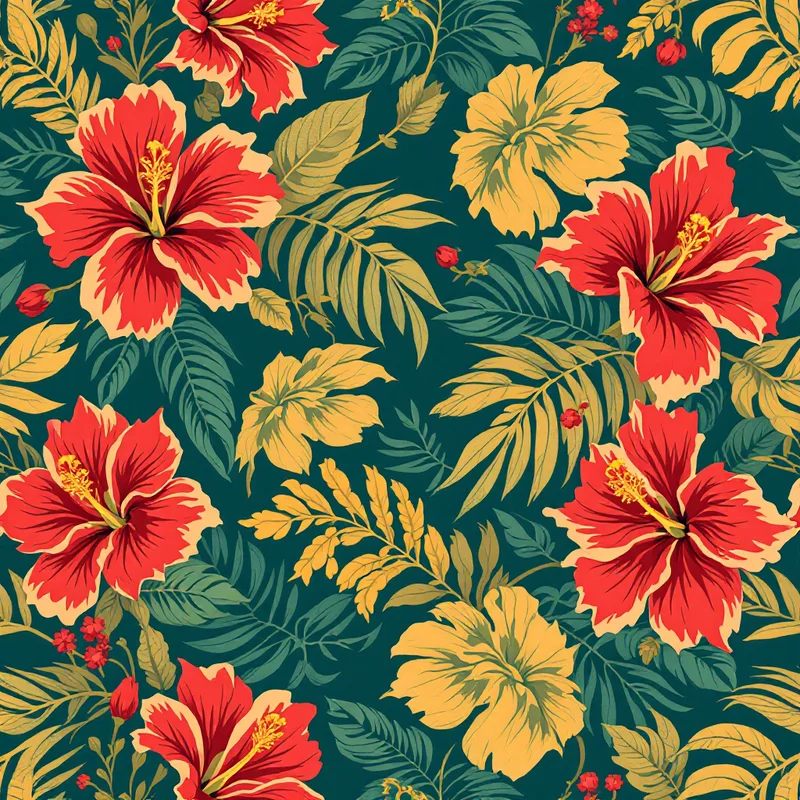
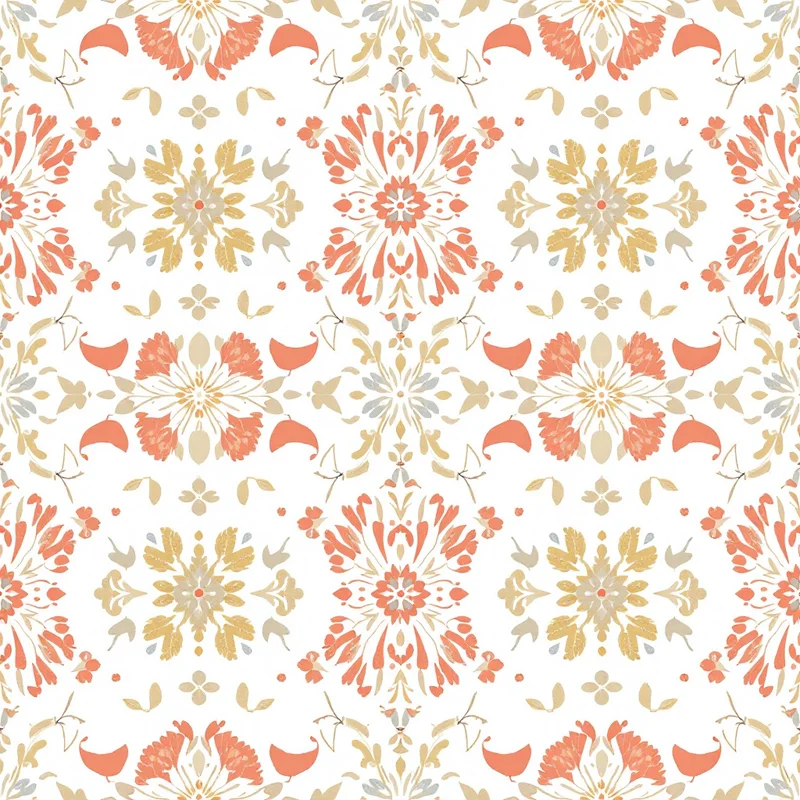
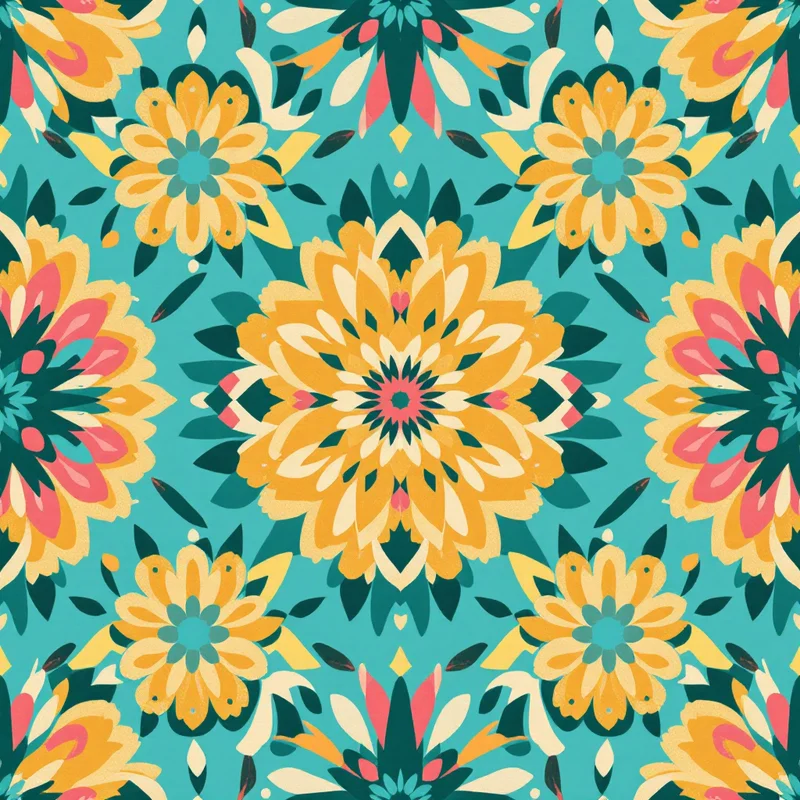
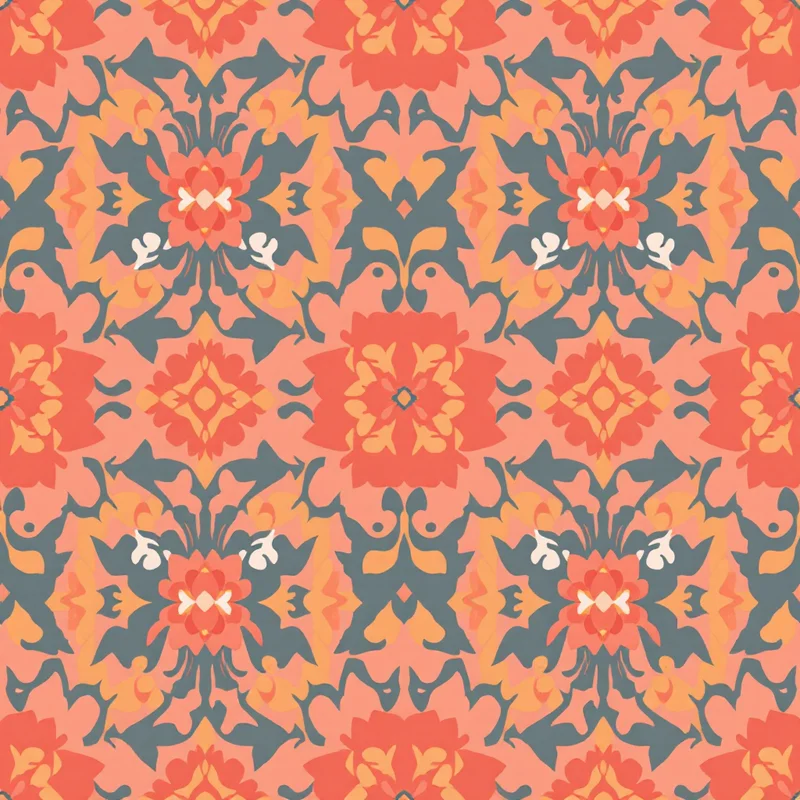
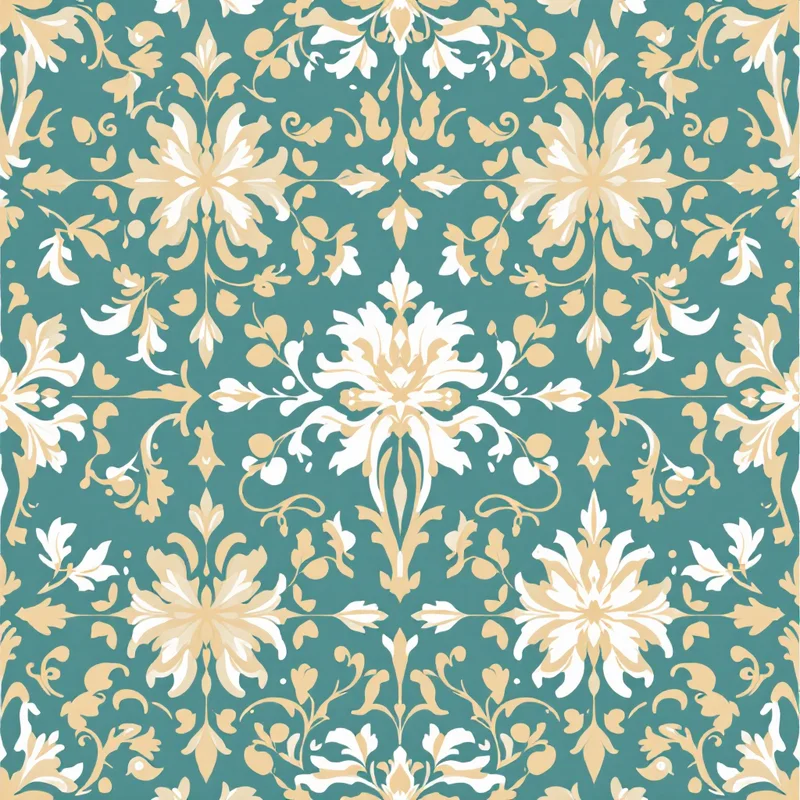
Color is where these patterns earn their reputation. Indigo and white form the batik foundation, while embroidered pieces explode into hot pink, magenta, lime, orange, royal blue, and yellow set against black. The brilliance is deliberate: high-contrast borders frame each motif block so the geometry stays legible even at small scale. Designers reach for Hmong patterns precisely because that built-in contrast survives shrinking onto a label or expanding across a wall without turning to mud.
Where to use hmong patterns for textiles, fashion & surface design patterns
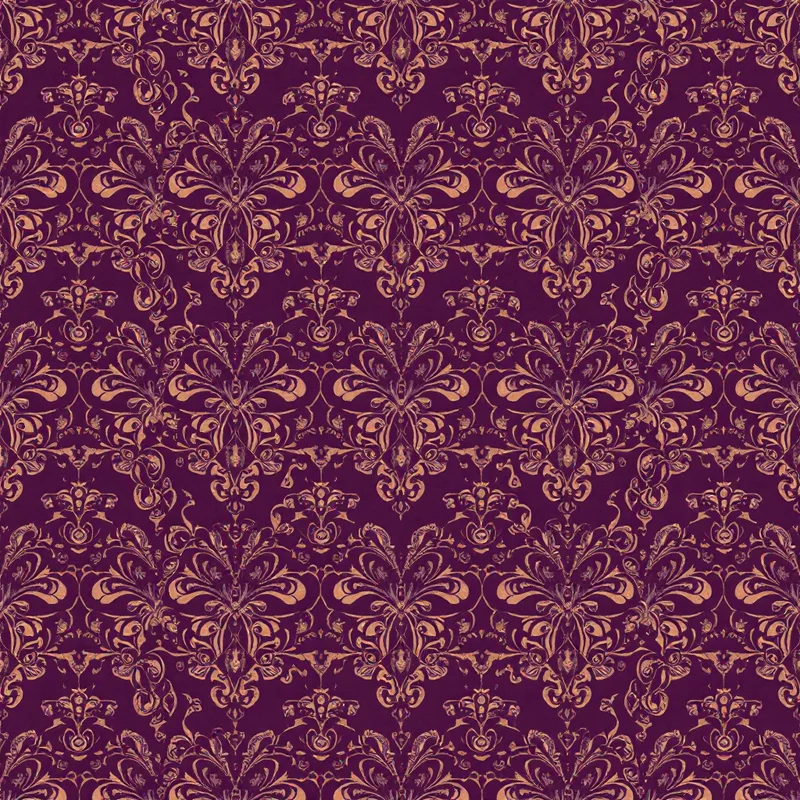
Commercially, the motifs translate across a wide range of products. They suit apparel and accessories such as scarves, tote bags, kimono panels, and trim tape; soft furnishings like cushions, table runners, quilts, and upholstery; wallpaper and feature walls; stationery, gift wrap, and packaging that wants a craft-forward identity; and ceramics or enamelware where the bordered blocks frame a surface neatly. Because the designs are modular by nature, they tile beautifully and can be cropped to any aspect ratio without breaking the repeat.
Customization & export
With Pattern Weaver you steer all of this through the studio. Pick a substyle, set the density slider so motifs read sparse and airy or packed wall-to-wall, dial the scale up for bold statement panels or down for fine all-over print, and lock a palette to indigo-and-white batik or to a saturated festival mix. The AI engine keeps the geometry seamless so tiles join with no visible seam. When the design is right, export up to 8K (8192x8192) in PNG for digital mockups, TIFF for high-resolution textile printing, or vector-clean PDF for large-format work, plus JPG, WEBP, and SVG when you need them.
Pattern Weaver also makes iteration fast: regenerate variations to compare a cross-stitch star field against a batik spiral, recolor an indigo motif into brights for a kids' line, or scale a single block into a coordinated set of repeats for a full collection. That lets studios move from a heritage reference to a print-ready, on-brand family of patterns without leaving the browser.