
Design characteristics
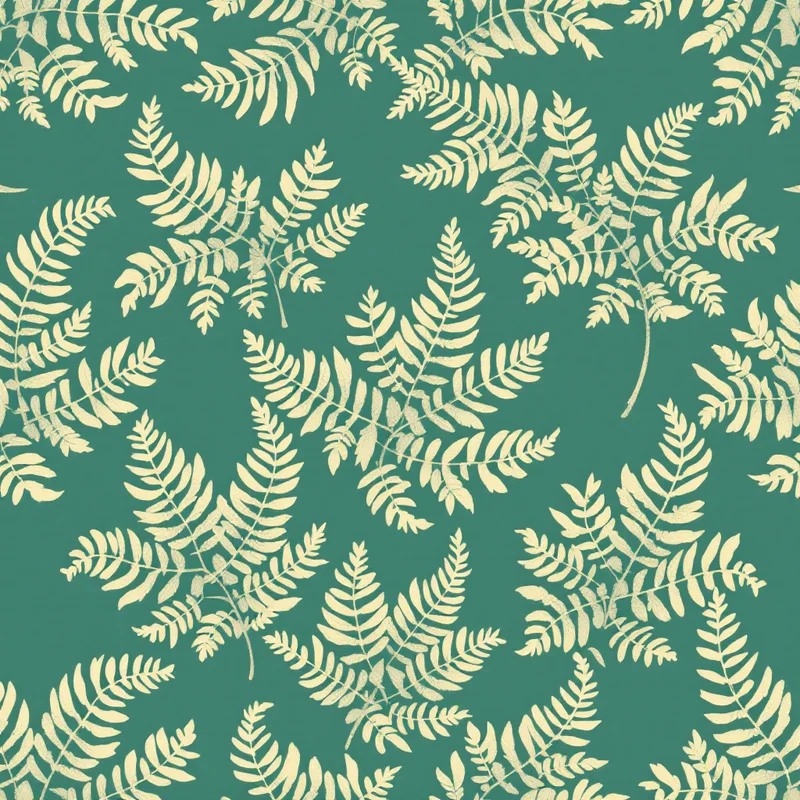
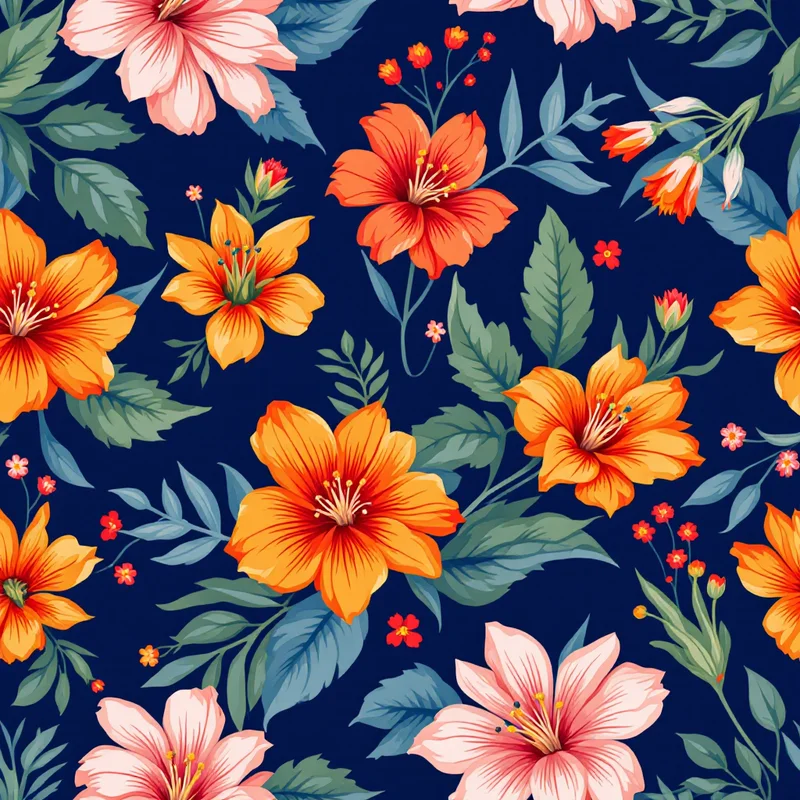
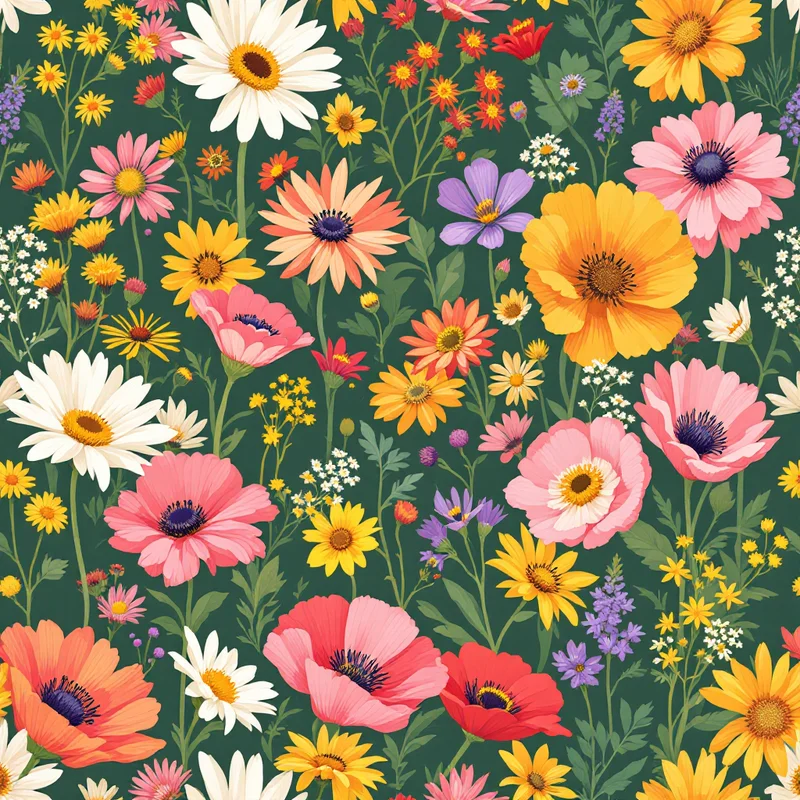
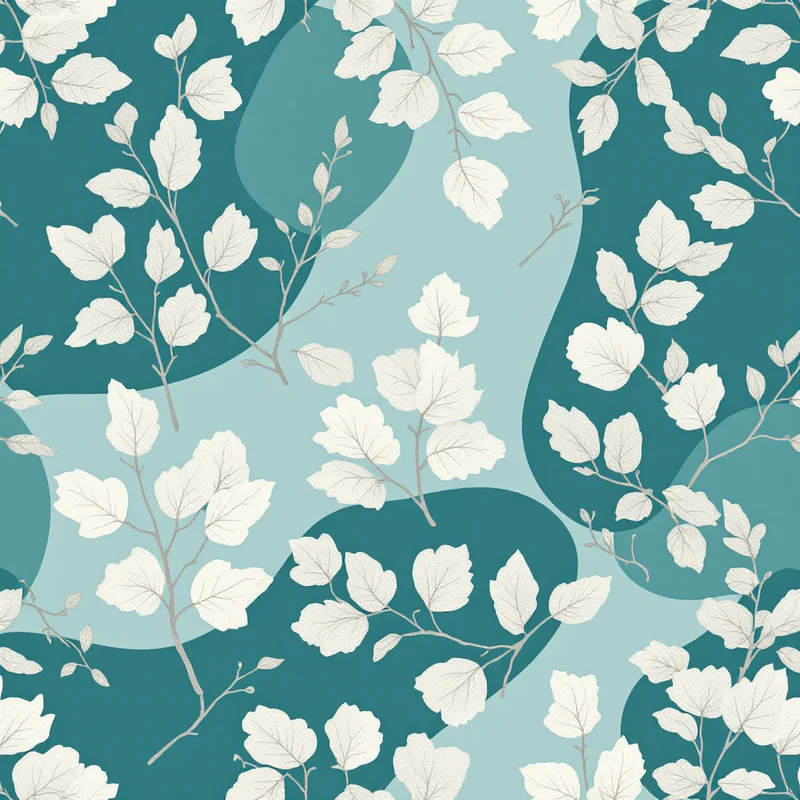
The flower's design history runs through Hawaiian aloha shirts, Polynesian tapa cloth, and mid-century resort wear, where it became shorthand for paradise and vacation ease. That heritage is why hibiscus motifs still feel celebratory rather than purely decorative. Classic palettes lean into hot coral, scarlet red, sunset orange, and fuchsia pink against deep jungle green, though designers also pull it into softer territory with blush, peach, and cream for a more refined botanical look, or into navy and ink black grounds for after-dark drama.
Commercial applications
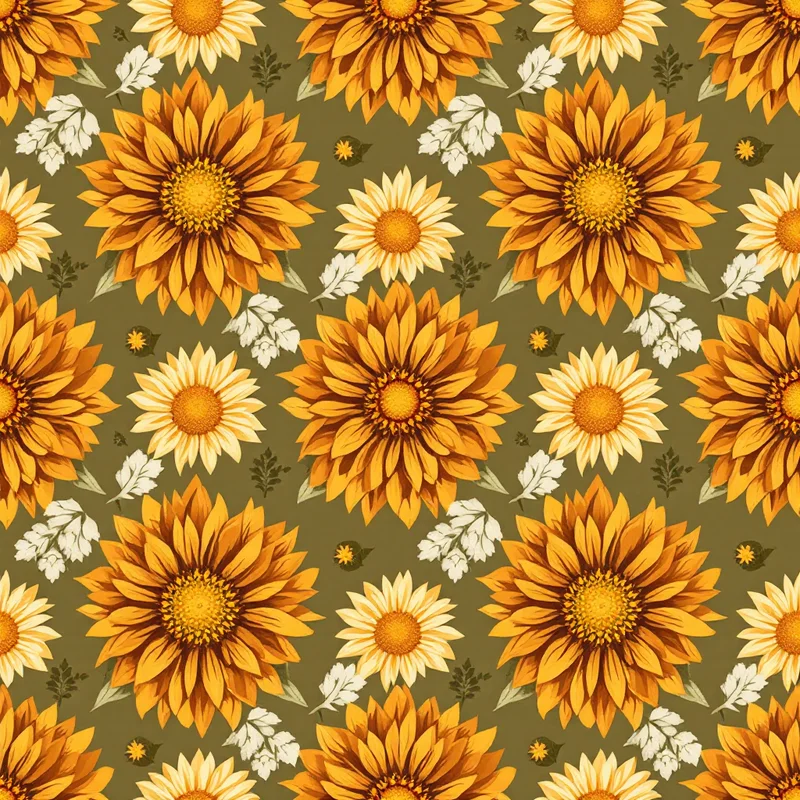
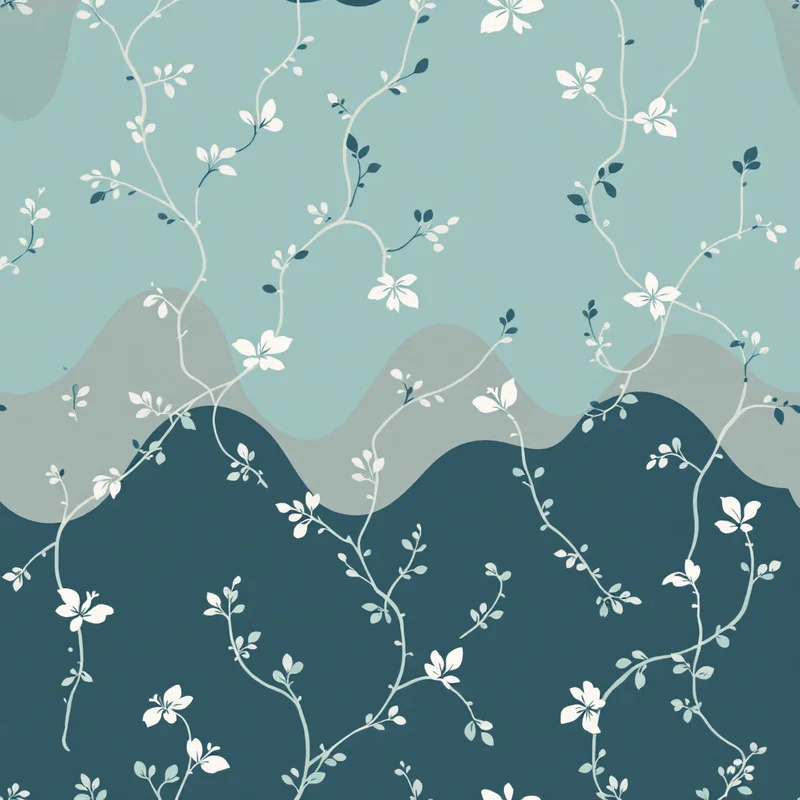
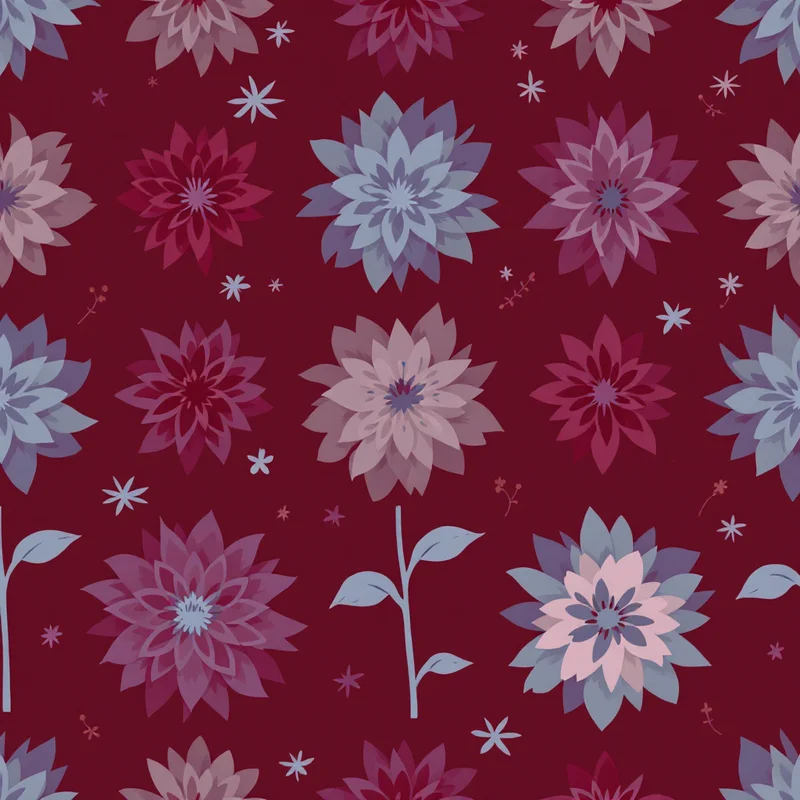
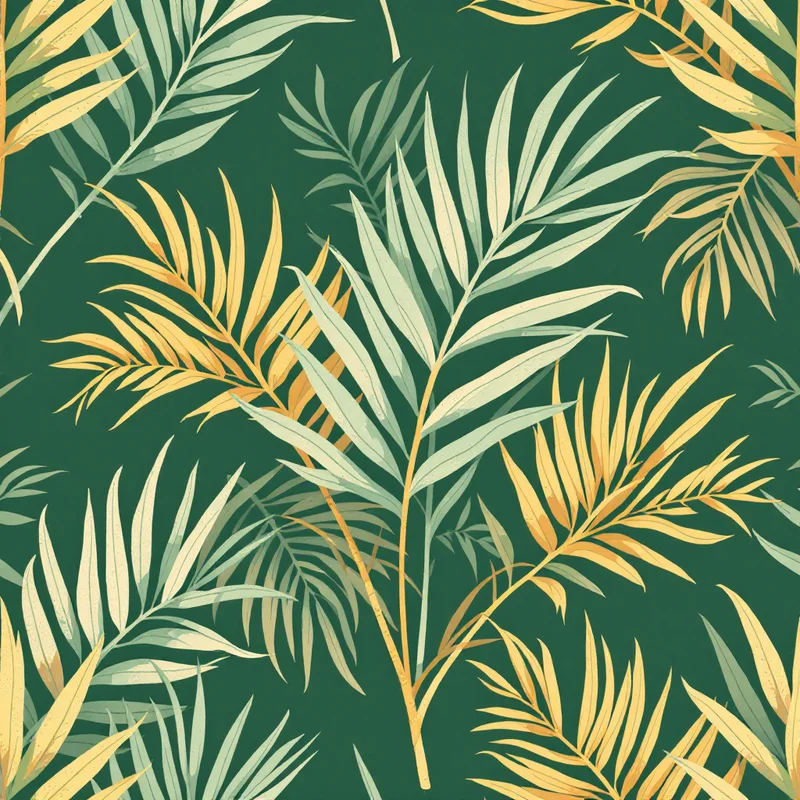
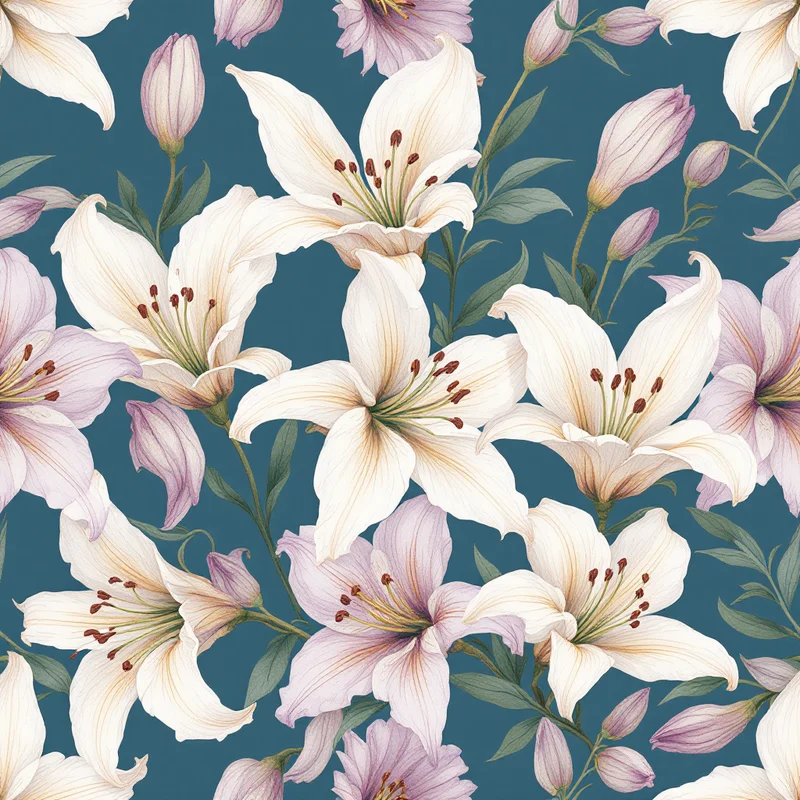
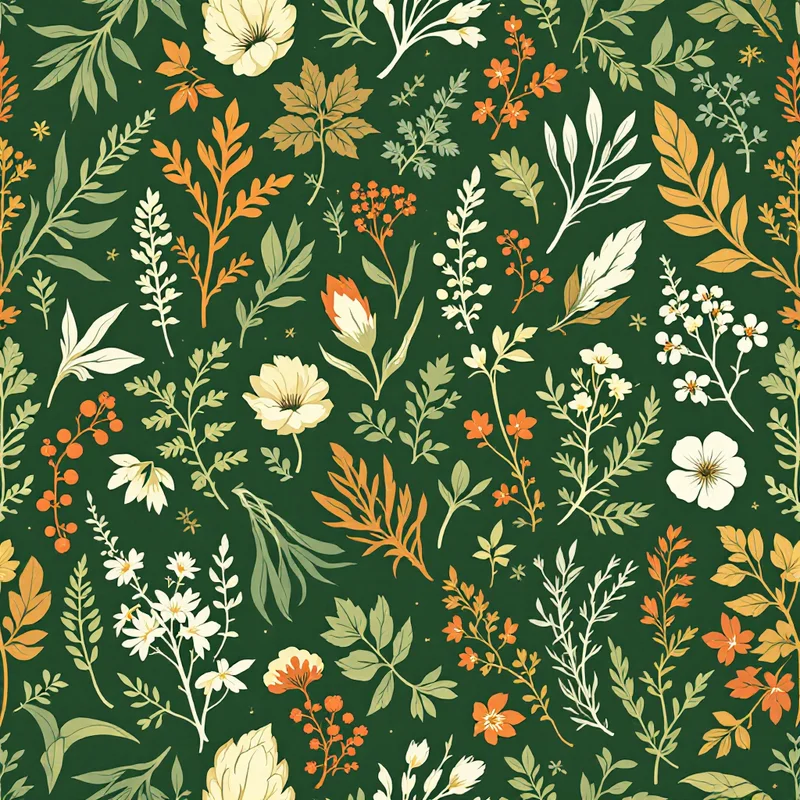
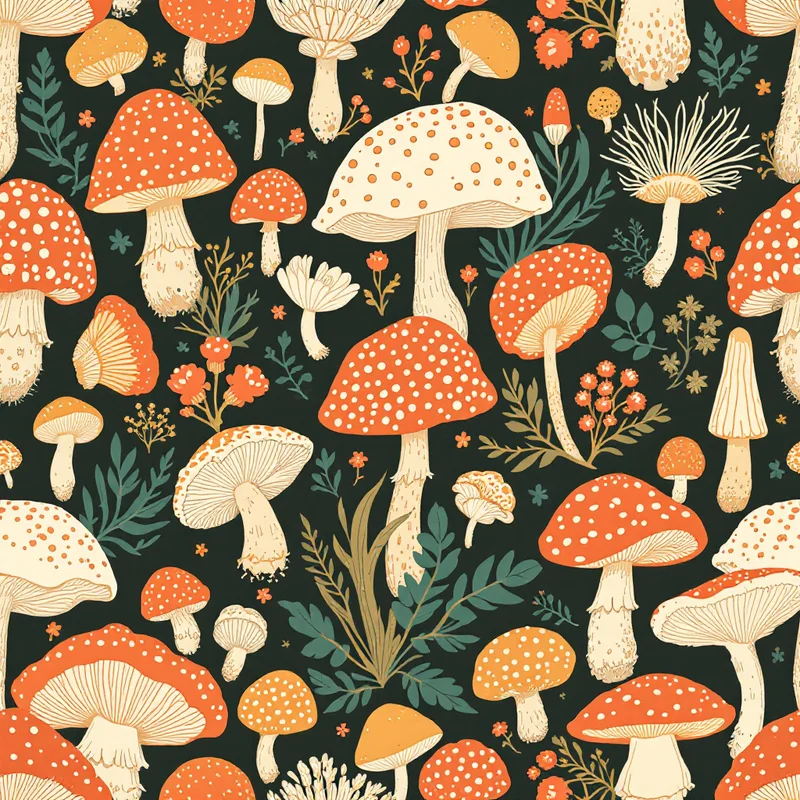
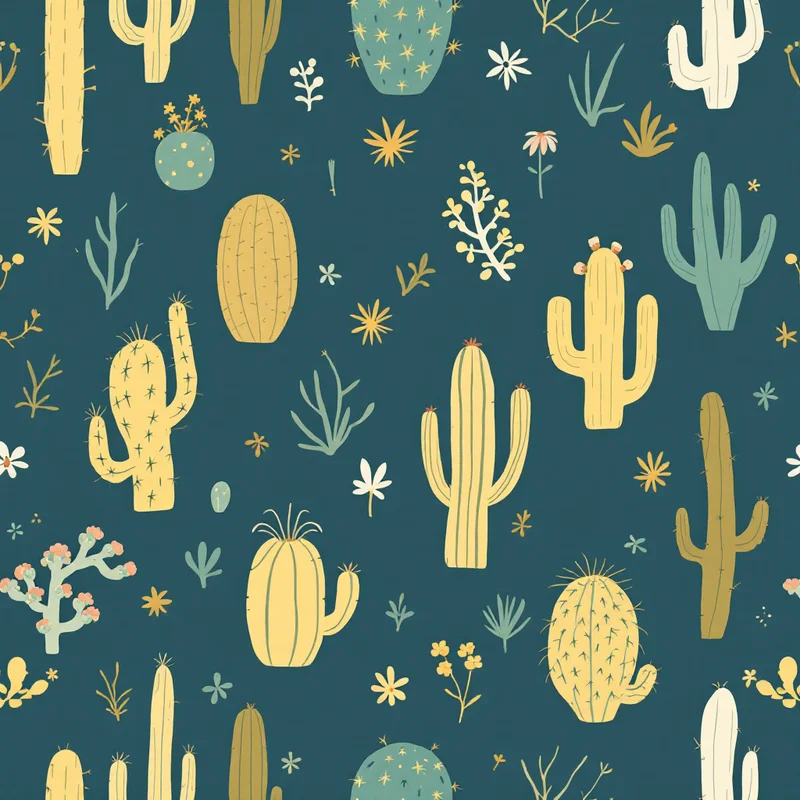
Designers reach for hibiscus prints because a few large blooms cover a lot of ground with high visual impact, making them ideal for statement pieces. The scale flexibility is a big part of the appeal: a single giant flower works as a placement print on a swim top or sarong, while a tossed layout of smaller blooms and leaves builds a denser all-over repeat for yardage. The strong shapes also hold up at a distance, so the pattern stays legible on everything from a tote bag to a feature wall.
Where to use seamless hibiscus patterns for tropical design patterns
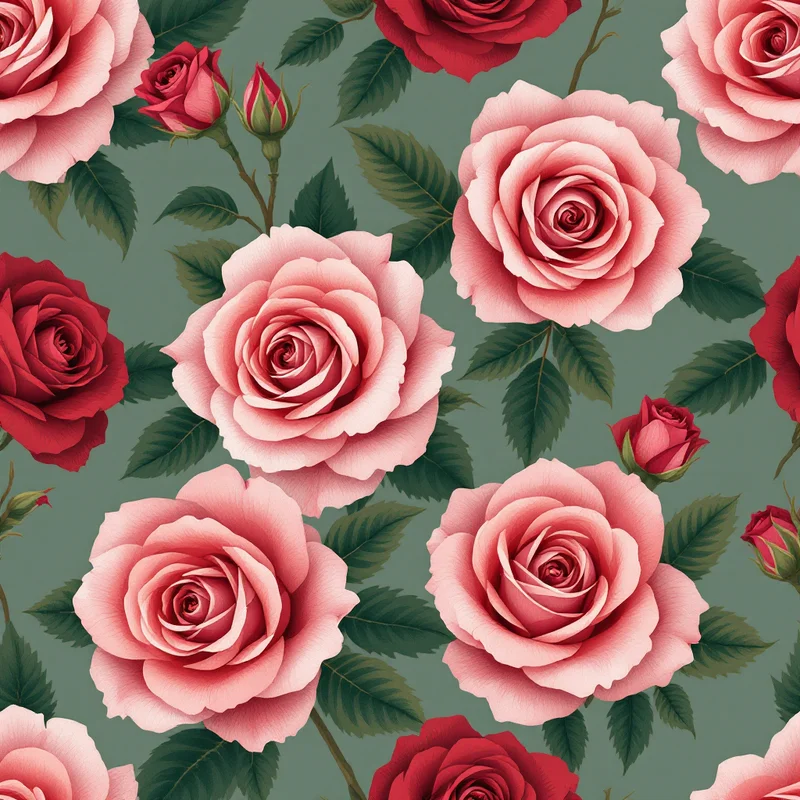
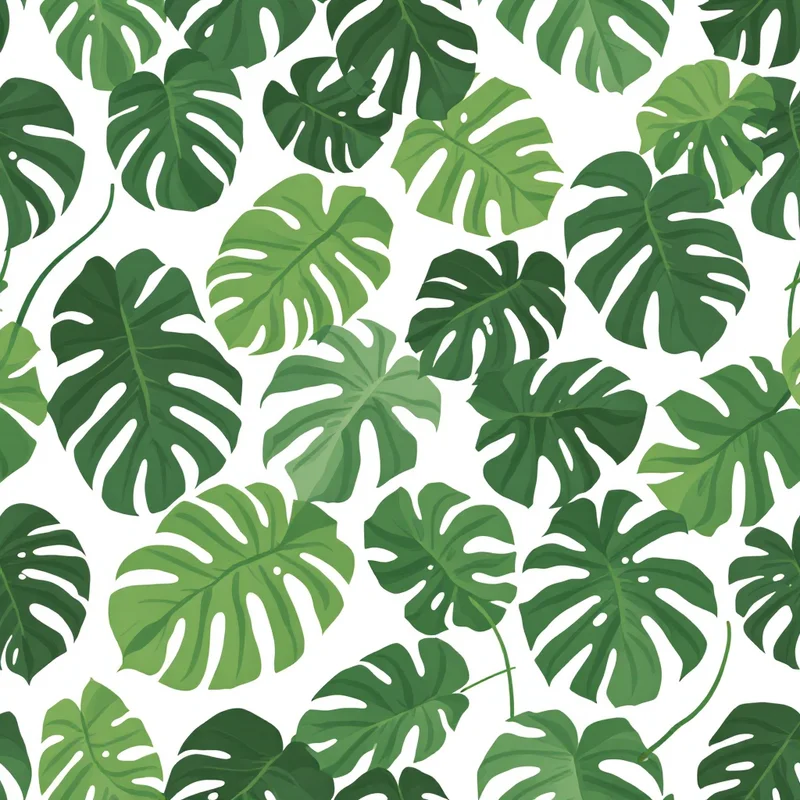
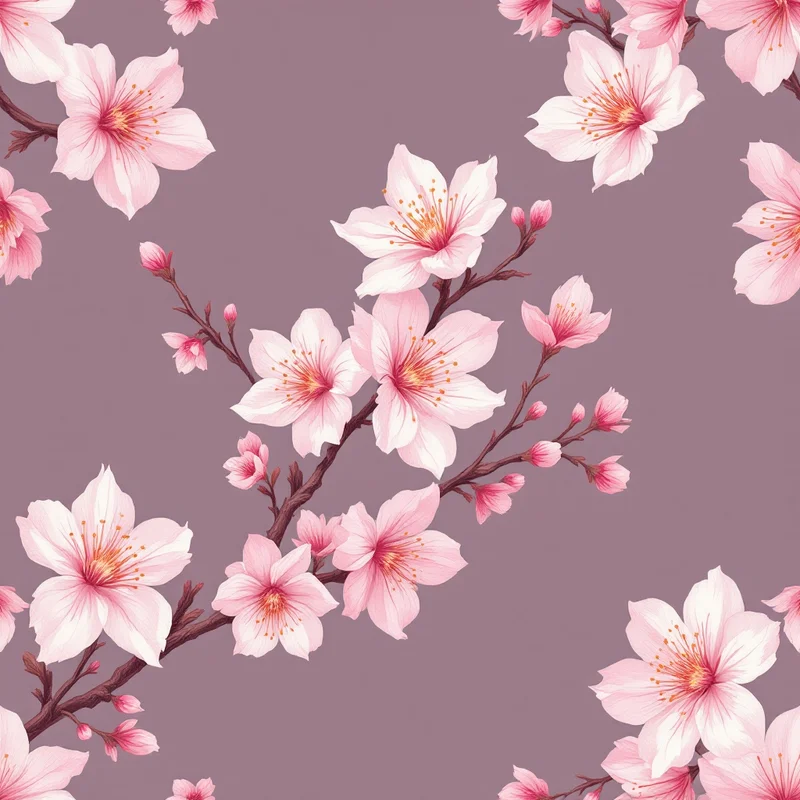
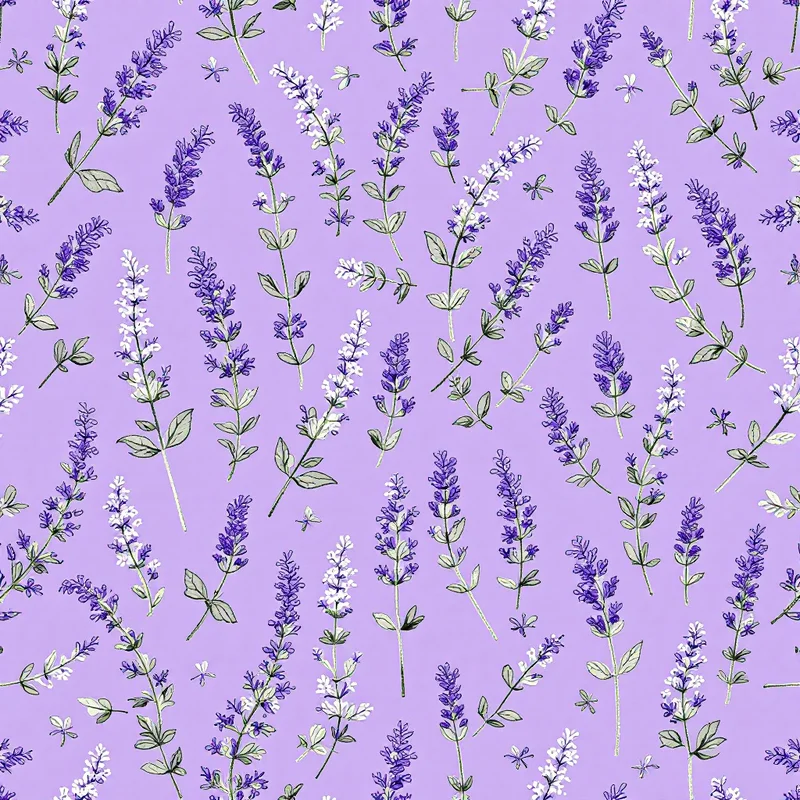
These florals move easily across product categories. In fashion they drive swimwear, summer dresses, board shorts, and shirting; in home decor they suit cushions, bedding, shower curtains, and upholstery; and in surface and stationery work they bring life to wallpaper, gift wrap, beauty packaging, phone cases, and beach accessories. Because the motif signals warmth and leisure, it is a reliable choice for resort, spa, and beverage branding that wants an instant tropical cue.
Customization & export
Pattern Weaver lets you tune every variable that matters for a hibiscus repeat. Dial density from a sparse, breathable scatter to a packed jungle of overlapping petals, set the bloom scale from delicate to oversized, and lock your exact color story so the corals, greens, and grounds stay on-brand. Switch between trailing vine layouts, symmetrical tile repeats, and tossed arrangements to match the product you have in mind, then preview the tile to confirm the seams disappear.
When the design is right, export it seamlessly for production. Pattern Weaver renders crisp, edge-matched tiles up to 8K (8192x8192) and saves them as PNG for digital mockups, TIFF for high-fidelity textile printing, or PDF for press-ready layouts, with JPG, WEBP, and SVG also available. That means one hibiscus pattern can travel from a swimwear collection to a wallpaper roll to a packaging line without losing detail or repeating visibly.