
Design characteristics
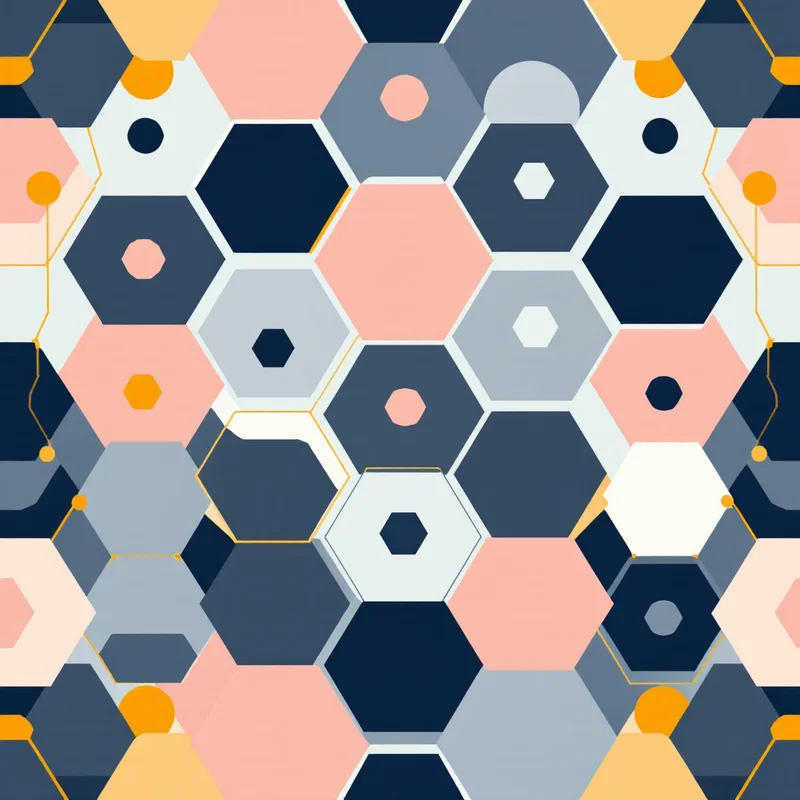
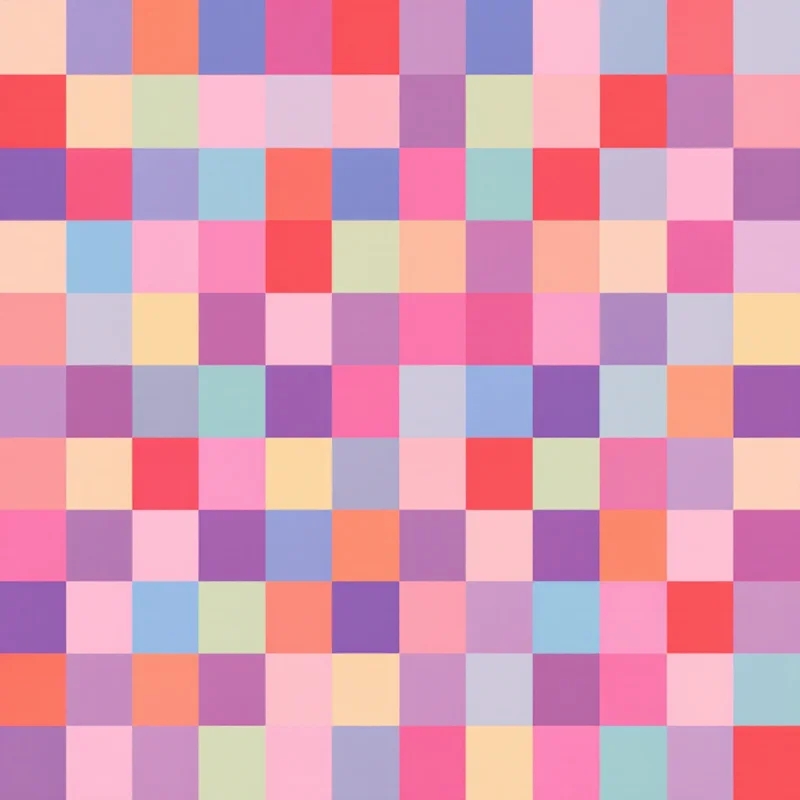
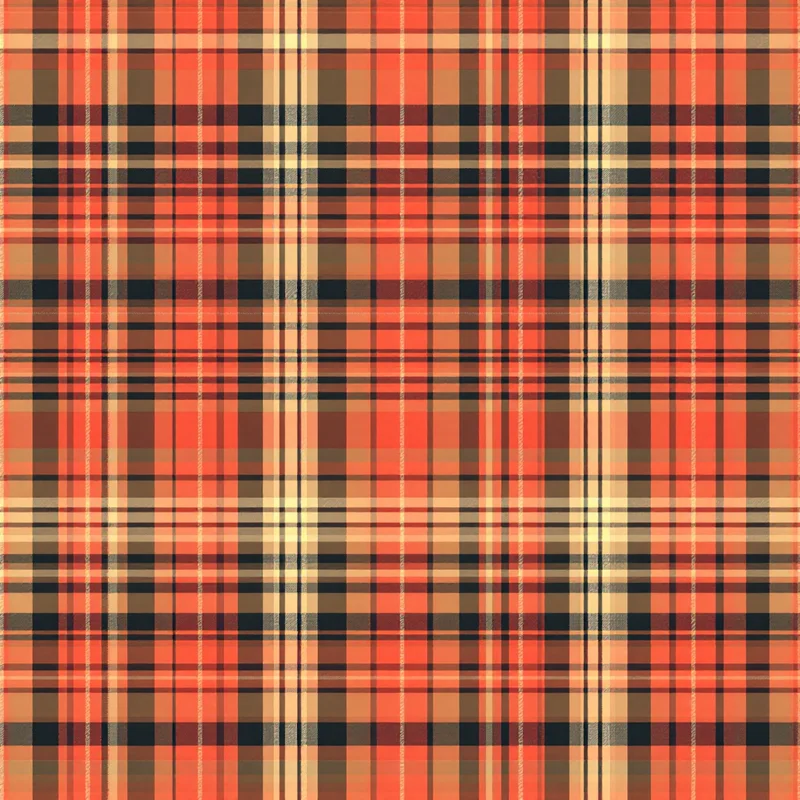
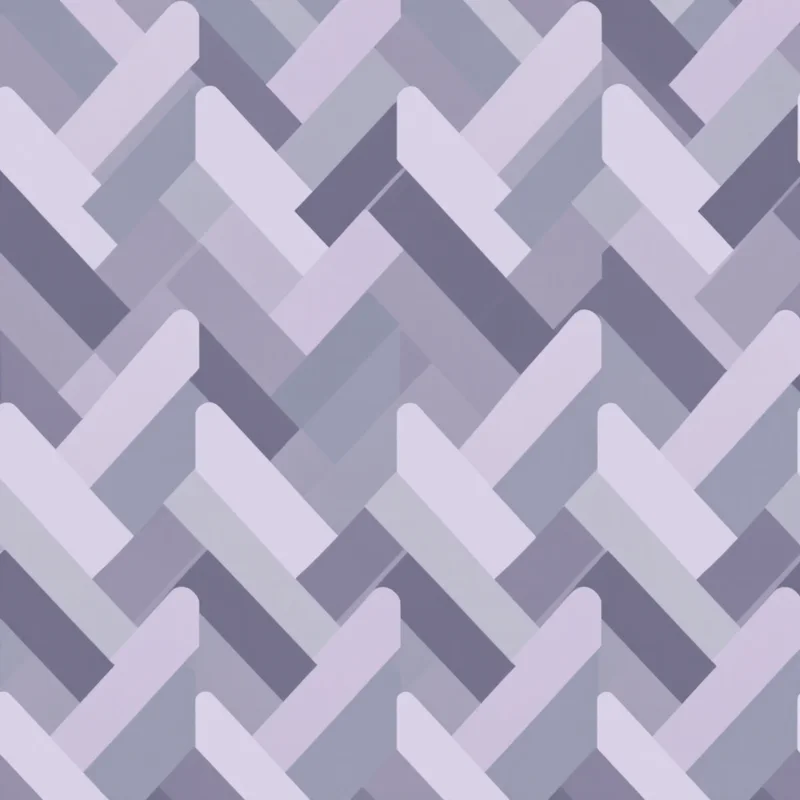
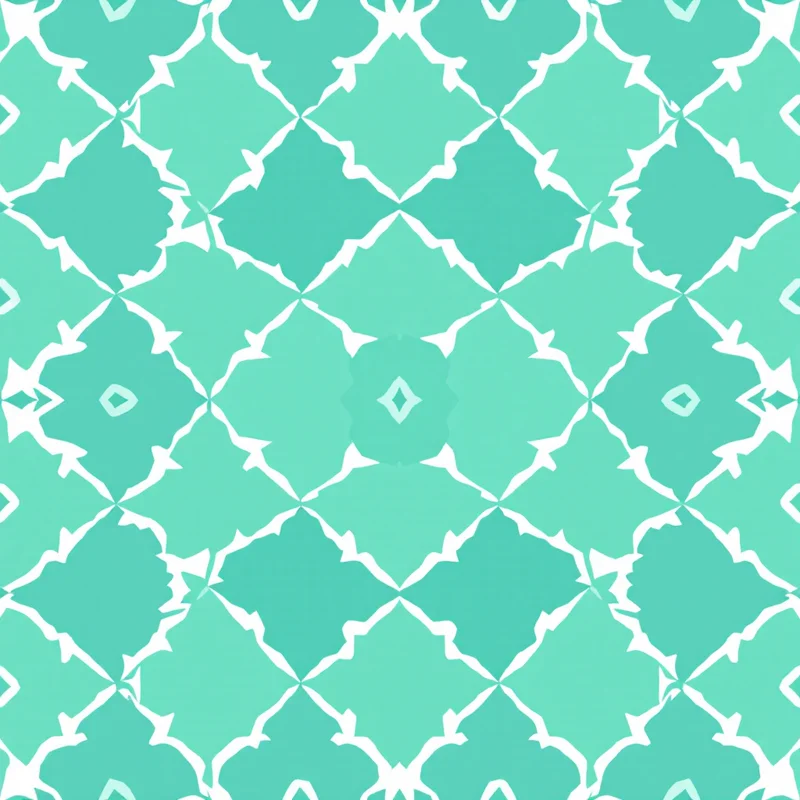
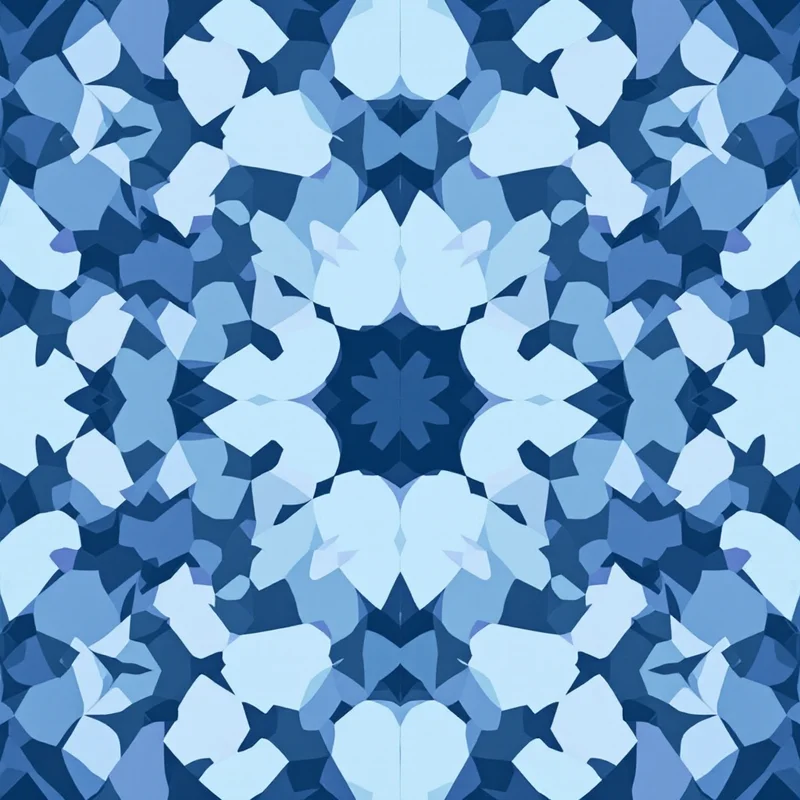
The unique visual quality of hexagon patterns comes from the shape's six-fold symmetry, which creates a more dynamic visual rhythm than the four-fold symmetry of squares. A hexagonal grid leads the eye in three directions rather than two, producing a more engaging surface texture. This quality makes hexagon patterns particularly effective for large surfaces — wallpaper, floor tiles, and fabric yardage — where the pattern needs to maintain visual interest across extensive areas without feeling monotonous. The slight rotational complexity of the hex grid prevents the static, gridded feeling that square tiles can produce.
Commercial applications
In interior design and architecture, hexagonal patterns have experienced a major resurgence. Hexagonal floor tiles in kitchens and bathrooms create a contemporary alternative to subway tile. Hex-patterned wallpaper adds geometric texture to modern living spaces. Hexagonal acoustic panels serve both functional and decorative purposes in commercial interiors. The pattern bridges industrial and domestic aesthetics — a concrete-textured hexagon tile feels urban and architectural, while a watercolor hex in soft pastels feels warm and residential. This adaptability has made hexagon patterns a go-to choice for interior designers working across residential, hospitality, and commercial projects.
Where to use hexagon patterns
Technology and science branding frequently uses hexagonal patterns to communicate connectivity, molecular structure, and systematic thinking. The hexagonal grid evokes carbon molecular structures, network topology maps, and data visualization frameworks. Tech companies, biotech firms, engineering consultancies, and scientific publishers use hex patterns in their visual identities because the shape carries connotations of precision, innovation, and interconnected systems. A subtle hex grid background on a tech company's website immediately establishes a modern, analytical tone.
Customization & export
The generator provides full control over hexagon size, wall thickness, fill treatment, and rendering style. Generate clean flat tessellations with crisp geometric edges, or textured hex tiles with grout lines and material surfaces. Create gradient fields where hex cells shift in color across the repeat. Produce three-dimensional effects with raised hex tiles casting shadows. Apply hexagons as line-only wireframes, solid filled shapes, or complex tiles with internal pattern detail. Export at up to 8K resolution in any format for production-ready output across textiles, tiles, packaging, branding, and digital design.