
Design characteristics
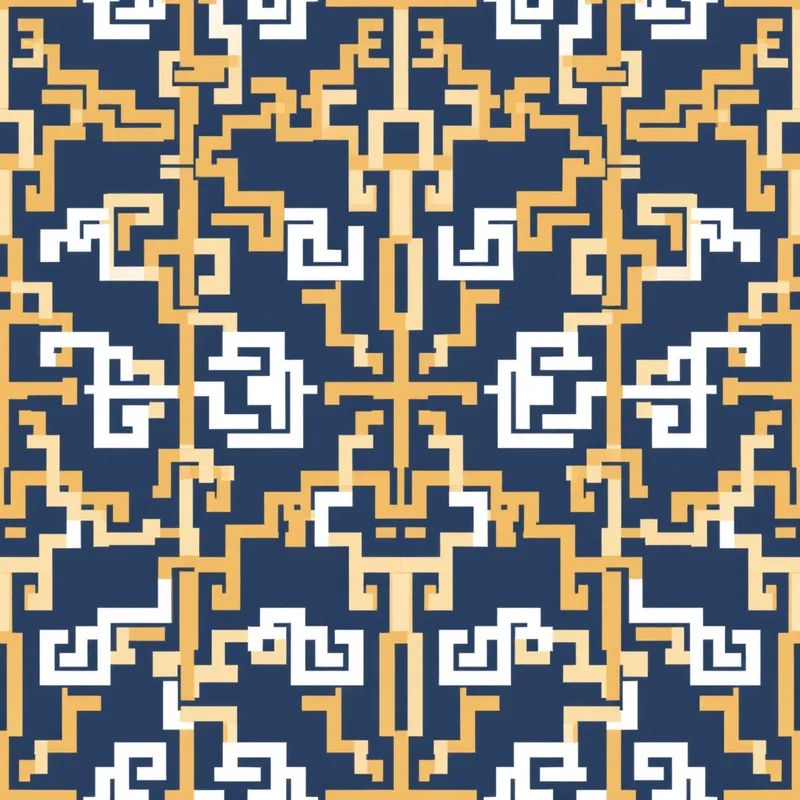
The visual authority of Greek patterns comes from their association with classical civilization and enduring aesthetic principles. The meander key communicates order, continuity, and intellectual precision. The laurel wreath signals achievement and honor. The acanthus scroll represents organic growth refined into architectural form. These associations give Greek-inspired patterns an automatic sense of prestige and cultural weight that few other pattern traditions can match — which is why luxury brands, institutions, and premium products continue to draw from this visual language.
Commercial applications
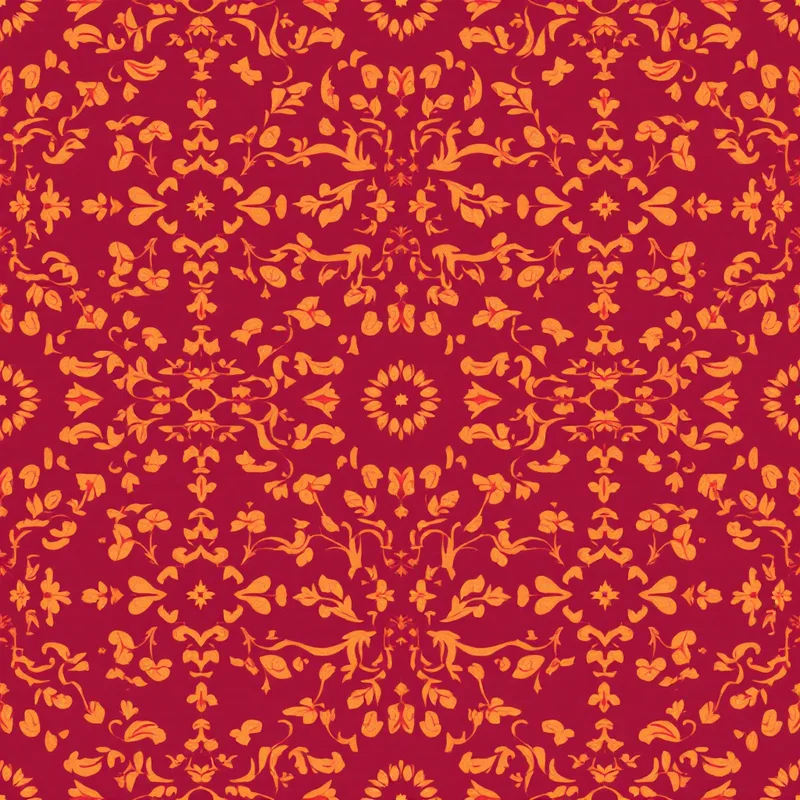
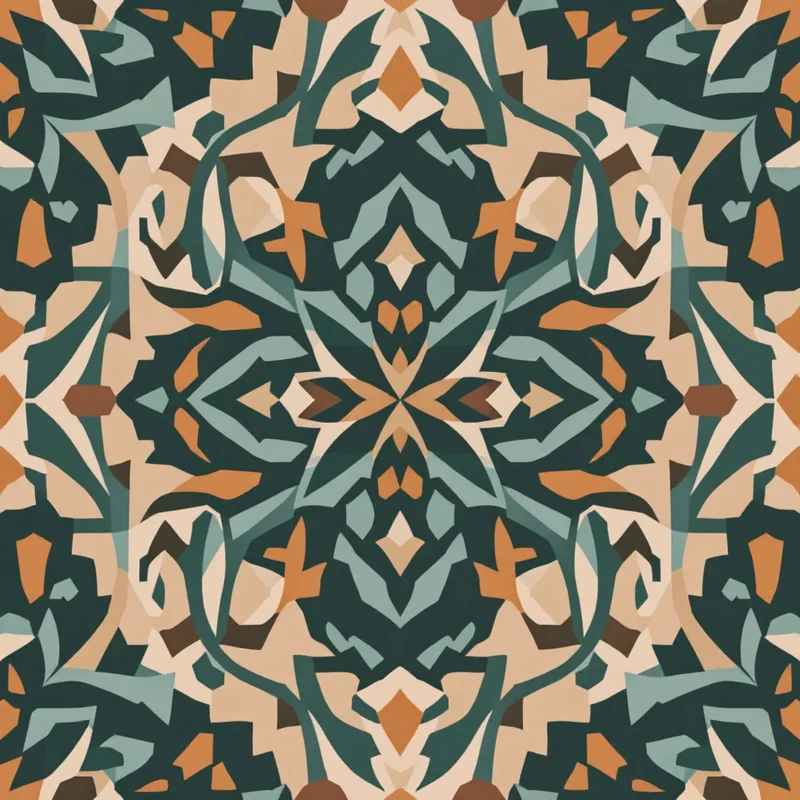
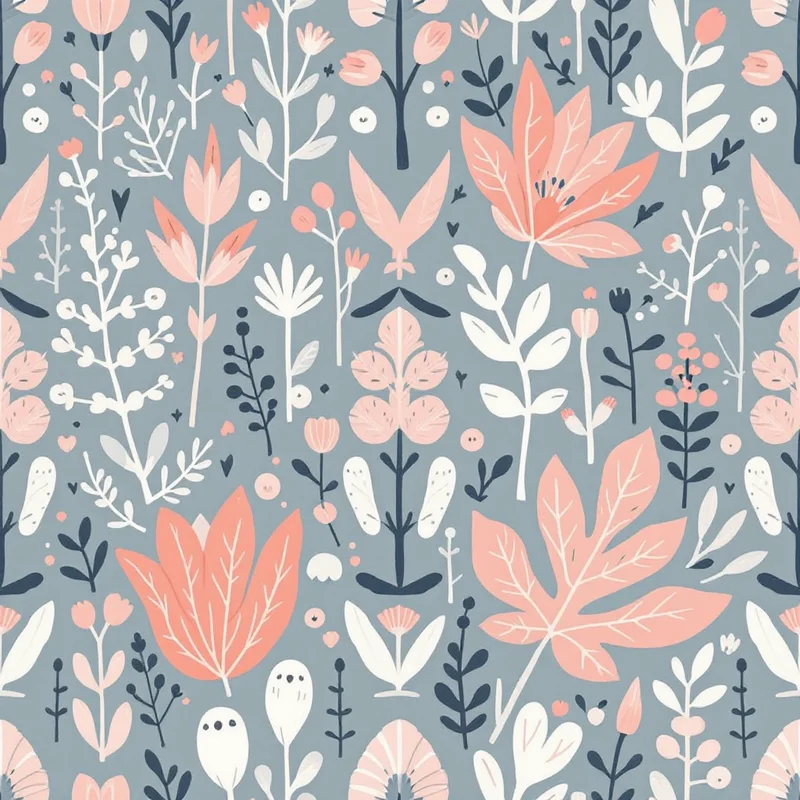
In contemporary design, Greek-inspired patterns serve luxury branding, hotel and hospitality interiors, editorial layouts, and premium packaging. A meander key border on a perfume box or hotel stationery communicates refinement immediately. A laurel wreath repeat on wallpaper or textile brings classical grandeur to interior spaces. Mediterranean color palettes — terracotta, olive, Aegean blue, warm stone, and white — reinforce the geographic and cultural connection. Fashion brands use Greek motifs on scarves, resort wear, and accessories for Mediterranean-inspired collections.
Where to use greek patterns
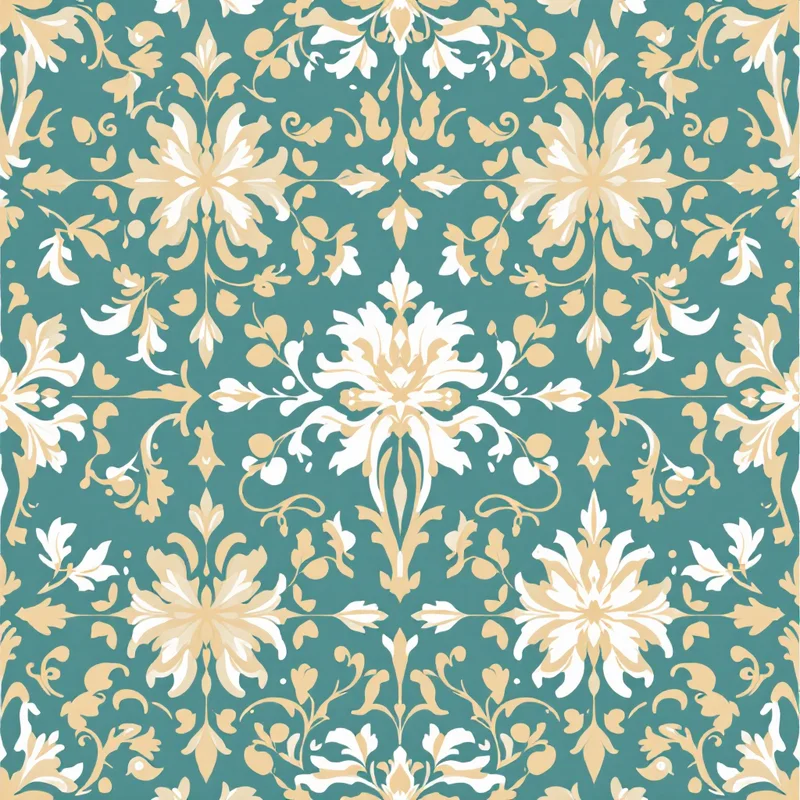
You control the motif complexity, palette, and rendering finish. Render a meander key in gold foil on navy for maximum luxury impact, or in a single muted tone for understated elegance. Simplify classical motifs to clean geometric outlines for modern branding, or add dimensional shading for an architectural relief effect. These are AI-generated designs inspired by classical Greek decorative traditions, adapted for modern production and creative applications.