
Design characteristics
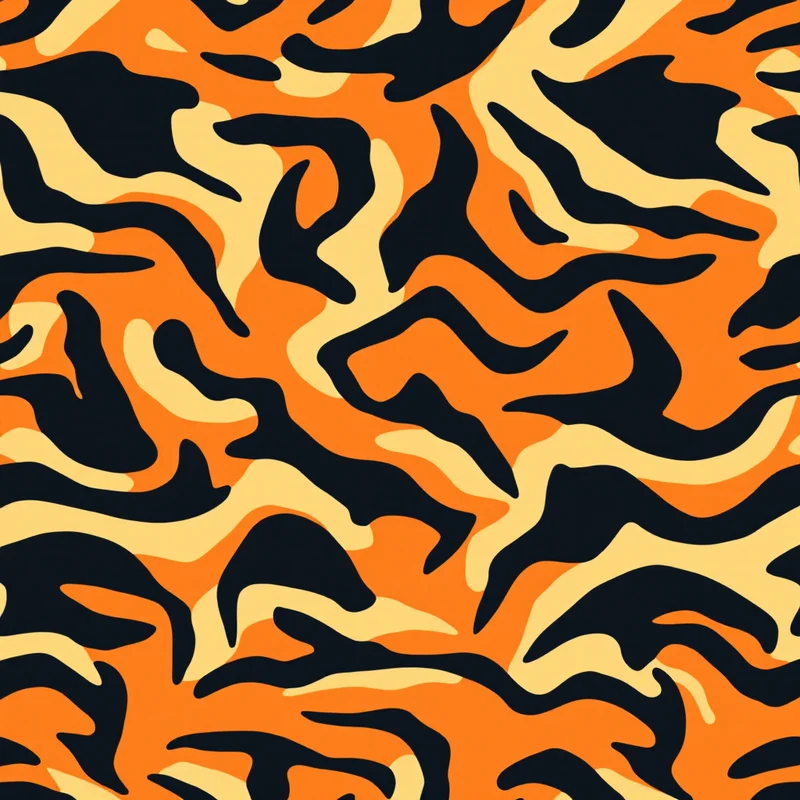
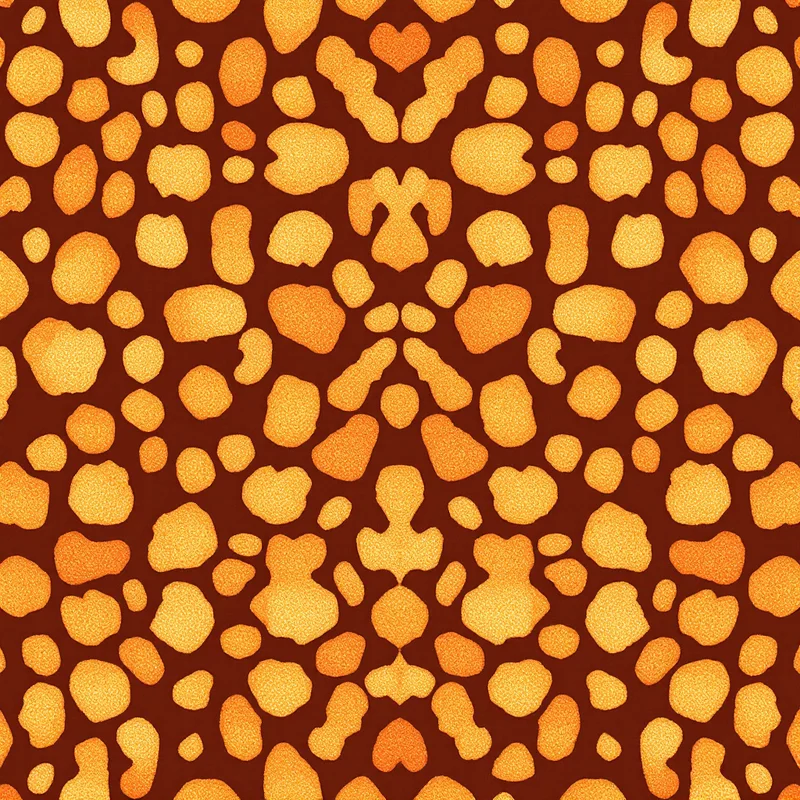
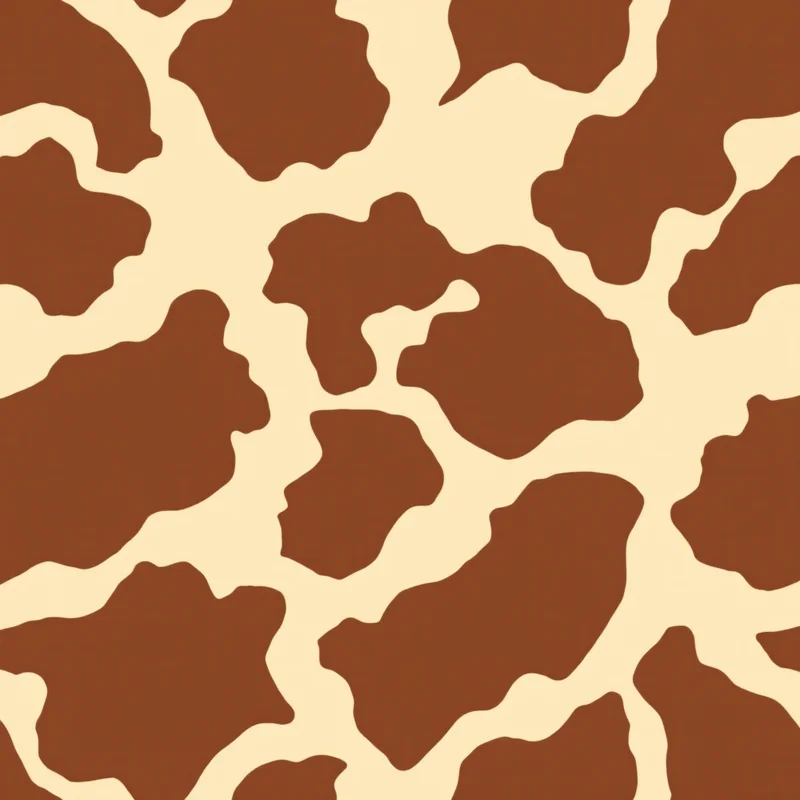
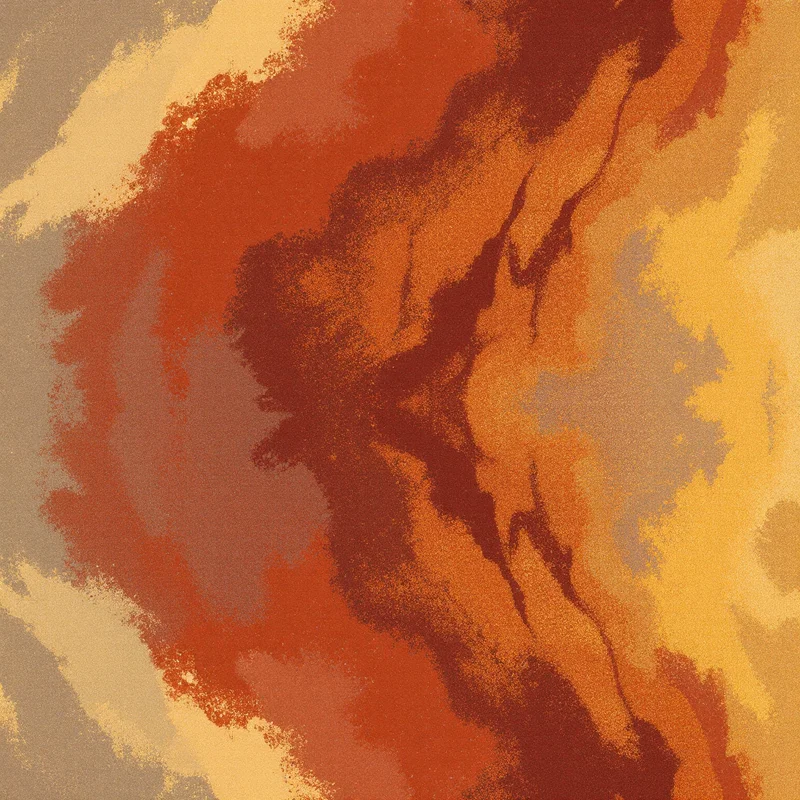
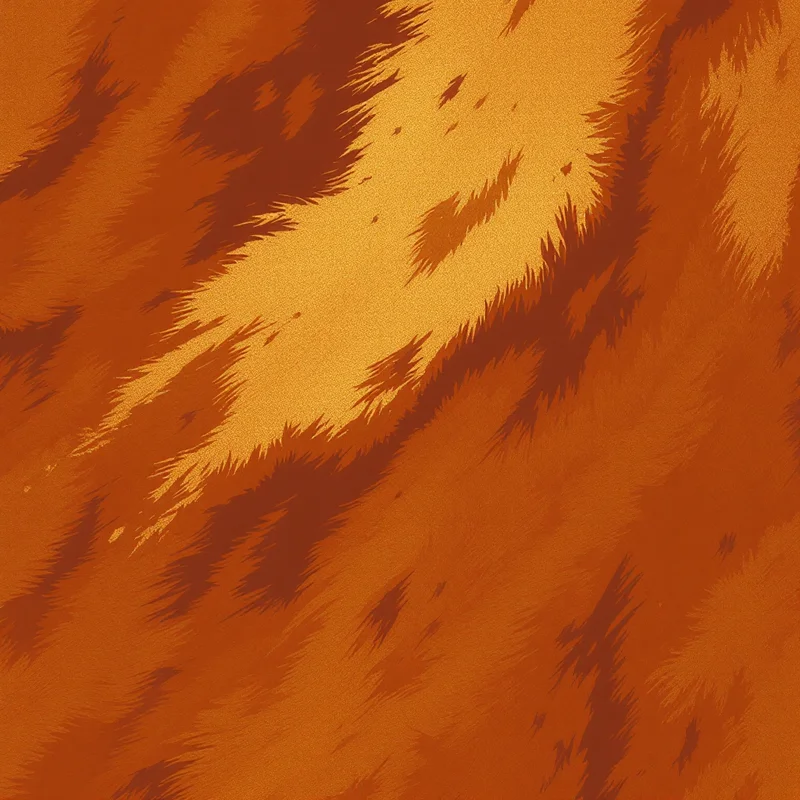
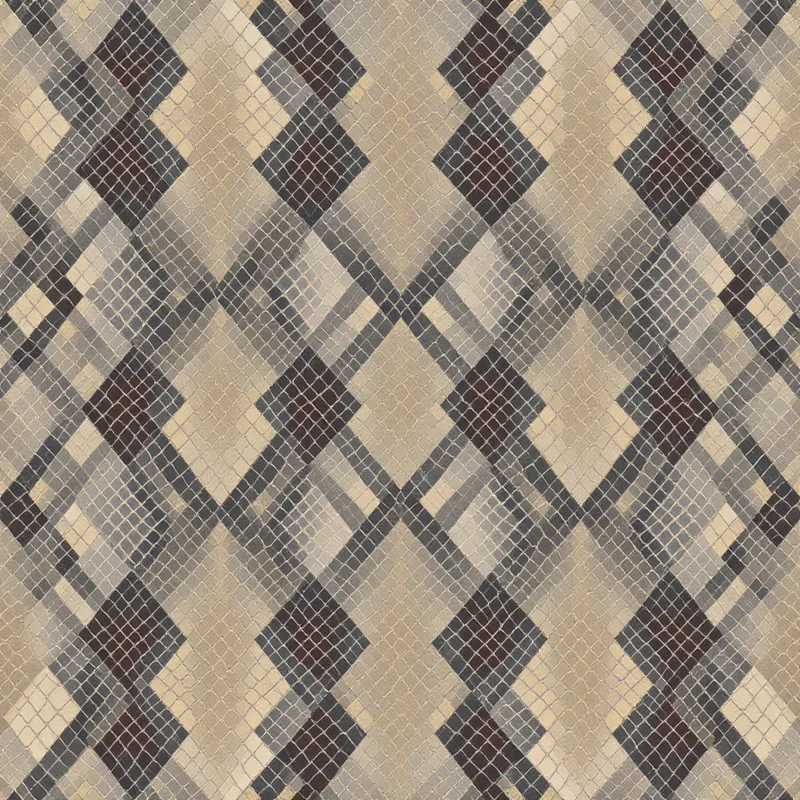
Color is what separates a giraffe print from leopard or cow print. The classic palette runs from chestnut and tan to deep liver-brown patches on a sandy, oatmeal, or off-white ground. Different subspecies inform the variations: reticulated giraffes carry the sharpest, most geometric tiling with crisp networks, while Masai giraffes show softer, more star-shaped or fern-edged blotches. Designers lean on these references to pull the look toward either a clean graphic statement or a more organic, painterly feel.
Commercial applications
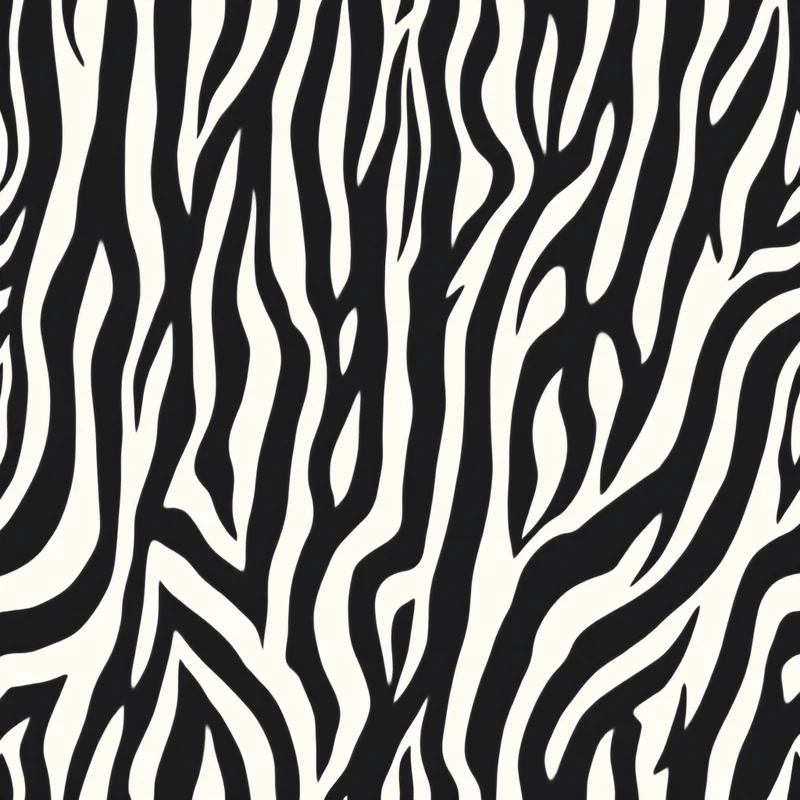
Designers reach for giraffe print because it delivers bold scale and a luxe safari association without the busy chaos of smaller animal motifs. The large patches create natural negative space, so the pattern feels expensive and breathable rather than cluttered. It pairs well with neutral wardrobes and earthy interiors, and it carries an evergreen wild-luxe mood that returns to fashion runways season after season alongside zebra and leopard.
Where to use giraffe print patterns patterns
Across products the pattern is flexible. On apparel it works for wrap dresses, scarves, swimwear, and statement coats; scaled up it becomes a feature wall or curtain print; scaled down it suits ties, phone cases, gift wrap, and cosmetics packaging. Home decor uses include throw cushions, ceramic glazes, rugs, and lampshades, where the patchwork geometry gives upholstery a tactile, hand-stained quality. Because the blotches tile cleanly, the motif holds up on both large yardage and tiny repeat areas.
Customization & export
With Pattern Weaver you control the variables that matter for a convincing giraffe coat. Adjust density to pack the patches tightly like a reticulated coat or open them up with wider cream channels, set the scale so individual blotches read large on a feature wall or fine on a necktie, and recolor the whole palette from natural browns to fashion-forward tones such as blush, sage, charcoal, or metallic gold. Every result tiles seamlessly so there are no visible seams across a continuous run of fabric or wallpaper.
When the design is right, export it at up to 8K resolution in the format your production needs. Choose PNG for digital mockups and web shops, TIFF for textile mills and high-resolution fabric printing, or PDF for print-ready packaging and large-format wallpaper. Pattern Weaver keeps the repeat clean at full resolution, so the giraffe print you fine-tune on screen is the exact tile that goes to your printer or manufacturer.