Design characteristics
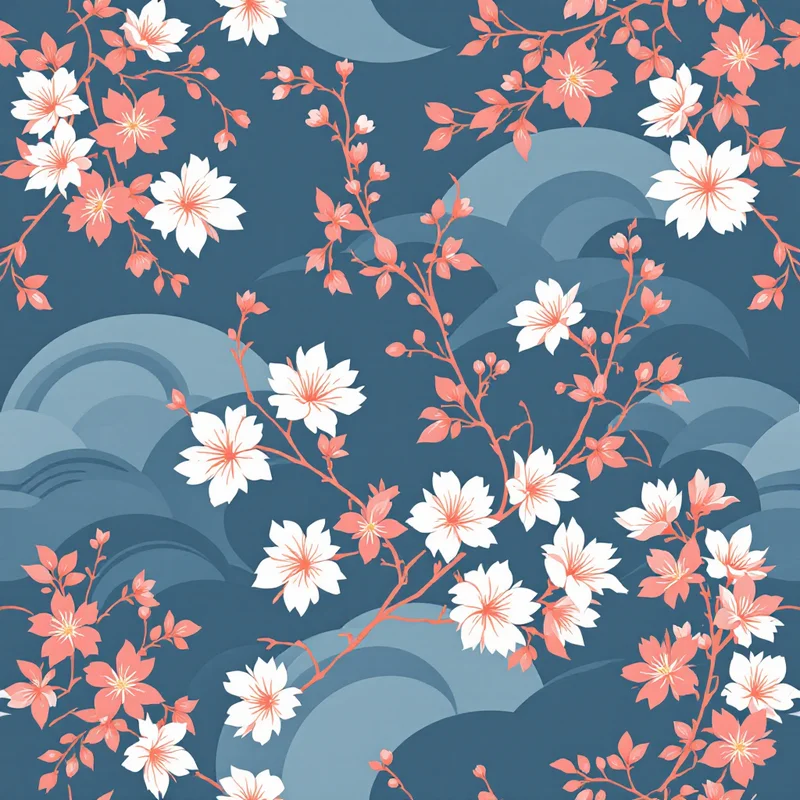
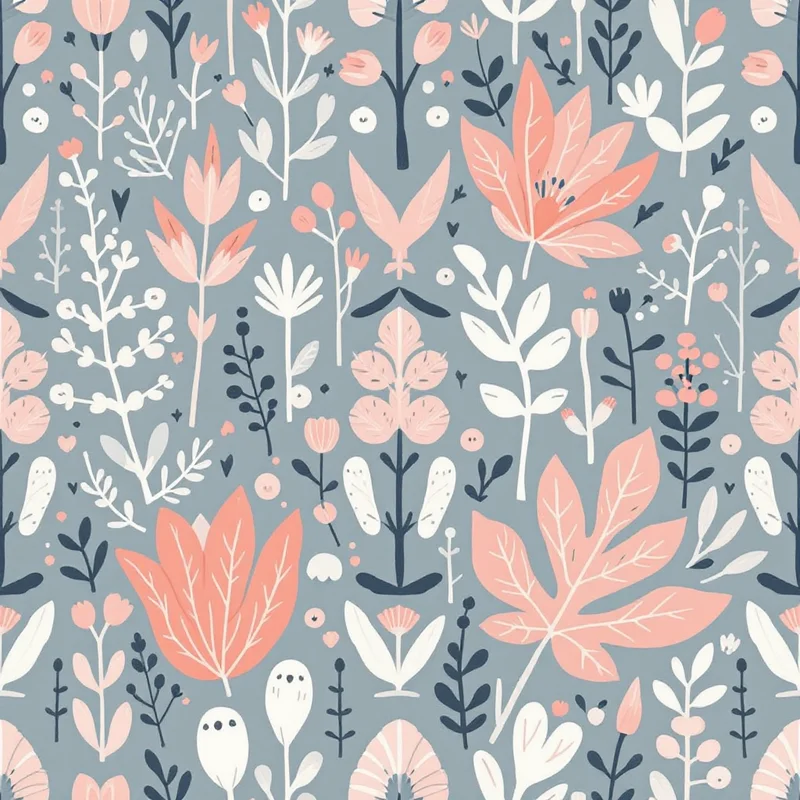
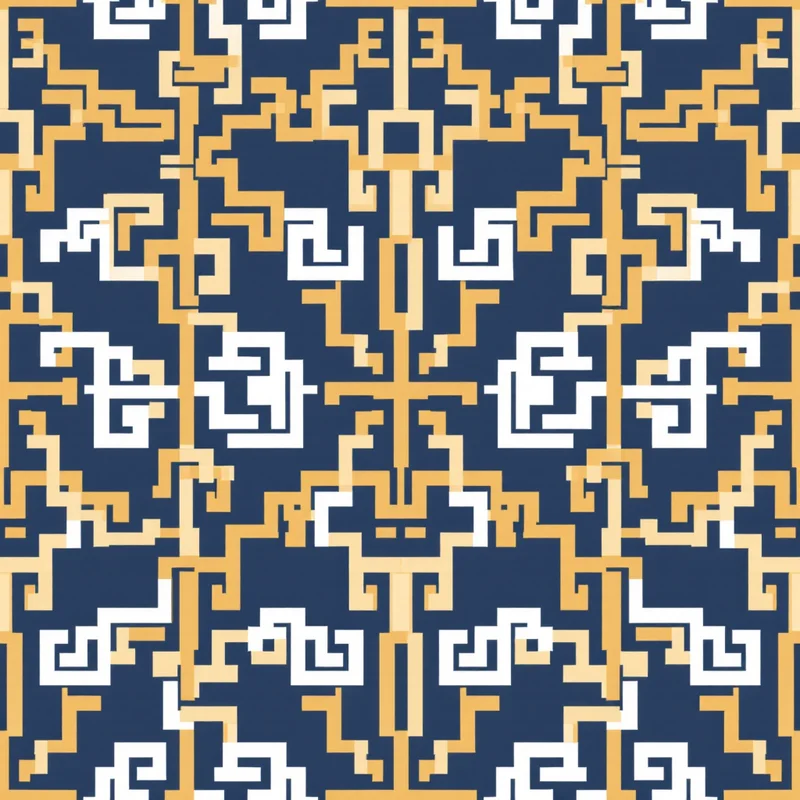
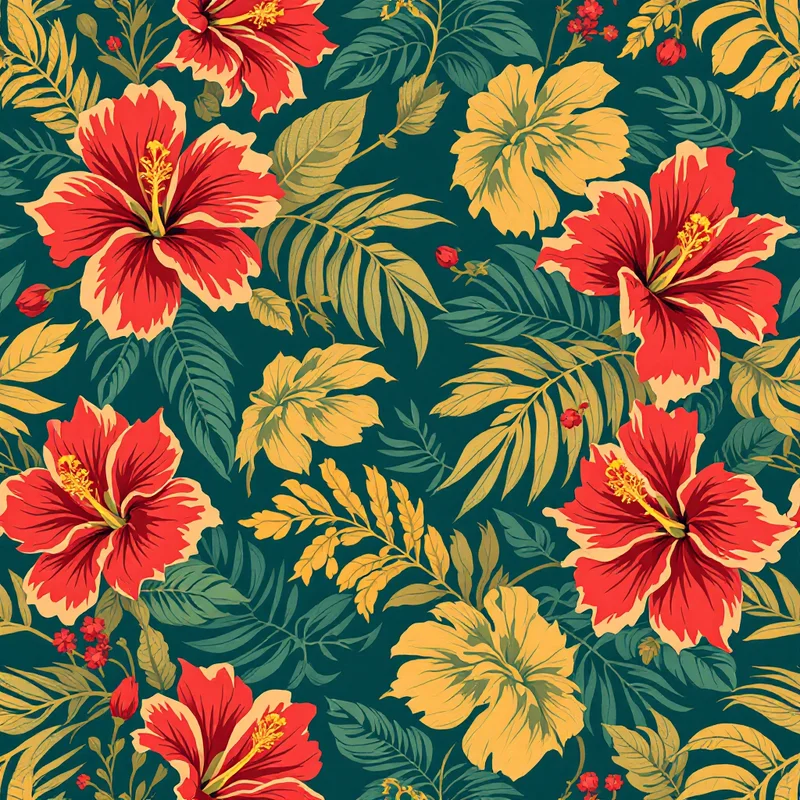
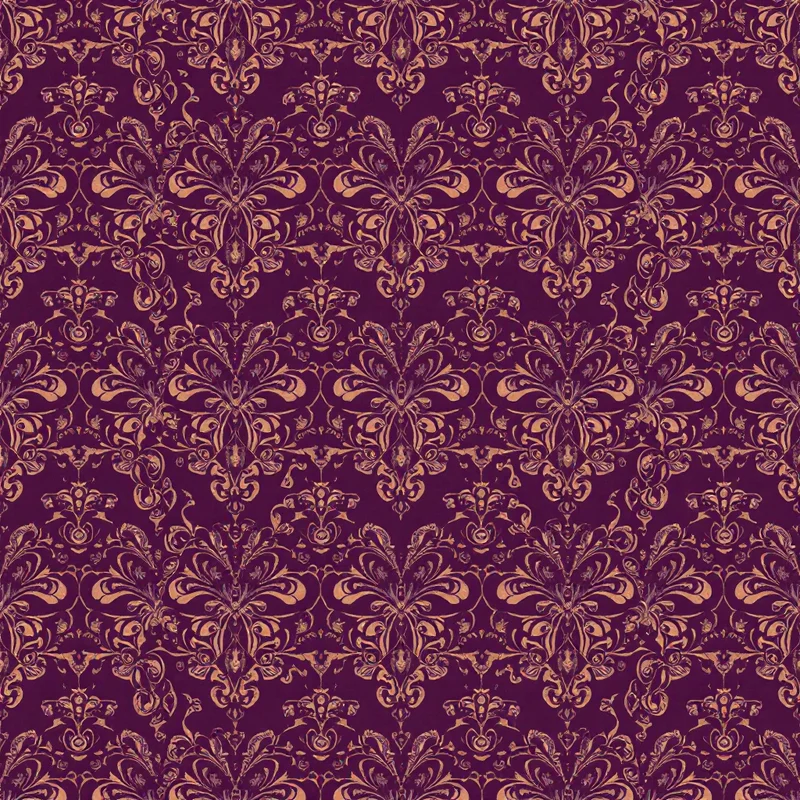
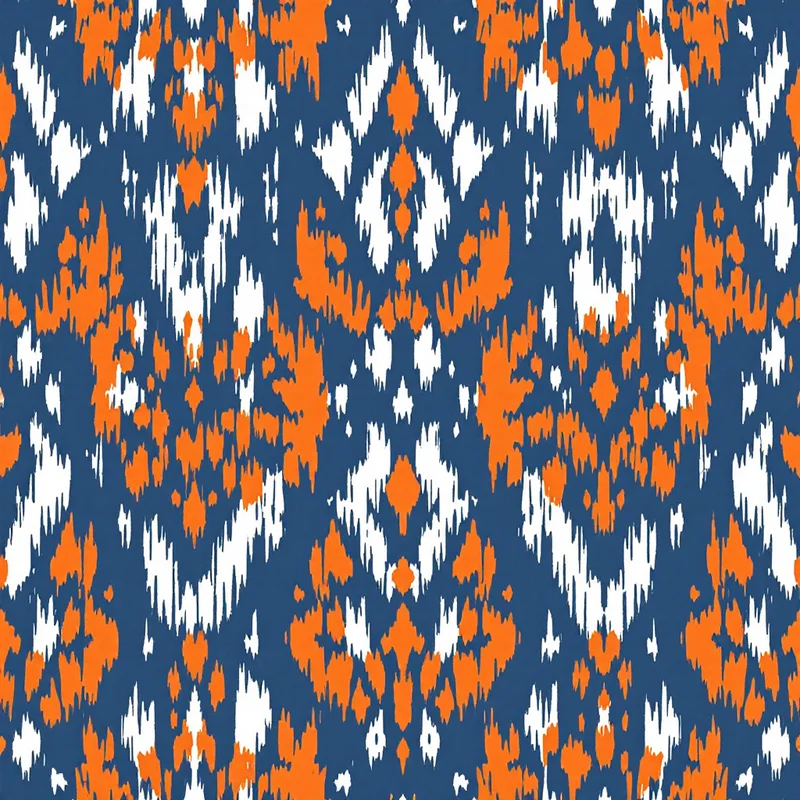
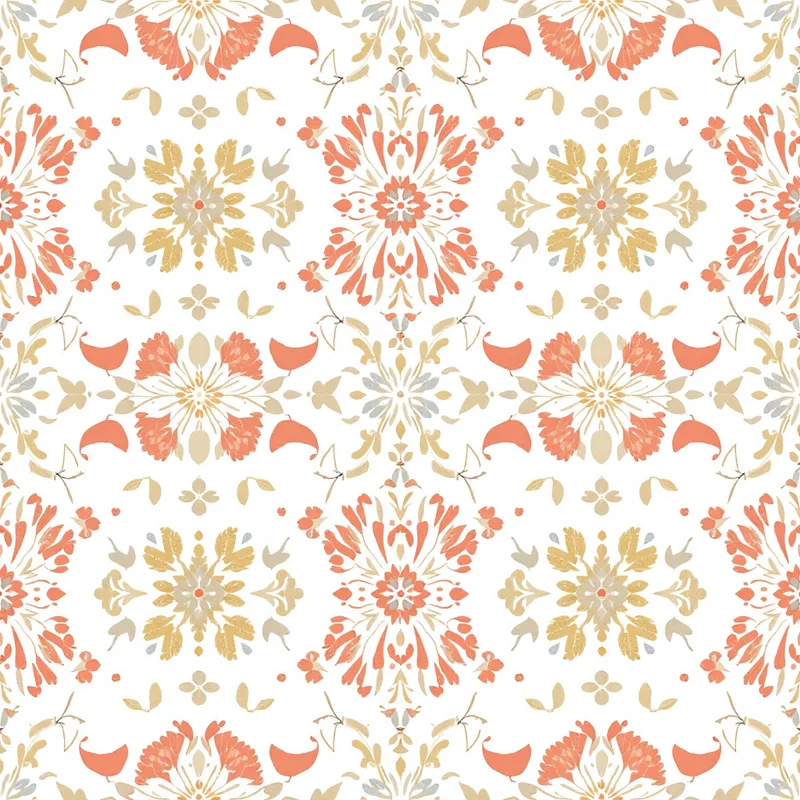
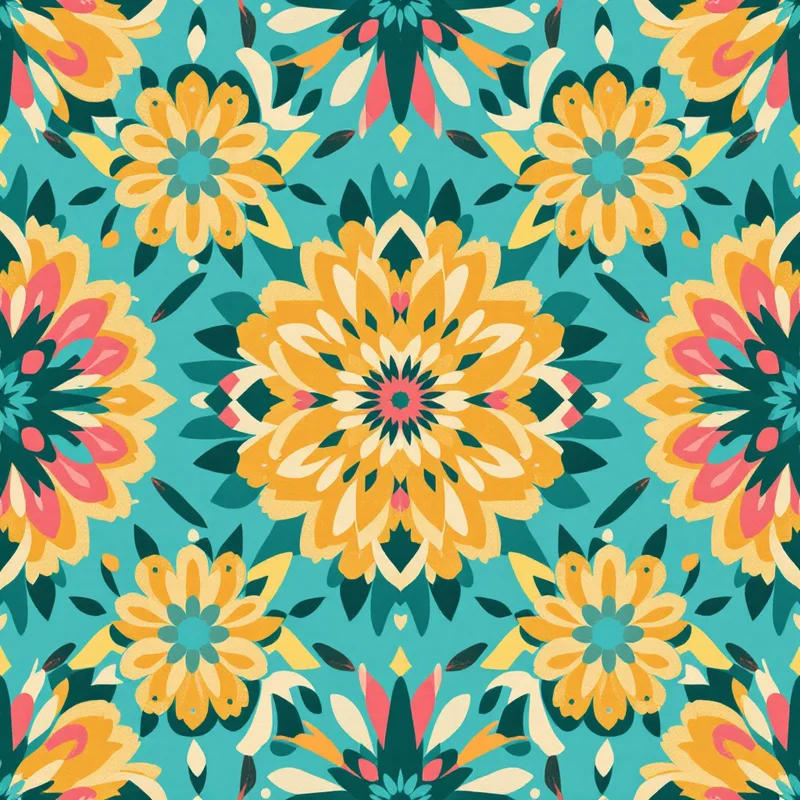
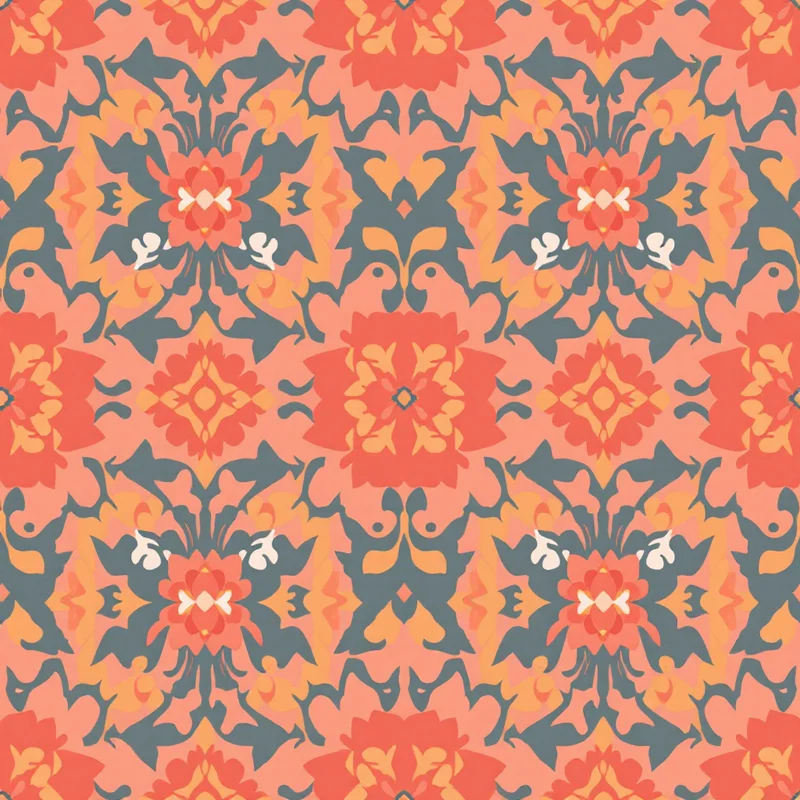
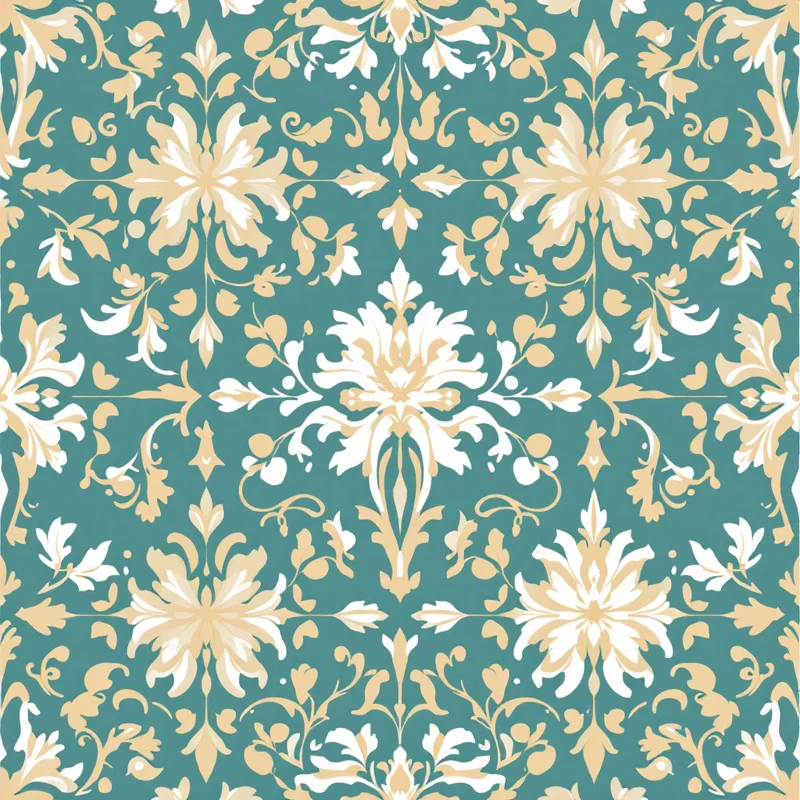
What makes folk art patterns distinct from formally trained decorative art is their directness and warmth. Flowers are not botanically accurate — they are joyful symbols rendered with intuitive proportions. Animals are not photorealistic — they are characterful, often symmetrical figures that communicate the essence of the creature rather than its anatomy. Borders and frames use simple geometric repeats rather than complex mathematical tessellations. This visual simplicity is not a limitation but a strength: folk art patterns communicate authenticity, human touch, and cultural continuity in a way that polished, digitally perfect designs cannot. In an era of AI-generated everything, folk art's handmade character is more commercially valuable than ever.
Commercial applications
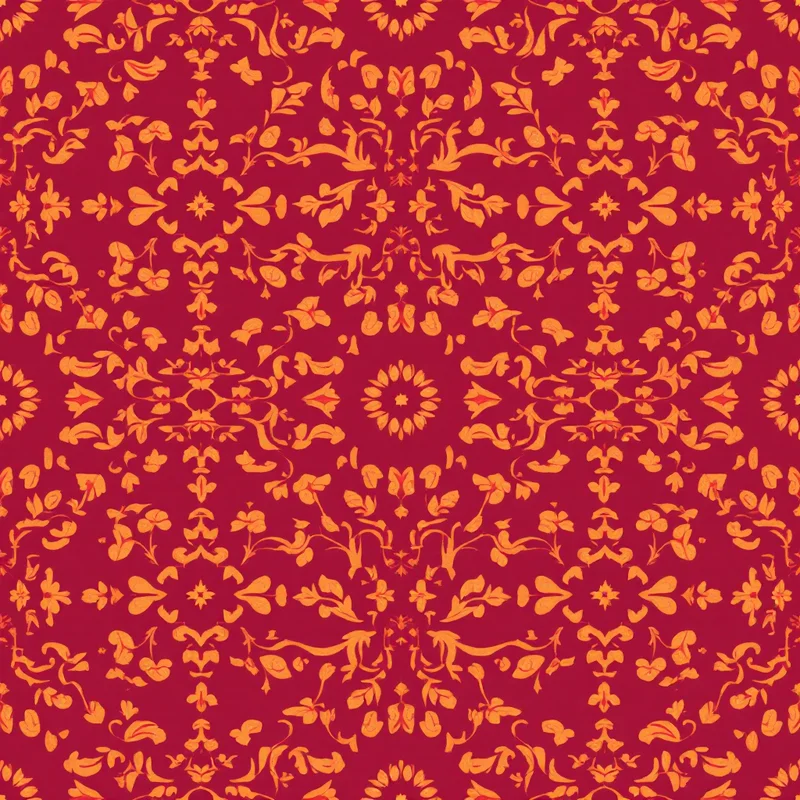
The folk art tradition spans every continent and culture. Scandinavian rosemaling features scrolling acanthus leaves and flowers in red, blue, and gold. Mexican Otomi embroidery depicts birds, rabbits, flowers, and trees in vibrant multicolor compositions. Polish Wycinanki paper-cut designs create symmetrical floral medallions in layered colors. Hungarian Matyo embroidery builds dense floral compositions around a central rose. Pennsylvania Dutch hex signs combine geometric stars with stylized tulips and birds. Indian Madhubani painting fills every surface with detailed line work and natural motifs. Each tradition has its own visual vocabulary, and the generator provides substyles that capture the essential characteristics of these diverse folk art lineages.
Where to use folk art patterns
Commercially, folk art patterns serve a growing market of consumers seeking warmth, authenticity, and cultural connection in their products. The cottagecore and grandmillennial design movements have driven significant demand for folk-art-inspired textiles, wallpaper, and home goods. Fashion brands use folk art prints for capsule collections that reference specific cultural traditions. Stationery and gift wrap featuring folk art motifs communicate care and personal warmth. Children's products — clothing, bedding, room decor, and toys — benefit from folk art's friendly, approachable aesthetic. Food and beverage brands, especially artisanal and craft producers, use folk art patterns on packaging to signal handmade quality and heritage.
Customization & export
The tool provides detailed control over folk art design parameters. Select a cultural tradition or blend elements across traditions for a contemporary multicultural aesthetic. Choose motif types — flowers, birds, animals, trees, hearts, geometric borders. Adjust the rendering style from smooth painted surfaces to visible brushstrokes to embroidery-simulated texture. Control density from sparse, open arrangements to dense, carpet-like compositions. Select your palette from traditional regional colors or apply contemporary colorways. Every folk art pattern generates as a seamless repeat at up to 8K resolution, ready for textile production, wallpaper printing, and packaging applications.