Design characteristics
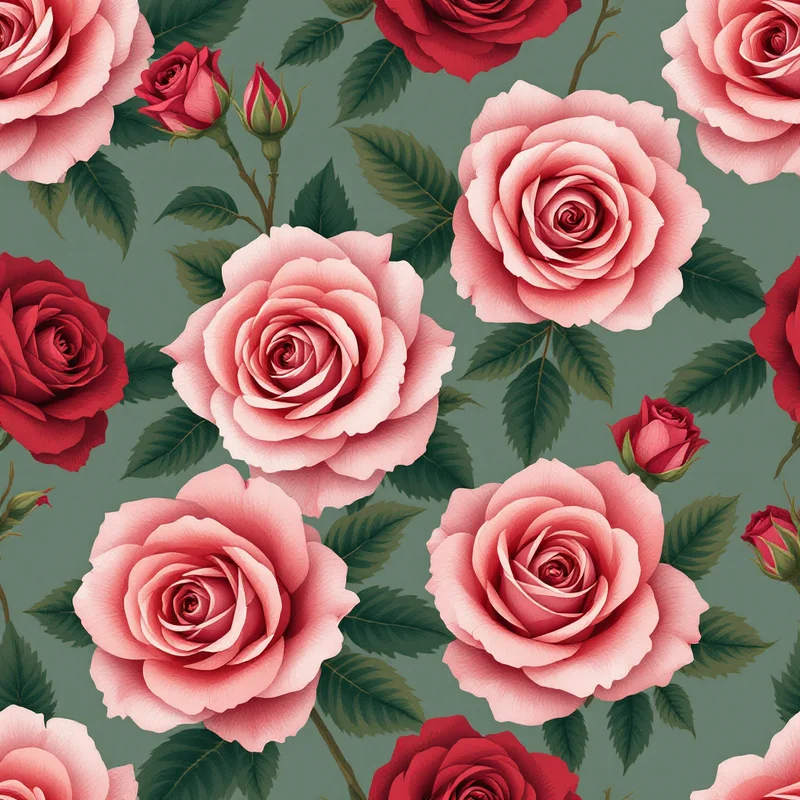
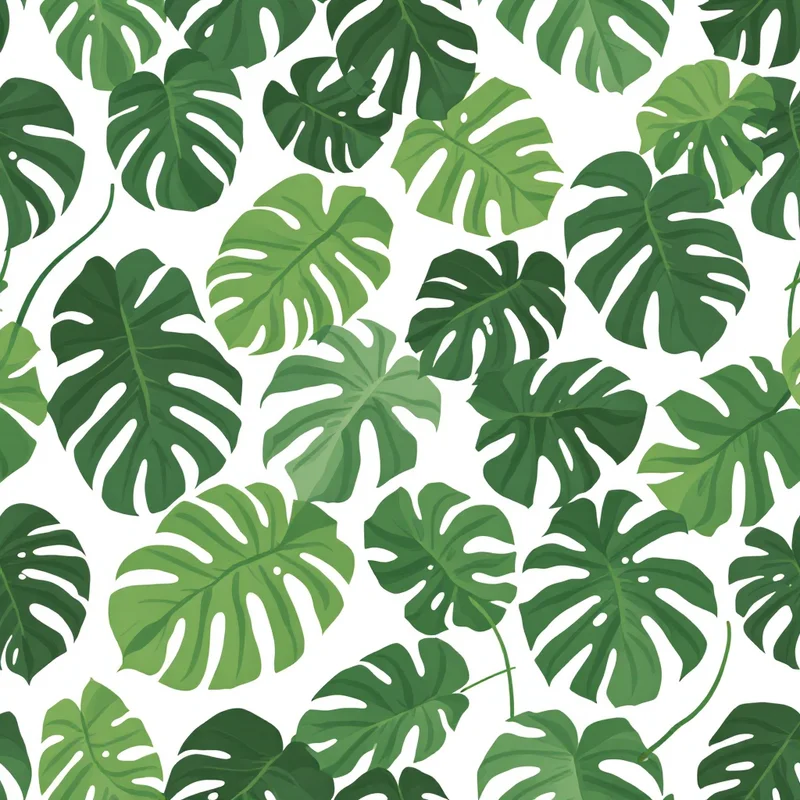
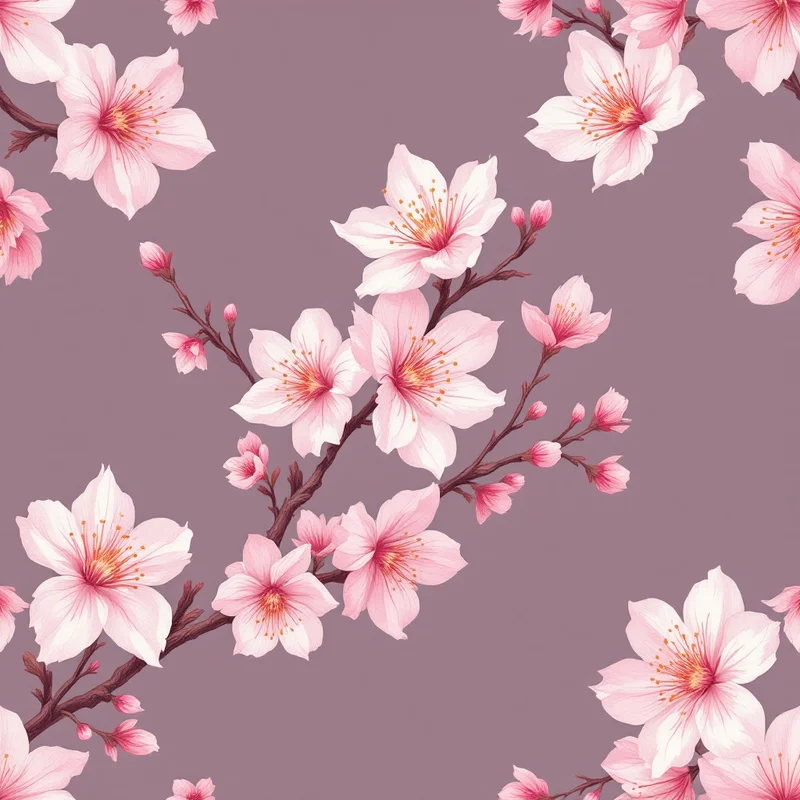
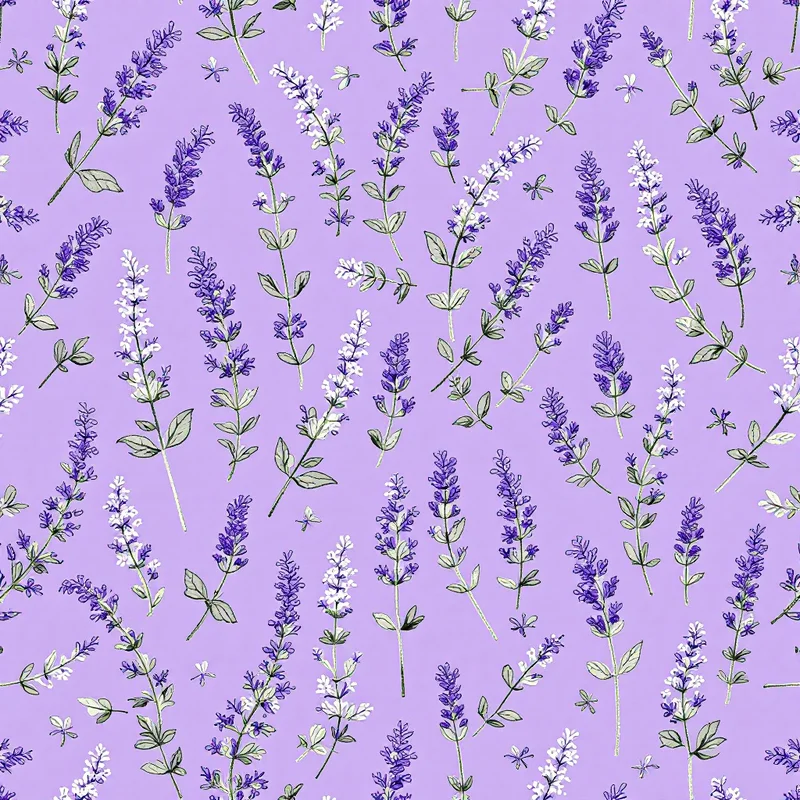
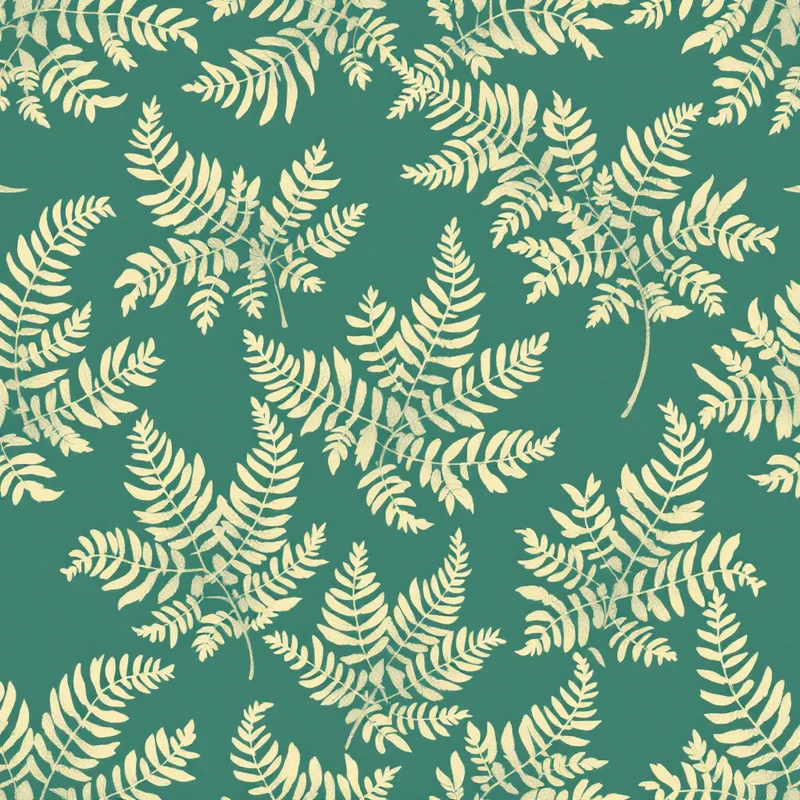
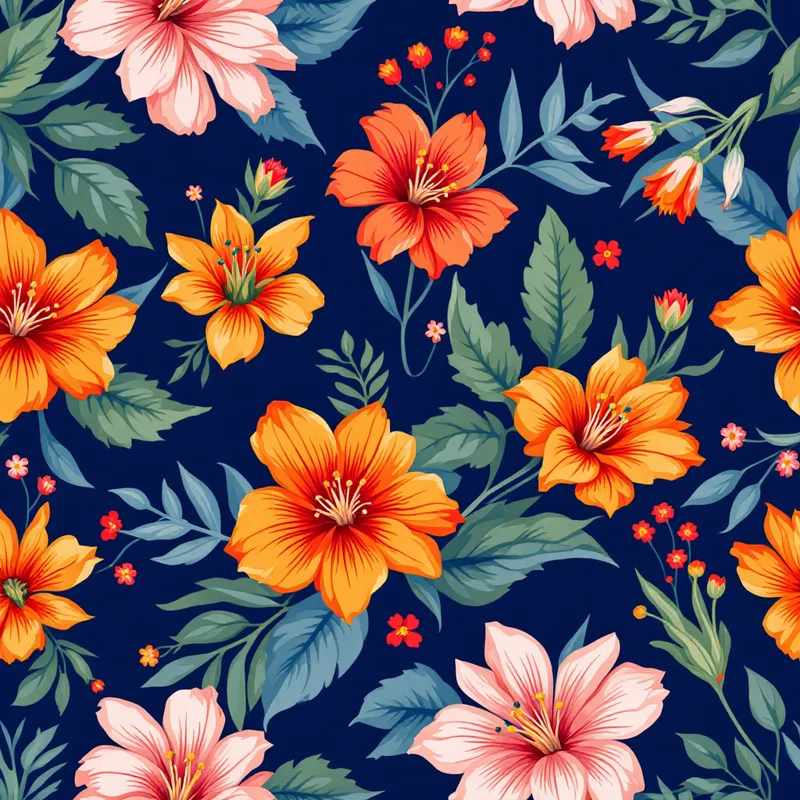
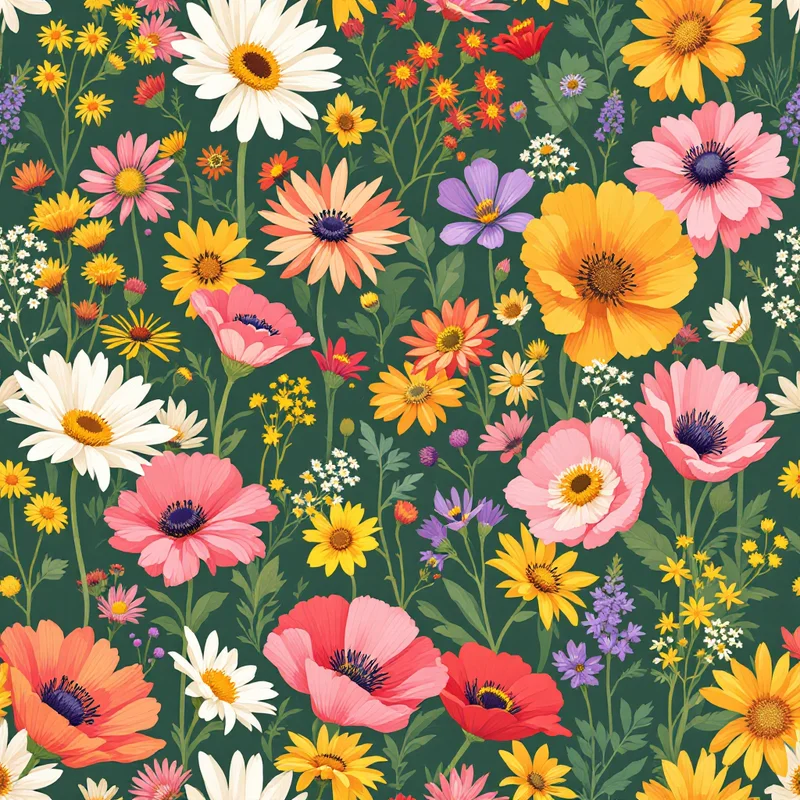
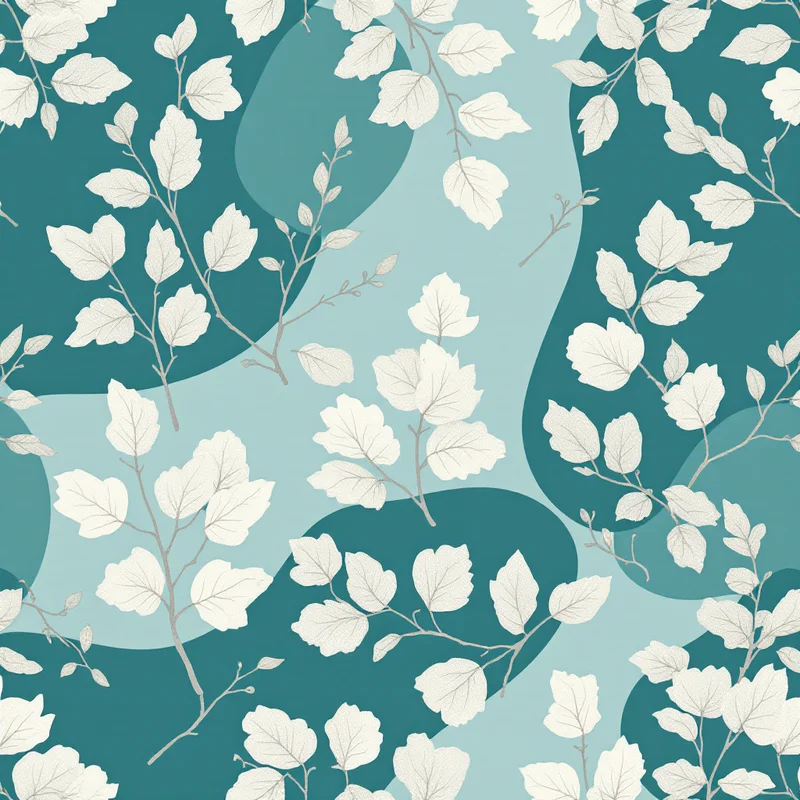
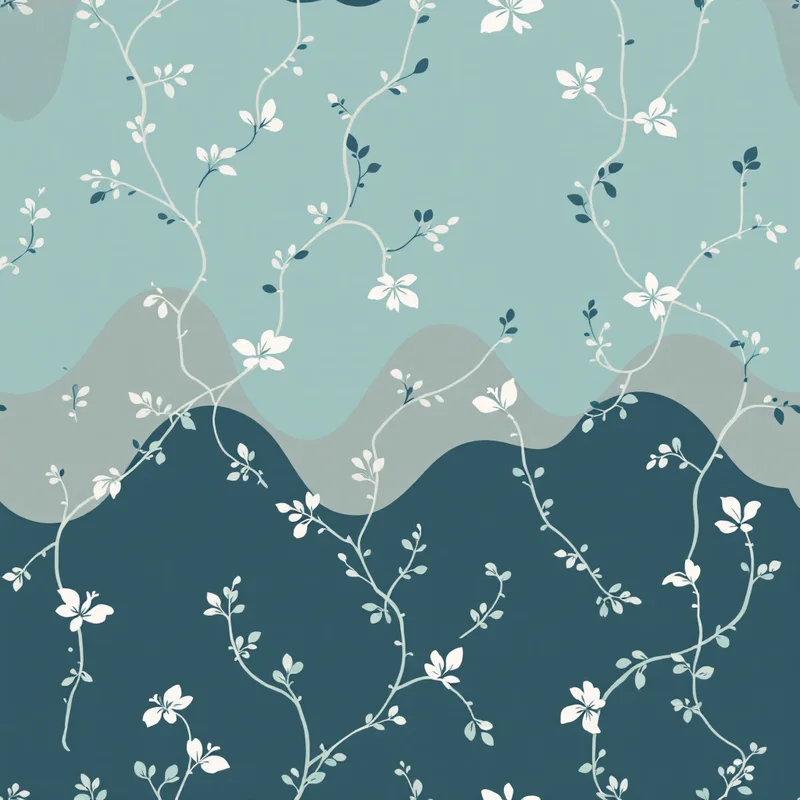
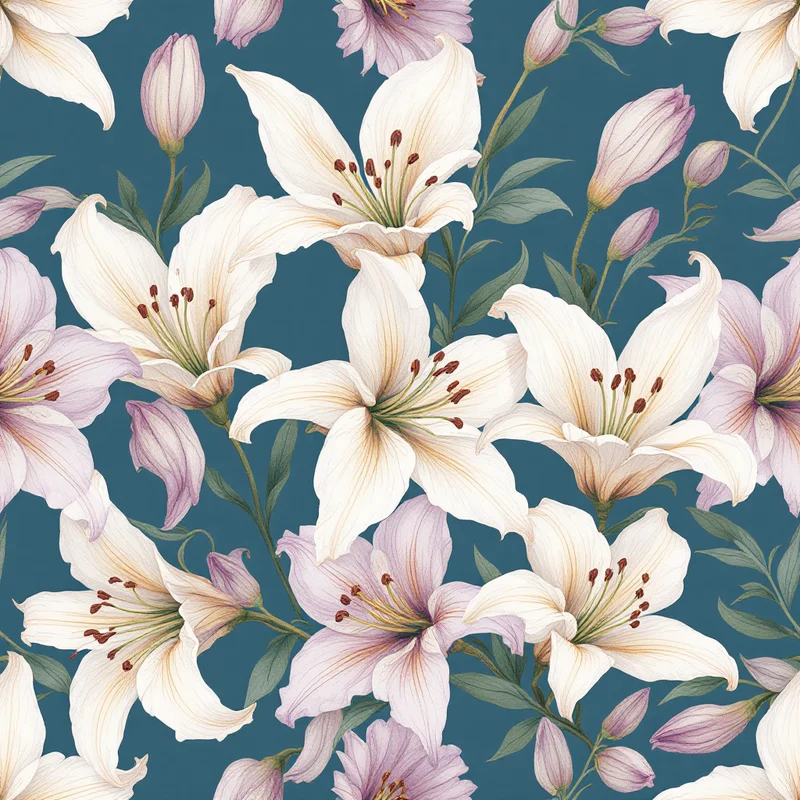
The visual effect of a floral vine pattern is distinctly different from a tossed floral or an allover botanical. Vines create directional flow and a sense of growth, which makes surfaces feel alive and dynamic. This quality has made vine patterns a mainstay of wallpaper design for centuries — from William Morris's iconic Arts and Crafts scrolling vines to contemporary botanical wallpapers in modern interiors. The trailing movement fills a wall naturally, without the static repetition that simpler motifs can create at architectural scale.
Commercial applications
In textiles, floral vine patterns work beautifully for upholstery, curtain fabric, bedding, and dress fabric. The organic rhythm of the vine creates visual continuity across large cuts of fabric, which makes garments and furnishings look cohesive rather than choppy. Vine patterns are especially popular for wedding and event decor — table runners, ceremony backdrops, and invitation suites — where the flowing botanical motif signals romance and natural elegance.
Where to use floral vine patterns
The tool gives you control over vine density, flower style, leaf shape, and rendering finish. Choose from watercolor washes, detailed botanical illustration, loose ink sketches, or flat vector styling. Adjust the balance between foliage and flowers, add secondary elements like berries or buds, and set the color palette to match your project. Export at up to 8K resolution for wallpaper panels and large-format textiles.