Design characteristics
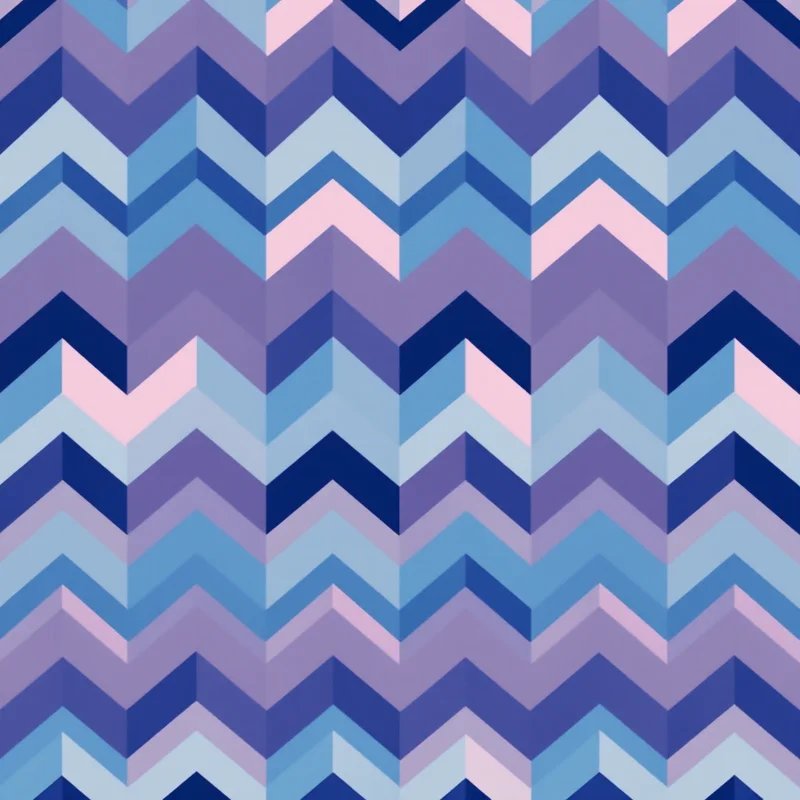
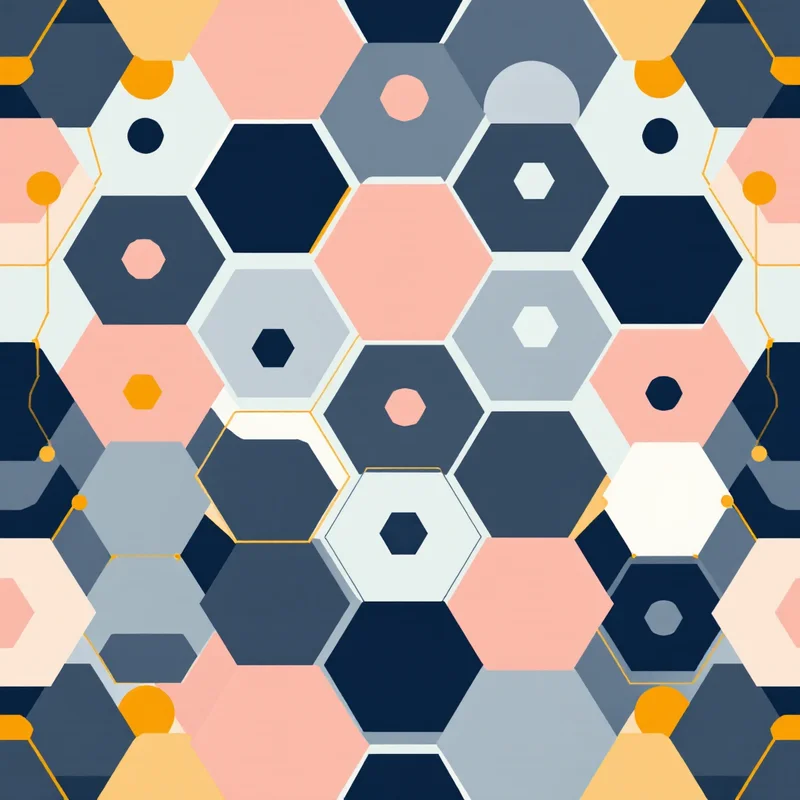
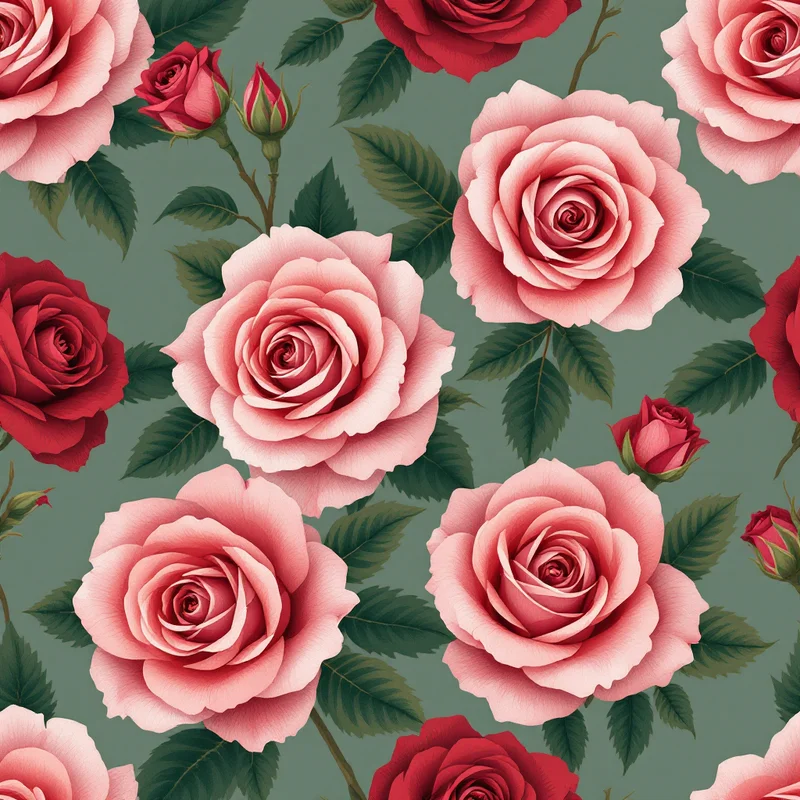
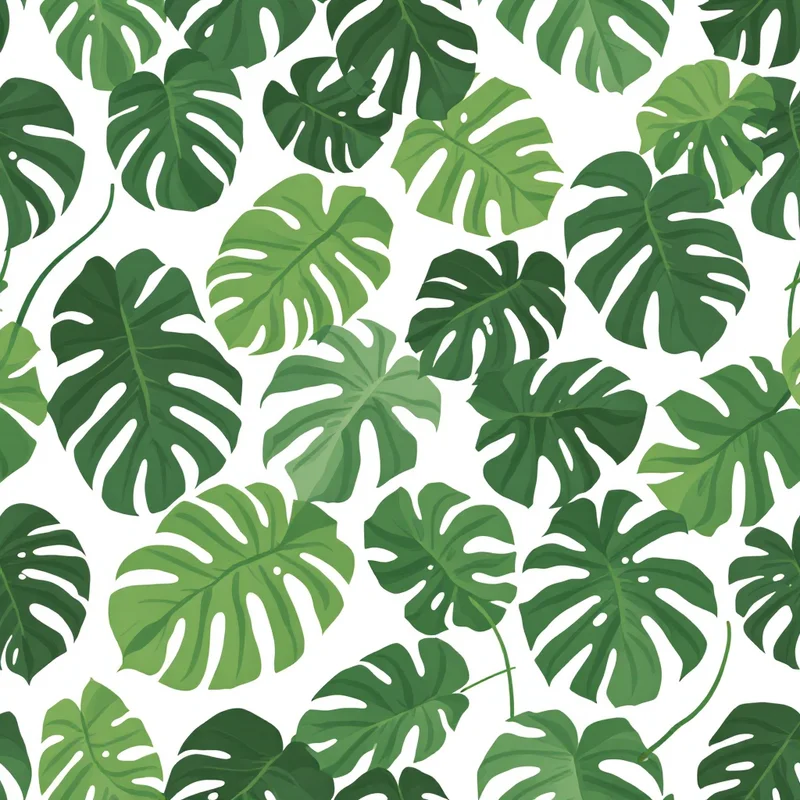
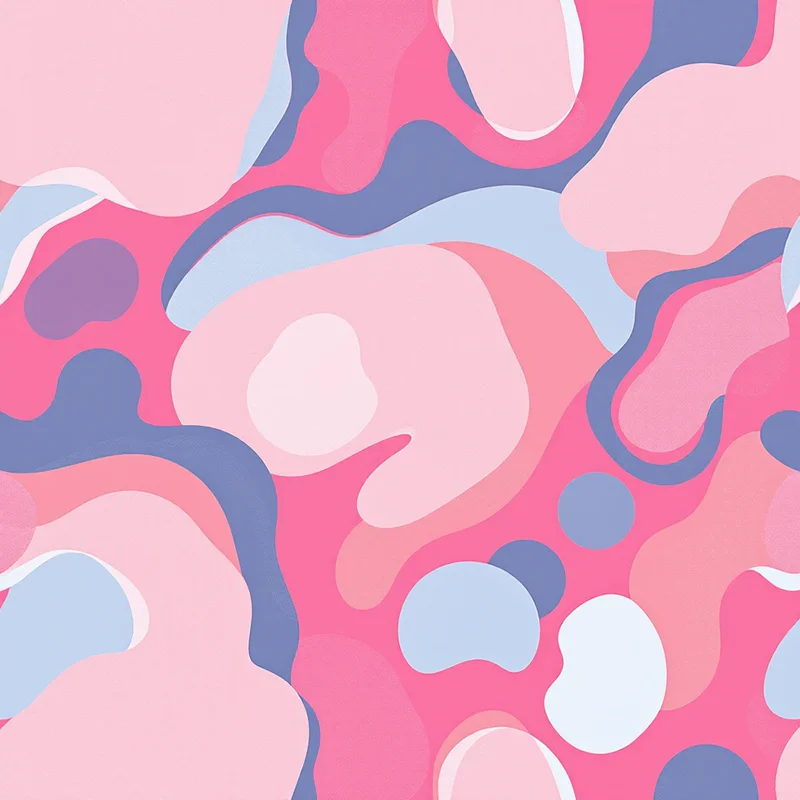
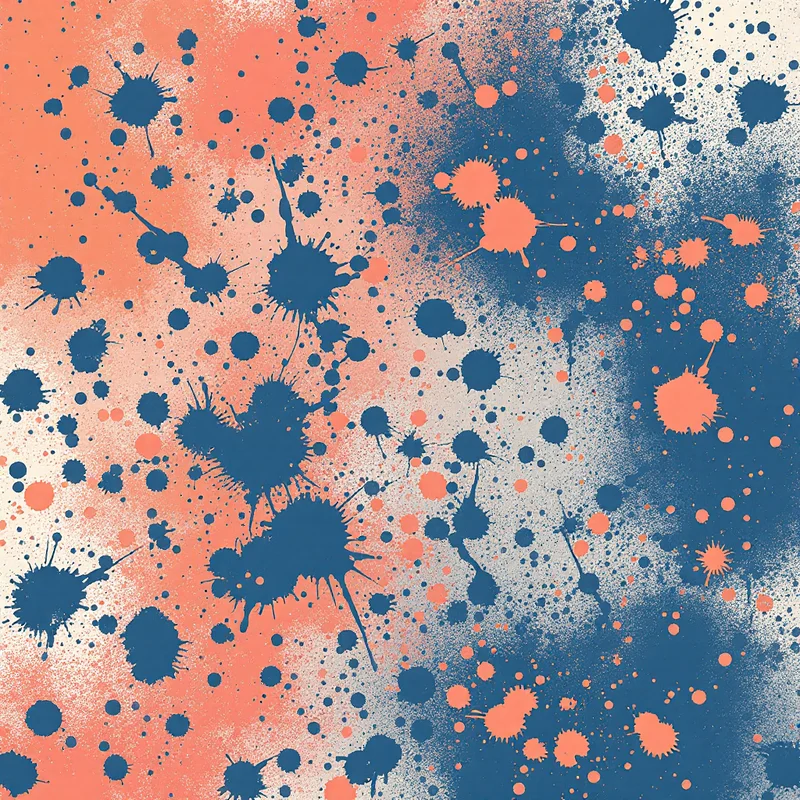
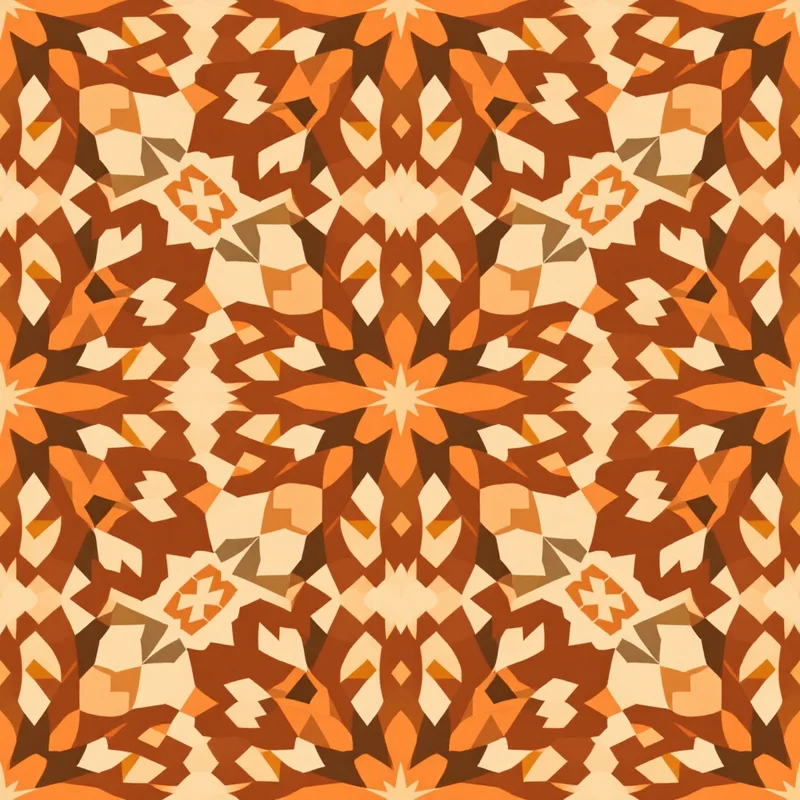
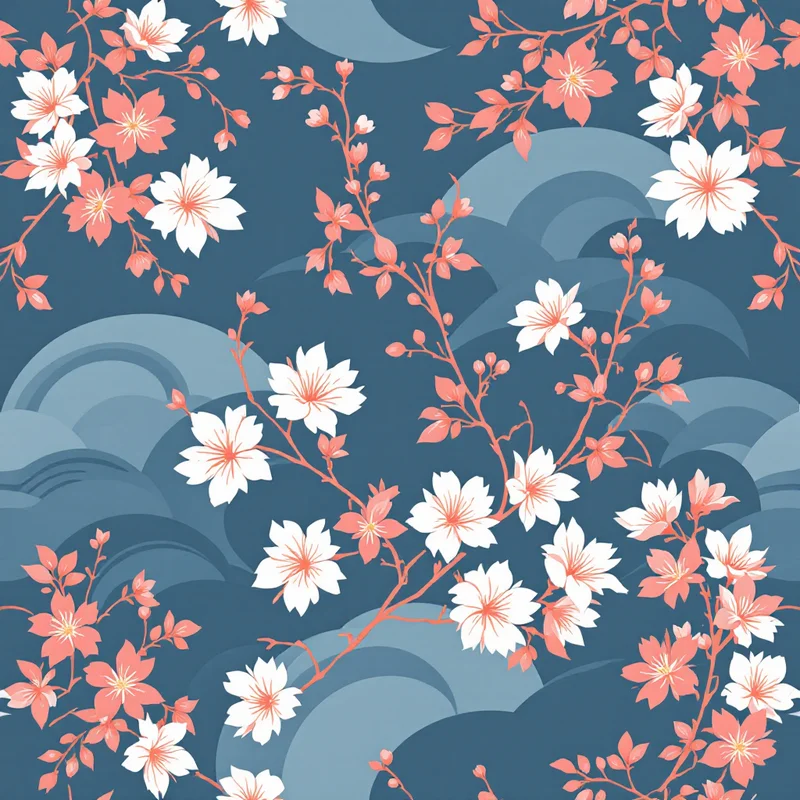
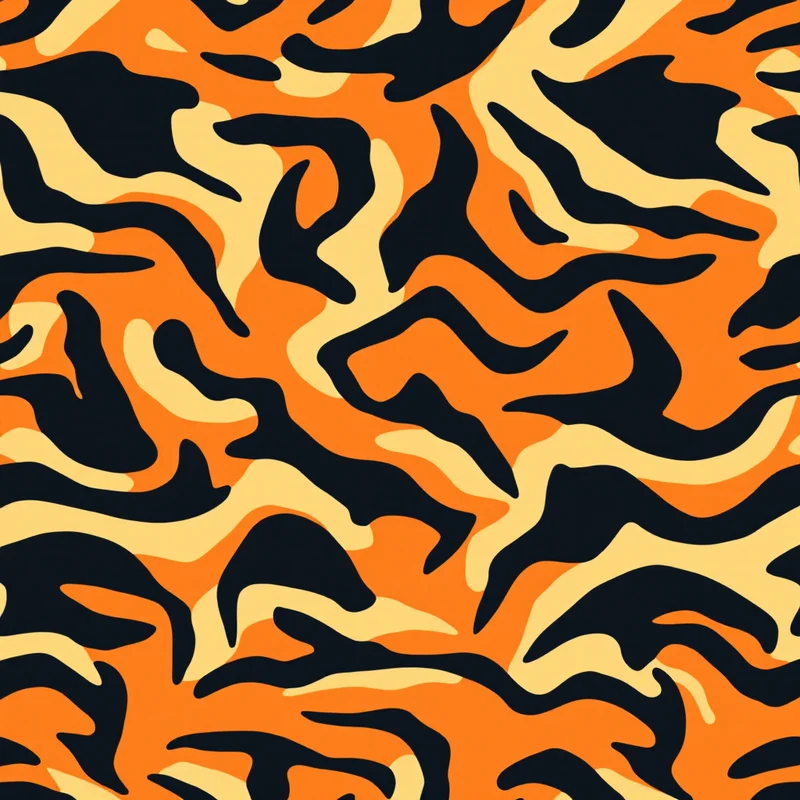
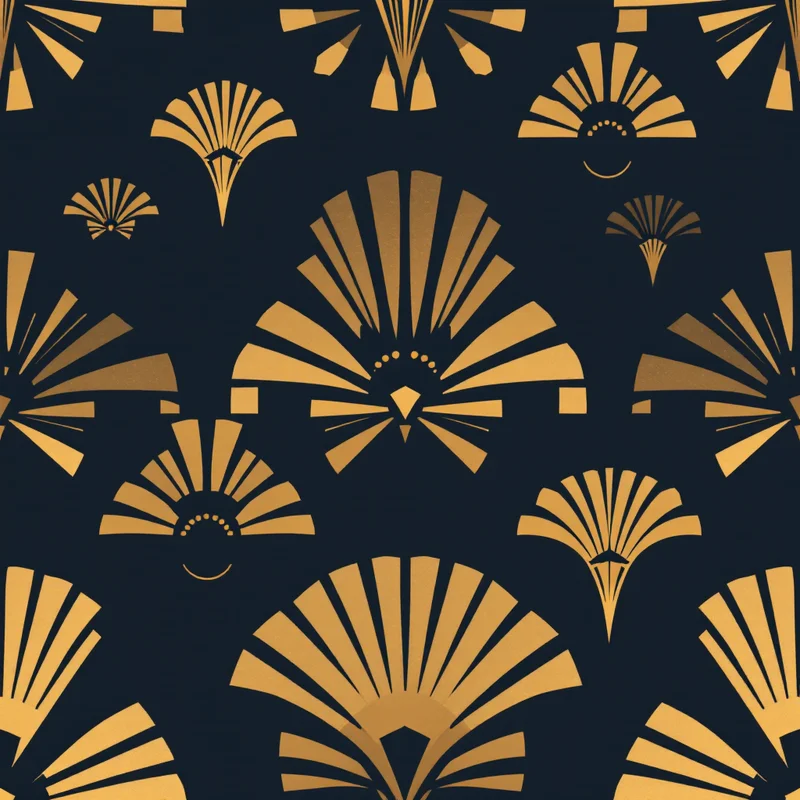
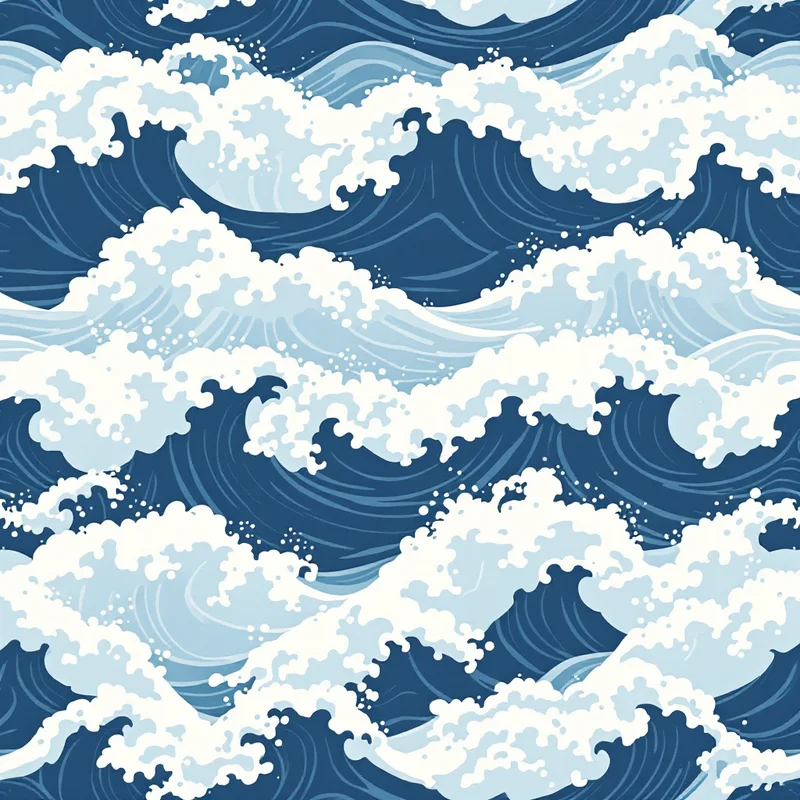
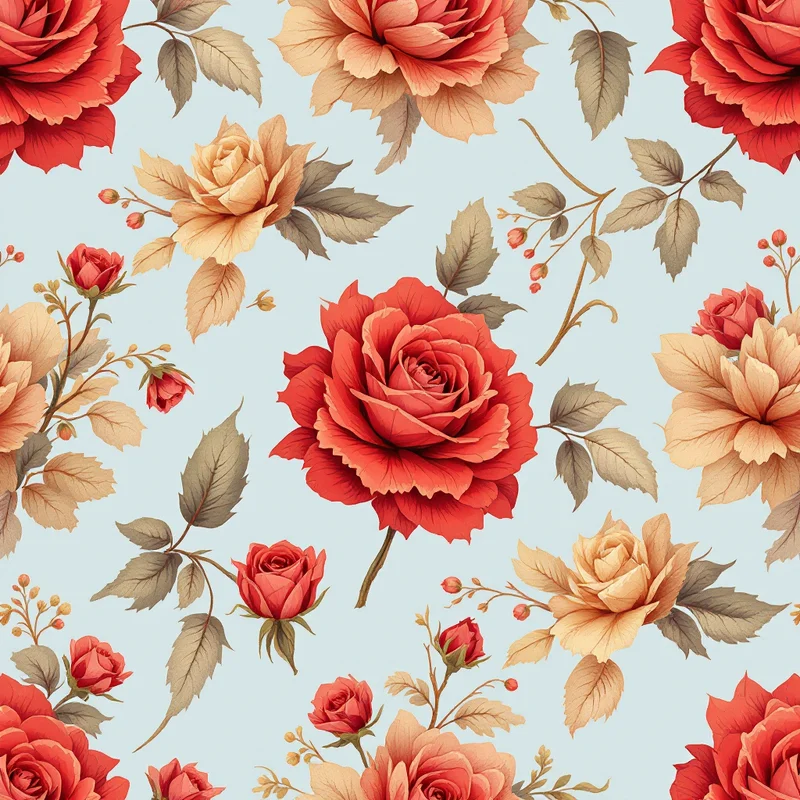
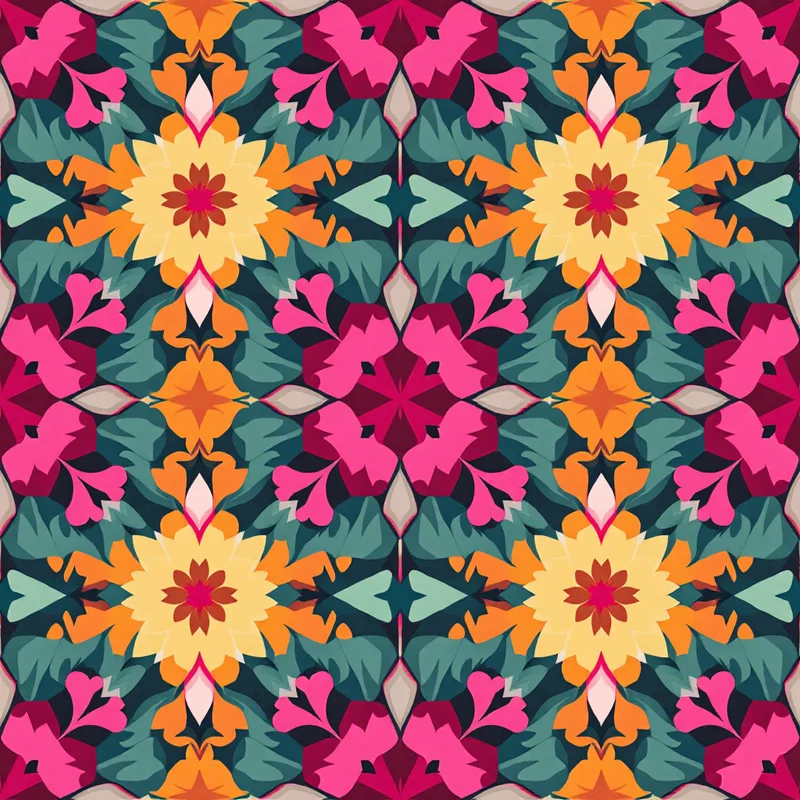
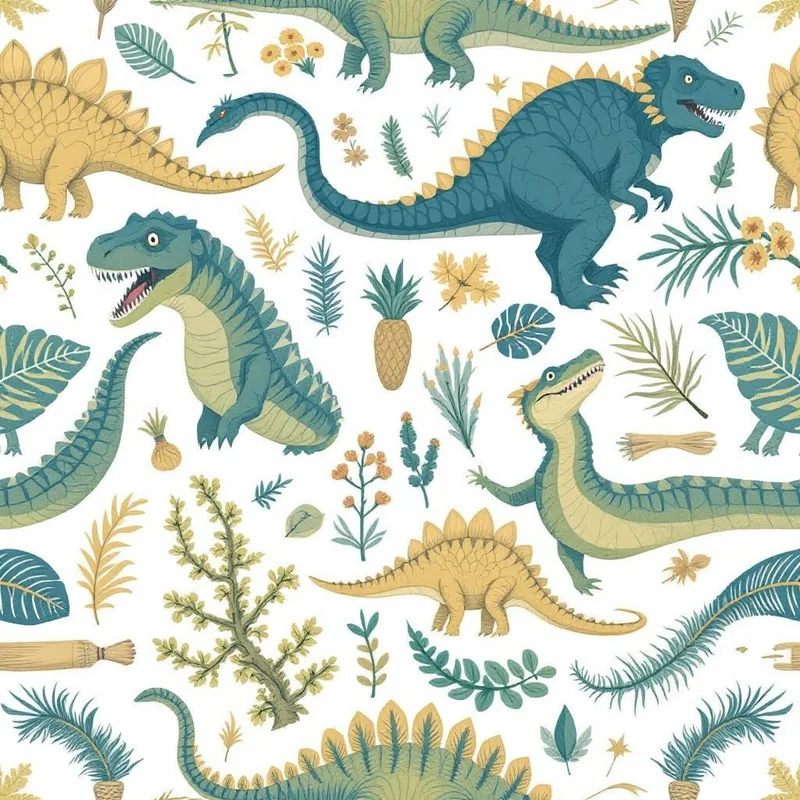
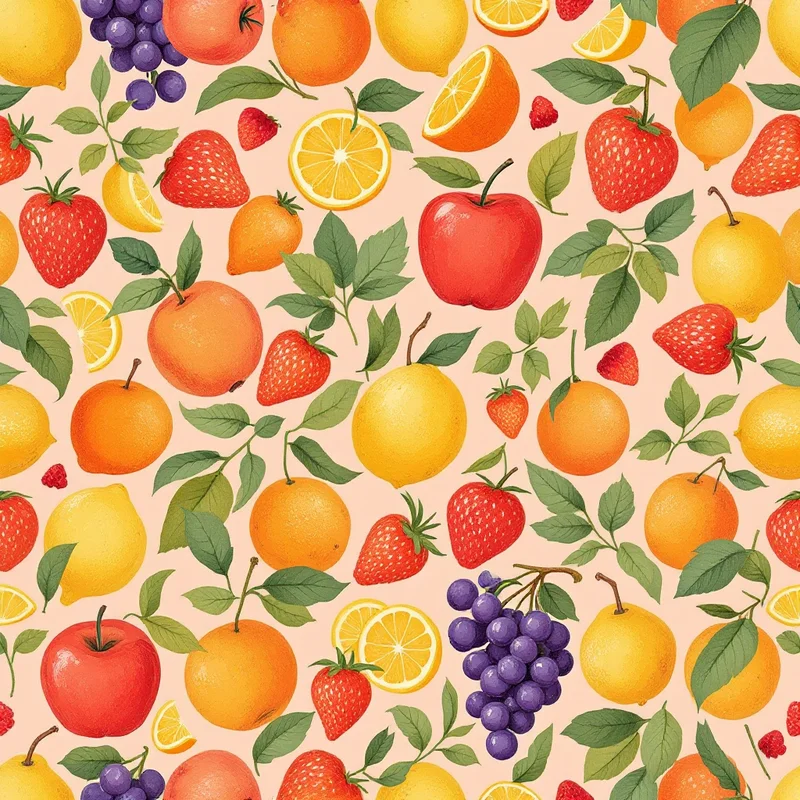
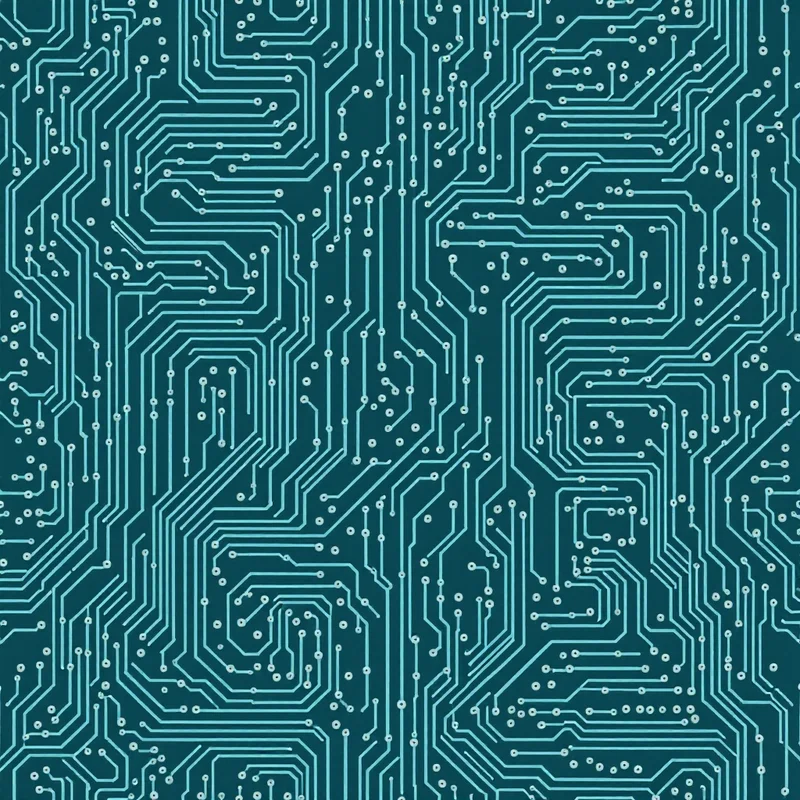
The visual hallmarks of fabric patterns come from centuries of weaving, printing and dyeing traditions. Block-printed florals trace back to Indian and Persian textiles, damasks and brocades grew out of European jacquard weaving, and stripes, checks and ginghams emerged from yarn-dyed cotton mills. Today those same vocabularies show up in everything from quilting cotton to silk scarves: scattered botanicals, foulard medallions, paisley teardrops, chevrons, polka dots, plaids and abstract brushstrokes. Color choices often follow seasonal palettes, dusty pastels and earthy neutrals for home goods, saturated brights for swimwear and activewear, and tonal navy, cream and sage for classic apparel.
Commercial applications
Designers reach for a generator because building a flawless repeat by hand is slow and unforgiving. Pattern Weaver compiles your style, motif, color and layout selections into a structured design recipe and produces a seamless tile you can drop straight into a print workflow. You can iterate through dozens of directions in the time it would take to hand-place a single motif, which makes it practical to develop a full collection, test colorways, or respond to a client brief without committing days of studio time up front.
Where to use fabric pattern generator for seamless textile designs patterns
The same fabric print works across far more than clothing. A single floral repeat can run on dress fabric, cushion covers and curtains, become the lining of a tote bag, wrap a soap or candle box, or tile across gift wrap and wallpaper. Because the artwork is generated as a clean, edge-matched tile, it scales up for upholstery yardage or shrinks down for a phone case or notebook cover without breaking the repeat. That cross-product flexibility is why one strong pattern can anchor an entire homeware or fashion range.
Customization & export
Control is what makes the output usable rather than just pretty. You set density to move between an open, breathable layout and a packed all-over print, adjust scale so the motifs match the end product, from a fine shirting print to a bold drapery design, and tune the color palette to hit a specific brand or seasonal story. When the design is right, you export it seamless at up to 8K (8192x8192) in the format your printer needs: PNG and WEBP for digital proofing and print-on-demand, TIFF for high-resolution textile printing, PDF for press-ready handoff, JPG for quick mockups, and SVG for scalable vector edits.
The result is a workflow that takes you from idea to print-ready file without a steep learning curve. Pattern Weaver handles the technical demands of a true repeat, so you can focus on the look, the colorway and the story behind the collection, then send finished files to a fabric mill, a print-on-demand service or your own production run with confidence that the tile will repeat exactly as intended.