

Design characteristics
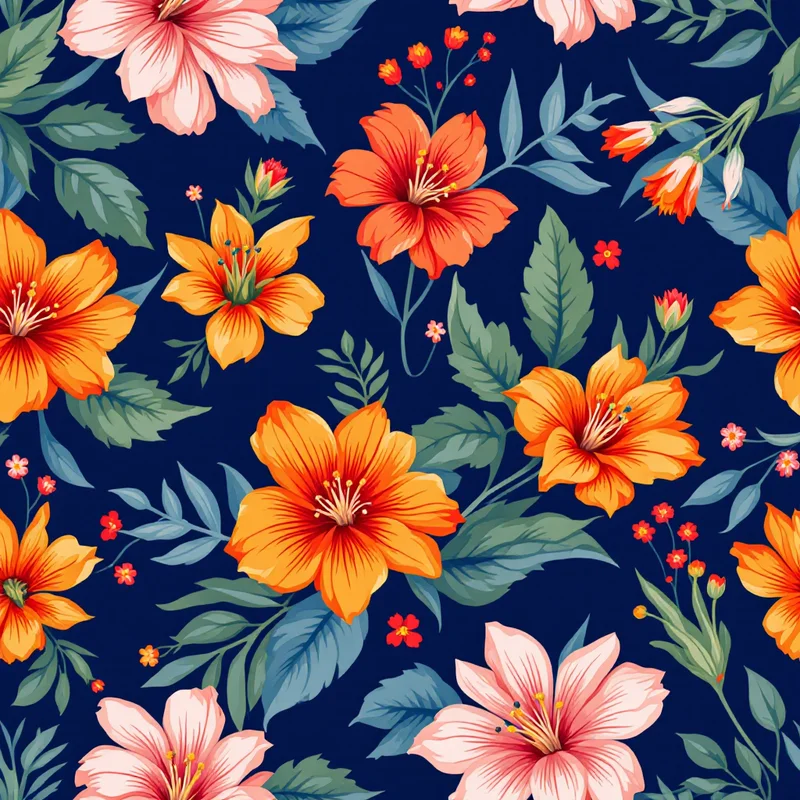
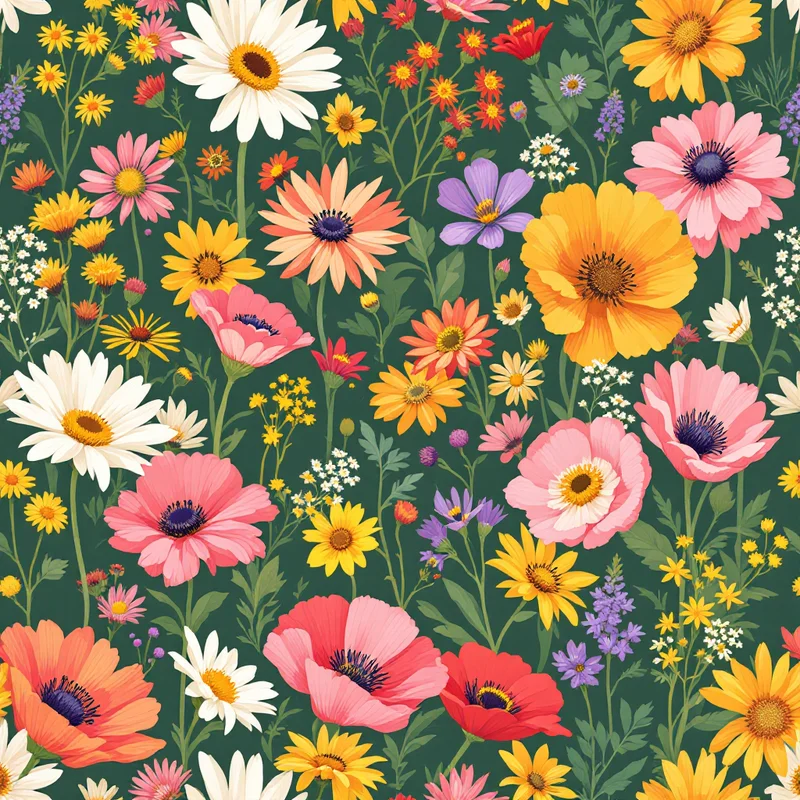
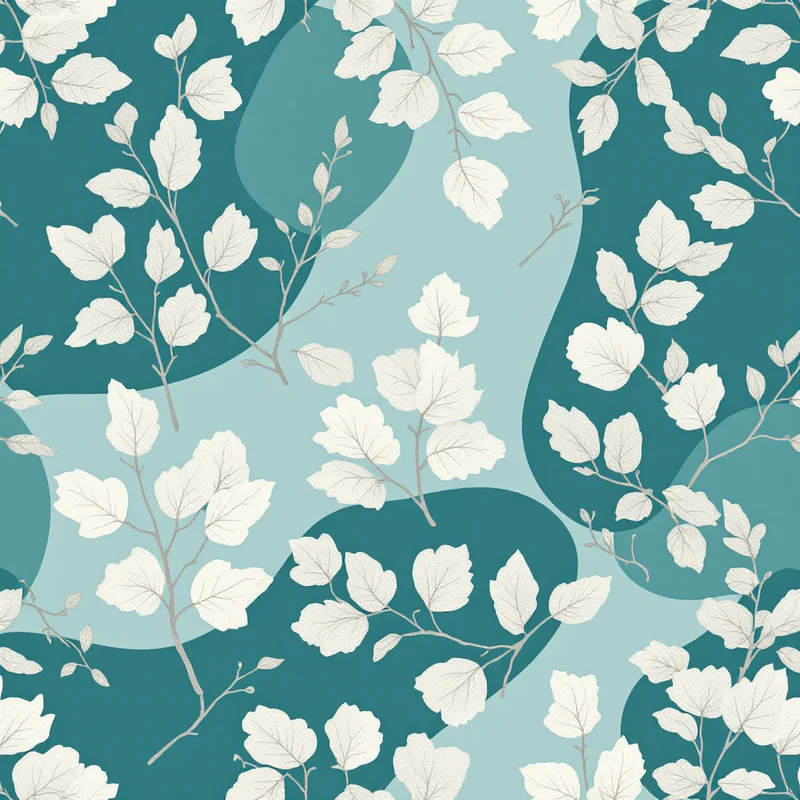
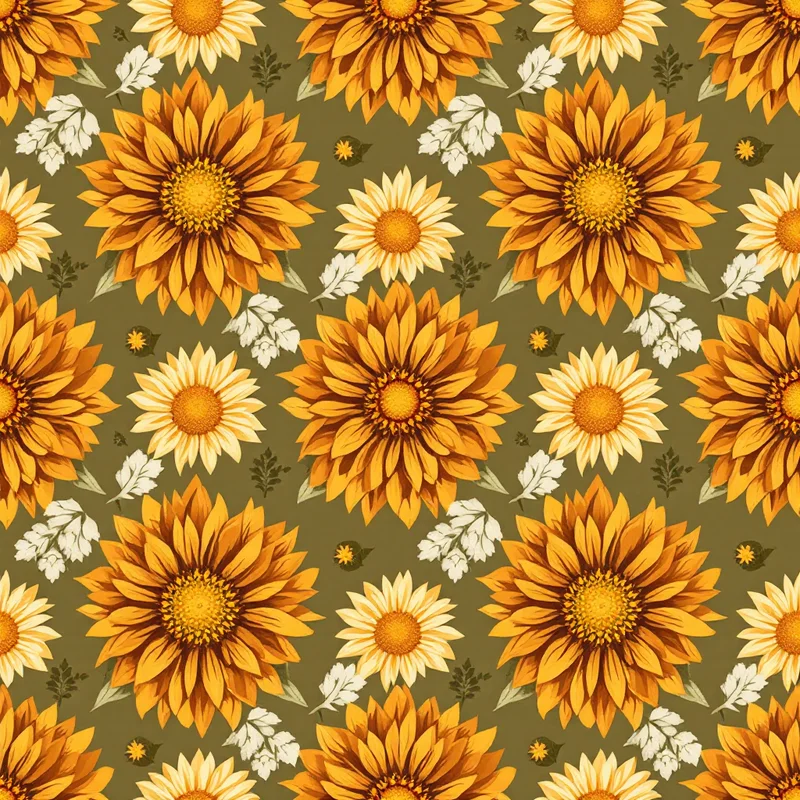
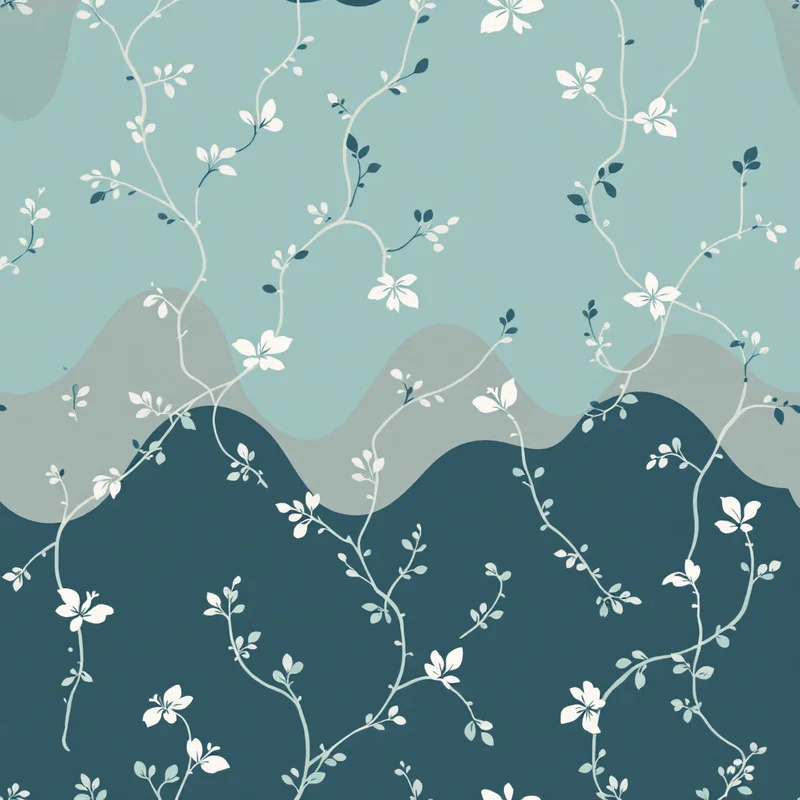
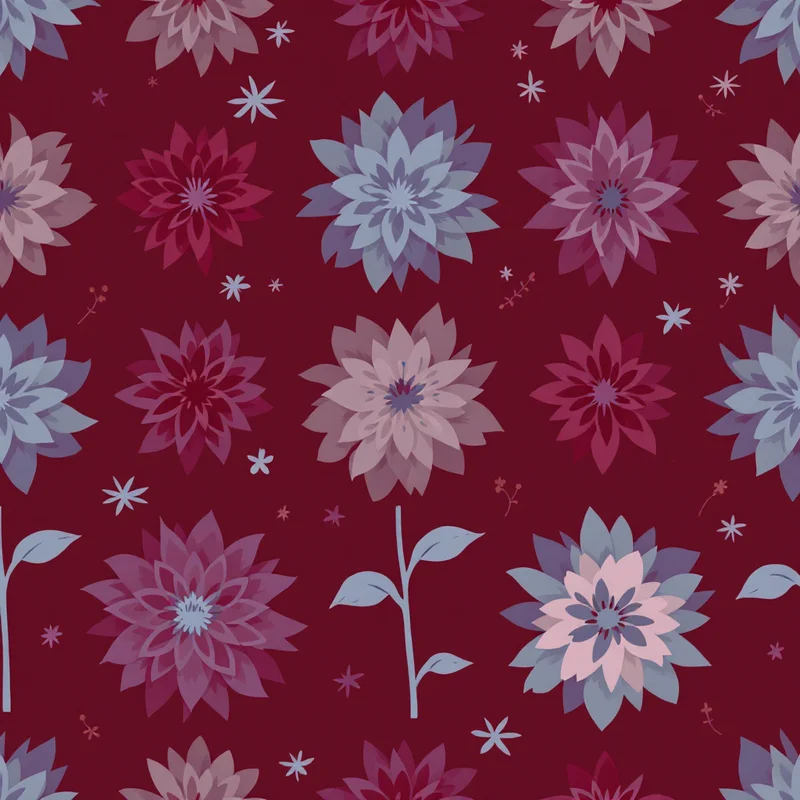
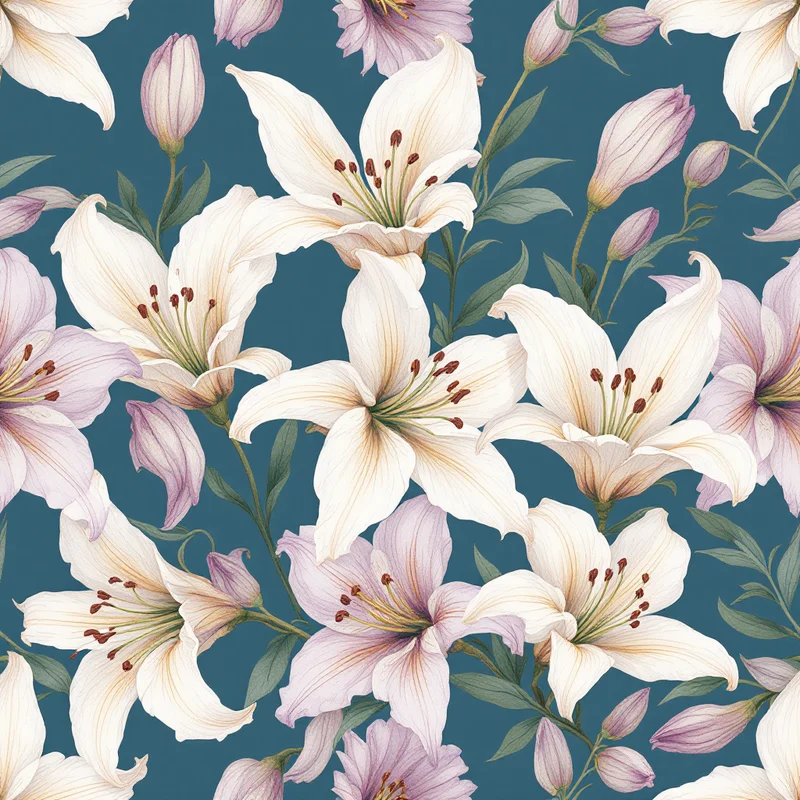
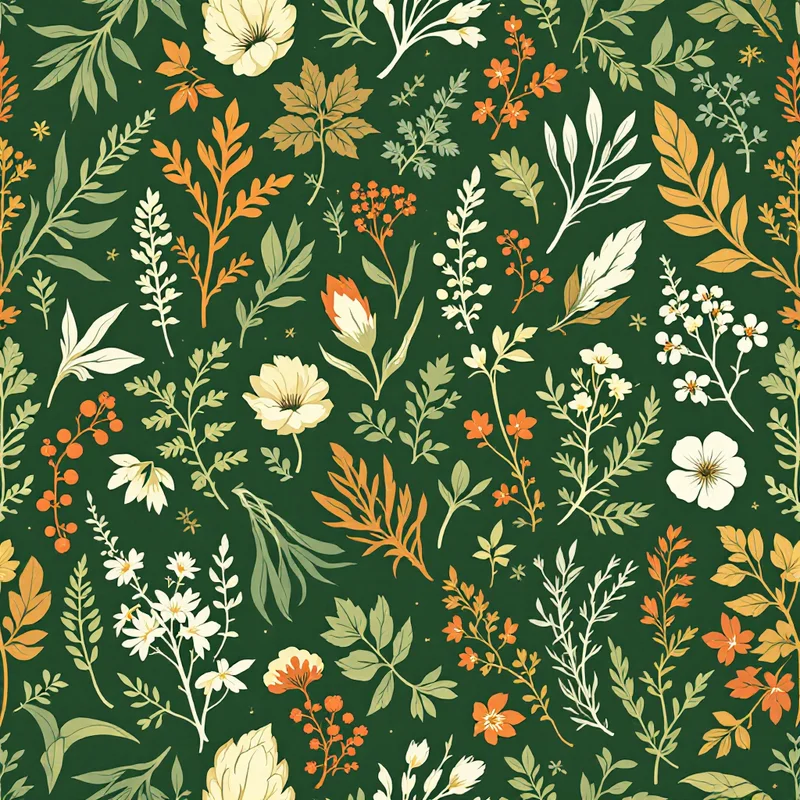
The motif carries a long visual history. Daisies appear in medieval millefleur tapestries, in pressed-flower botanical studies, and most famously in the 1960s and 70s flower-power movement, where oversized white-and-yellow blooms became shorthand for optimism and youth. That heritage still shapes how daisy prints feel today, so designers can lean retro with chunky mod silhouettes or stay delicate with fine botanical line work. Common colorways include classic white petals with sunny yellow centers, but the flower adapts easily to pastels, brights, monochrome ink-drawn versions, and moody dark-ground florals where pale blooms pop against navy, black, or forest green.
Commercial applications
Designers reach for daisy patterns because they balance charm with versatility. The same bloom can feel playful on childrenswear, nostalgic on a summer dress, or refined on a ceramic-style home accent, depending on scale and palette. Daisies also mix well with companions like leaves, stems, dots, and gingham checks, which makes them a dependable building block for full collections rather than one-off prints.
Where to use daisy patterns for fabric, wallpaper & print patterns
Across products, daisy repeats translate cleanly. Small tossed daisies suit quilting cotton, bedding, and scarves; medium-scale florals work for dresses, blouses, and tote bags; and large statement blooms make a strong impression on wallpaper, upholstery, and feature cushions. Stationery, gift wrap, soap and candle packaging, phone cases, and enamel pins all benefit from the motif's instant readability. Because a daisy reads as a single clear shape, it survives shrinking down to a label or scaling up to a wall without turning to mush.
Customization & export
Pattern Weaver lets you generate seamless daisy patterns and then dial in every detail. Adjust density to move from a sparse scattering to a packed meadow, shift scale to control how many blooms appear per repeat, and recolor petals, centers, and background independently to match a brand or seasonal range. The studio keeps the repeat tile seamless as you experiment, so what you preview is what tiles across the finished product. When the design is right, export print-ready files up to 8K (8192x8192) in PNG, JPG, WEBP, TIFF, PDF, or SVG, with CMYK output for professional printing.
That combination of a forgiving, well-loved motif and precise control is why daisy patterns are a smart starting point for new designers and a steady workhorse for established ones. Start from a featured substyle, refine it inside Pattern Weaver, and you have a coordinated print ready for fabric, wallpaper, packaging, or accessories the same day.