Design characteristics
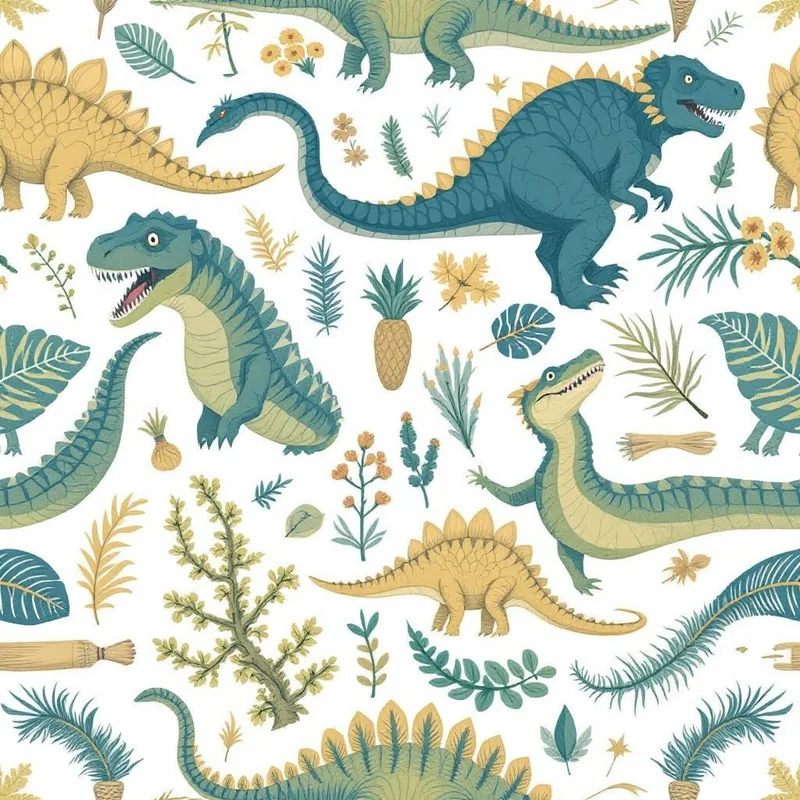
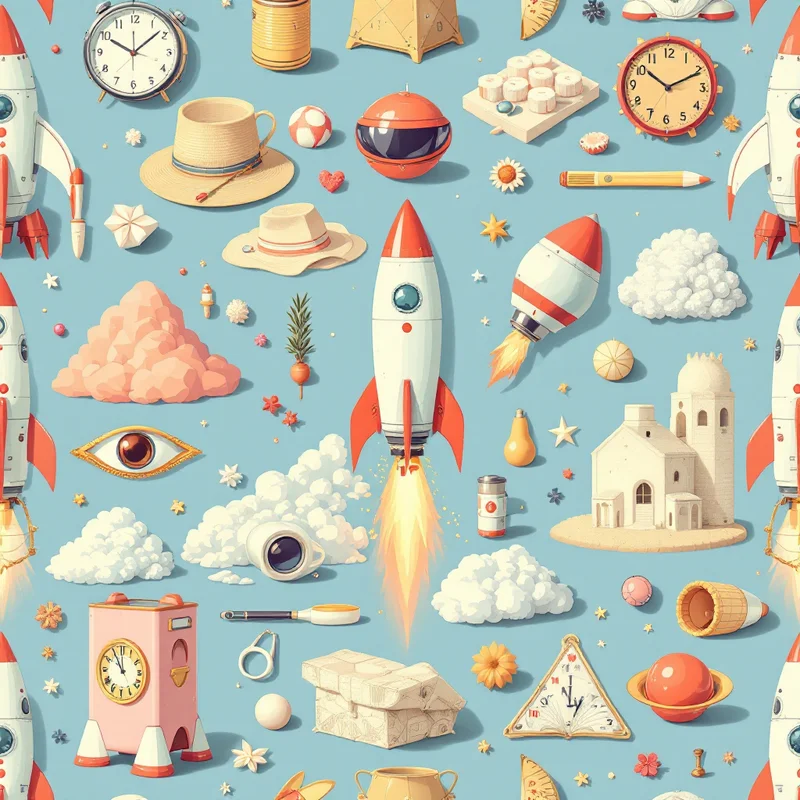
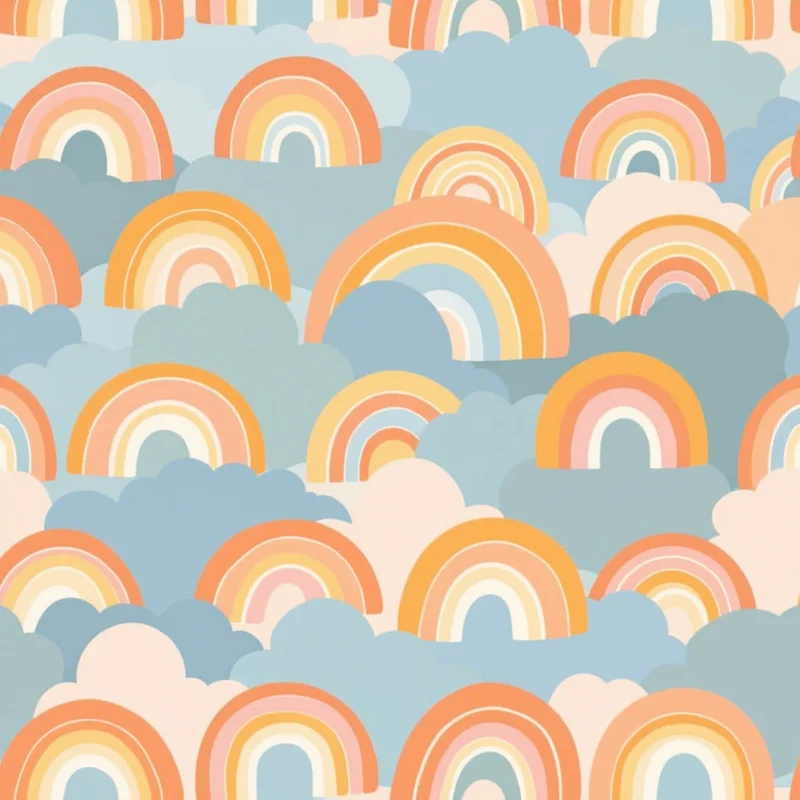
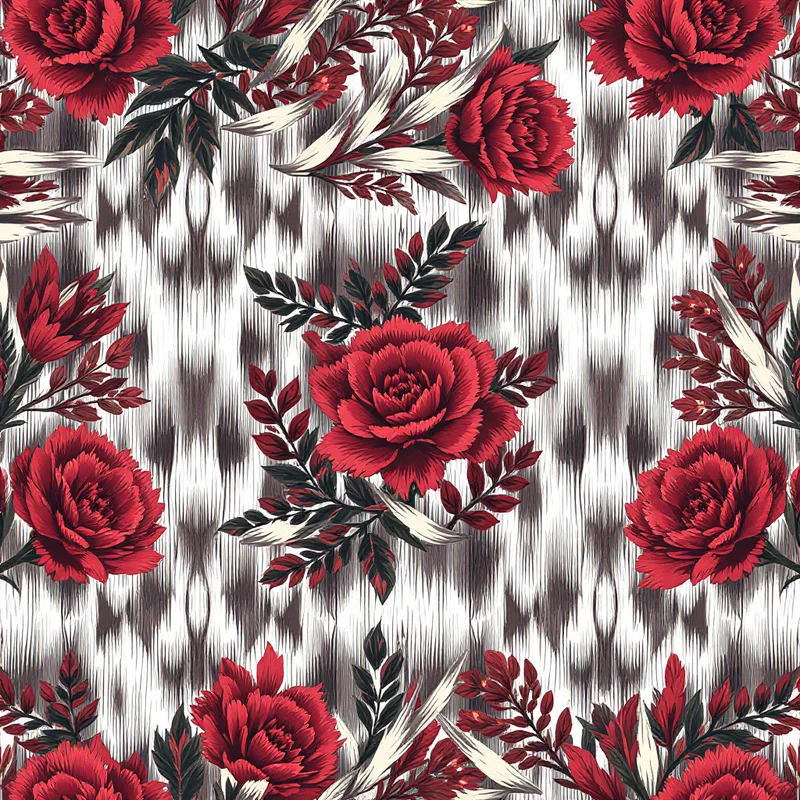
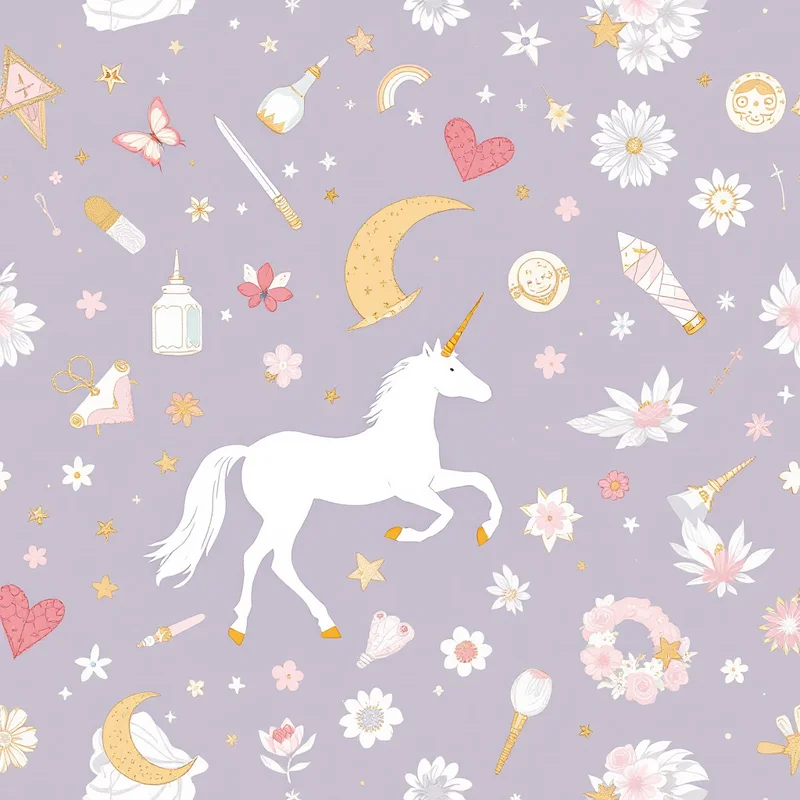
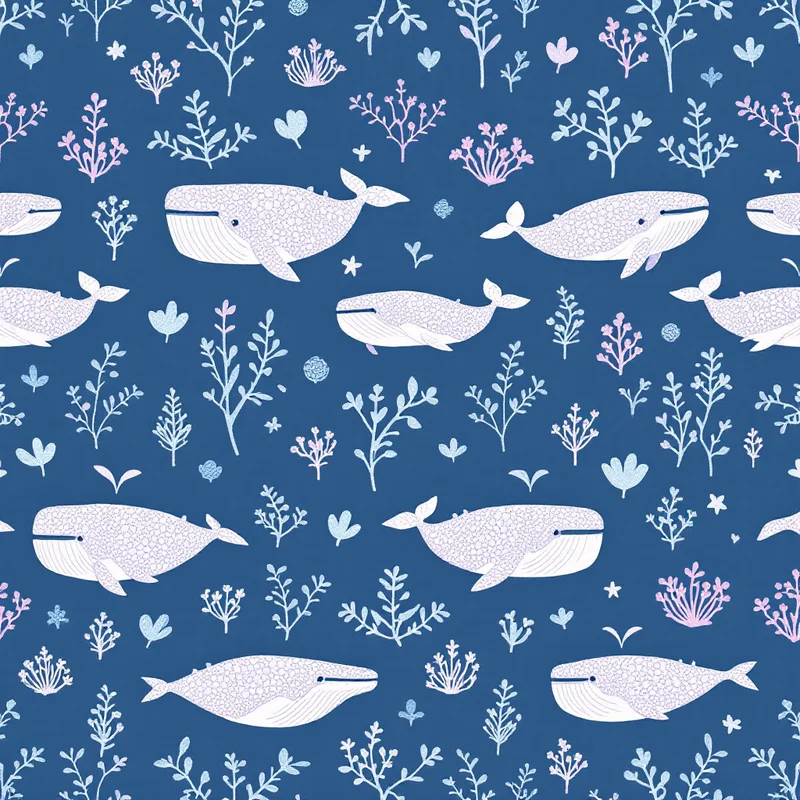
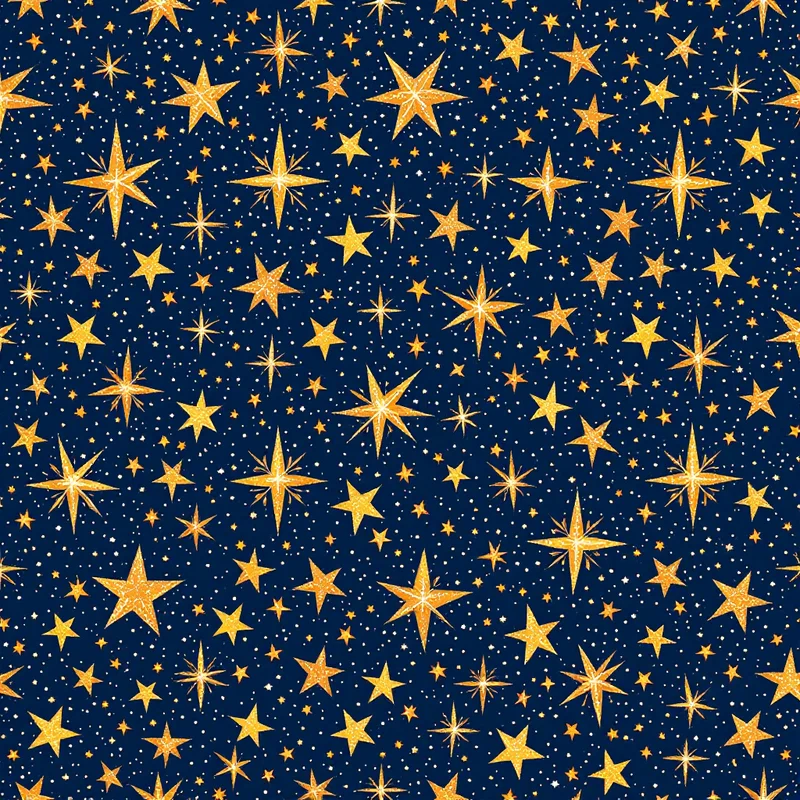
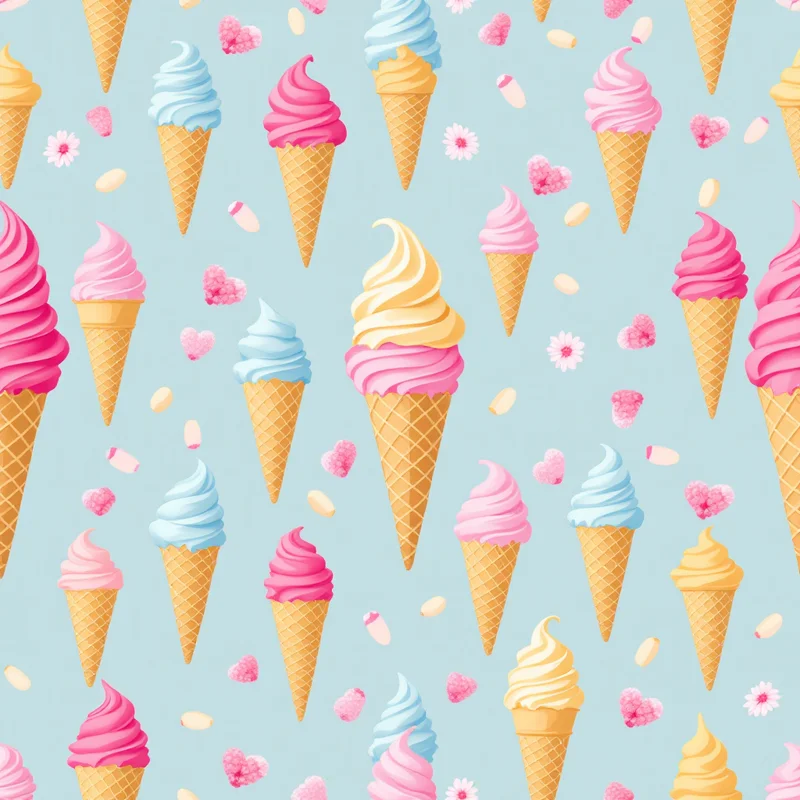
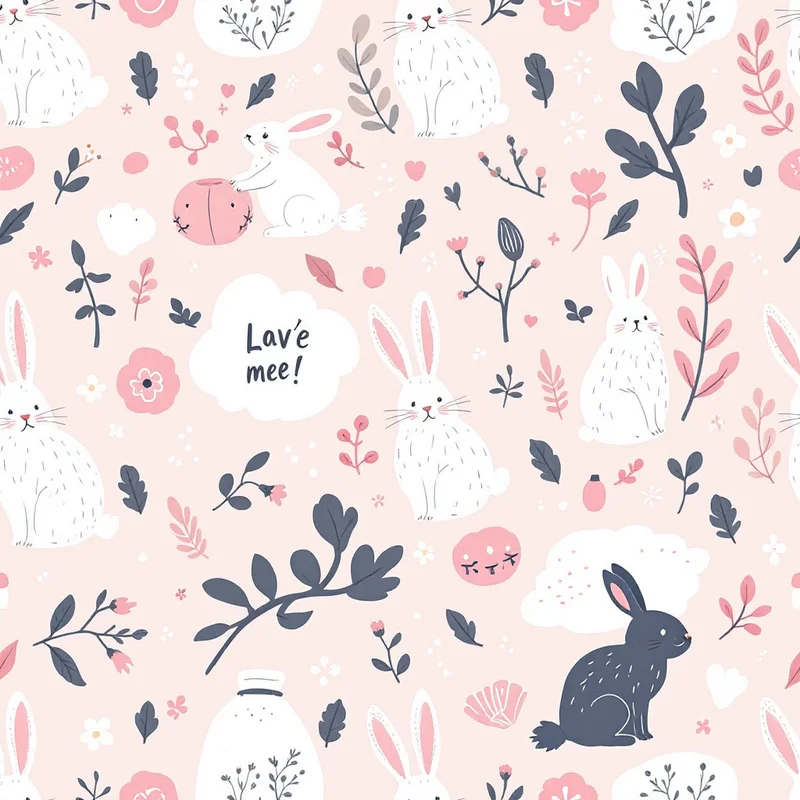
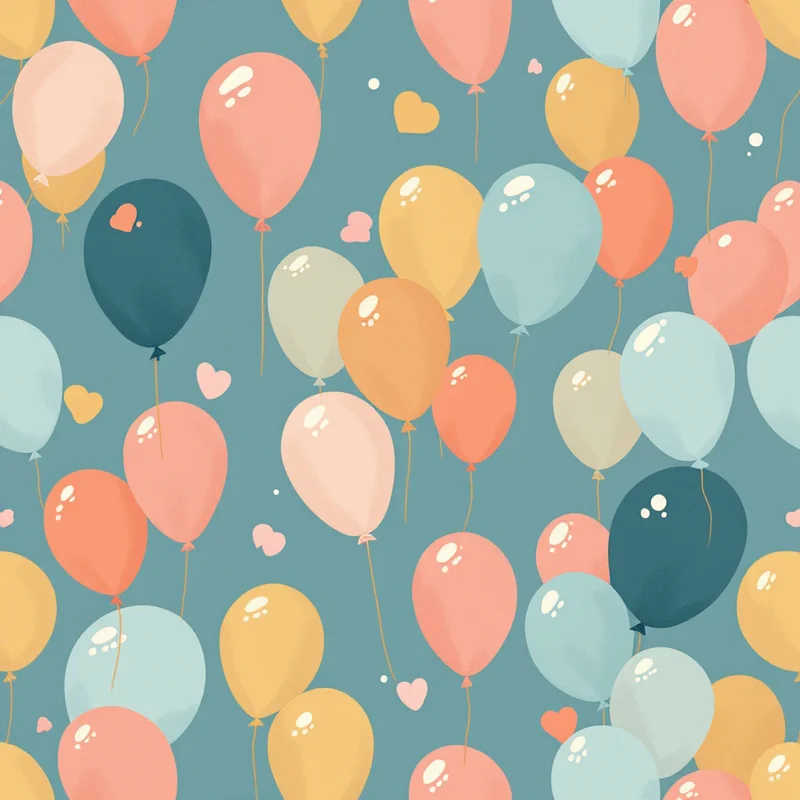
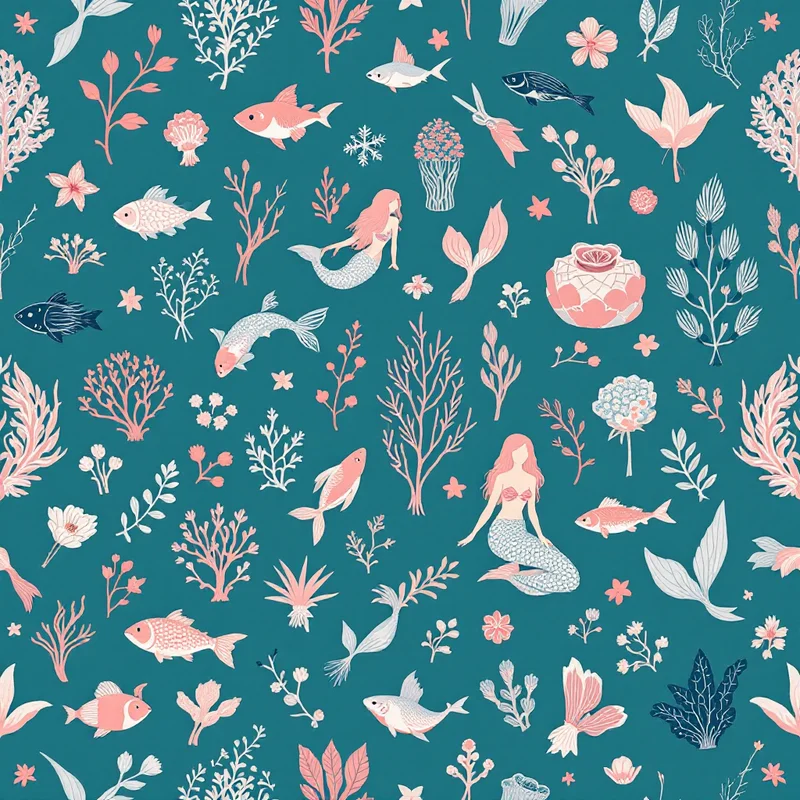
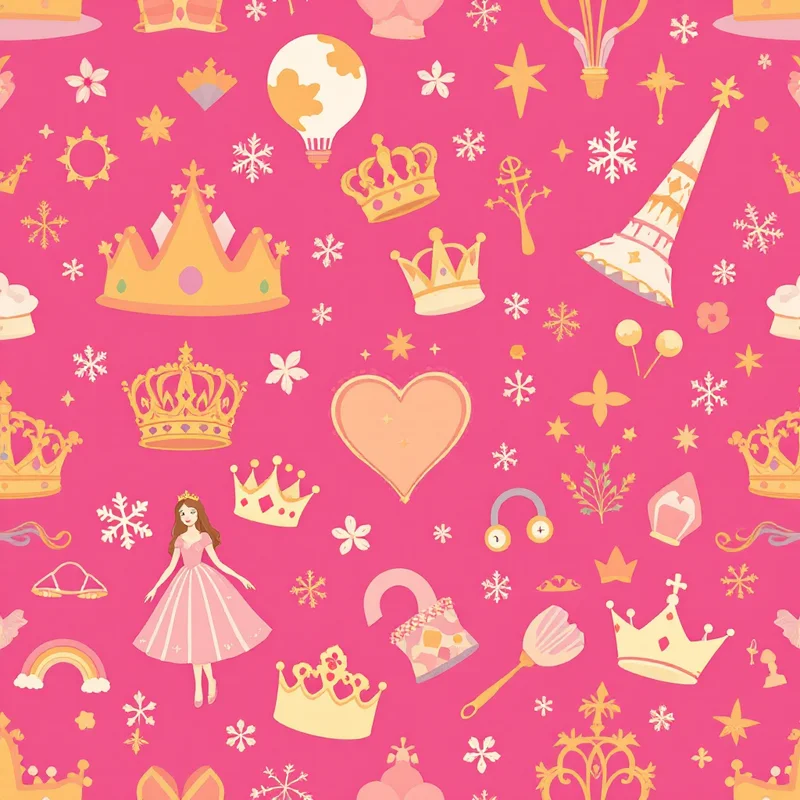
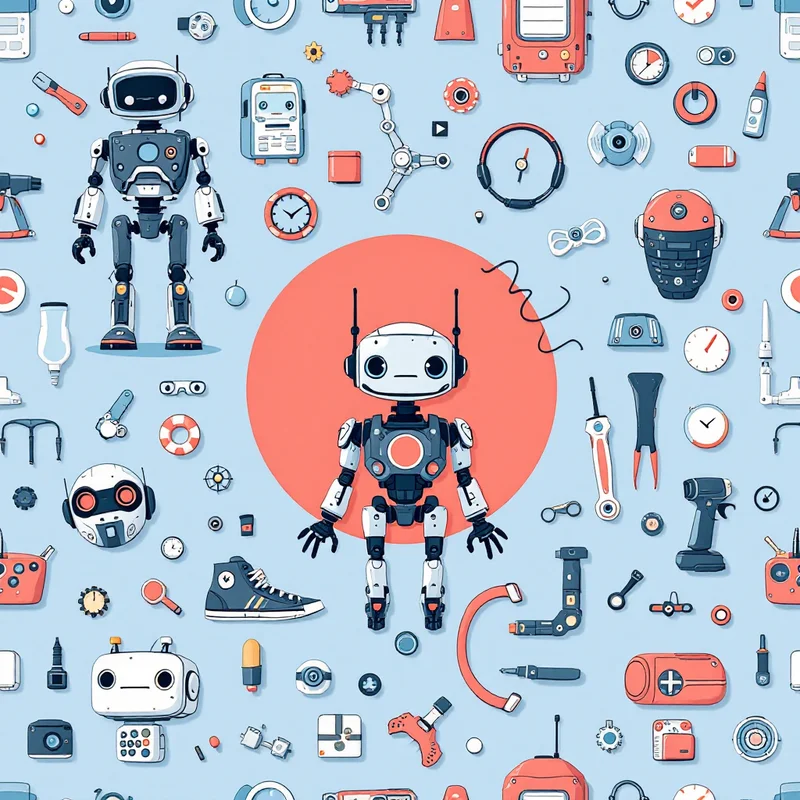
The aesthetic traces much of its modern shape to Japanese kawaii culture, which rose through the 1970s and 80s and turned small, big-headed characters into a global visual language. That heritage shows up in the proportions cute patterns favor: oversized heads, tiny limbs, and minimal facial detail. Alongside the kawaii lineage sit cottagecore florals, nursery-storybook illustration, and Y2K bubble graphics, all of which feed the same family of soft, low-contrast, sweet imagery. Common motifs include hearts, stars, rainbows, mushrooms, bows, ghosts, bunnies, bears, cherries, daisies, and tiny cups of coffee or boba scattered in an even toss.
Commercial applications
Designers reach for cute wallpaper because it converts instantly into product warmth. A pattern that feels approachable on screen feels approachable on a phone case, a child's duvet, a stationery cover, or a bakery gift bag. Because the motifs are simplified, they survive scaling down to small repeats without turning muddy, and they read clearly even on textured fabric. The low-contrast pastel base also keeps the design from fighting with whatever sits on top of it, which makes it a dependable backdrop for packaging text and logos.
Where to use cute wallpaper patterns patterns
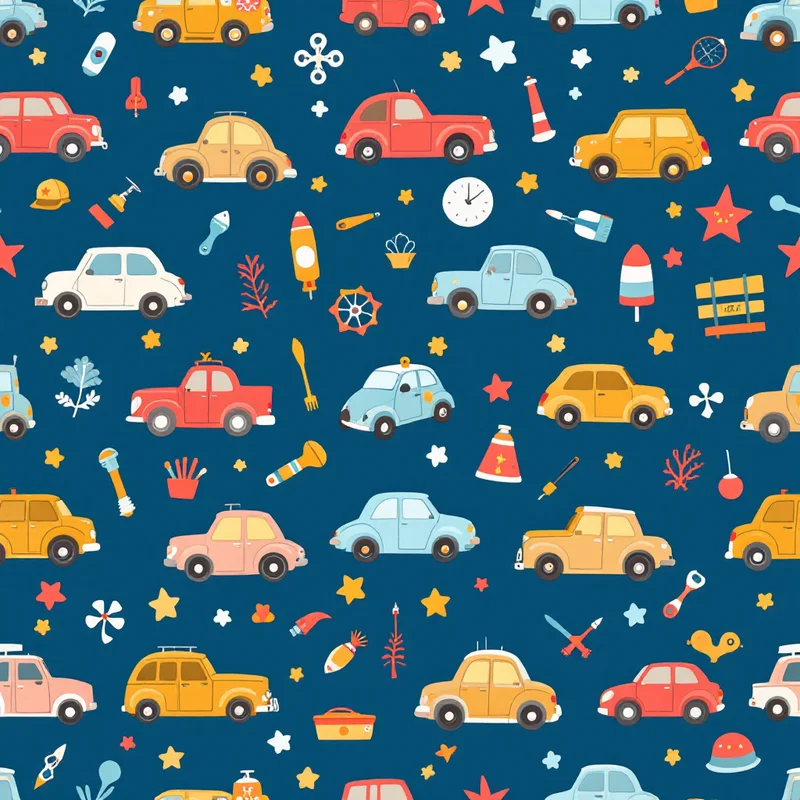
Across products, cute patterns flex easily. In textiles and fashion they cover pajamas, baby onesies, scrunchies, tote bags, and lounge sets. In home decor they appear as actual peel-and-stick wallpaper, throw pillows, bedding, and ceramic mugs. Packaging and accessories lean on them for candy wrappers, sticker sheets, washi tape, phone grips, and notebook covers. The same seamless tile that wraps a wall can shrink onto a pin badge, which is why a single well-built repeat earns its keep across a whole product line.
Customization & export
Pattern Weaver lets you shape every part of that repeat. Pick a substyle, then steer density to decide whether motifs sit sparse and breezy or packed edge to edge. Adjust scale to move from a delicate confetti of tiny icons to a few bold hero characters per tile, and recolor the whole palette to match a brand's pastels or a seasonal theme. When the look is right, export a true seamless tile at up to 8K (8192x8192) in PNG for web mockups, TIFF for fabric printing, or PDF for print-ready production, so the design moves from screen to shelf without a quality drop.
The studio handles the repeat math so edges always meet cleanly, which means you can iterate on a cute concept quickly and trust that the final tile will print without visible seams. Whether you are building a single nursery accent or a coordinated kawaii collection, Pattern Weaver gives you control over motif, color, and scale while keeping the output production-ready.