Design characteristics
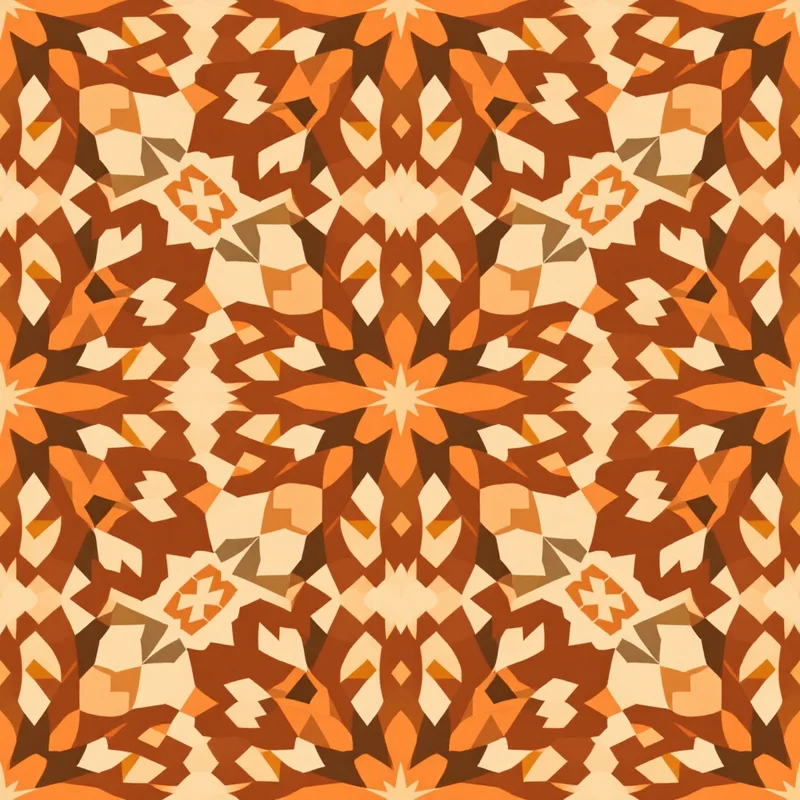
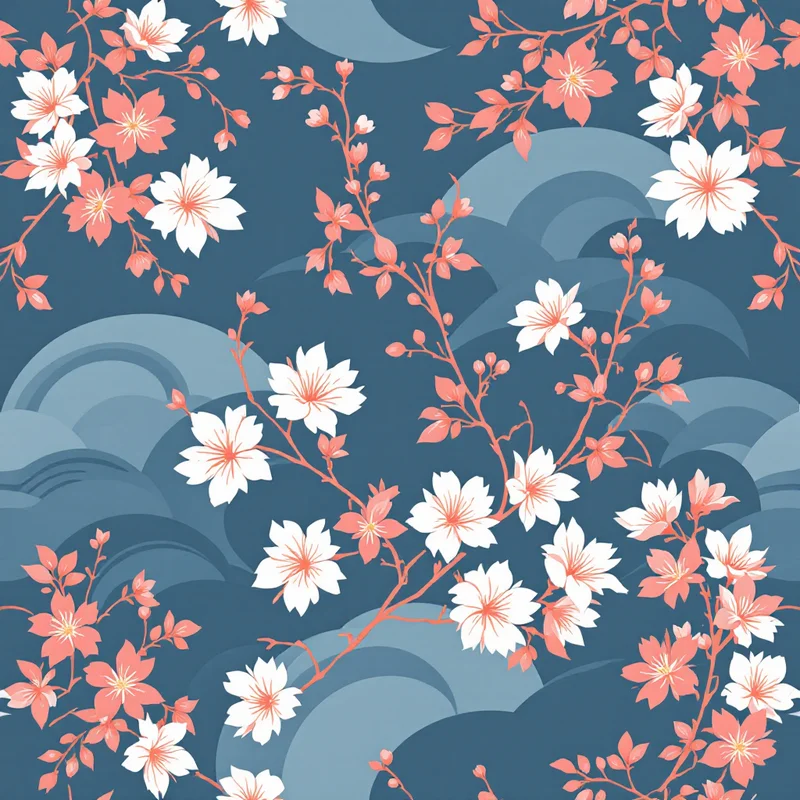
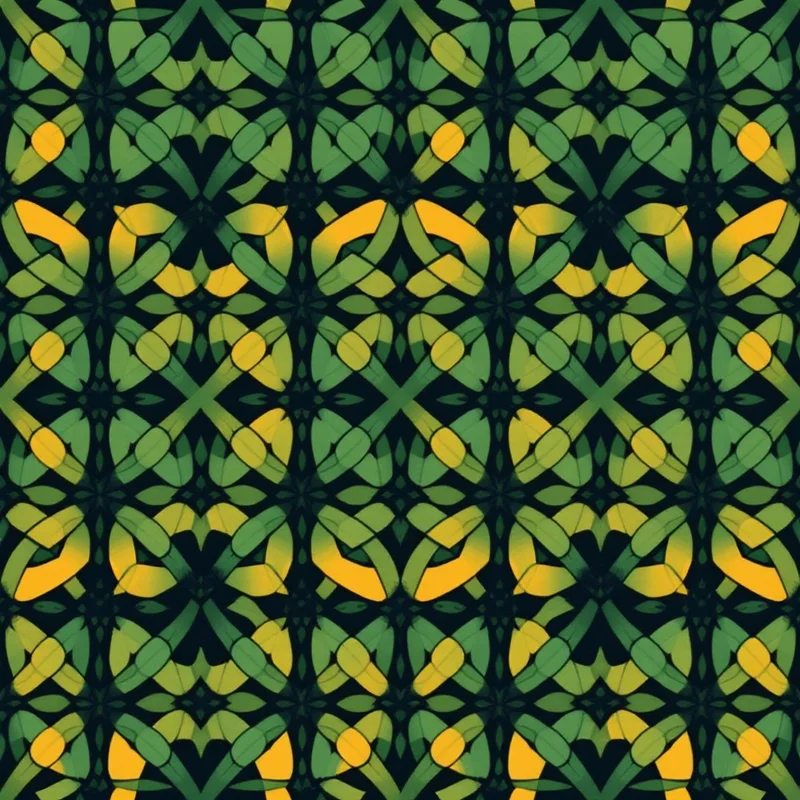
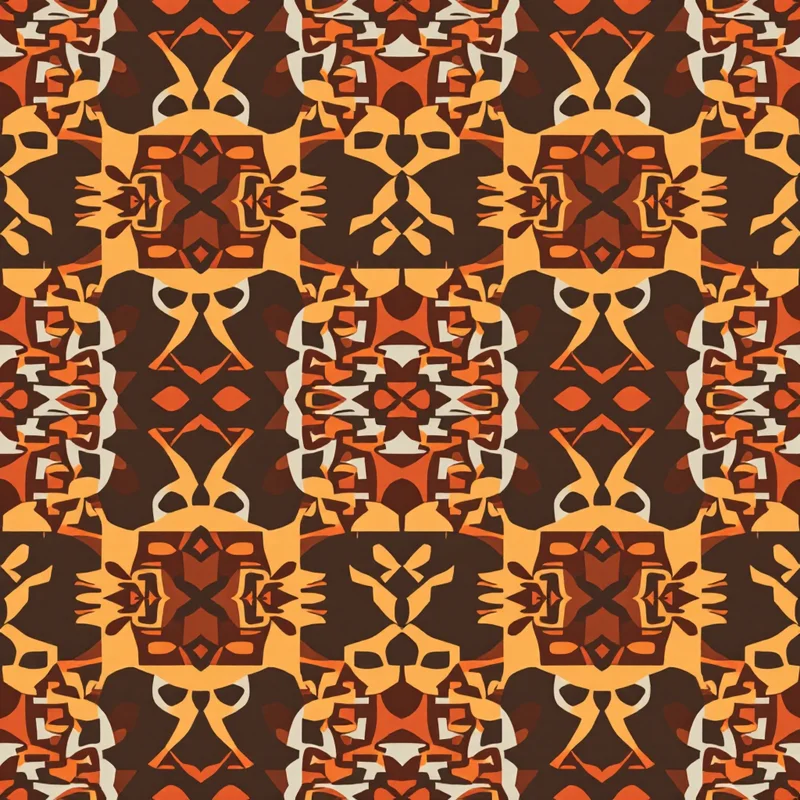
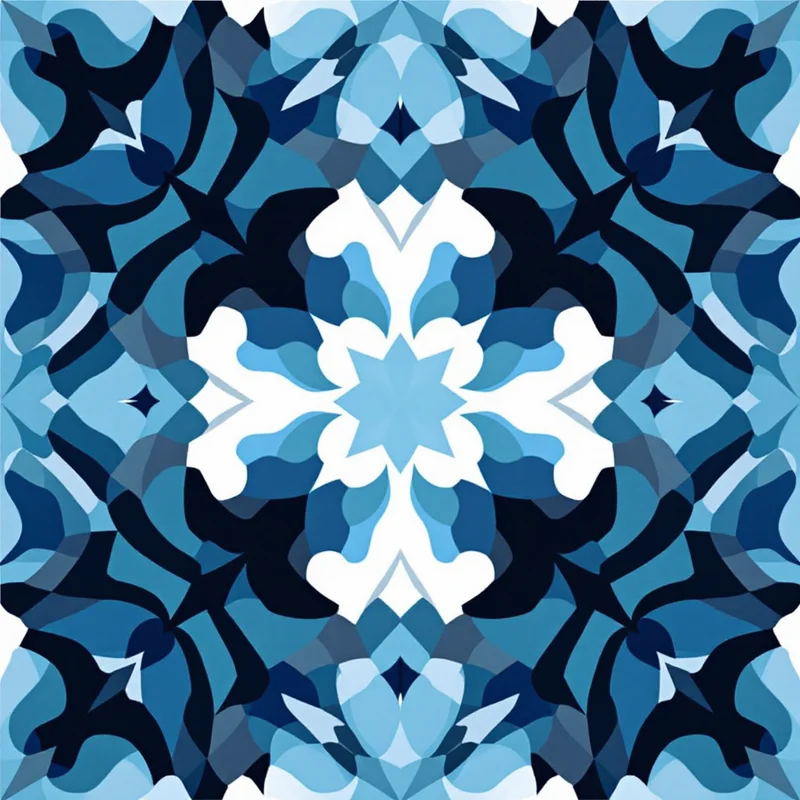
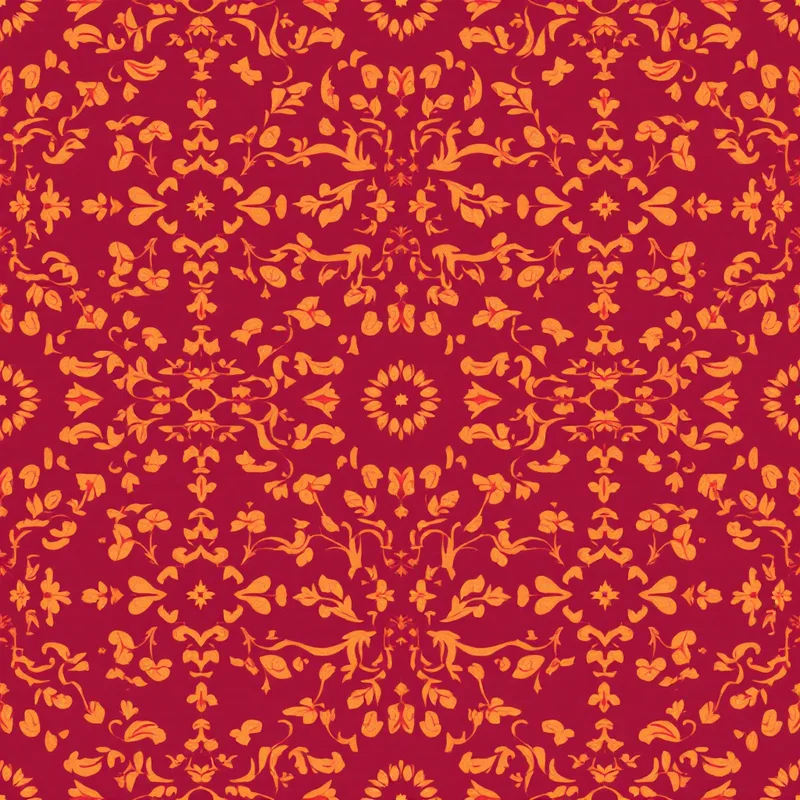
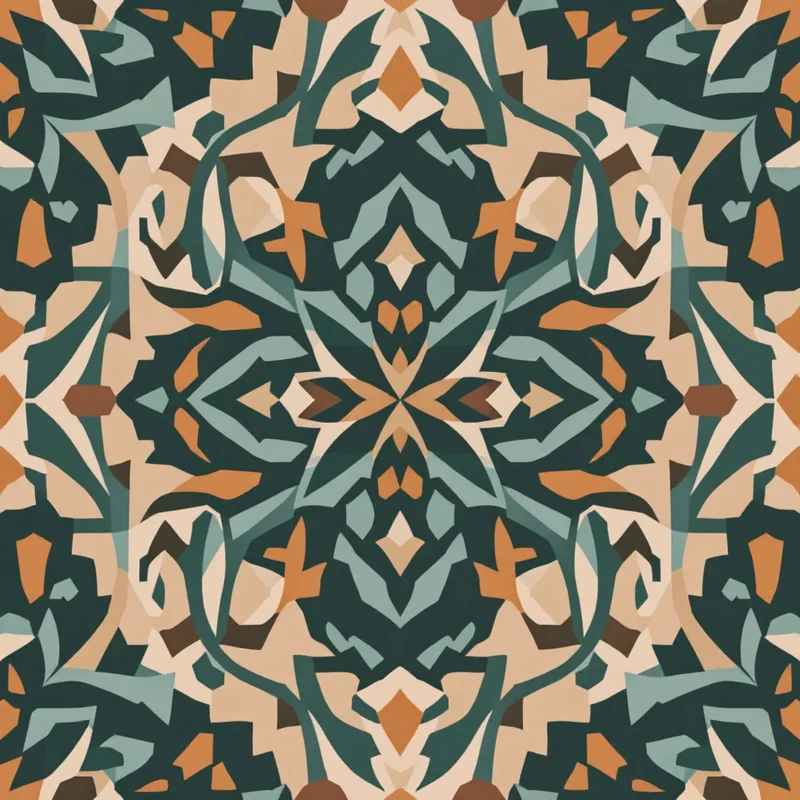
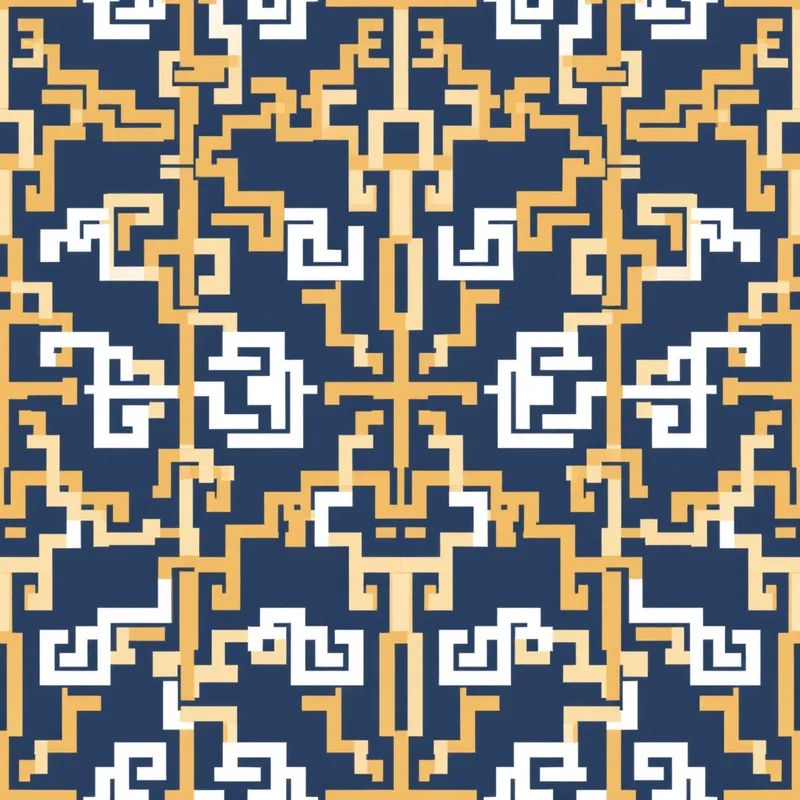
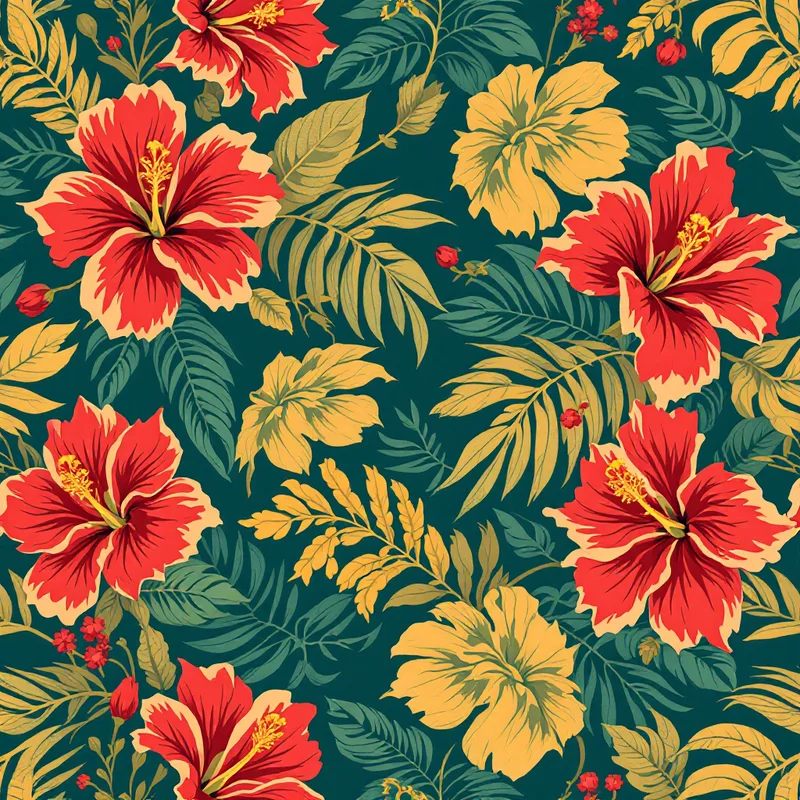
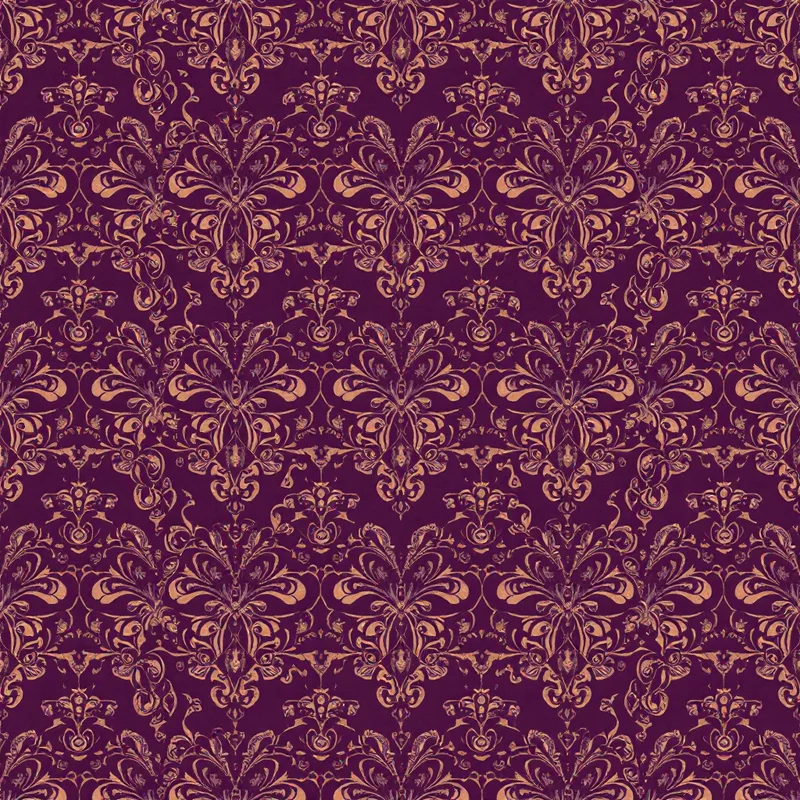
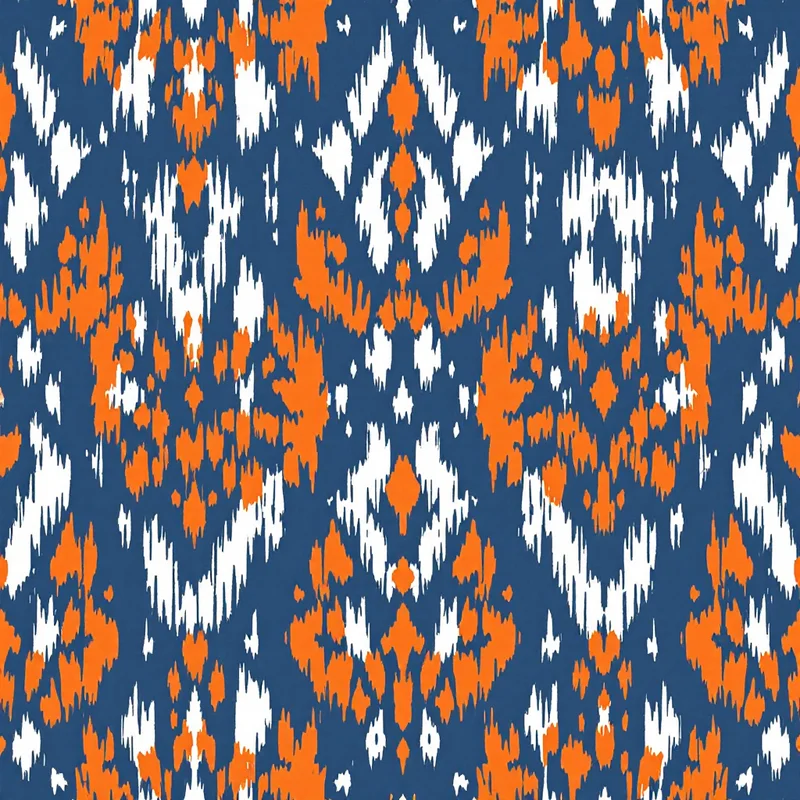
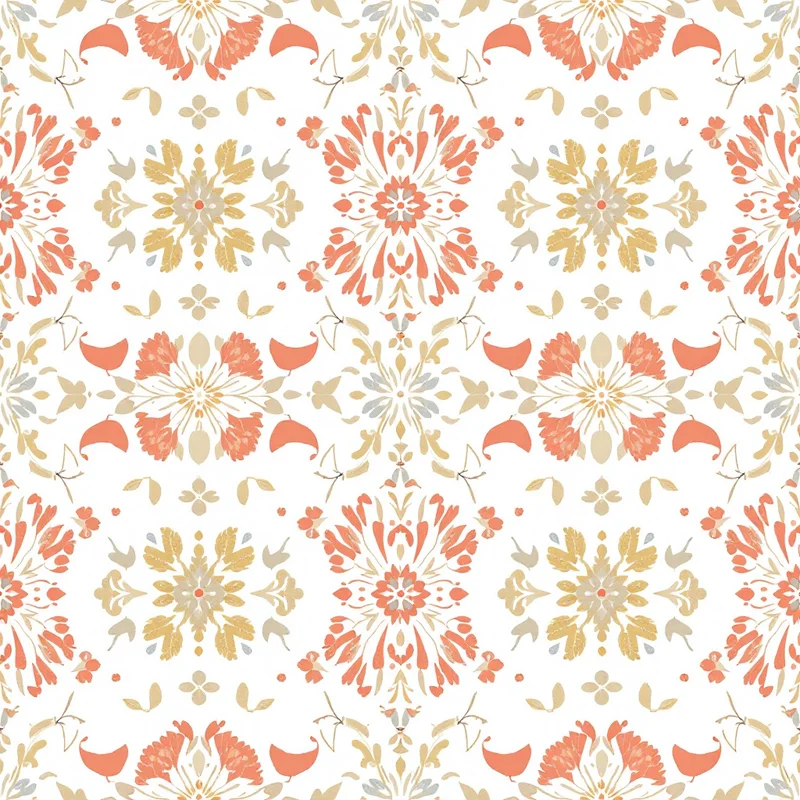
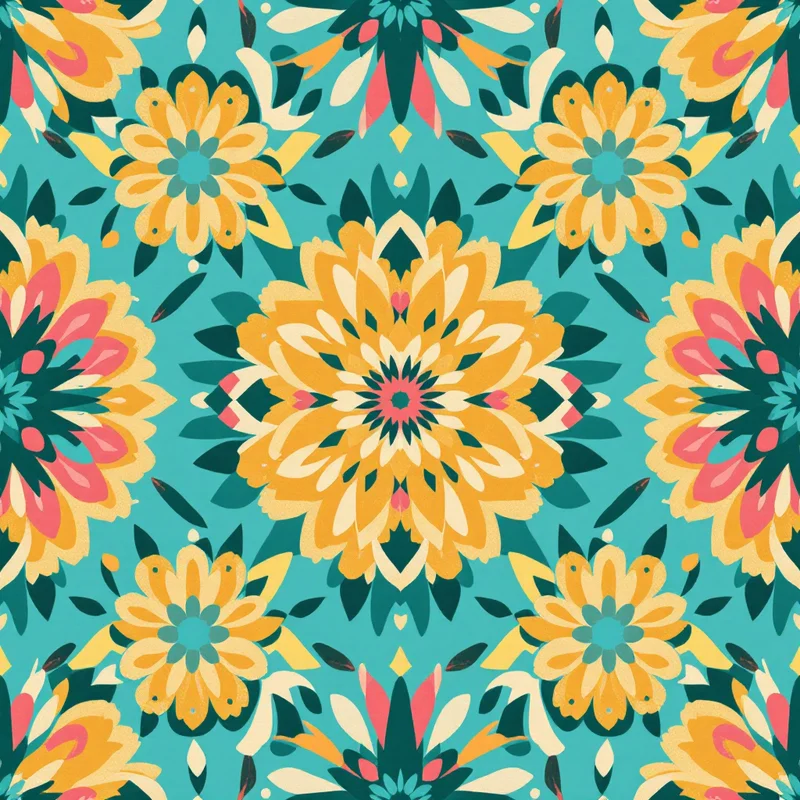
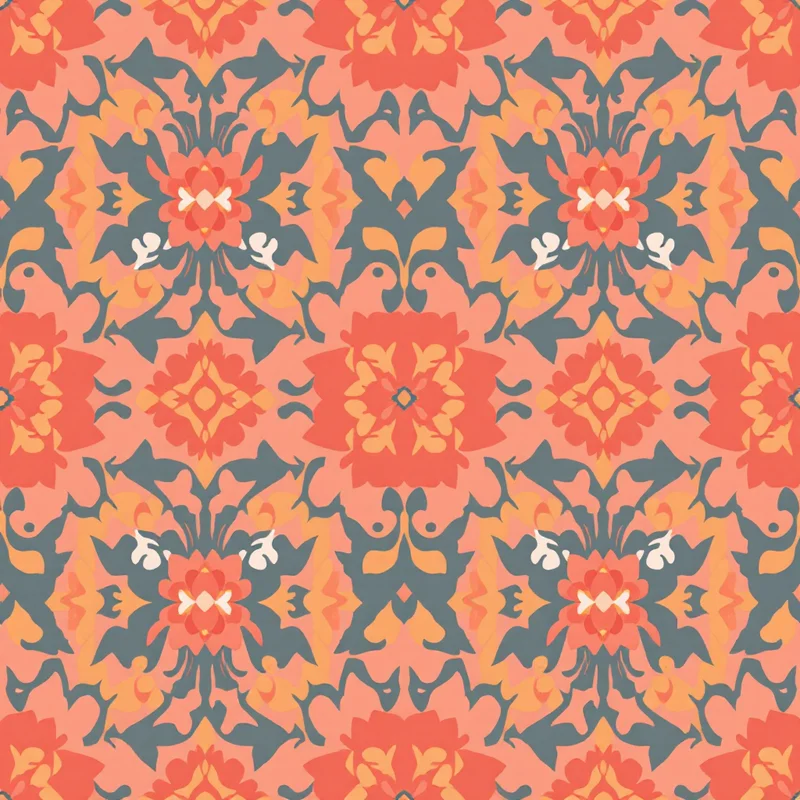
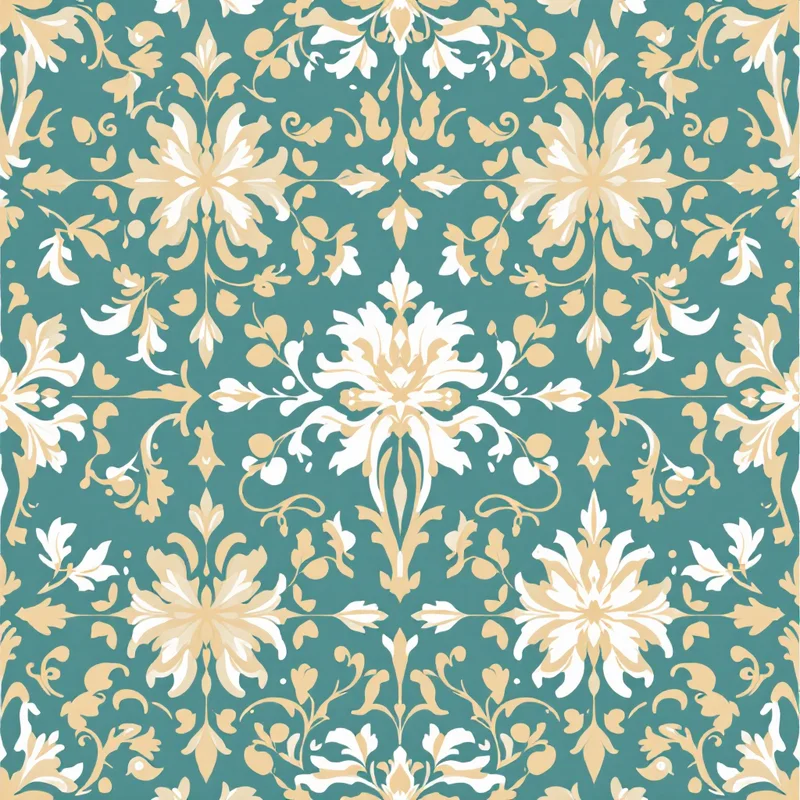
Color is central to the look. Classic palettes lean on imperial red and gold, the deep cobalt-and-white of blue-and-white porcelain, jade green, and black-and-gold lacquer, often balanced with soft celadon and ivory for breathing room. The contrast between a saturated motif and a calm ground is what gives Chinese patterns their poised, ceremonial feel rather than a busy clutter. Designers reach for these patterns when they want a design that signals heritage and craftsmanship while staying graphic enough to scale down onto small surfaces.
Commercial applications
The patterns earn their commercial value because they sit comfortably across very different products. On apparel and accessories they translate into cheongsam and qipao fabrics, silk scarves, ties, kimono-style robes, and lining prints. In the home, the same motif library covers wallpaper, cushion covers, table linens, ceramic transfers, lampshades, and folding-screen panels. Brands in tea, spirits, cosmetics, and luxury gifting use cloud-and-dragon borders and porcelain florals on boxes, labels, wrapping paper, and shopping bags, where a tile that repeats cleanly along an edge keeps print costs predictable. Pattern Weaver builds each design as a true seamless repeat, so the motif flows without visible seams whether it wraps a bottle or covers a bolt of fabric.
Where to use chinese patterns for textiles, fashion, and decor patterns
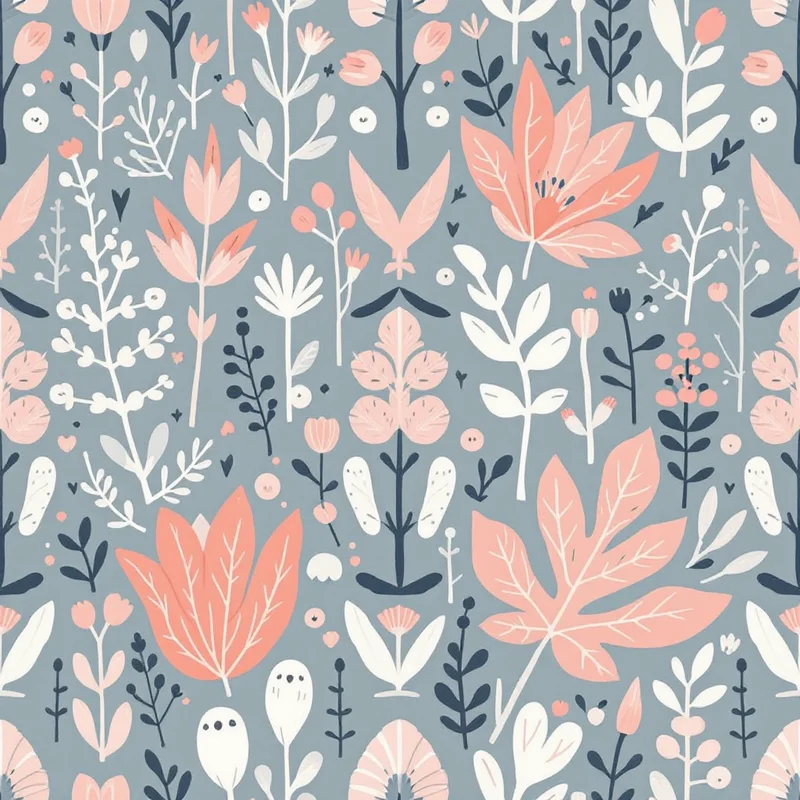
What makes a Chinese pattern work as a repeat is the rhythm between figure and field. A dense dragon-and-cloud all-over reads as opulent; a sparse scatter of plum blossoms over a fret border reads as refined and minimal. Getting that balance right used to mean redrawing motifs by hand, but the studio lets you steer it directly. You set density to decide how packed or airy the field is, adjust scale so a motif reads boldly on a duvet or finely on a phone case, and lock a color story to match a brand palette, a porcelain reference, or a seasonal collection.
Customization & export
Once a design feels right, Pattern Weaver exports it at up to 8K resolution (8192 by 8192) so it stays crisp when stretched across large-format wallpaper or upholstery yardage. Export options cover PNG and WEBP for digital mockups and web stores, TIFF for high-fidelity textile and print workflows, PDF for press-ready packaging, JPG for quick previews, and SVG where clean scalable line work is needed. Because the file is a tiling unit, your print partner can repeat it to any dimension without resampling or quality loss.
The practical workflow is fast: pick a substyle such as blue-and-white porcelain or imperial dragon, dial in density, scale, and colors, generate variations until one fits the product, then export the format your manufacturer needs. That tight loop is why studios and independent makers use Chinese patterns for everything from a single scarf run to a full home-decor line, with the confidence that the repeat will hold across every size and surface they print on.