Design characteristics
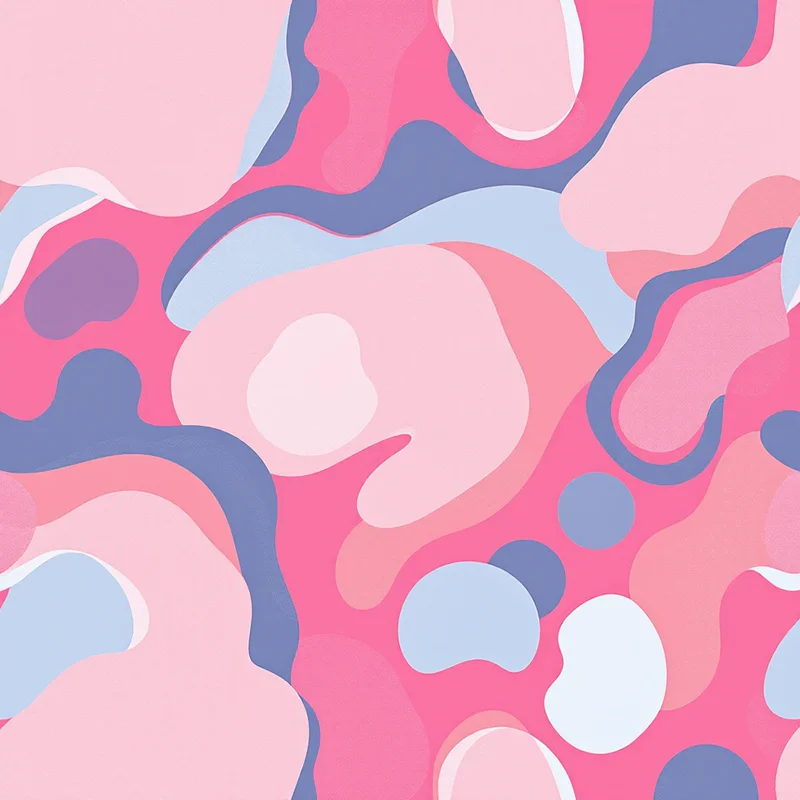
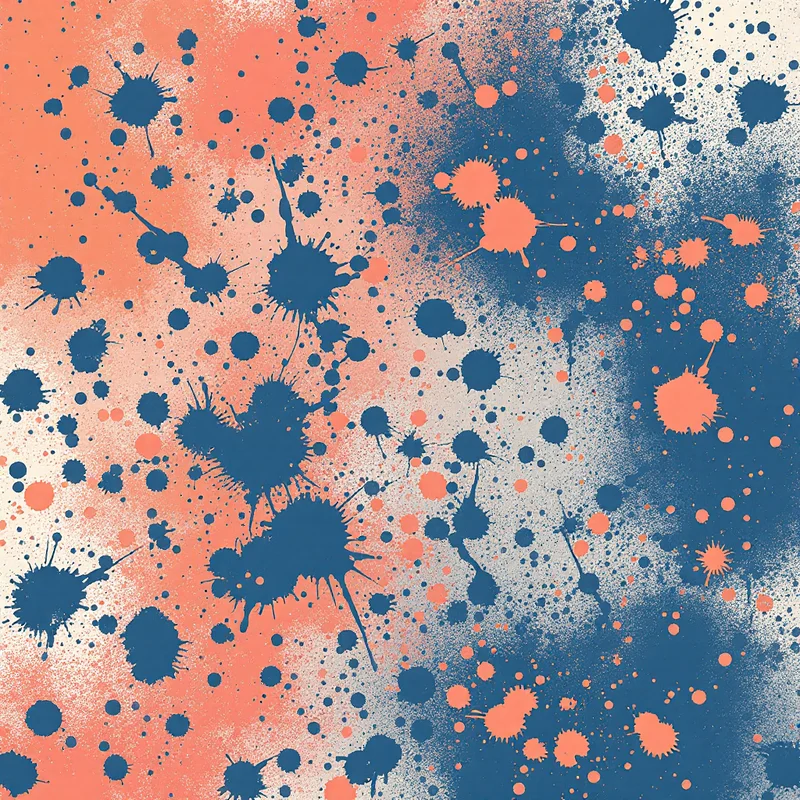
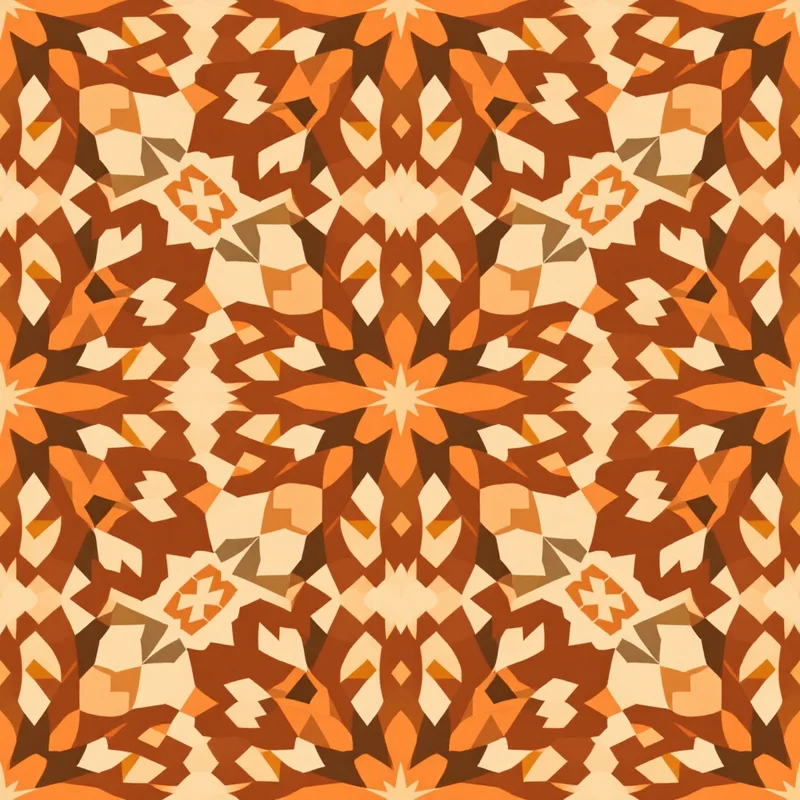
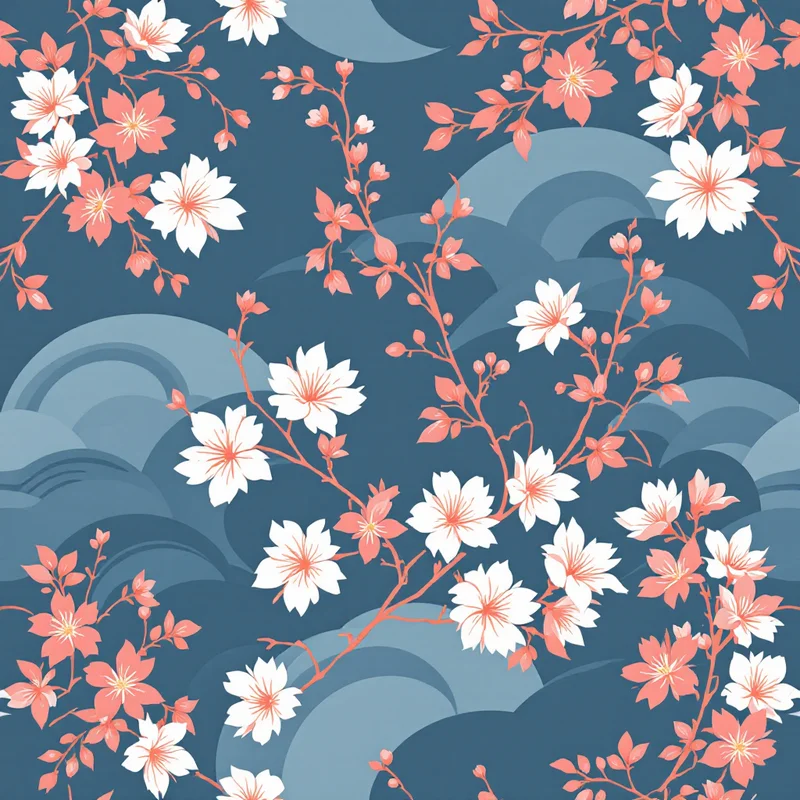
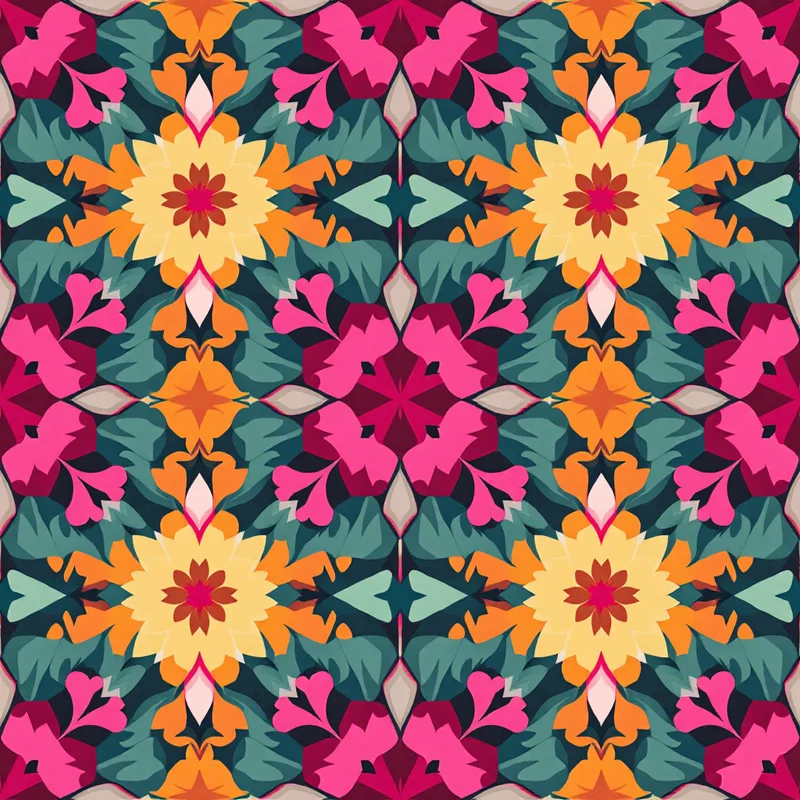
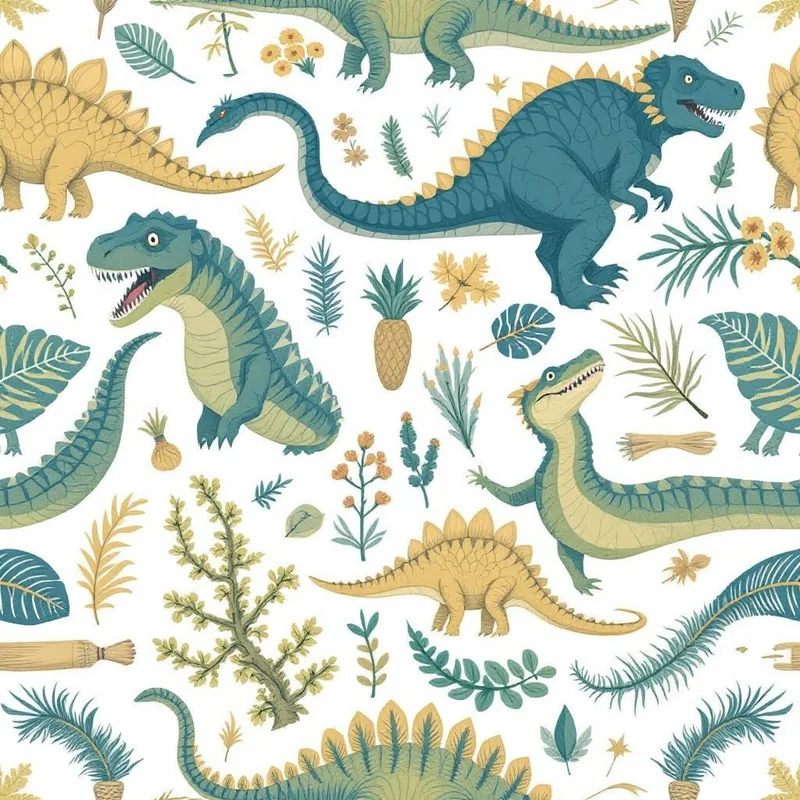
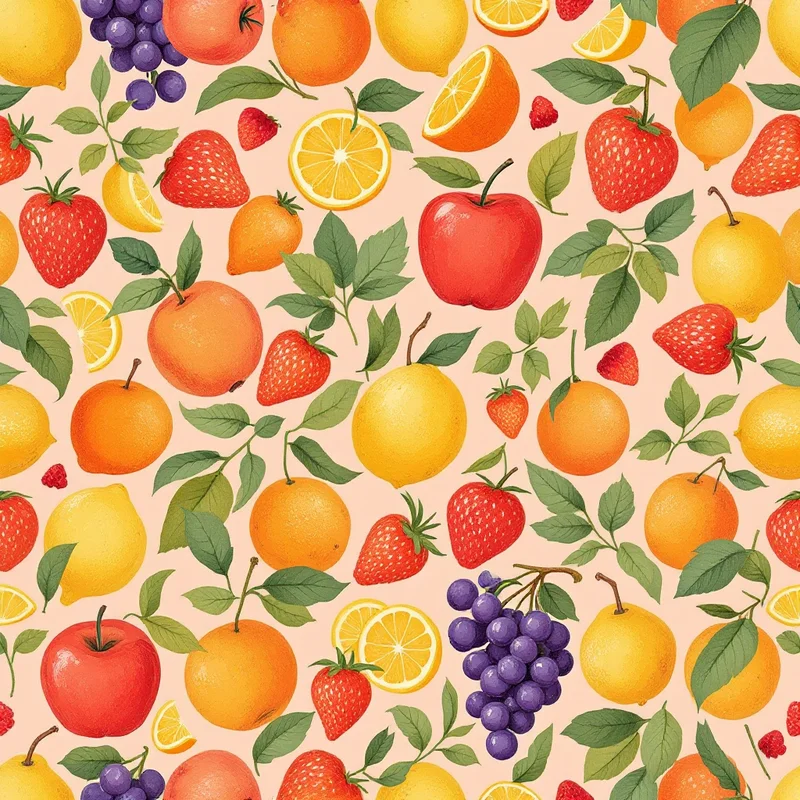
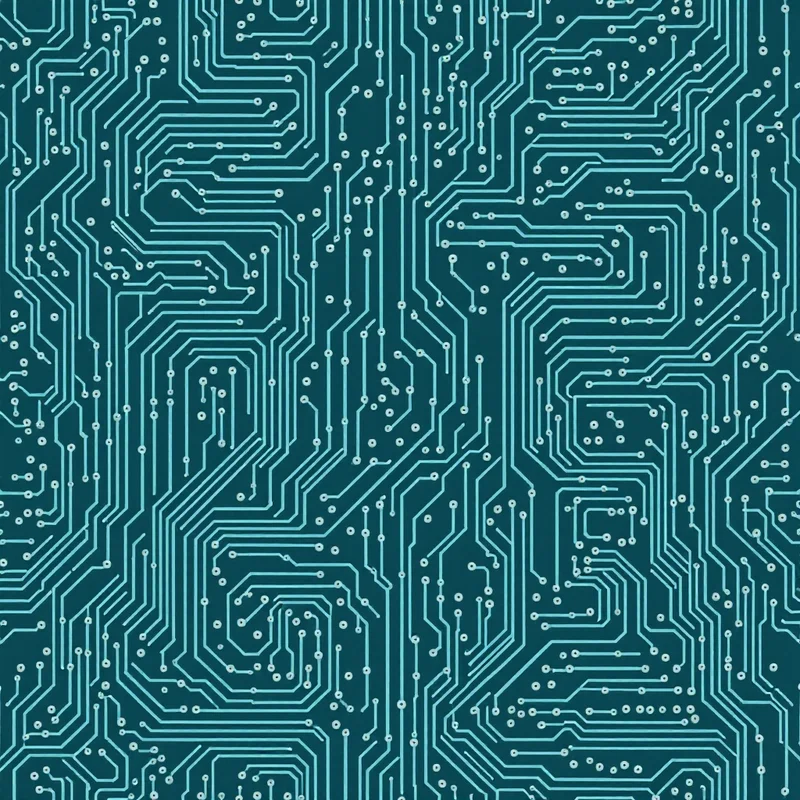
Background motifs borrow from a long history of decorative fill. Victorian and Art Nouveau wallpapers pioneered the dense, edge-to-edge repeat designed to read as texture from across a room. Japanese komon stencil prints used tiny repeated symbols to create a fabric that looked solid at a distance but rewarded a close look. Today those same principles drive digital backdrops, packaging liners, and apparel linings. Typical palettes lean tonal and muted: dove grey on white, navy on midnight, sand on cream, or a single accent hue dropped to ten or twenty percent opacity so the pattern whispers instead of shouts.
Commercial applications
Designers reach for a background generator because hand-building a perfect tile is tedious. Every shape that touches an edge has to wrap to the opposite side, spacing has to stay rhythmic, and one stray element ruins the illusion of an infinite field. An automated repeat engine handles that wrapping math, so you can audition dozens of densities and motif mixes quickly and keep only the one that disappears into the background the way a good backdrop should.
Where to use background pattern generator patterns
The same seamless tile travels across products without redrawing. Drop it behind a website hero or email header, set it as a subtle desktop and app backdrop, print it as wrapping paper or the interior of a folding carton, line a tote bag or jacket, run it across throw pillows and bedding, or scale it up for a full wall of removable wallpaper. Because the pattern is seamless, it stretches to any canvas and tiles cleanly whether it covers a phone screen or a storefront window.
Customization & export
Pattern Weaver gives you direct control over the three levers that make or break a background. Density sets how busy the field reads, from airy and sparse to a dense allover; scale resizes the motif so the same design works as a tight web texture or a roomy fabric repeat; and full color control lets you match brand hues or pull the whole thing into a low-contrast tonal range. Once a tile looks right, export it seamless and production-ready up to 8K (8192 by 8192 pixels) in PNG for web and screens, TIFF for textile and wallpaper printing, or PDF for press-ready packaging, with JPG, WEBP, and SVG also on hand.
Whether you need a featherweight texture for a UI or a richly tiled print for a product line, the background pattern generator turns a handful of choices into a finished, repeatable asset. Adjust the motif, dial in the color story, set the scale to suit the surface, and the studio delivers a clean tile ready to drop into your design files or send straight to print.