Design characteristics
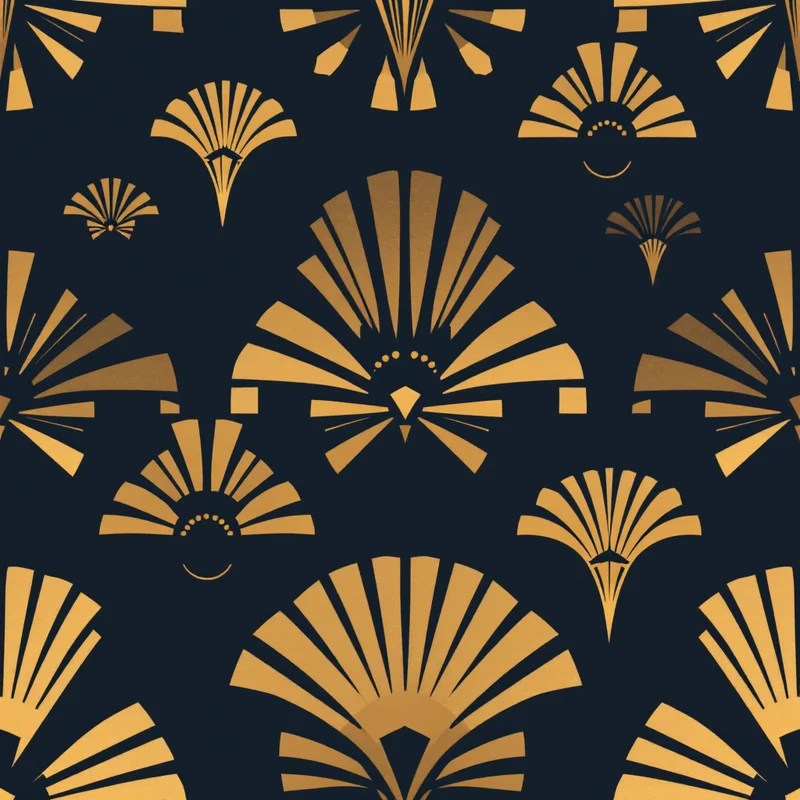
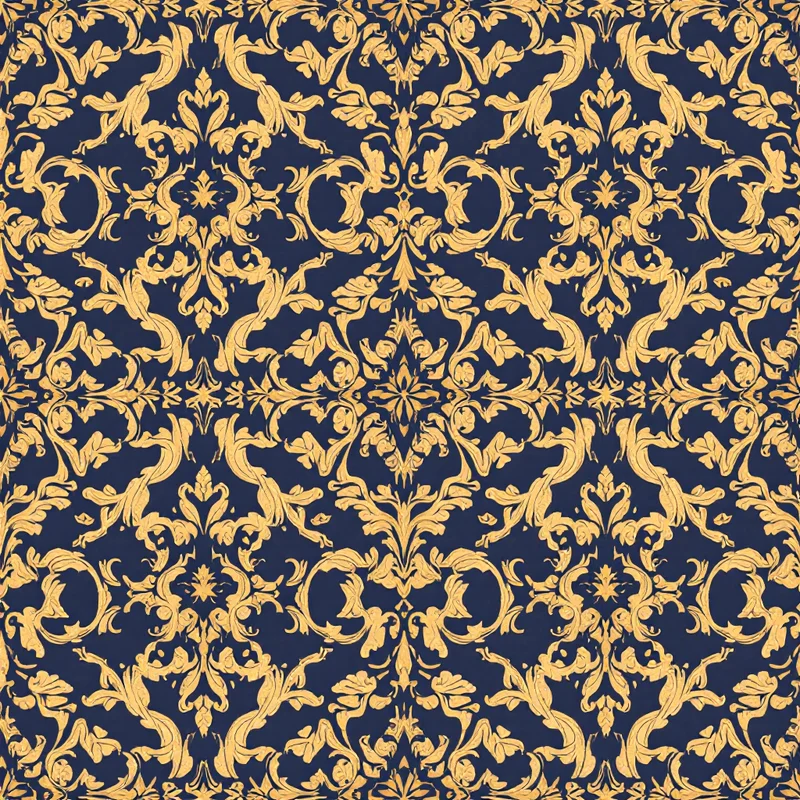
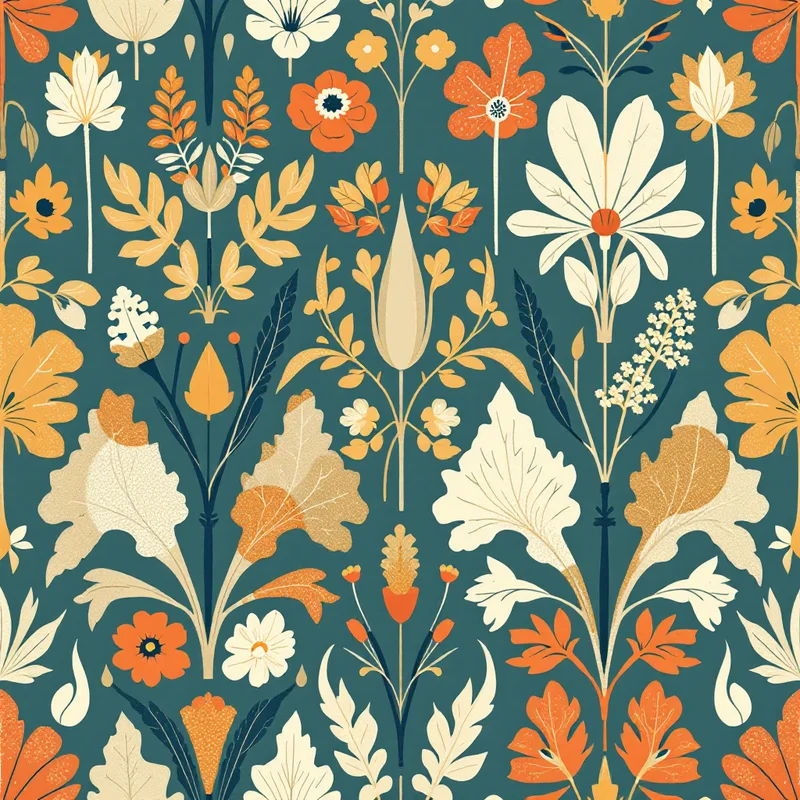
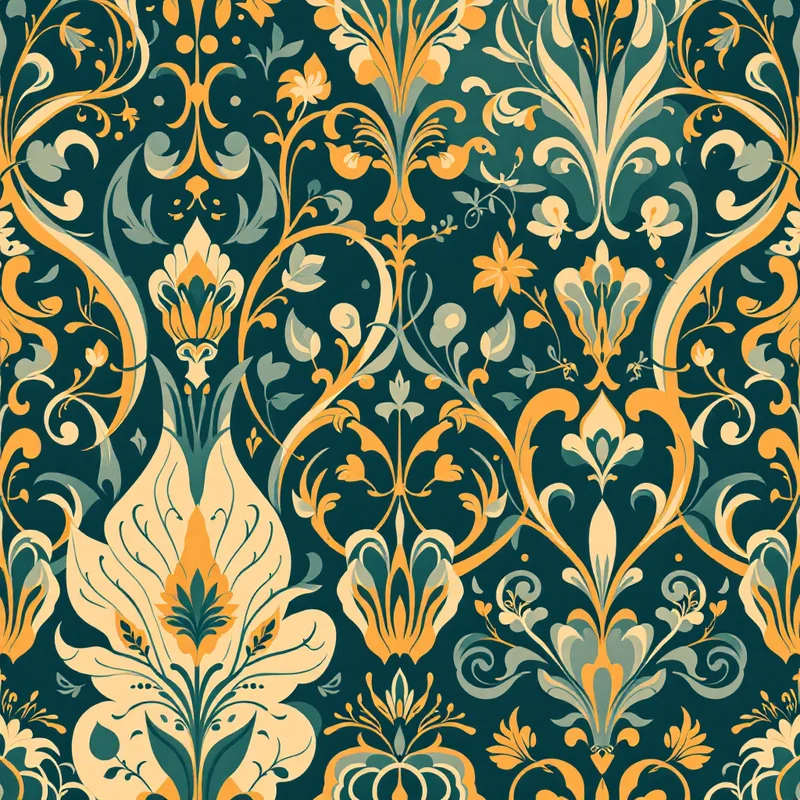
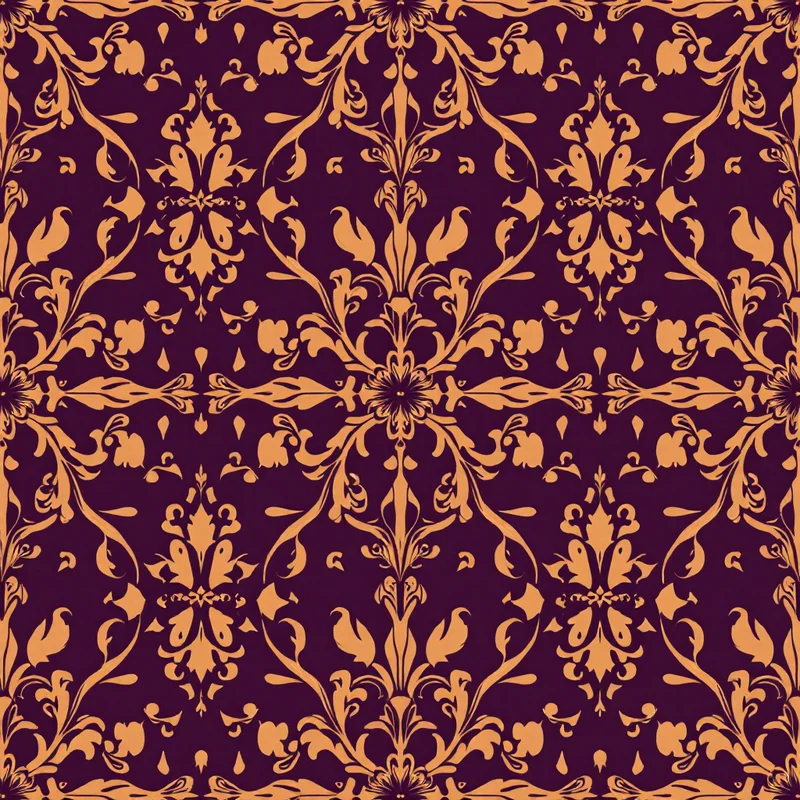
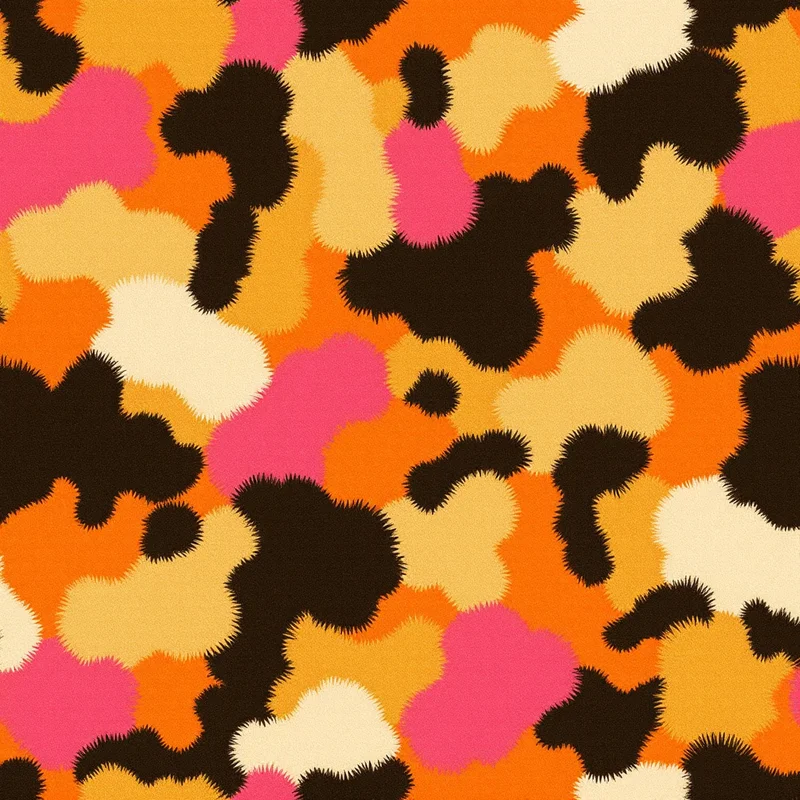
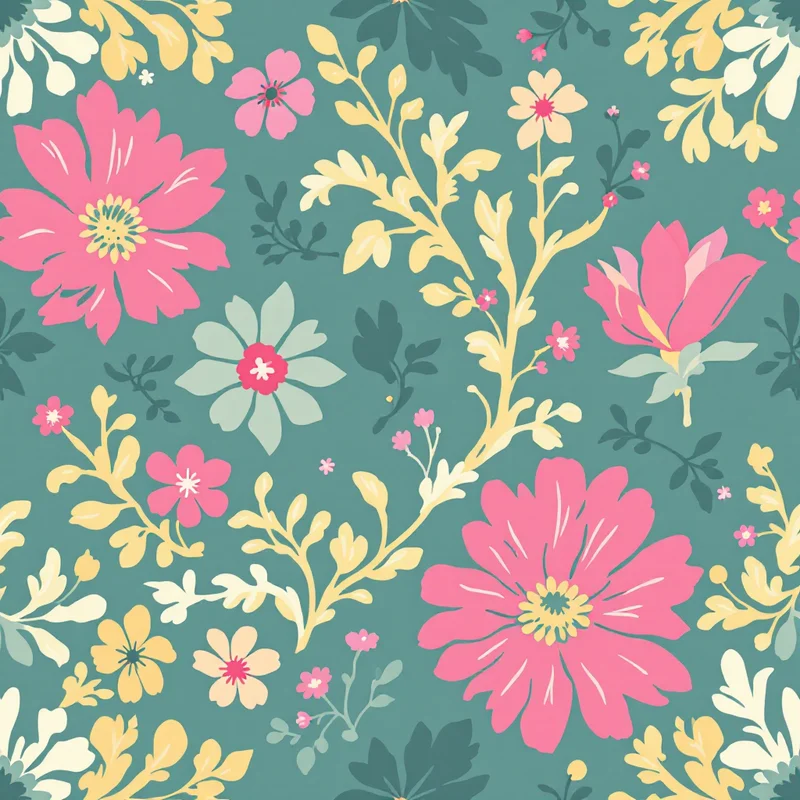
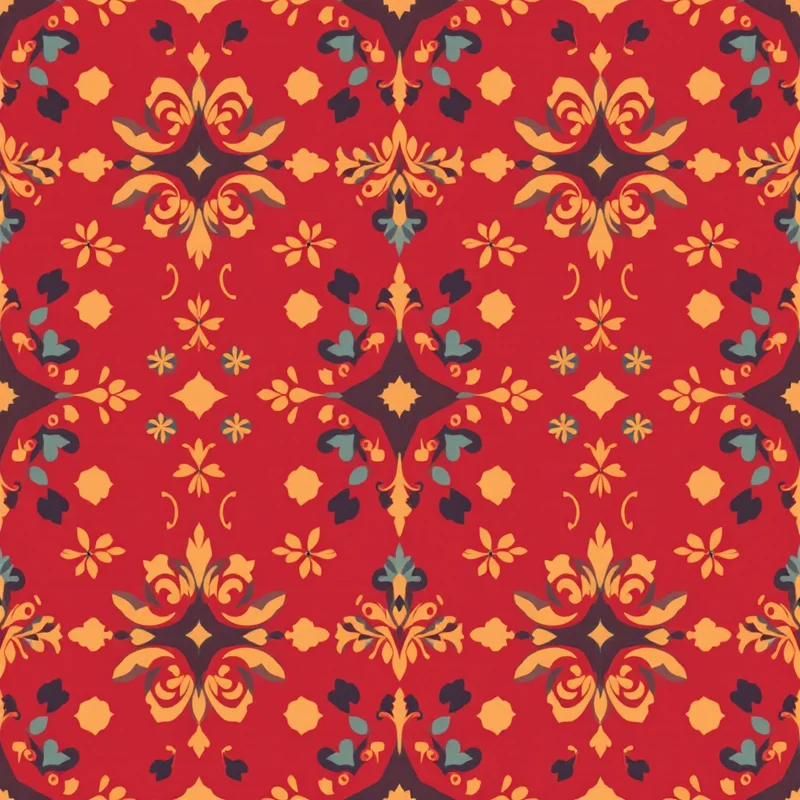
Color is the fastest way to read a 90s pattern. Think saturated teal and hot pink against purple, mustard yellow with cherry red, and lime green punching through navy. Many prints use a small palette of three or four high-contrast colors with hard edges and no gradients, which is why they read so well from across a room. Grunge variants swap that brightness for muddied flannel reds, forest greens, and washed denim blues, while the rave and acid-house strain leans into electric, almost fluorescent combinations.
Commercial applications
Designers reach for these patterns because nostalgia sells and the shapes are forgiving. Bold, irregular motifs hide seams naturally, scale up cleanly for large surfaces, and carry energy without needing fine detail. A single squiggle-and-dot repeat can headline a streetwear capsule, a phone case range, a kids' room, and a party-supply line at the same time, which makes the style efficient for any brand chasing a retro moment.
Where to use 90s patterns: bold retro prints for modern design patterns
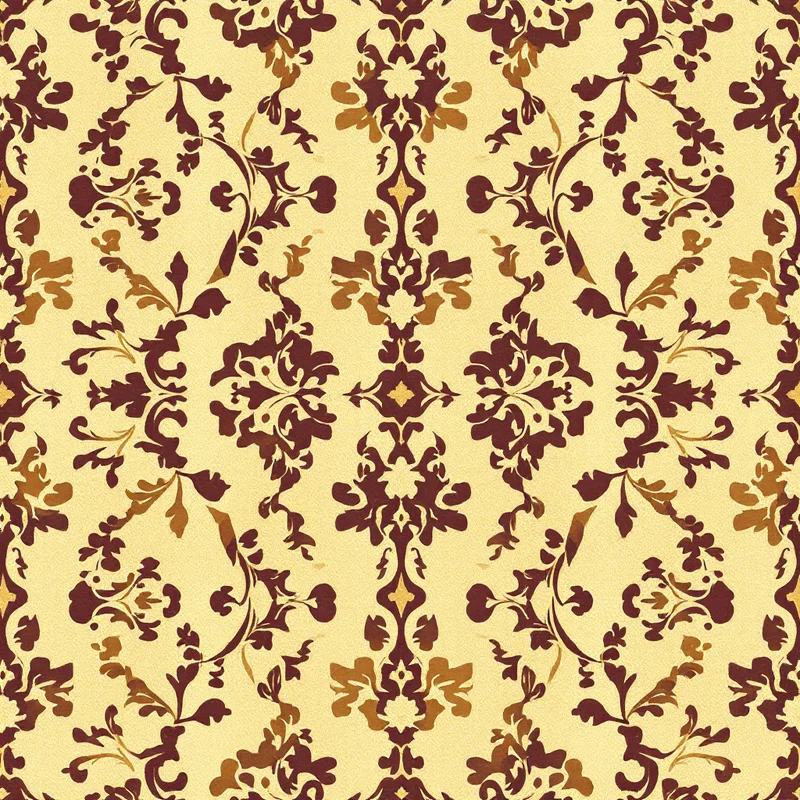
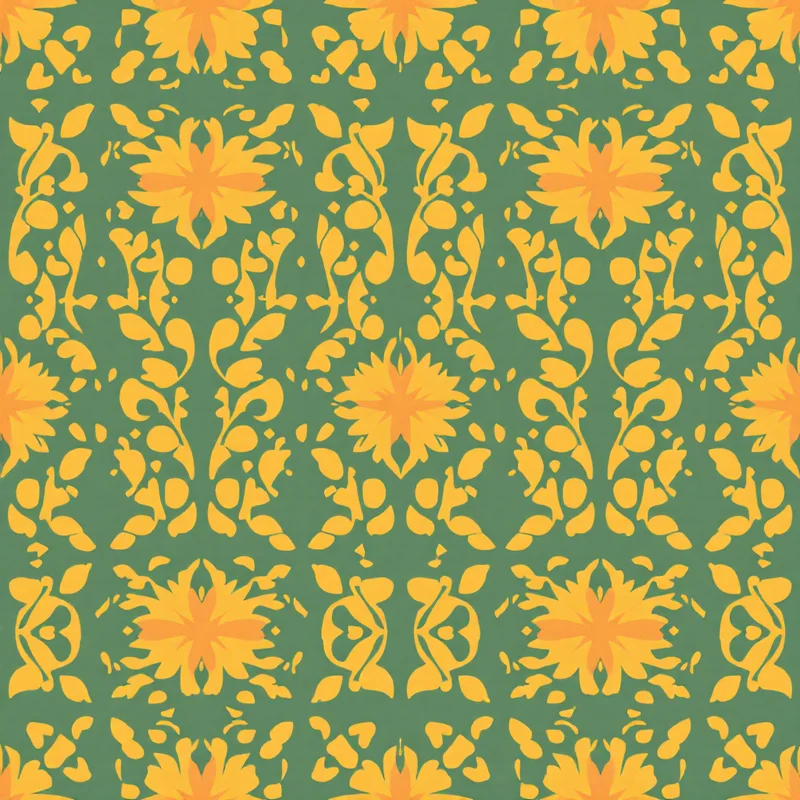
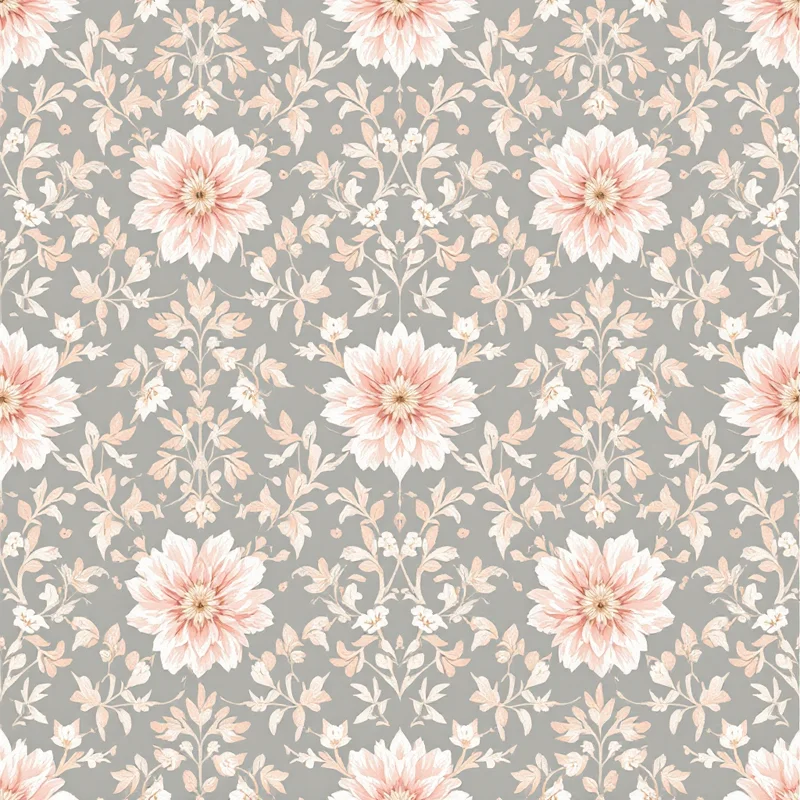
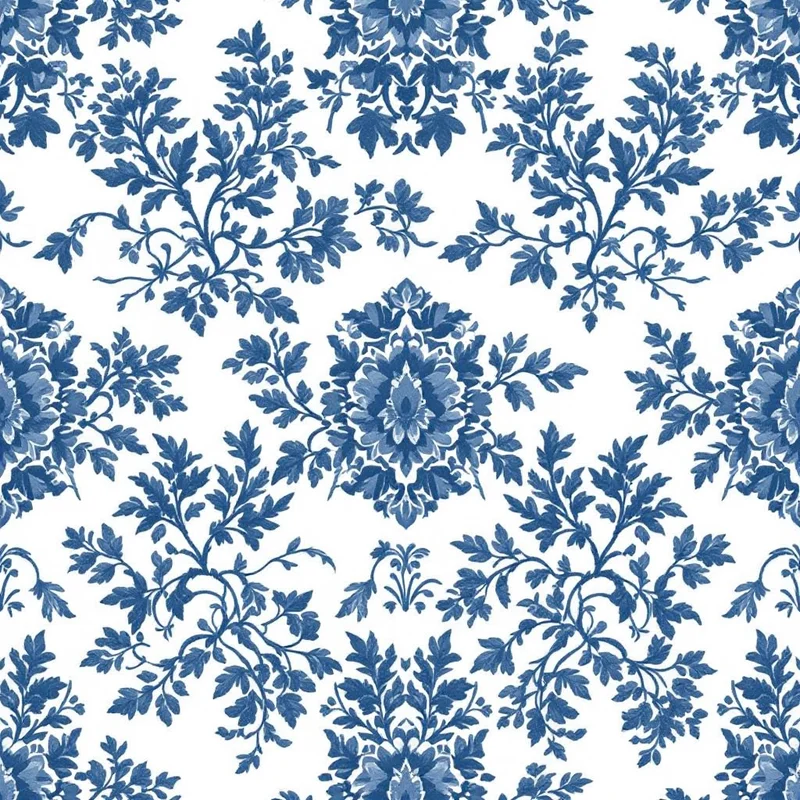
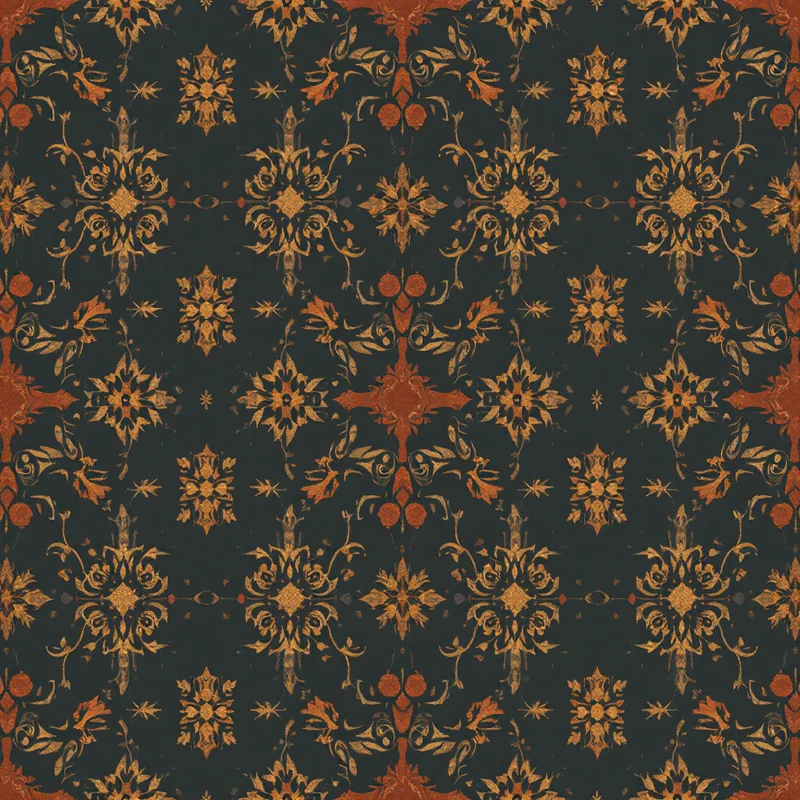
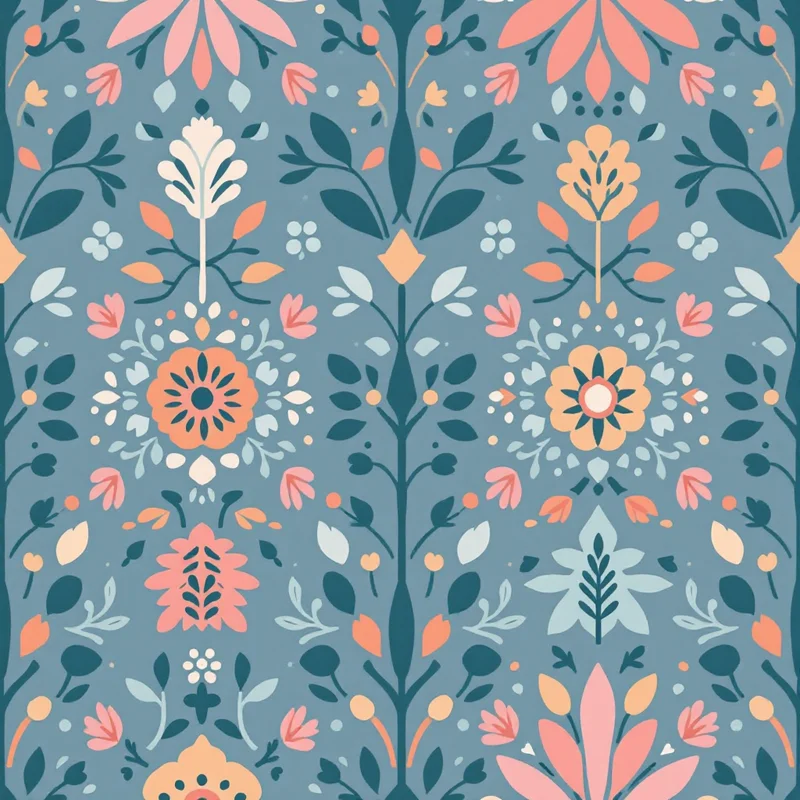
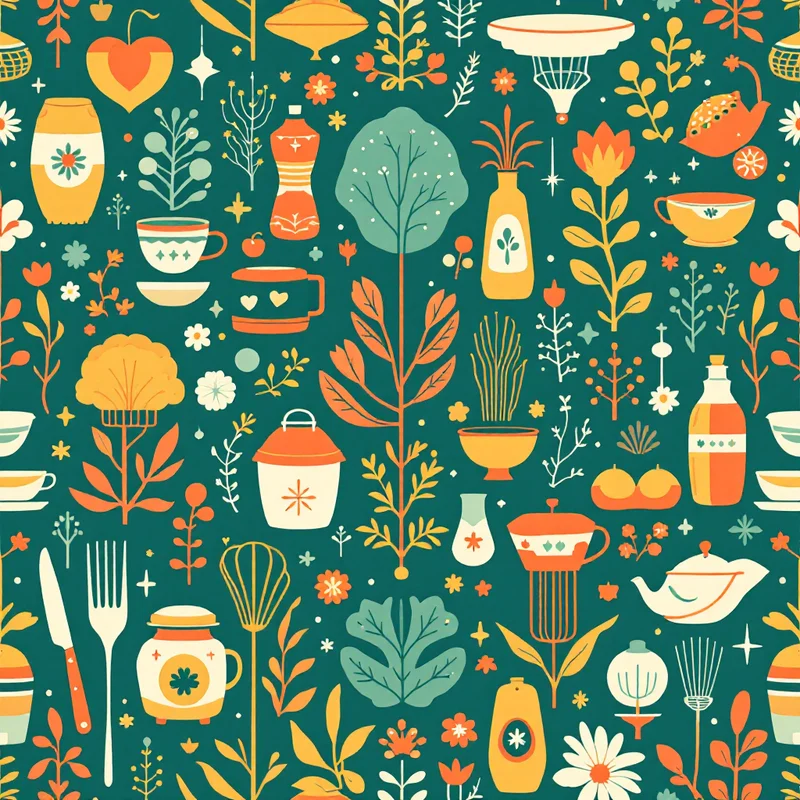
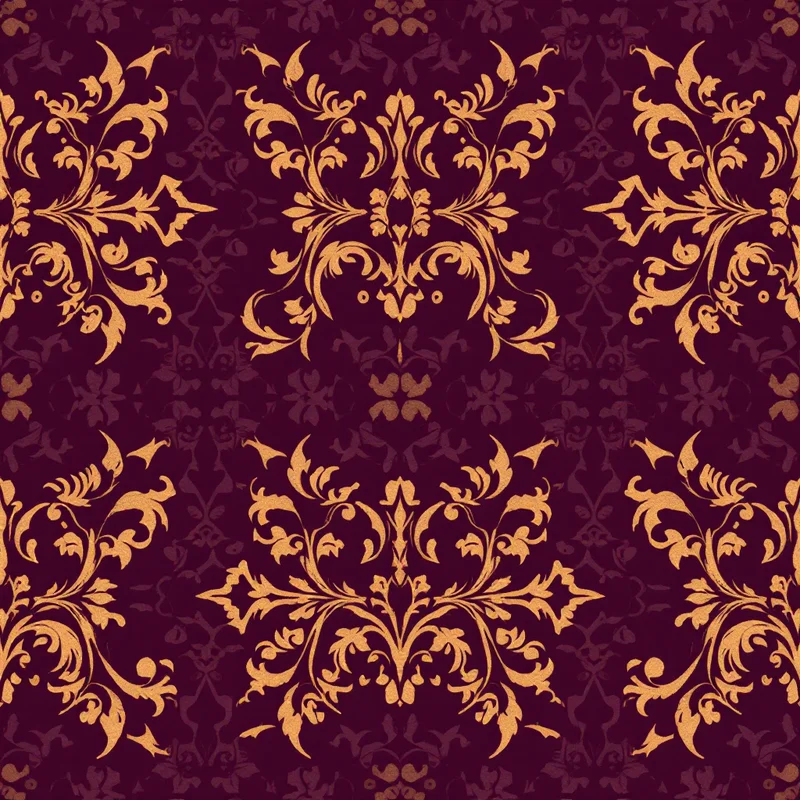
Across products, the look is versatile. Use tight, busy repeats for apparel like leggings, swim, and bucket hats; pull the scale up for wallpaper, shower curtains, and bedding so each shape becomes a graphic statement; and dial it back to a sparse confetti scatter for stationery, gift wrap, and packaging where you need breathing room around a logo. Tie-dye and grunge variants translate especially well to tote bags, hoodies, and sticker sheets, while clean Memphis geometry suits notebooks, mugs, and accessories.
Customization & export
Pattern Weaver lets you build any of these from a few choices rather than starting in a blank canvas. Pick a 90s substyle, then steer the result with density (sparse scatter to wall-to-wall confetti), scale (delicate all-over print to oversized graphic blocks), and color controls so you can match a brand palette or chase that exact teal-and-magenta combo. The studio keeps the repeat seamless as you adjust, so nothing breaks at the tile edge.
When the design is right, export it at up to 8K (8192x8192) in the format your production needs: PNG for crisp digital mockups and print-on-demand, TIFF for fabric mills and high-resolution textile printing, or PDF for packaging and print layouts. The same seamless file scales from a thumbnail sticker to a full wallpaper drop without redrawing a thing, so one afternoon of work in Pattern Weaver can supply an entire 90s-themed product range.