Design characteristics
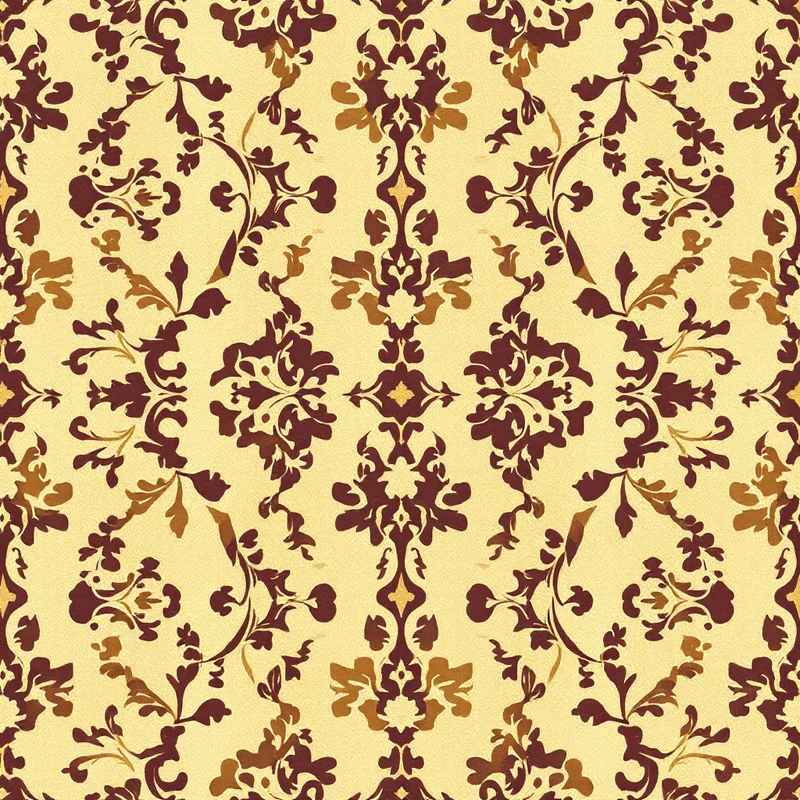
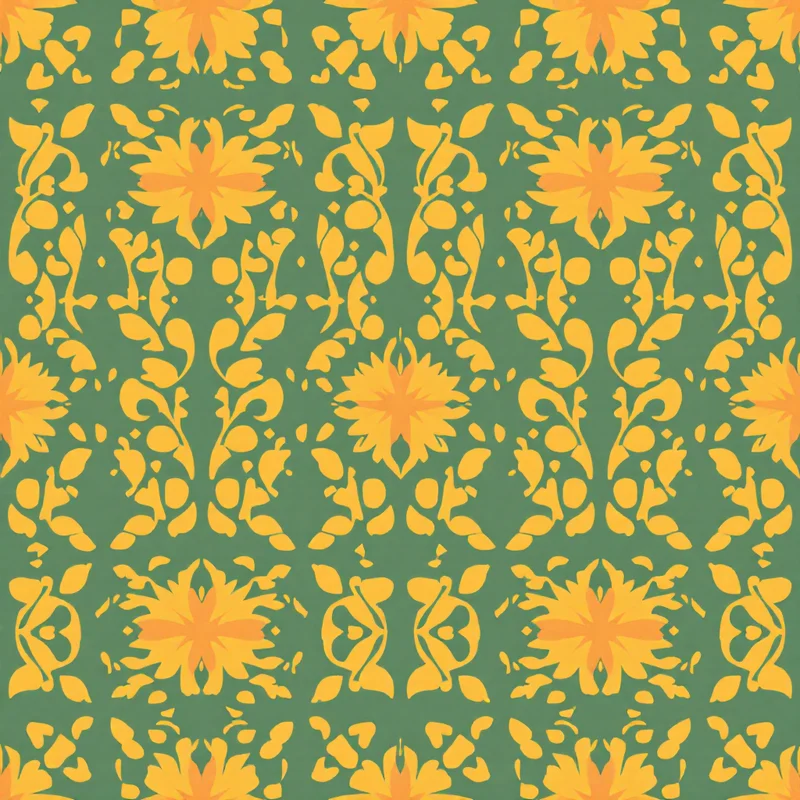
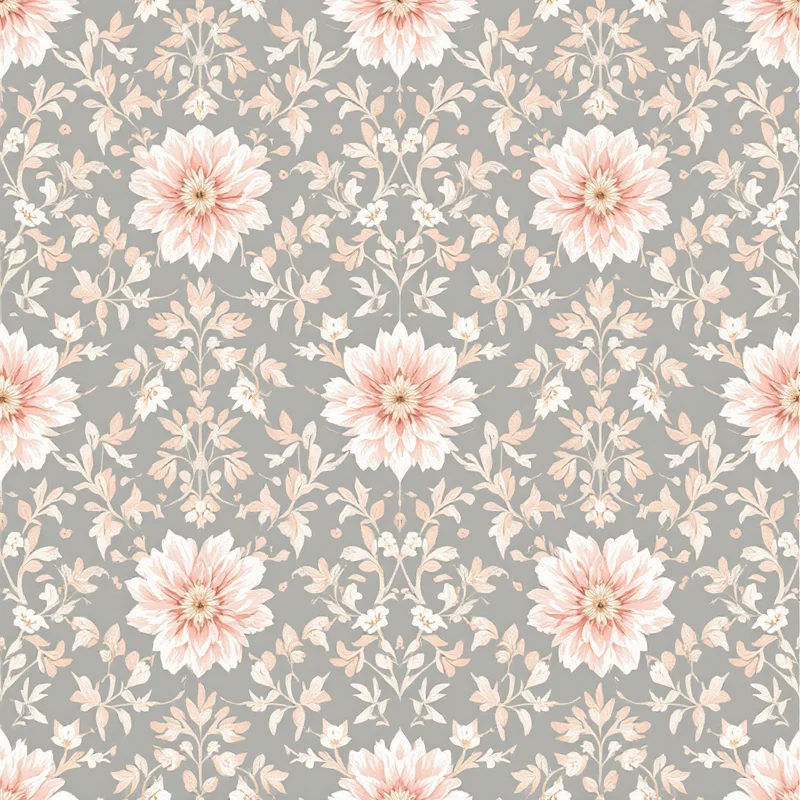
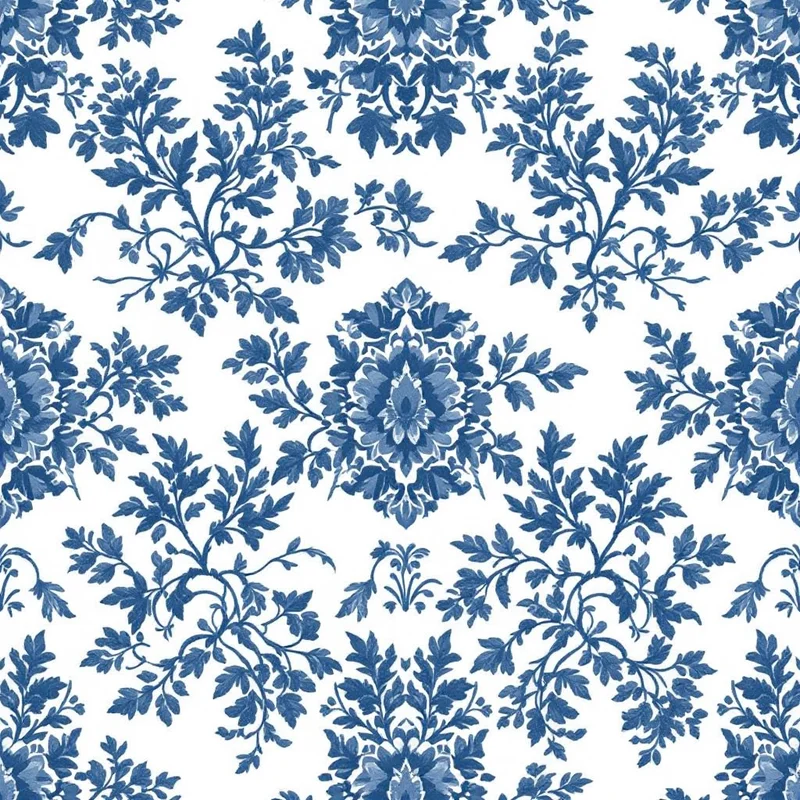
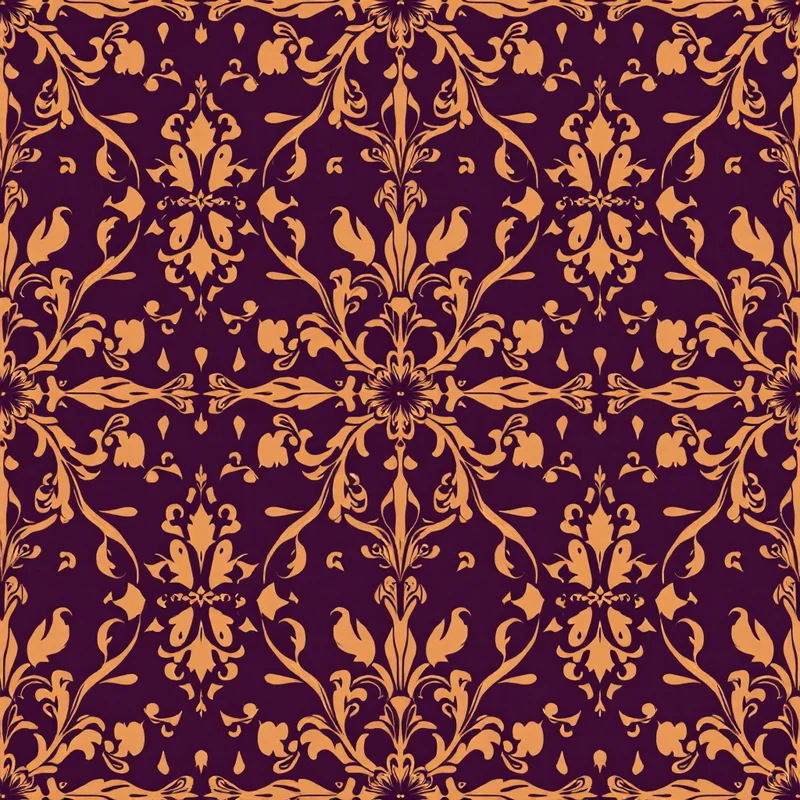
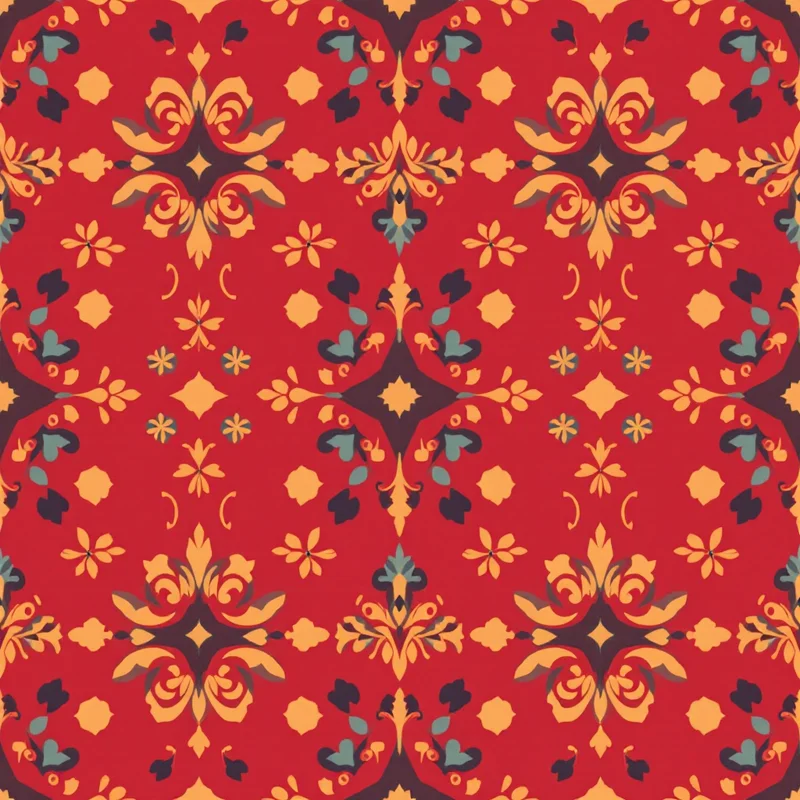
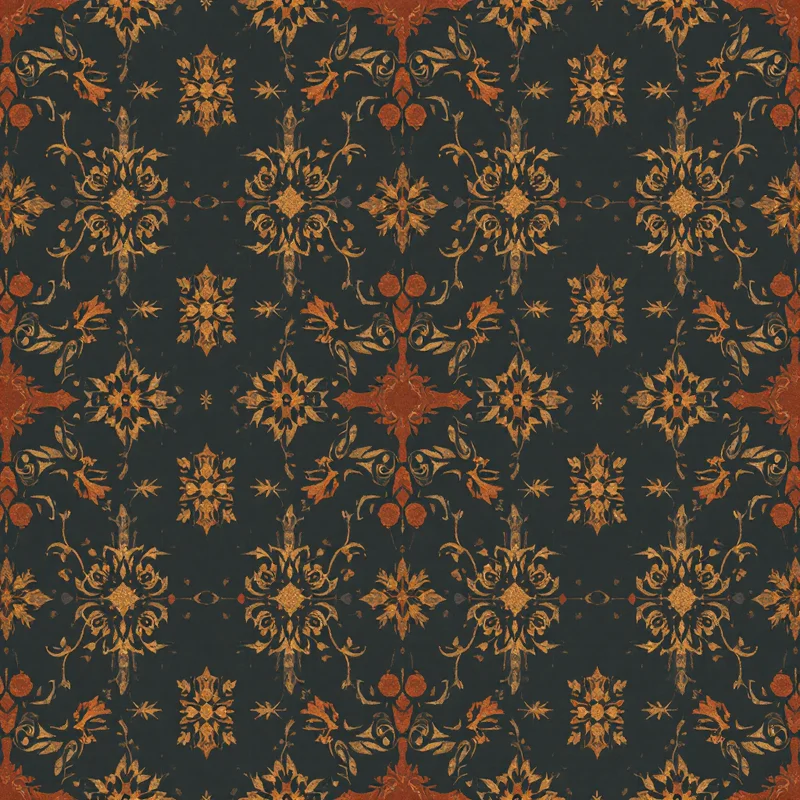
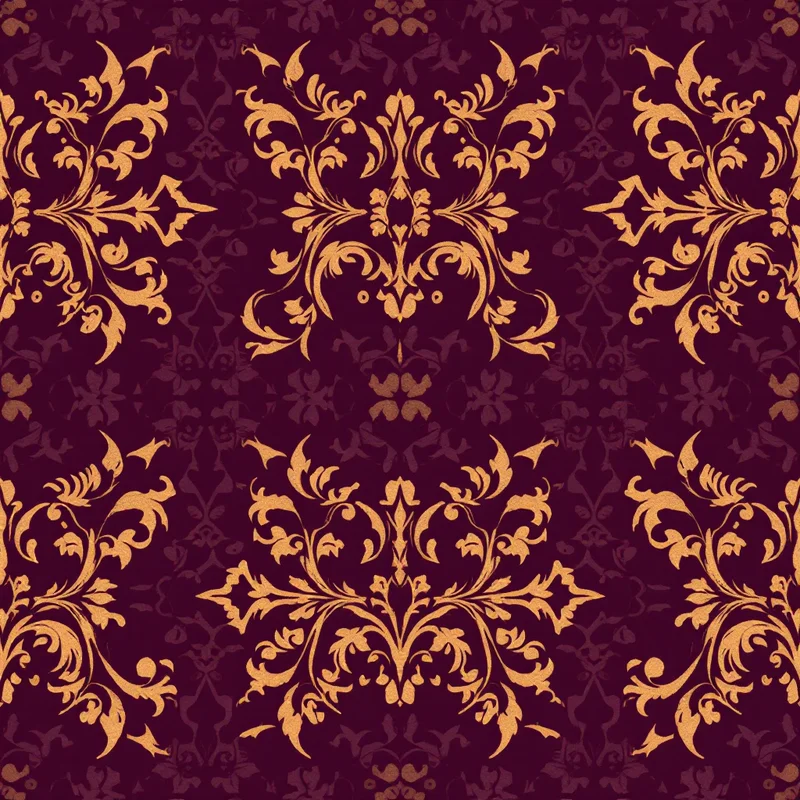
The design philosophy of the Victorian era stood in direct opposition to the "less is more" modernism that would follow in the 20th century. Victorians believed that beauty resided in complexity, craftsmanship, and abundance. Wallpapers featured multiple layers of pattern — a background texture, a mid-ground repeat, and foreground motifs — all working together to create depth and visual richness. Textiles used dense weave structures and elaborate printing techniques to achieve similar layered effects. This maximalist approach to pattern design has experienced a significant revival in recent years, driven by the grandmillennial and maximalist interior design trends that celebrate the beauty of ornament and reject minimalist austerity.
Commercial applications
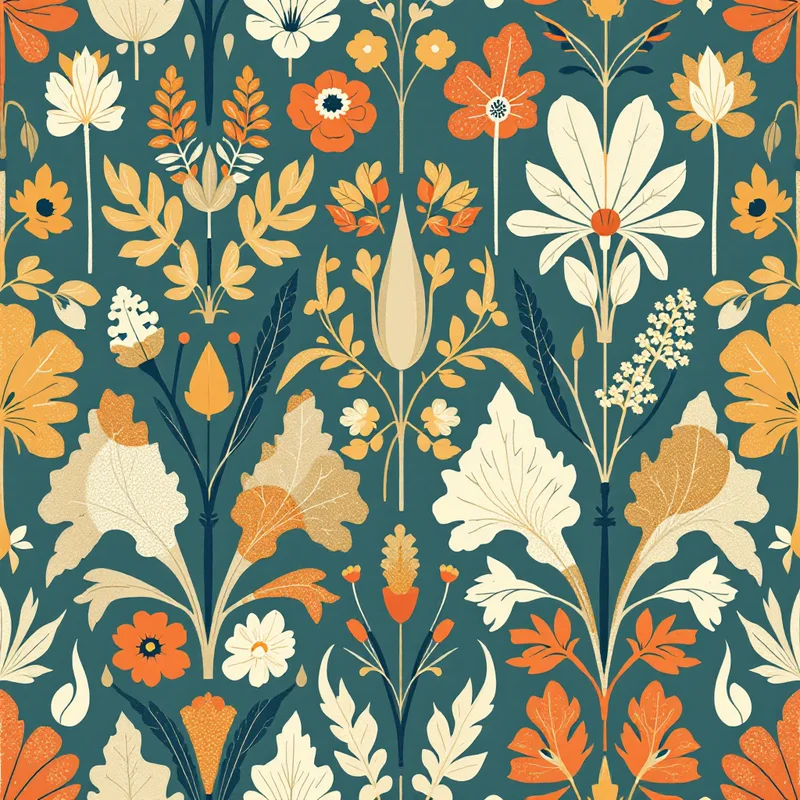
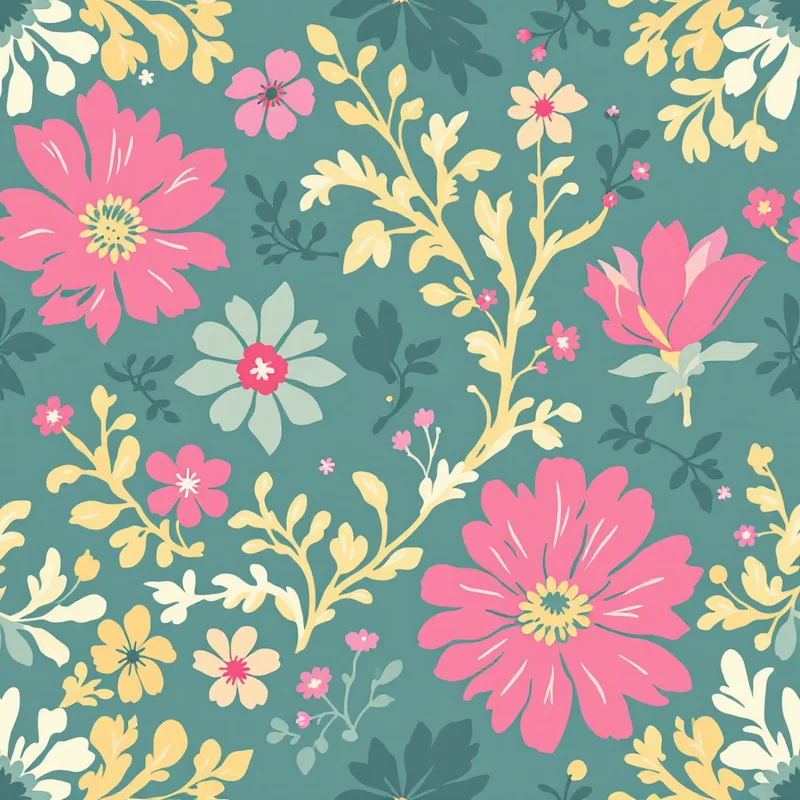
William Morris, the towering figure of Victorian pattern design, created wallpapers and textiles that remain in production today — Strawberry Thief, Willow Bough, and Acanthus are as commercially successful now as they were 140 years ago. Morris's designs balanced naturalistic botanical observation with formal pattern structure, creating repeats that feel both organic and architecturally sound. His influence extends through the Arts and Crafts movement and into Art Nouveau, and his work remains the gold standard for high-quality decorative pattern design.
Where to use victorian patterns
In contemporary markets, Victorian patterns serve the luxury interior design sector, heritage hospitality projects, period drama set design, and premium branding. High-end wallpaper manufacturers produce Victorian-inspired collections for residential and commercial interiors. Boutique hotels, historic homes, and period-themed restaurants specify Victorian patterns for an atmosphere of refined grandeur. Packaging for luxury products — artisanal teas, perfumes, confectionery, and spirits — draws on Victorian ornamental language to communicate tradition, quality, and craftsmanship. The grandmillennial design trend has further accelerated demand, with a new generation of designers embracing ornate Victorian patterns as a deliberate counterpoint to the minimalism that dominated the previous decade.
Customization & export
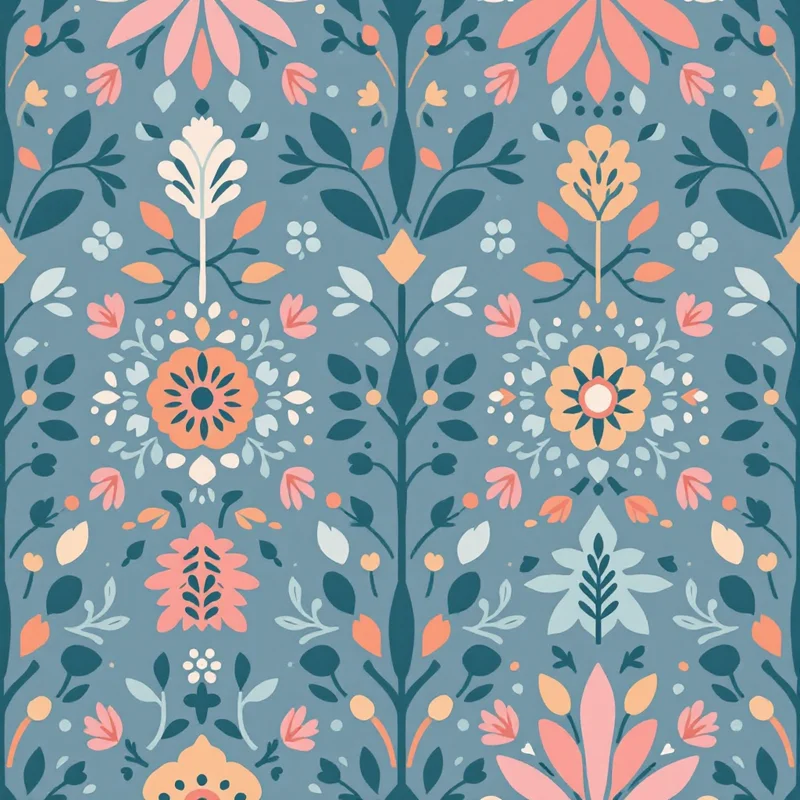
Victorian color palettes are essential to capturing the era's character. Deep jewel tones — burgundy, emerald, sapphire, and gold — evoke the richness of Victorian parlors and drawing rooms. Muted heritage shades — sage, dusty rose, ochre, and cream — offer a softer interpretation that works in contemporary residential settings. Dark, moody backgrounds with saturated botanical motifs create the dramatic maximalist effect that drives Victorian wallpaper sales in the luxury market. The interplay of multiple colors within a single repeat — a hallmark of Victorian printing — adds depth and complexity that simpler pattern styles cannot match.
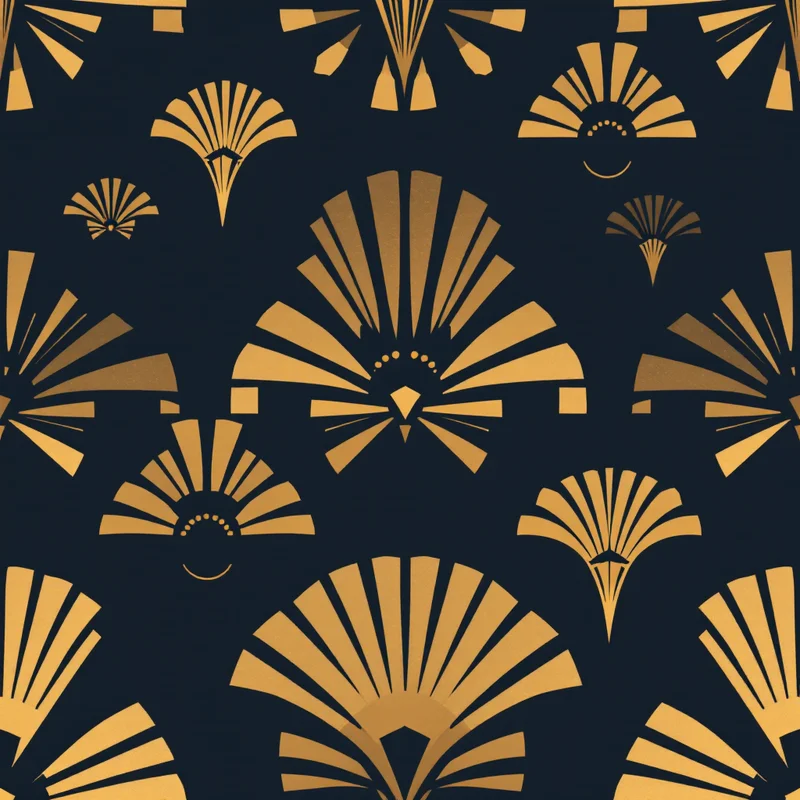
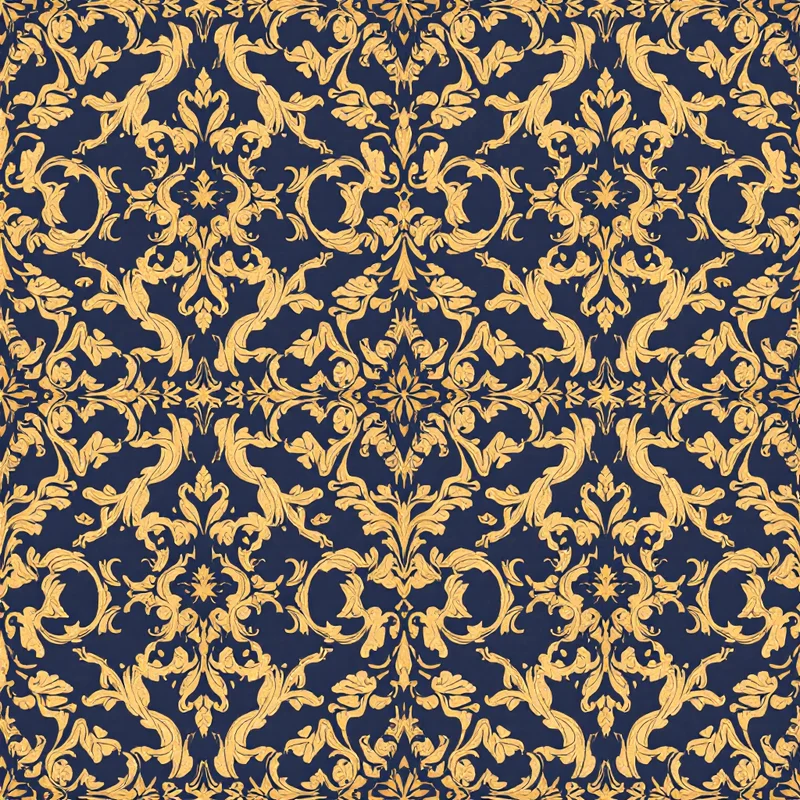
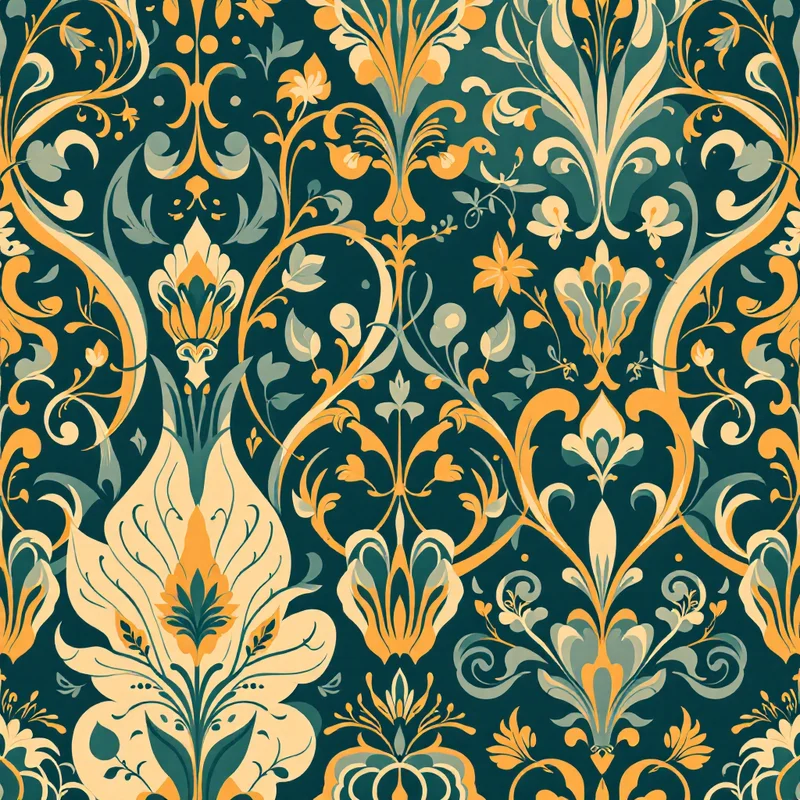
Pattern Weaver generates seamless Victorian repeats with meticulous attention to the dense ornamentation and layered composition that define the era. Choose from substyles including William Morris-inspired botanical scrollwork, Gothic Revival tracery, Aesthetic Movement japonesque, Rococo Revival florals, and dense damask-style symmetrical repeats. Control color palette from deep jewel tones to muted heritage shades, adjust density from moderate to maximally ornate, and select rendering styles from block-print texture to gilded metallic to painterly watercolor. Export at up to 8K resolution for wallpaper, fabric, packaging, or digital applications.