


Design characteristics
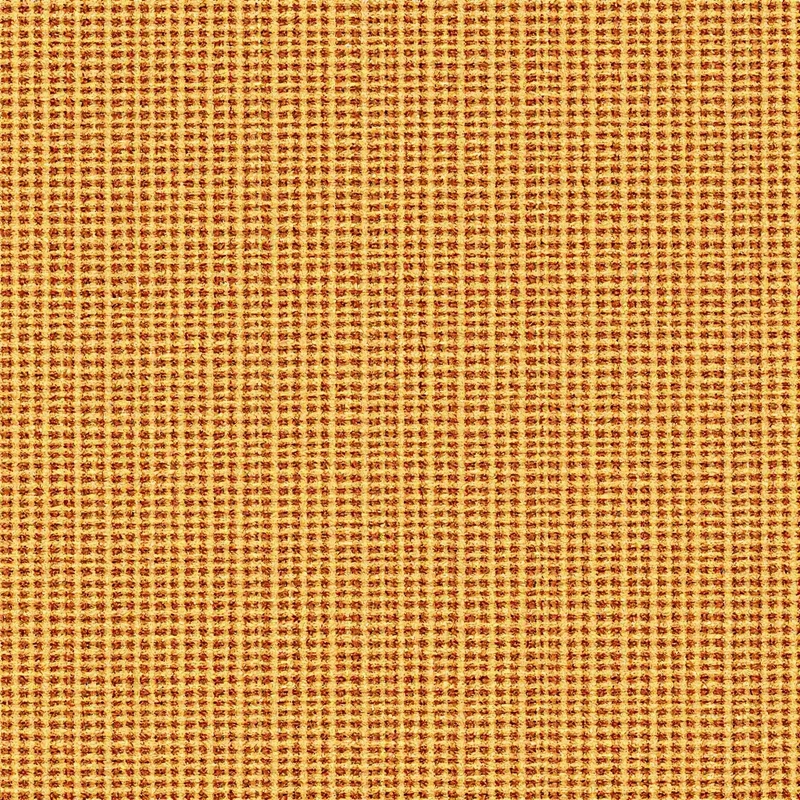
The palette is rooted in the British and Irish countryside that made the cloth famous. Think heather purple, moss and bottle green, peat brown, oatmeal, charcoal, rust, and slate blue, almost always softened and desaturated as if seen through morning mist. Classic constructions include the diagonal twill of herringbone, the pinpoint check of houndstooth, the speckled flecks of Donegal, the soft blur of barleycorn, and the muted overcheck of an estate or windowpane tweed. A tiny pop of red, yellow, or sky blue threaded through a neutral ground is a signature touch that keeps the design from going flat.
Commercial applications
Designers search for tweed patterns when they want heritage, tailoring, and a sense of craft. Fashion and accessory brands reach for it to signal autumn-winter collections, professional menswear, and that quiet British luxury aesthetic. Interior designers use it for upholstery, throws, and feature walls that feel cozy without being twee. It is a favorite for anything that wants to read as warm, durable, and timelessly classic rather than trend-driven.
Where to use tweed patterns patterns
Concrete uses run wide. In textiles and fashion the pattern lands on jackets, coats, skirts, hats, scarves, and bag linings. As wallpaper it brings texture to studies, libraries, and hospitality interiors without the cost of real cloth. In packaging it dresses up whisky, coffee, menswear, and grooming products with an instant heritage cue. It also works beautifully on accessories like phone cases, notebooks, and stationery, and across home decor as cushions, lampshades, table runners, and curtains.
Customization & export
In the studio you control every variable. Pick a base construction such as herringbone or houndstooth, then dial the fleck density from a clean weave to a busy Donegal speckle, set the thread scale from fine suiting to chunky homespun, and tune the color story toward warm earth tones, cool greys, or a bolder accent thread. Adjust how tight or loose the weave reads so a single design can suit a delicate scarf print or a heavy upholstery bolt. Every pattern is generated as a true seamless tile, so it repeats edge to edge with no visible join across any surface.
When the look is right, export at the size and format the job needs. Pattern Weaver outputs up to 8K (8192x8192) so the fine thread structure stays crisp even on large-format upholstery or a full wall. Use PNG for web mockups and transparency, TIFF for the highest-fidelity print and fabric production, and PDF for layouts headed to a printer. JPG, WEBP, and SVG are available too. The result is a tweed pattern that scales from a tiny accessory to an entire room without ever losing its woven character.