


Design characteristics
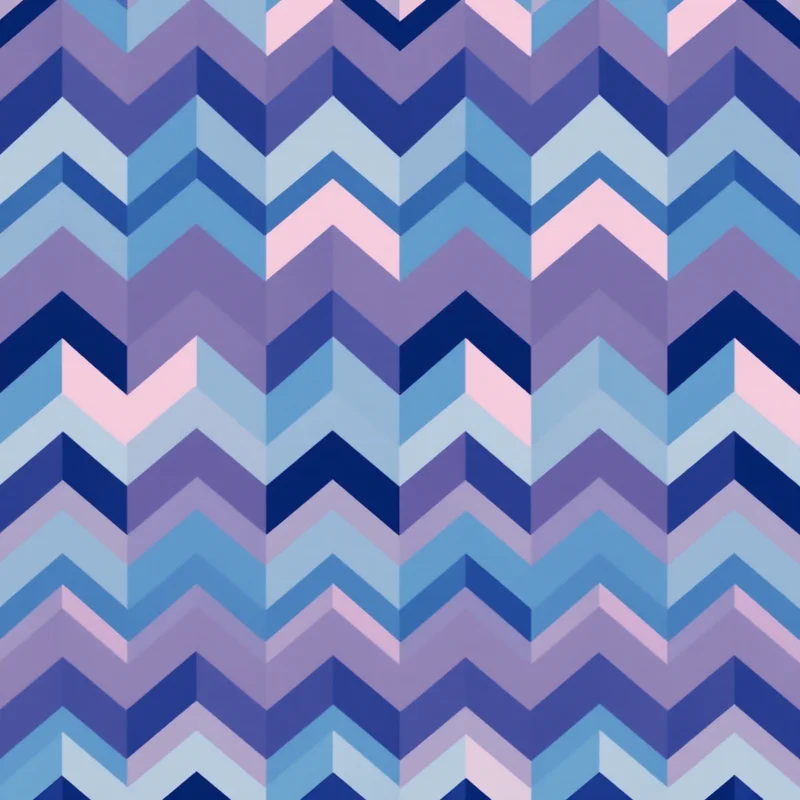
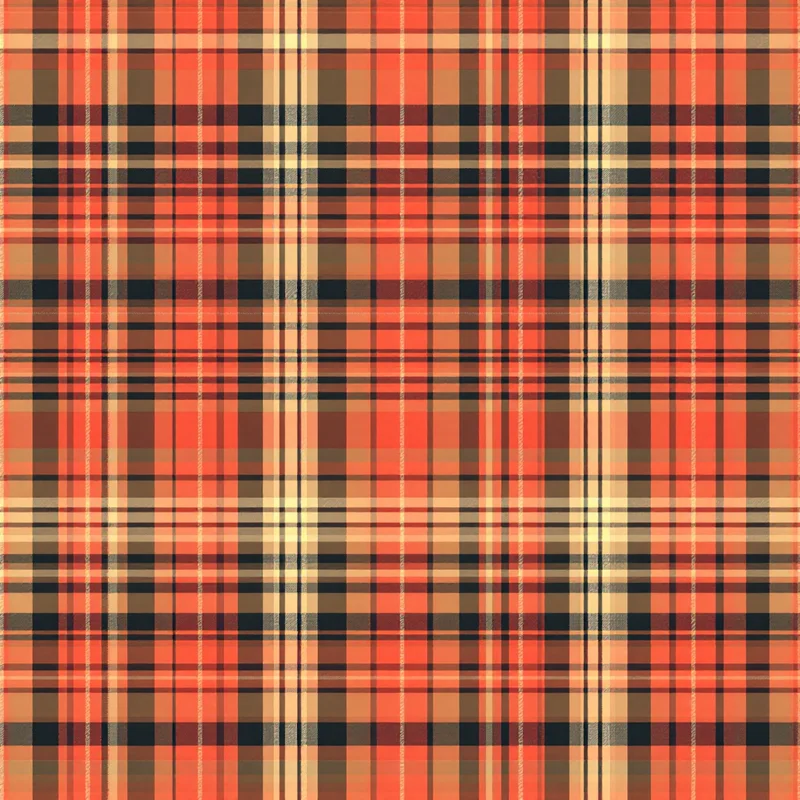
The character of a stripe pattern shifts completely with proportion and color. A navy-and-white nautical stripe signals coastal casual. A charcoal pinstripe reads as tailored and professional. A pastel candy stripe feels playful and nostalgic. Bold asymmetric color bands in saturated tones create contemporary impact for packaging and interior accent walls. Diagonal stripes add movement and energy. Irregular hand-drawn stripes bring organic warmth to an otherwise geometric motif.
Commercial applications
In fashion and textiles, stripes are a permanent fixture. Breton tops, shirting, ties, socks, bedding, upholstery, towels, and awnings all rely on stripe patterns as core design elements. Stripes work at every price point and across all seasons — they are genuinely universal. For print-on-demand sellers, stripe patterns are reliable sellers because they photograph well on product mockups and appeal to a broad customer base.
Where to use stripe patterns
Pattern Weaver lets you control stripe width, spacing, color sequence, orientation, and rendering style. Apply a watercolor wash for soft, painterly stripes. Use a crisp vector finish for clean graphic lines. Try a woven texture for fabric-realistic results. Combine stripes with secondary motifs — florals over stripes, dots between bands — for layered compositions. Export at up to 8K resolution for large-format applications or at web sizes for digital use.