
Design characteristics
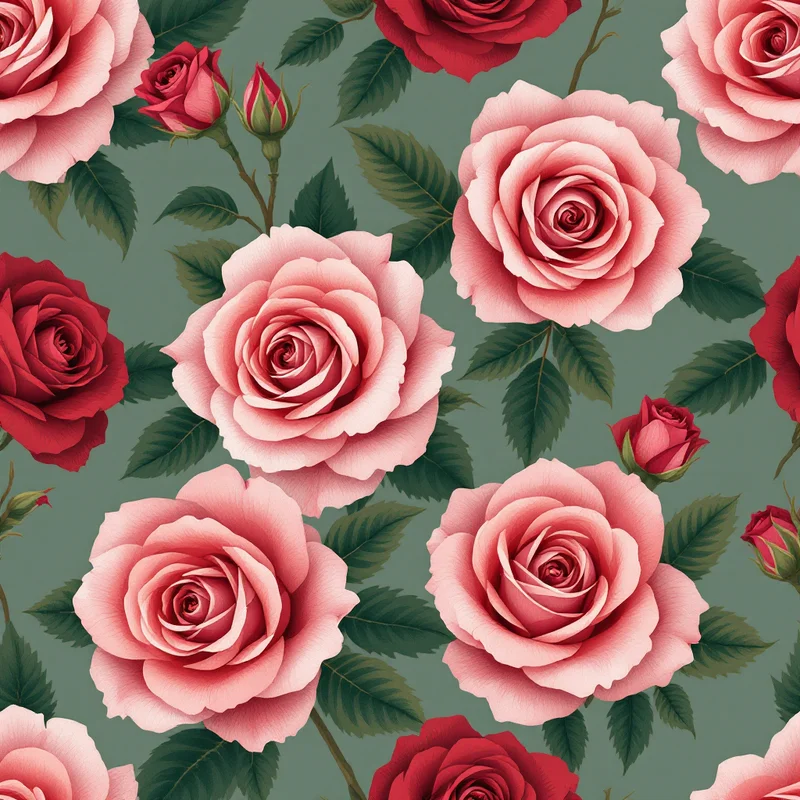
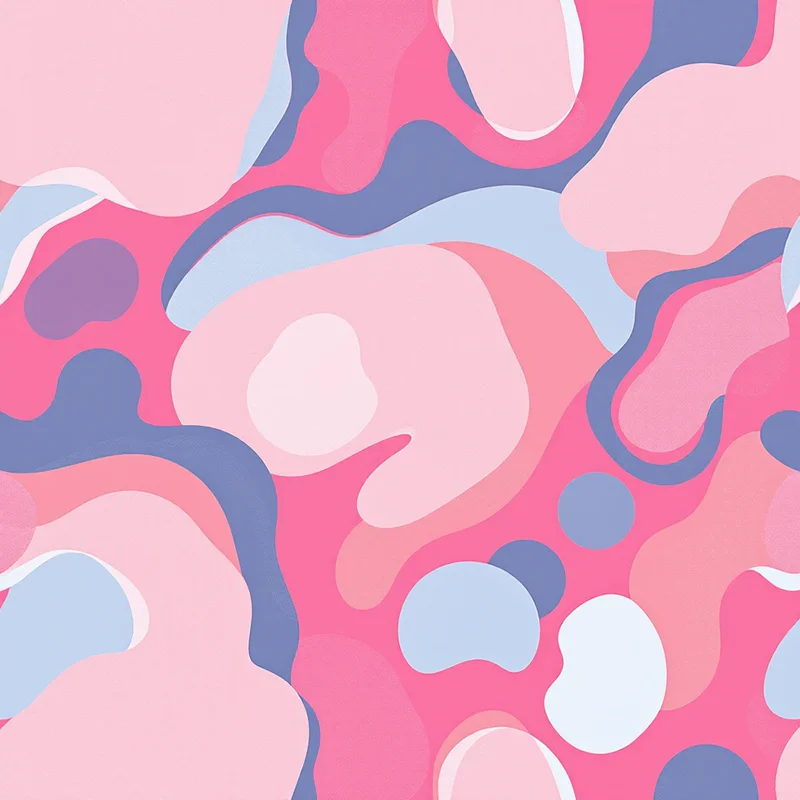
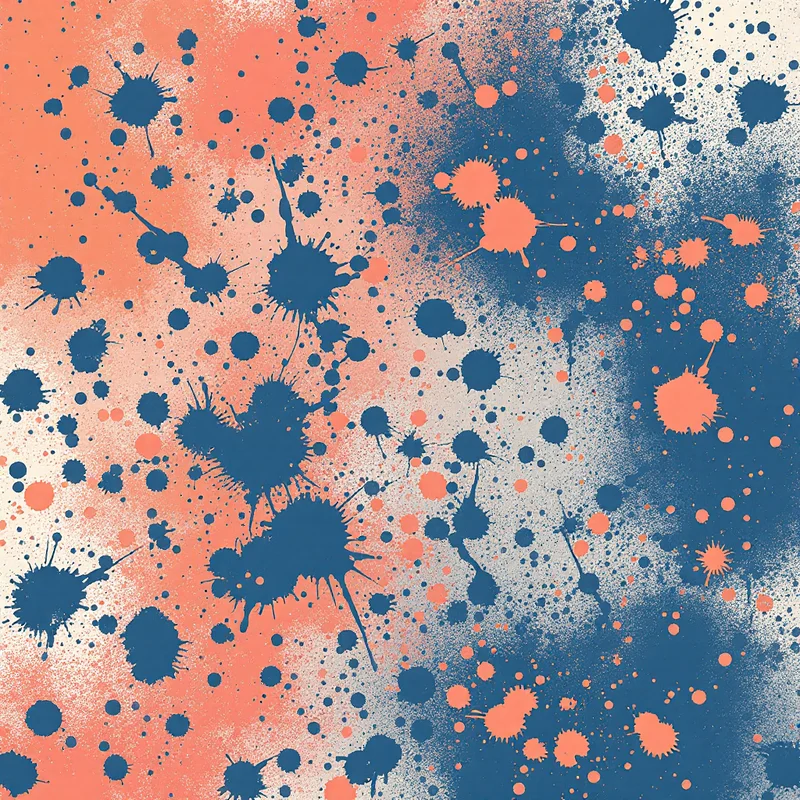
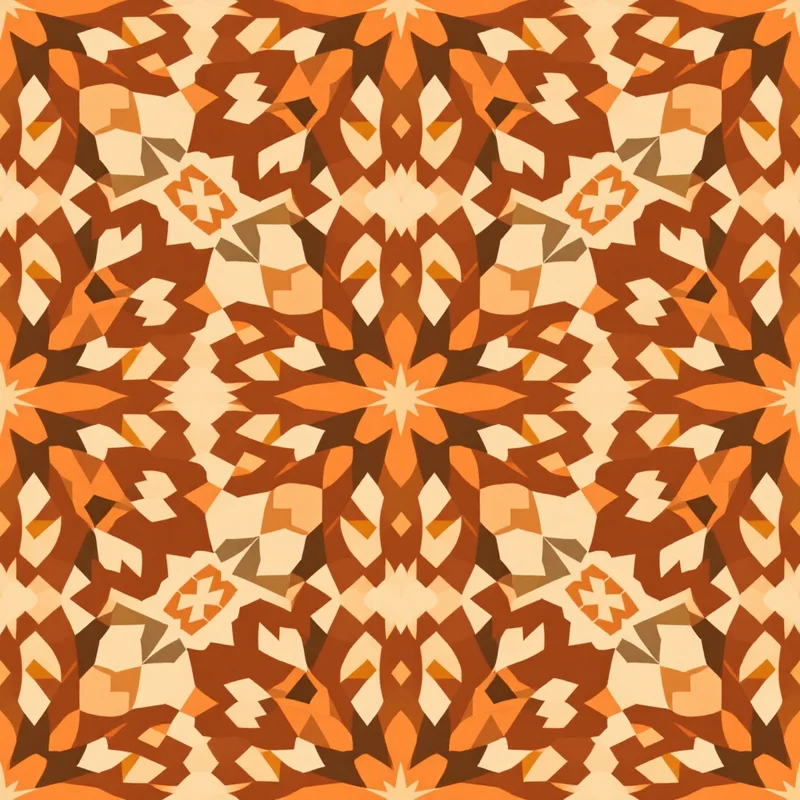
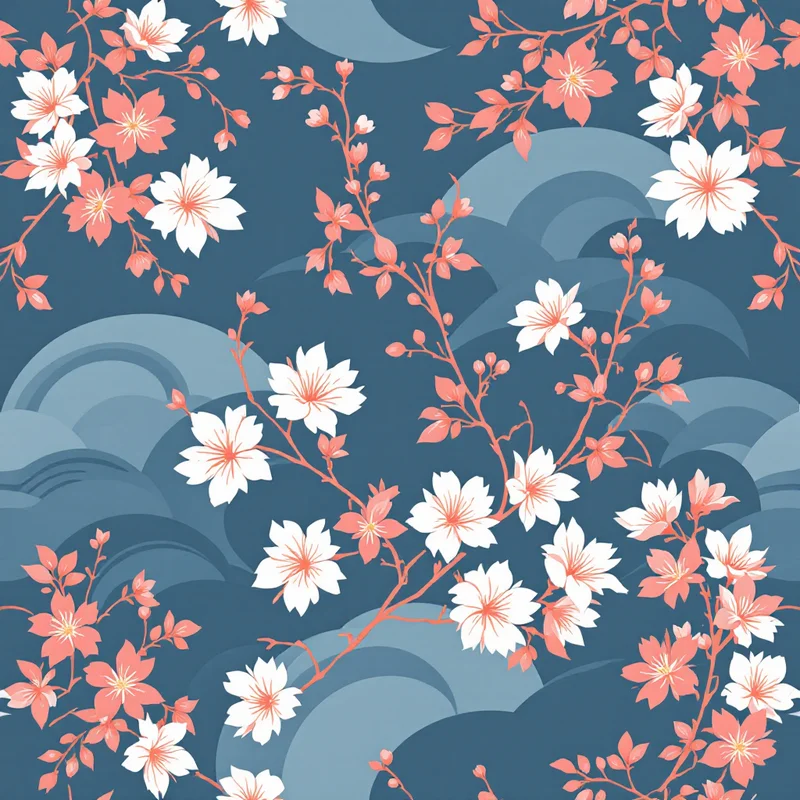
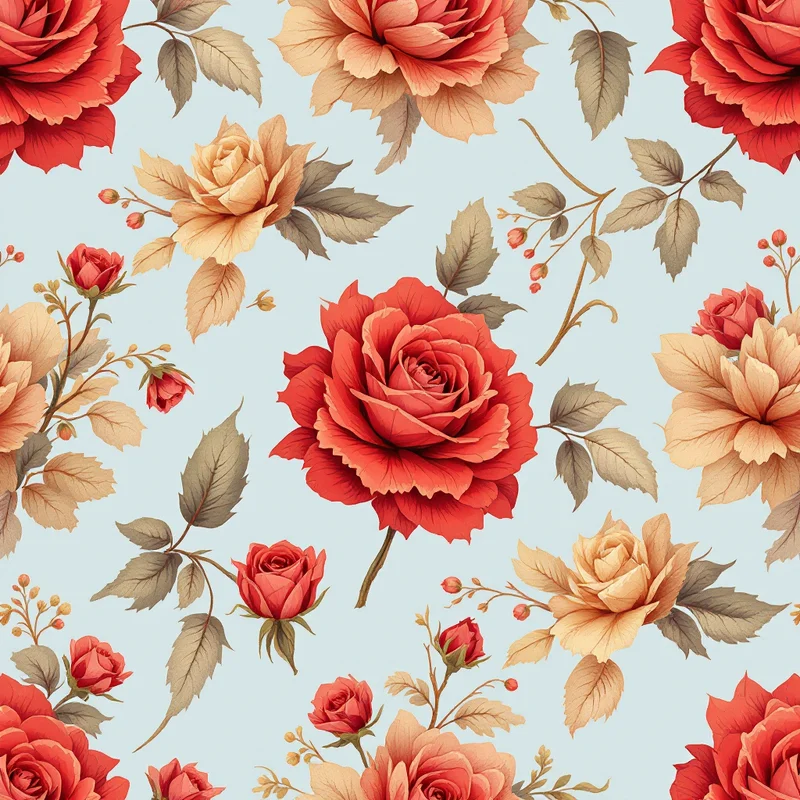
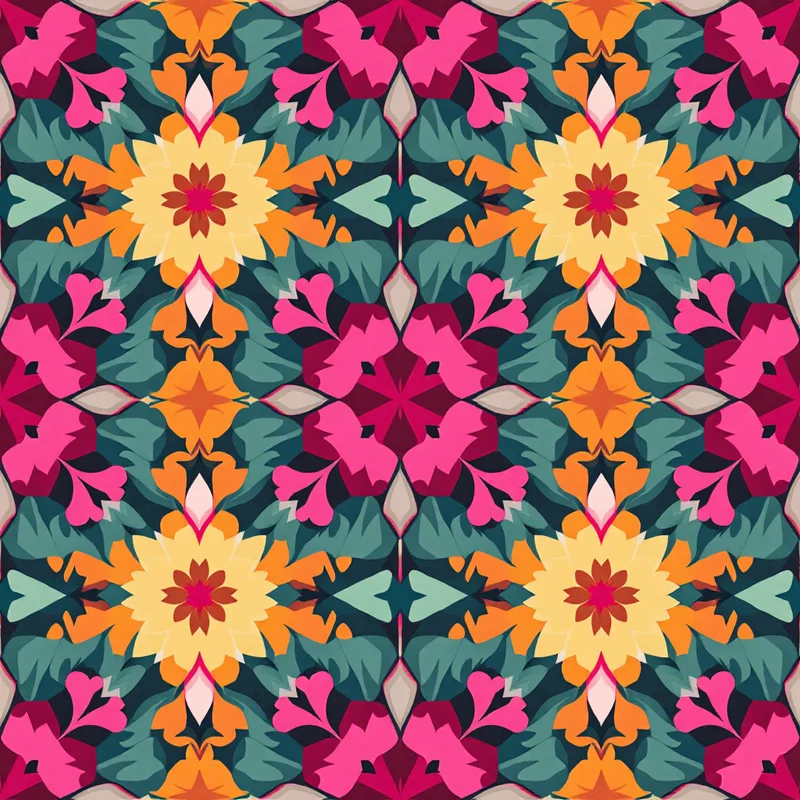
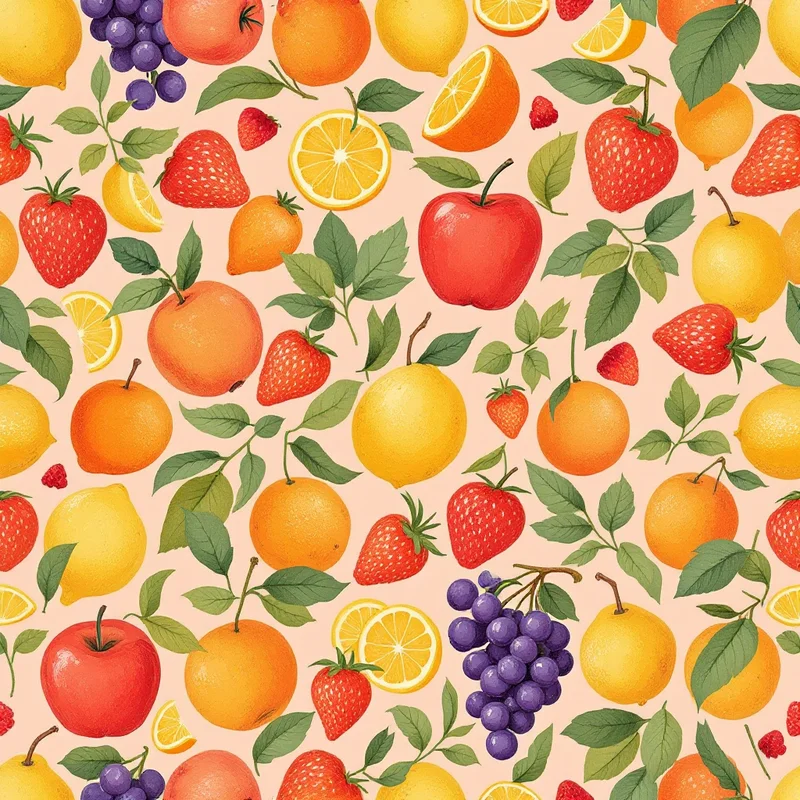
The visual hallmarks of red patterns depend on how the color is deployed. A monochrome red-on-white scheme feels crisp and graphic, ideal for stripes, polka dots, and ditsy florals. Tonal reds layered together, like crimson roses on a burgundy ground, create depth and a moody, luxurious mood. Red paired with gold reads ornate and festive; red with navy or forest green leans preppy and traditional; red with cream and black evokes vintage and mid-century looks. Classic motifs that suit red especially well include roses and poppies, paisley teardrops, damask scrolls, tartan and gingham checks, chinoiserie florals, and bold geometric repeats.
Commercial applications
Historically, red has been one of the hardest and most prestigious dyes to produce. Madder root, cochineal insects, and later synthetic alizarin gave textiles their deep reds, making red cloth a marker of status across cultures. That heritage shows up today in Turkey red prints, Indian block-printed cottons, Scottish tartans, and Chinese silk brocades, all of which feed directly into the substyle library inside Pattern Weaver.
Where to use red patterns for textiles, fashion & decor patterns
Commercially, red patterns are workhorses. In fashion they appear on dresses, scarves, ties, and linings where a single bold print carries an entire garment. In home decor they cover throw pillows, upholstery, table linens, and ceramics, bringing warmth to neutral rooms. Wallpaper uses red sparingly but to dramatic effect in dining rooms and accent walls. Packaging and branding lean on red for energy and appetite appeal, which makes red patterns popular for food, beauty, and holiday gift wrap. Accessories like phone cases, tote bags, and stationery round out the demand, especially around Valentine's Day and the winter holidays.
Customization & export
Pattern Weaver lets you dial in exactly the red you need. Color controls let you shift the dominant hue along the warm-to-cool red axis, adjust saturation from muted brick to electric scarlet, and set accent colors so a print stays festive, romantic, or rustic. Density sliders space motifs from airy and minimal to dense and maximalist, while scale controls size each element for the product in hand, small ditsy repeats for accessories or oversized blooms for upholstery and wallpaper. Every result tiles seamlessly with no visible seams.
Once a design looks right, export it at resolutions up to 8K (8192x8192) in the format your workflow needs: PNG and WEBP for digital mockups and print-on-demand, TIFF for professional textile and fabric printing, PDF for press-ready packaging and stationery, JPG for quick proofs, and SVG for scalable vector work. That combination of fine color control, true seamless tiling, and high-resolution export makes red patterns ready to drop straight onto fabric, paper, or screen.