Design characteristics
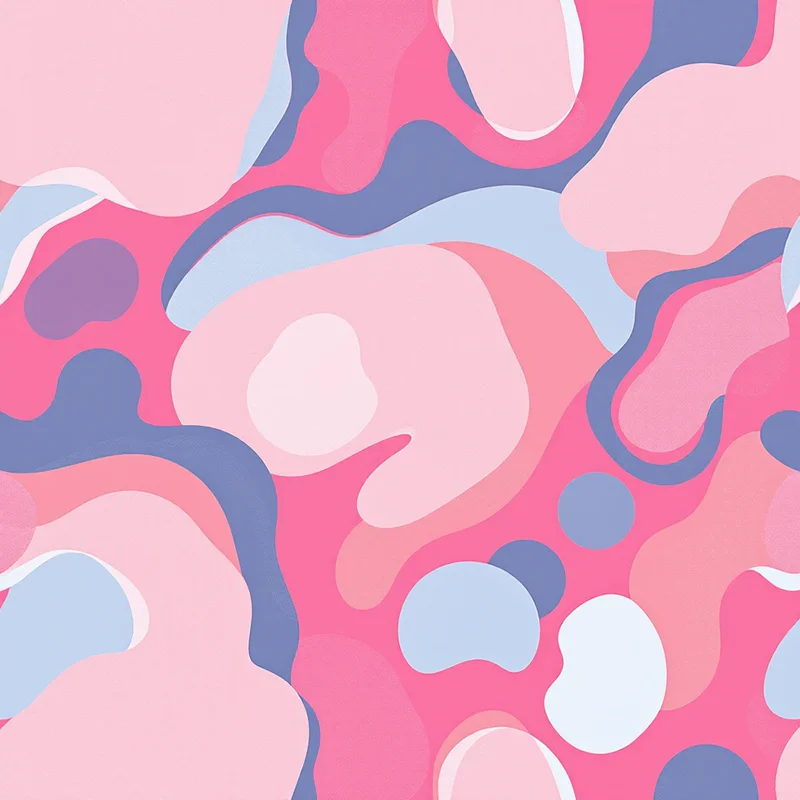
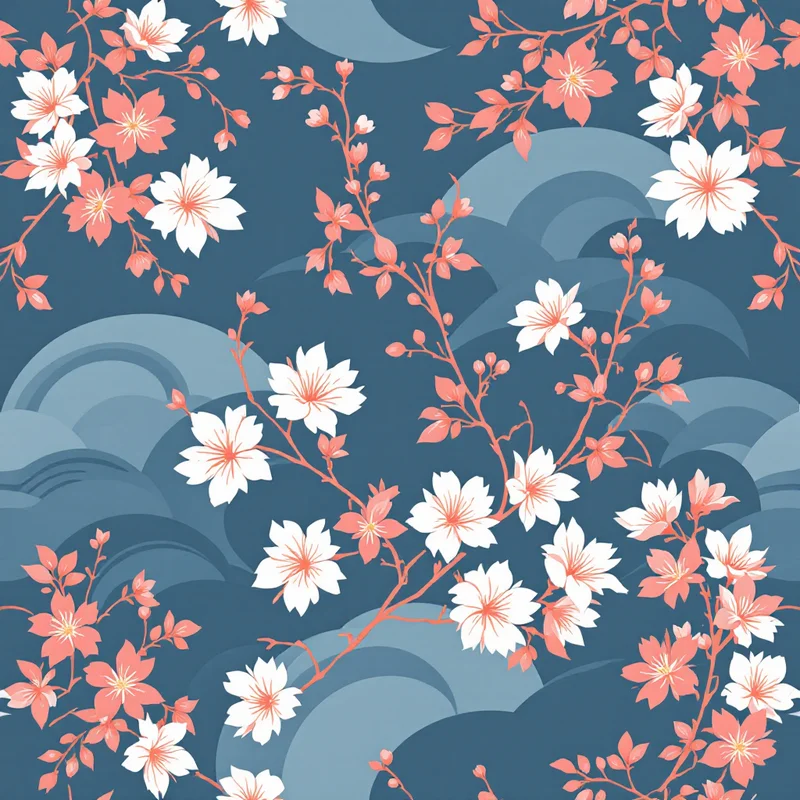
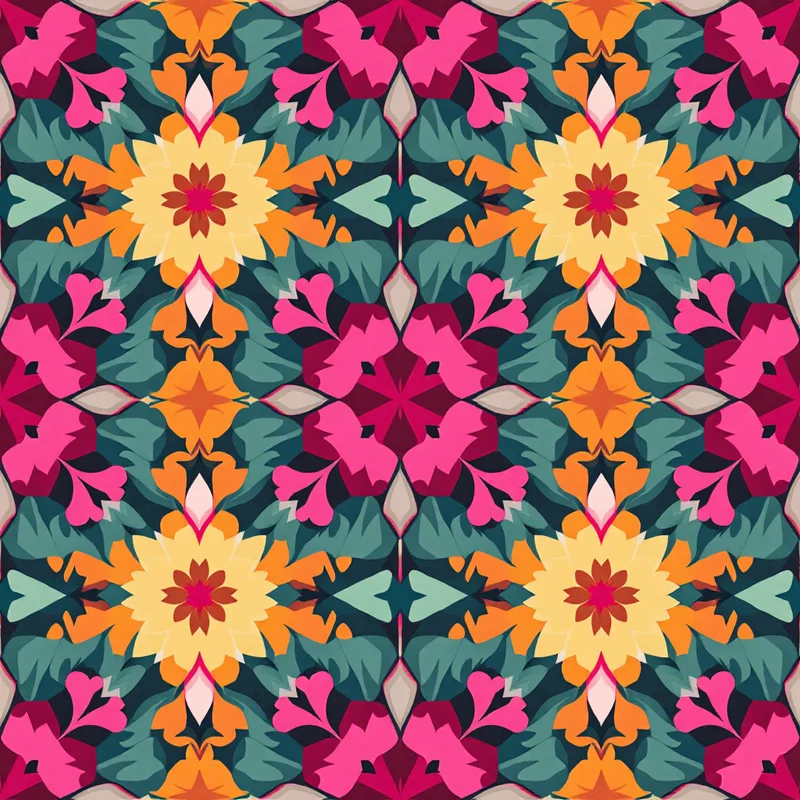
Historically purple carried real weight. Tyrian purple, extracted from sea snails in the ancient Mediterranean, was so labor-intensive that it became reserved for royalty and clergy, which is where the lasting association with status and ceremony comes from. That heritage shows up today in damask and brocade motifs, ornate scrollwork and regal florals rendered in plum and violet, while more contemporary purple work leans on watercolor washes, gradient ombre fades, galaxy and nebula effects, and tonal geometric repeats. Lavender fields, wisteria, iris, lilac, thistle and orchid are recurring botanical anchors, and amethyst crystal facets are a popular abstract jumping-off point.
Commercial applications
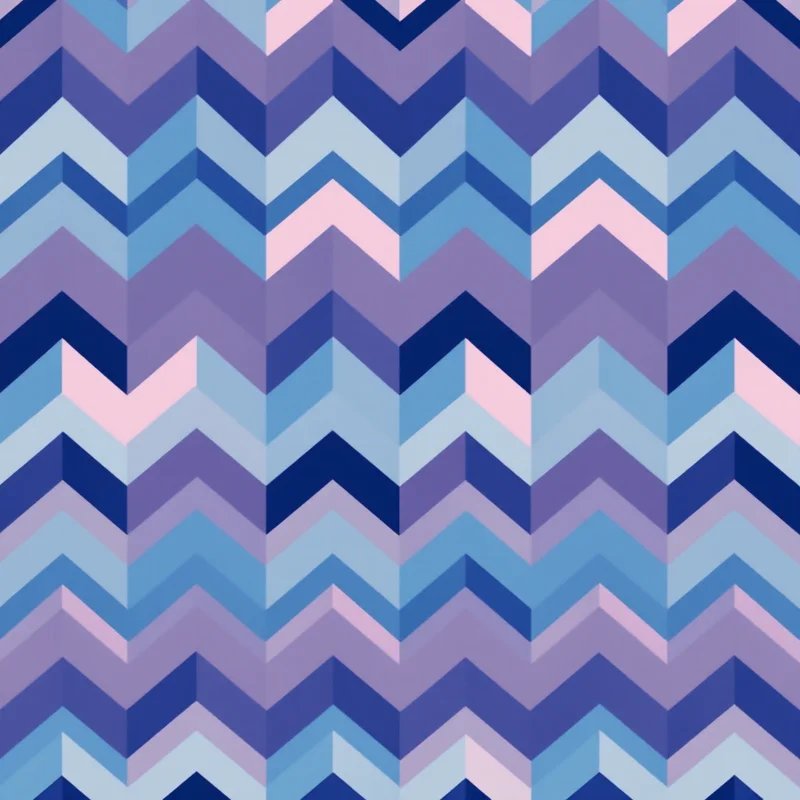
What makes a purple pattern succeed commercially is tonal range. A single hue can produce a full design when you stack tints and shades: pale lilac grounds, mid-violet motifs, and deep aubergine outlines create depth without introducing competing colors. That monochromatic flexibility is why purple repeats work so cleanly on apparel and home goods, where a coordinated capsule of prints often shares one color family across multiple scales.
Where to use purple patterns for textiles, fashion and decor patterns
In production these patterns move easily across categories. They show up on dresses, scarves, leggings and loungewear; on bedding, throw pillows, curtains and upholstery; on wallpaper and accent walls; on phone cases, tote bags, stationery and gift wrap; and on cosmetic, candle and wellness packaging where violet signals calm or indulgence. Lighter lavender repeats suit nursery and spa branding, while deep plum and eggplant tones carry premium and editorial product lines.
Customization & export
With Pattern Weaver you start from a purple direction and shape it with simple controls. Adjust density to go from airy, sparse motifs to a packed all-over print, set the scale so the repeat fits a small accessory or a full wallpaper drop, and tune the color sliders to push the palette warmer toward magenta or cooler toward indigo. Every design tiles seamlessly, so it repeats edge-to-edge with no visible seam at any size. When the look is right, export print-ready files up to 8K (8192x8192) in PNG, JPG, WEBP, TIFF, PDF or SVG, with options for transparent backgrounds and CMYK conversion for physical printing.
Because Pattern Weaver generates original artwork rather than pulling from stock libraries, you can build an entire coordinated purple collection of florals, geometrics and textures that share the same hues and feel made for each other, then take it straight to print-on-demand, manufacturing or your own product line.