Design characteristics
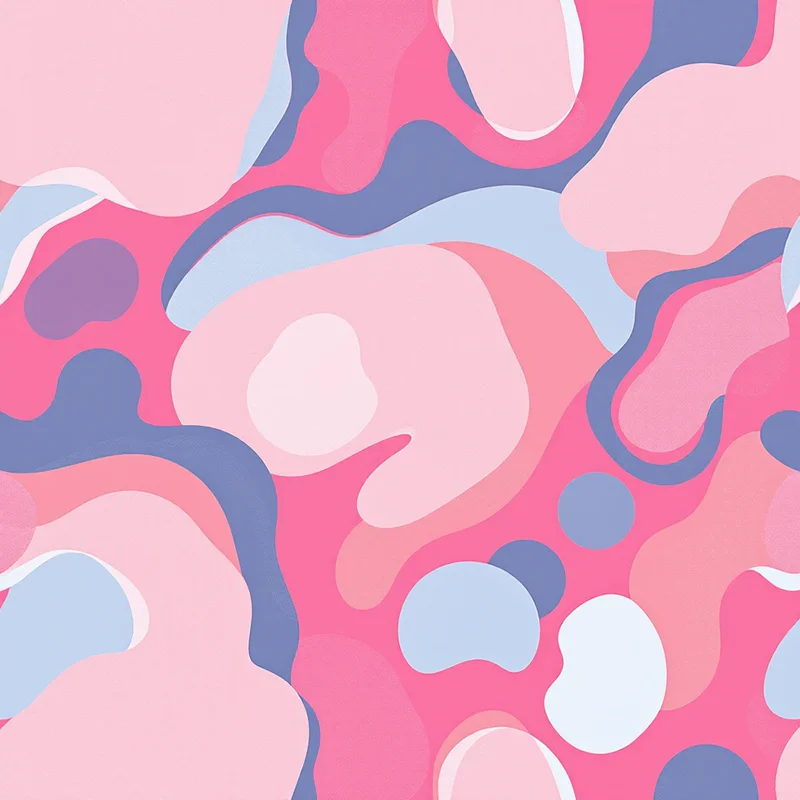
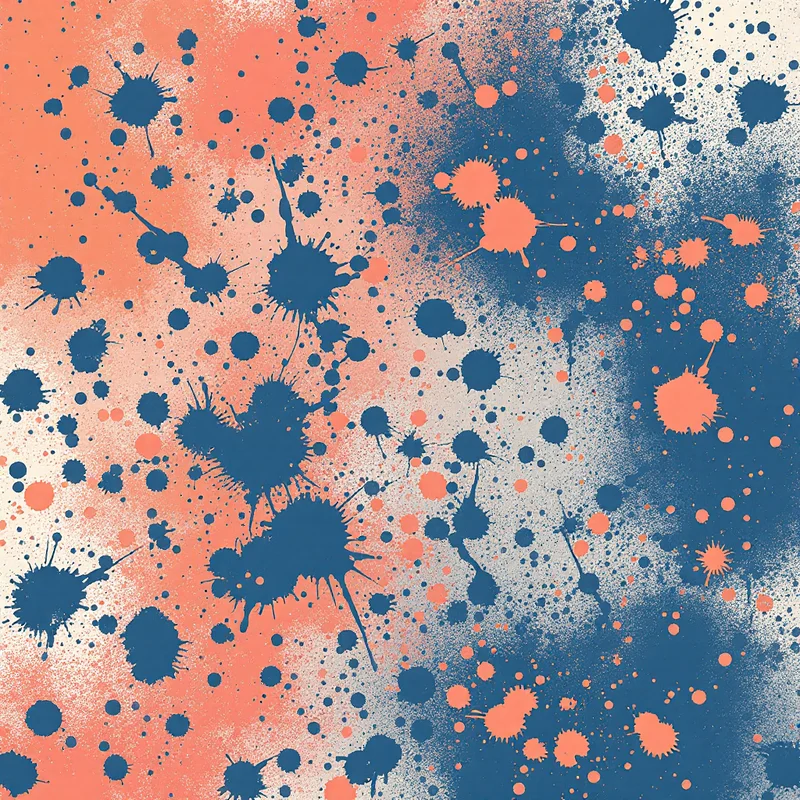
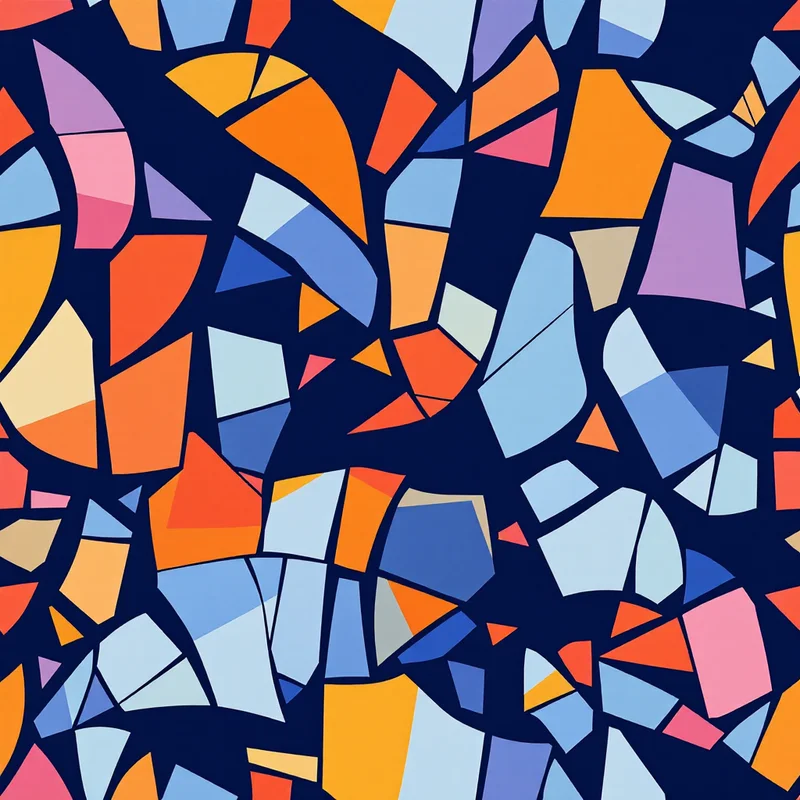
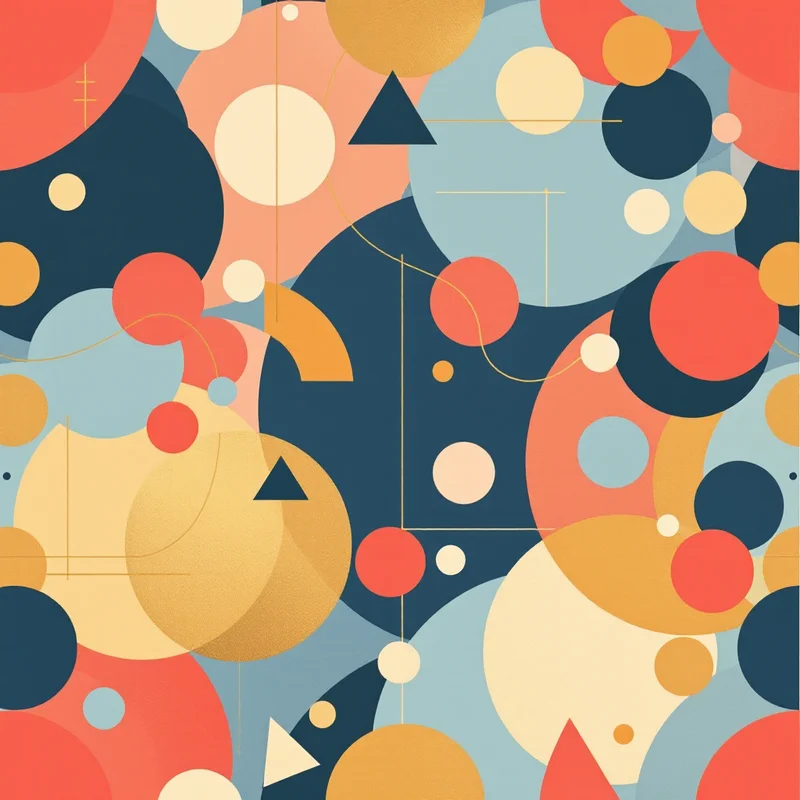
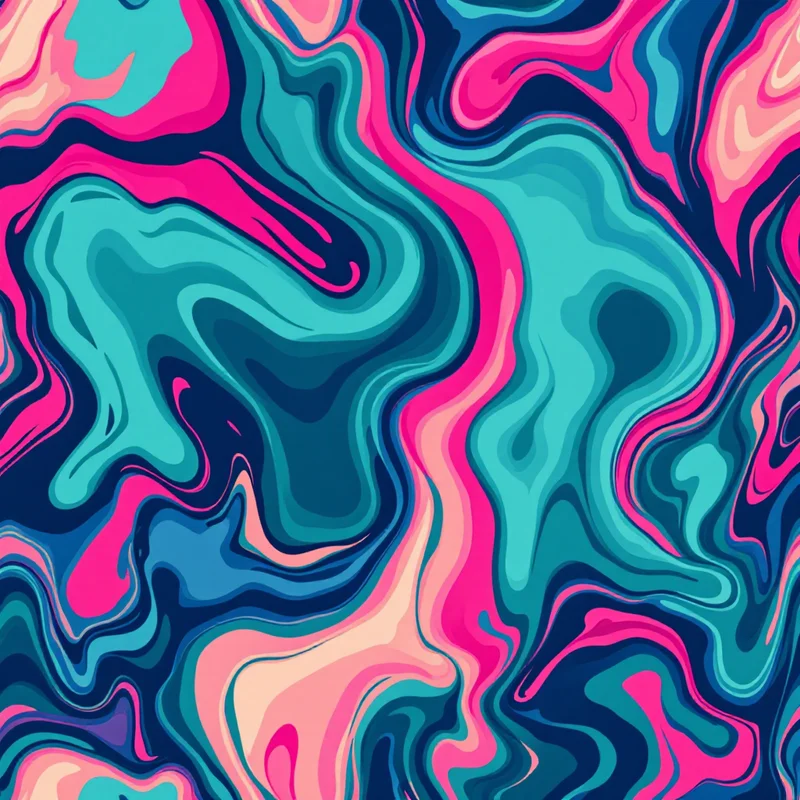
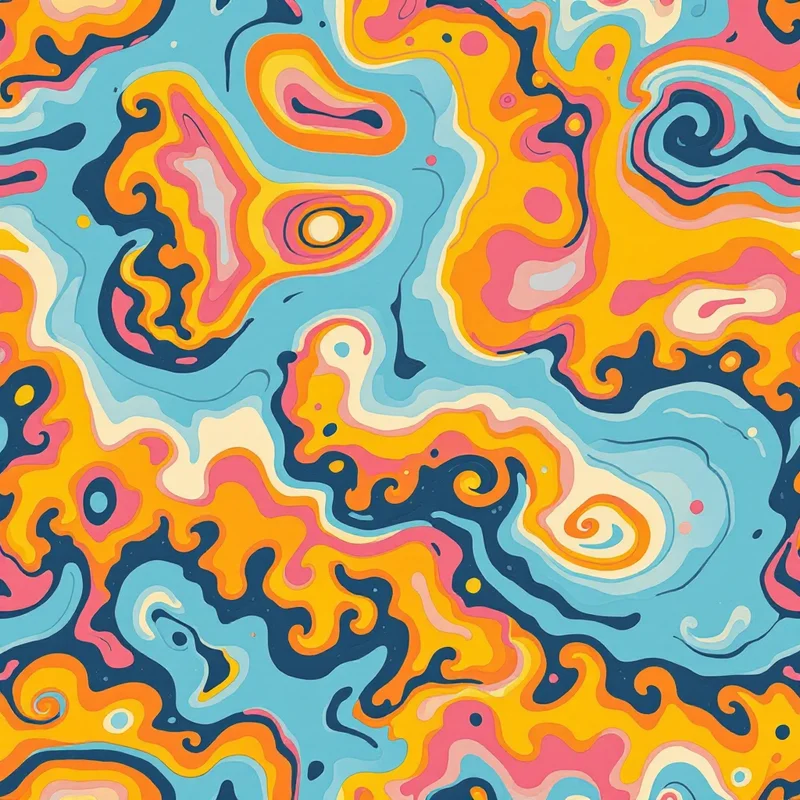
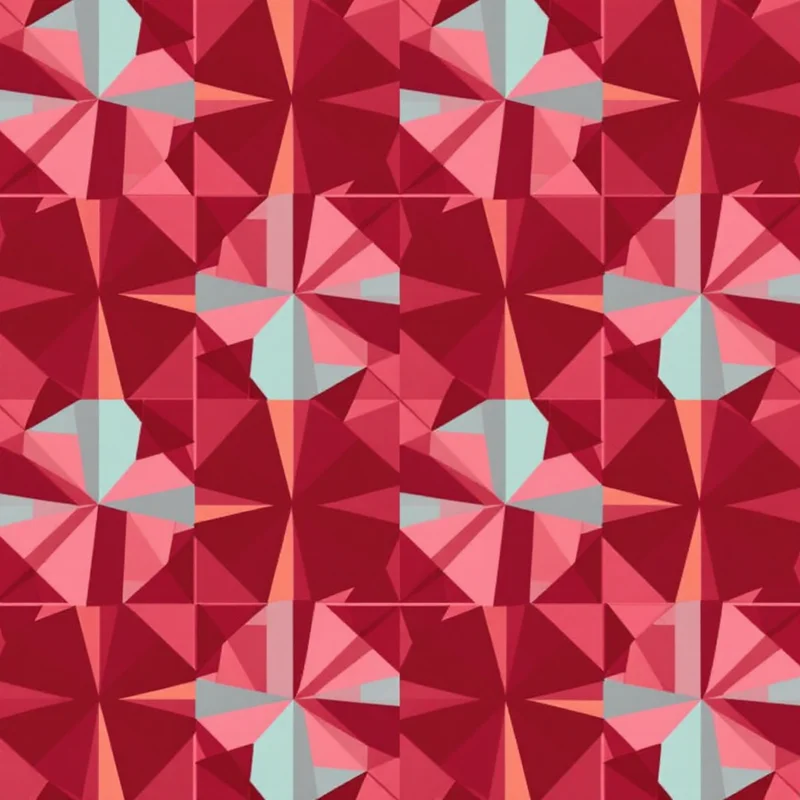
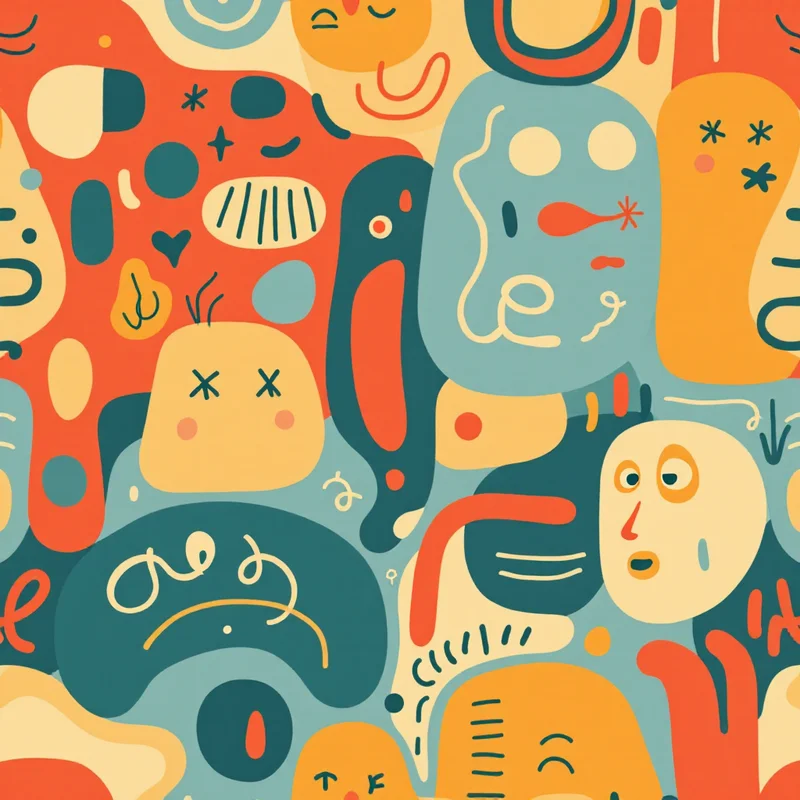
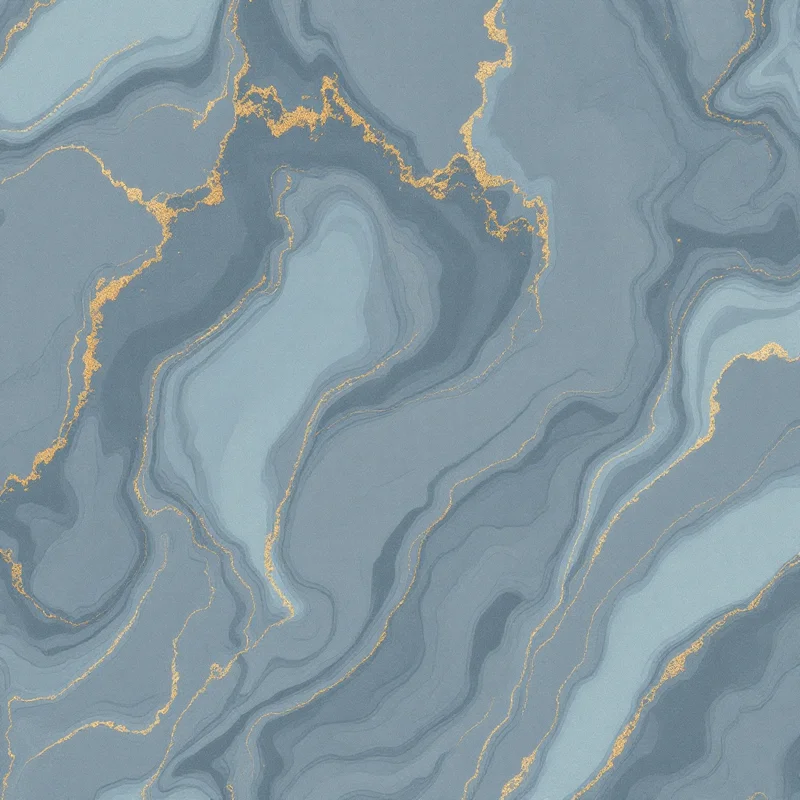
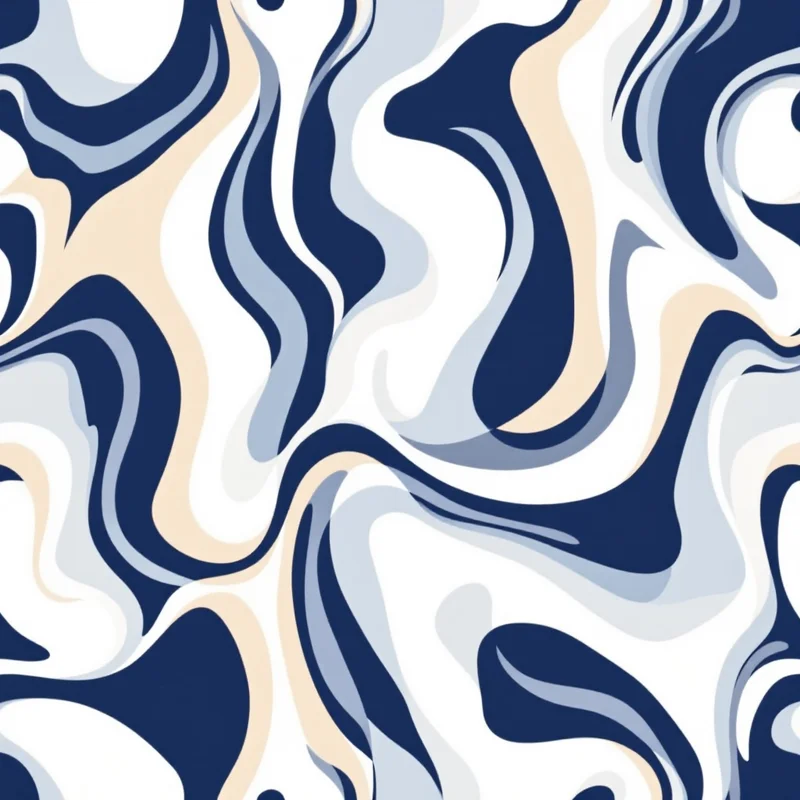
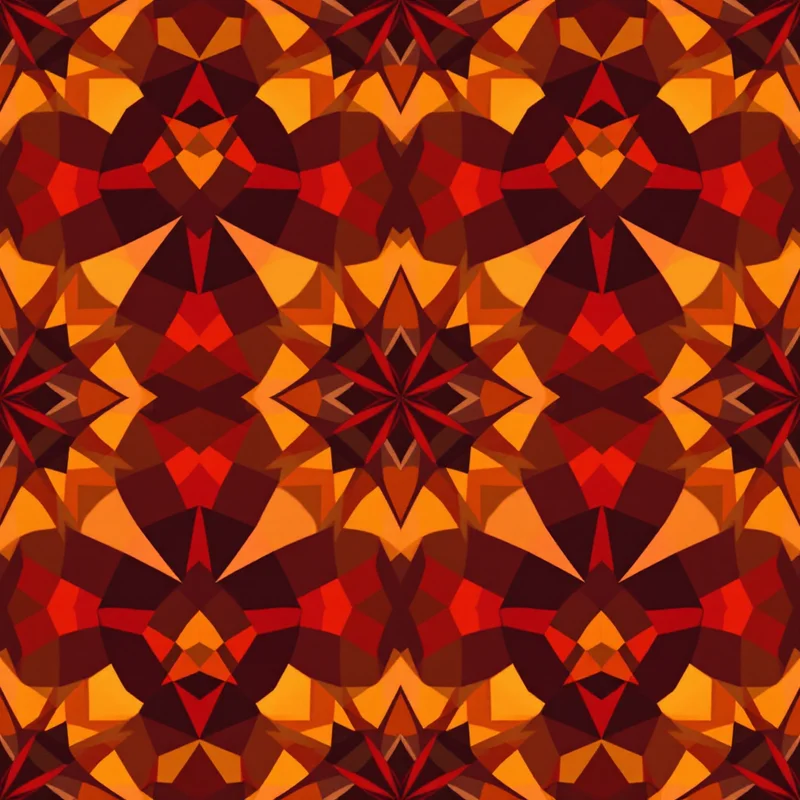
Color is doing most of the work. Psychedelic palettes lean on clashing complementaries and rapid hue shifts: hot magenta against acid lime, electric orange beside cobalt, with rainbow gradients bleeding through the whole field. Optical contrast is the point. Edges are often outlined in a darker or vibrating hue so shapes appear to glow or hum, an effect borrowed directly from black-light poster printing. The best designs balance that intensity with rhythm, so the eye keeps moving through the repeat rather than locking onto one spot. Where a design needs to feel hand-painted, marbled and tie-dye-style blooms soften the hard symmetry.
Commercial applications
Designers reach for psychedelic patterns when a product needs to feel bold, nostalgic, and unmistakably expressive. The style carries strong associations with festival culture, retro 60s and 70s revival fashion, and music merchandise, which makes it a reliable choice for standing out on a crowded shelf or rail. Because the motifs are abstract and flowing, they scale up dramatically without looking sparse and tile cleanly into all-over prints. They also pair well with bold typography, since the swirling negative space leaves room for a logo or slogan to sit on top.
Where to use psychedelic patterns patterns
The range of work is wide. On textiles and fashion, swirling all-over prints suit dresses, scarves, leggings, and bandanas, while bolder kaleidoscopic repeats anchor statement shirts and jackets. In home decor, the same designs translate to wallpaper feature walls, throw pillows, rugs, and bedding where the symmetry reads as intentional rather than chaotic. For packaging and branding, toned-down psychedelic swirls add energy to cosmetics, beverage labels, and gift wrap, and accessories like phone cases, tote bags, enamel-feel pouches, and skate decks lean into the loud, graphic edge of the style. Stationery, sticker sheets, and yoga or activewear lines round out the commercial picture.
Customization & export
Pattern Weaver gives you direct control over what makes these designs work. Adjust density to move from open, breathing swirls to dense kaleidoscopic fields, dial scale to suit anything from a small repeat on a scarf to an oversized wall mural, and steer the palette toward classic rainbow saturation, acid neons, or a tighter two-color op-art scheme. Substyle choices let you target liquid marbling, mandala symmetry, op-art geometry, or melting blacklight looks without starting from scratch. You can generate several directions at once, compare them side by side, and refine color and density on the version that fits before committing. Every result tiles seamlessly, so the repeat stays invisible across large surfaces.
When a design is ready, export it at up to 8K (8192x8192) in the format your production process needs: PNG for crisp web and print mockups, TIFF for high-fidelity textile and dye-sublimation workflows, and PDF for vector-friendly print handoff, alongside JPG, WEBP, and SVG. Higher resolutions matter most for large-format work like wallpaper panels and oversized fashion prints, where every swirl needs to hold its edge up close. With Pattern Weaver you can iterate through dozens of trippy variations, lock the one that fits, and send a print-ready file straight to manufacturing without redrawing a single swirl.