Design characteristics
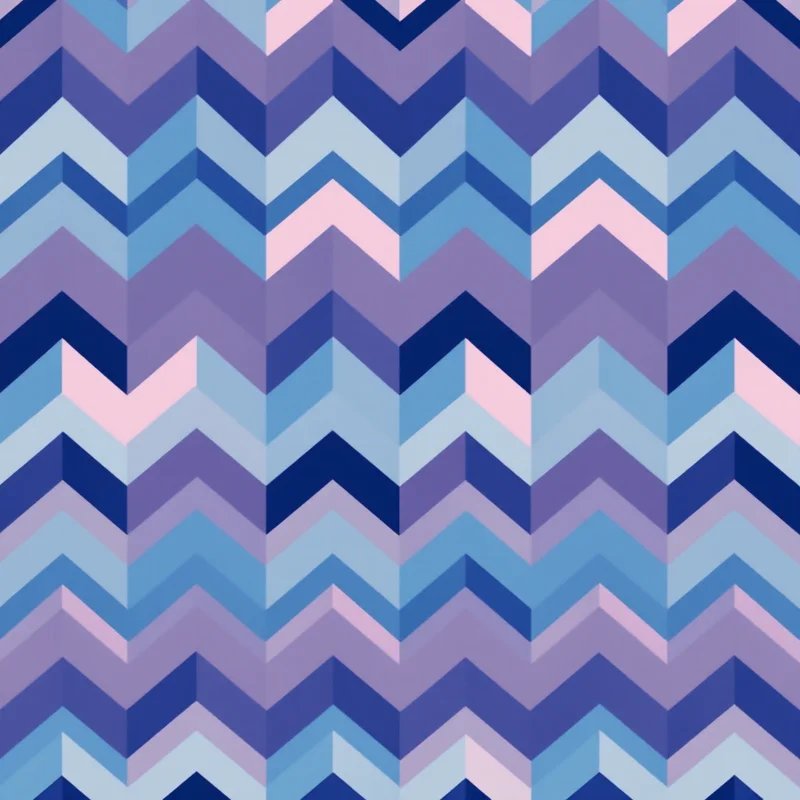
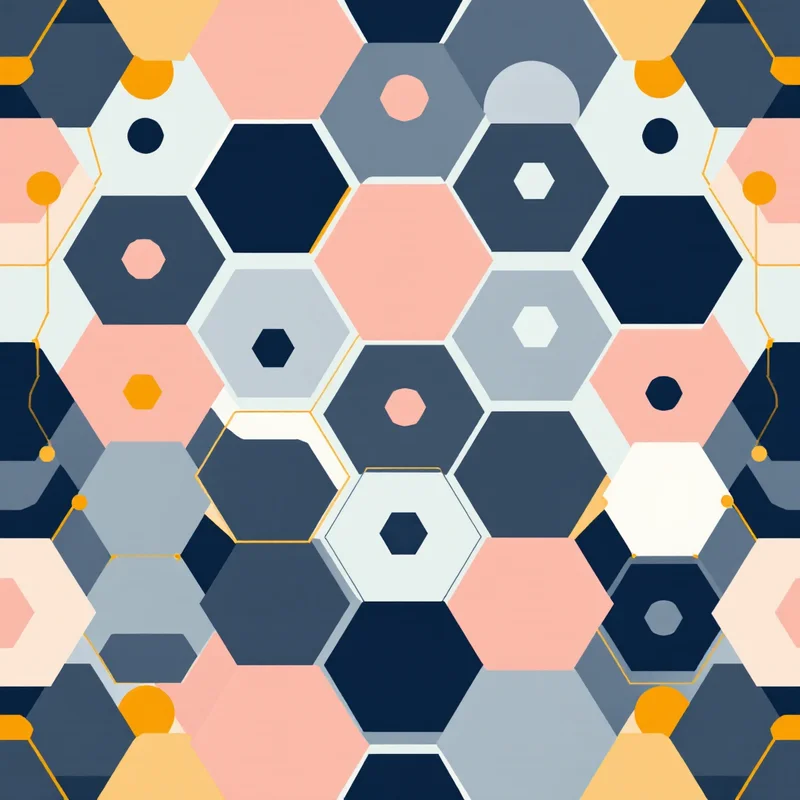
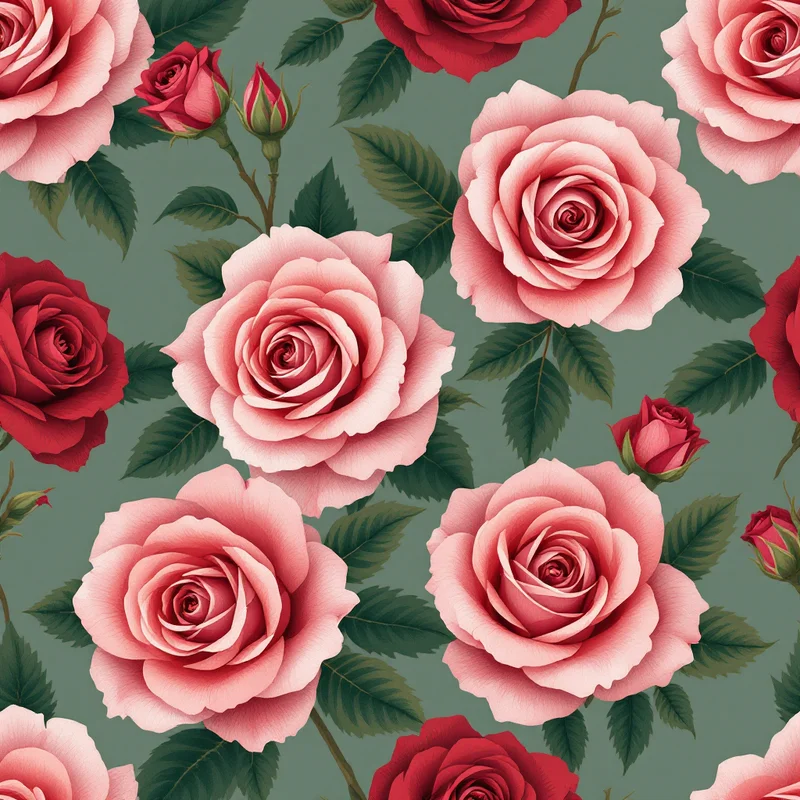
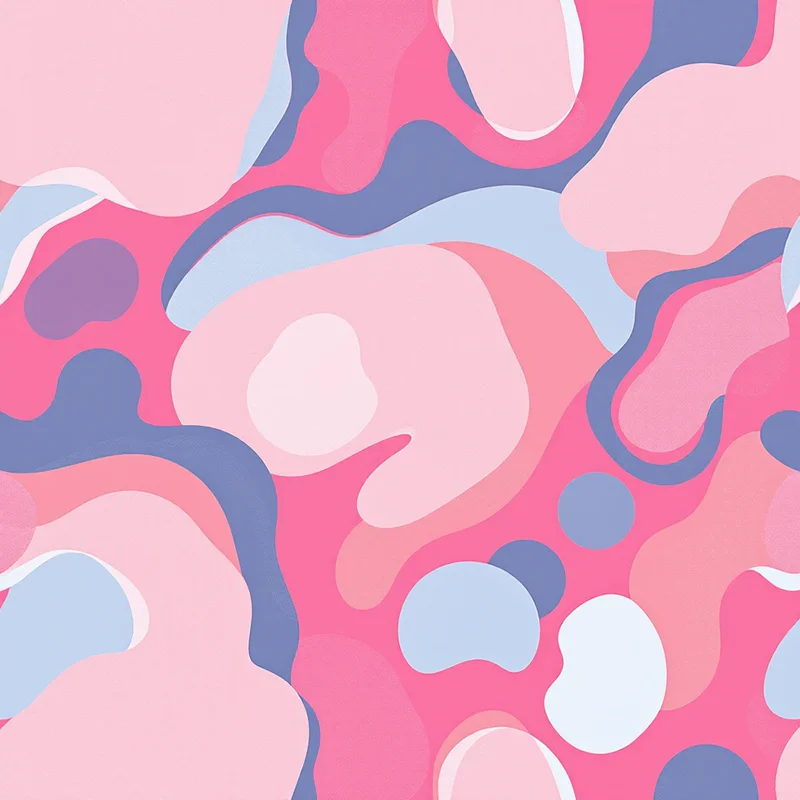
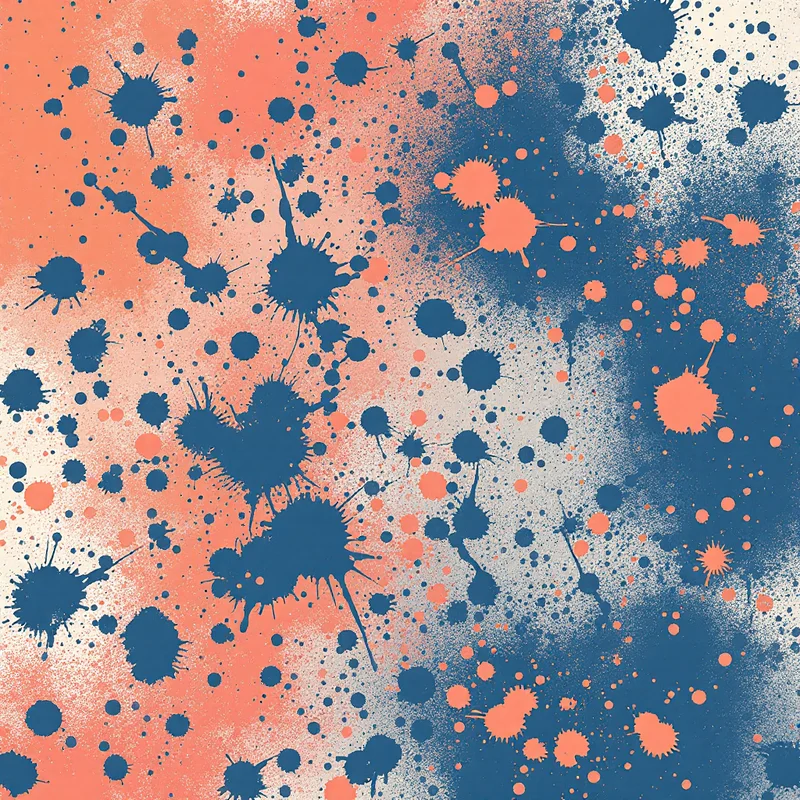
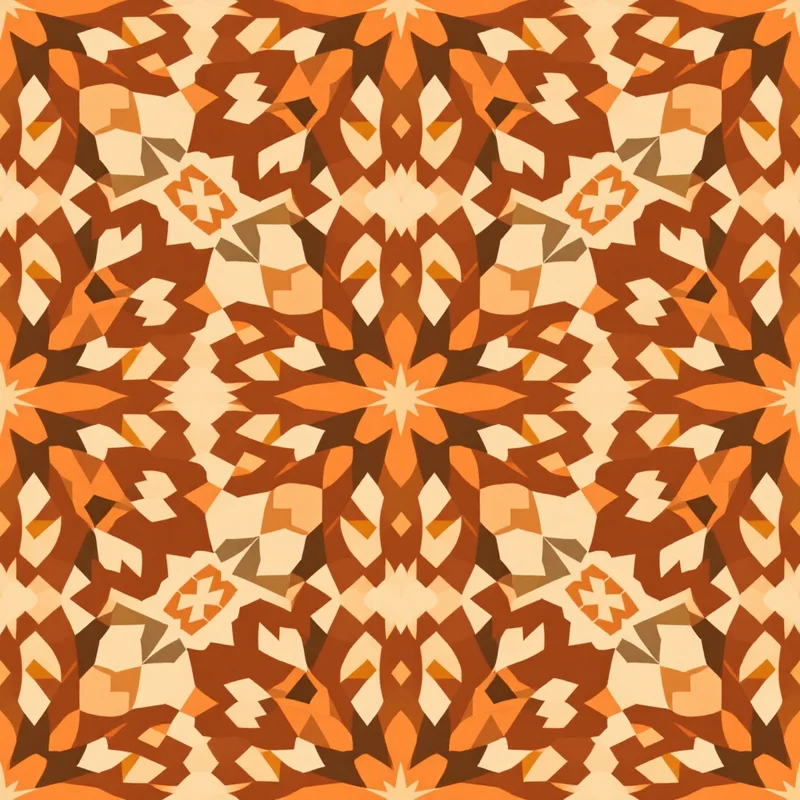
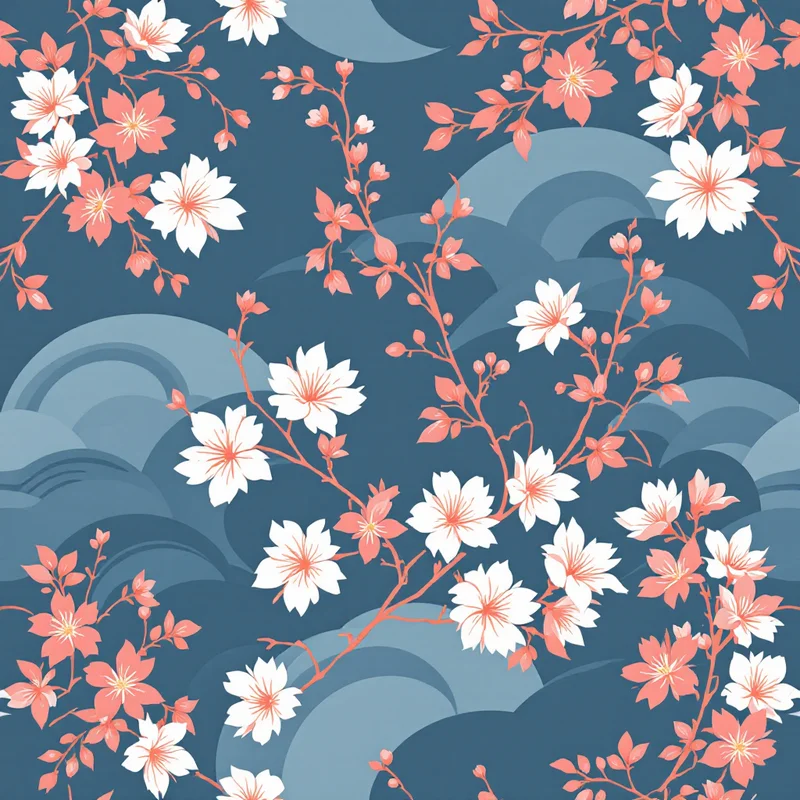
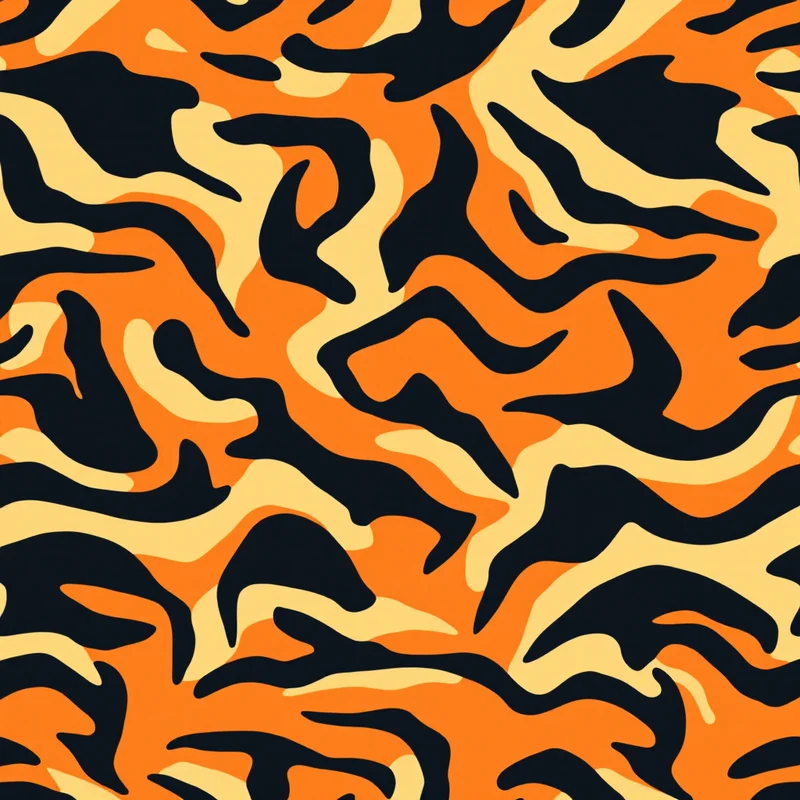
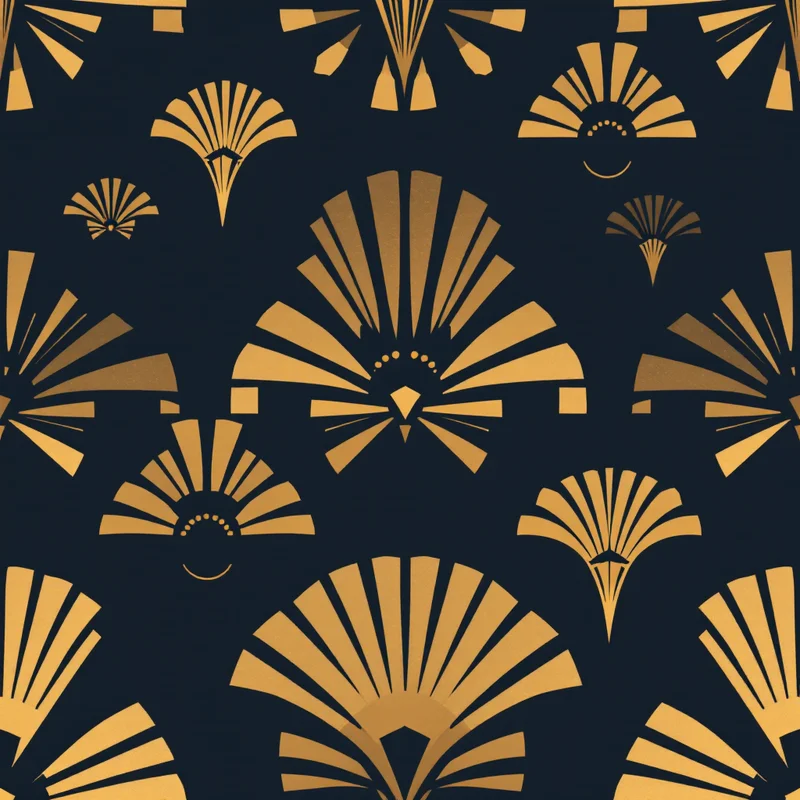
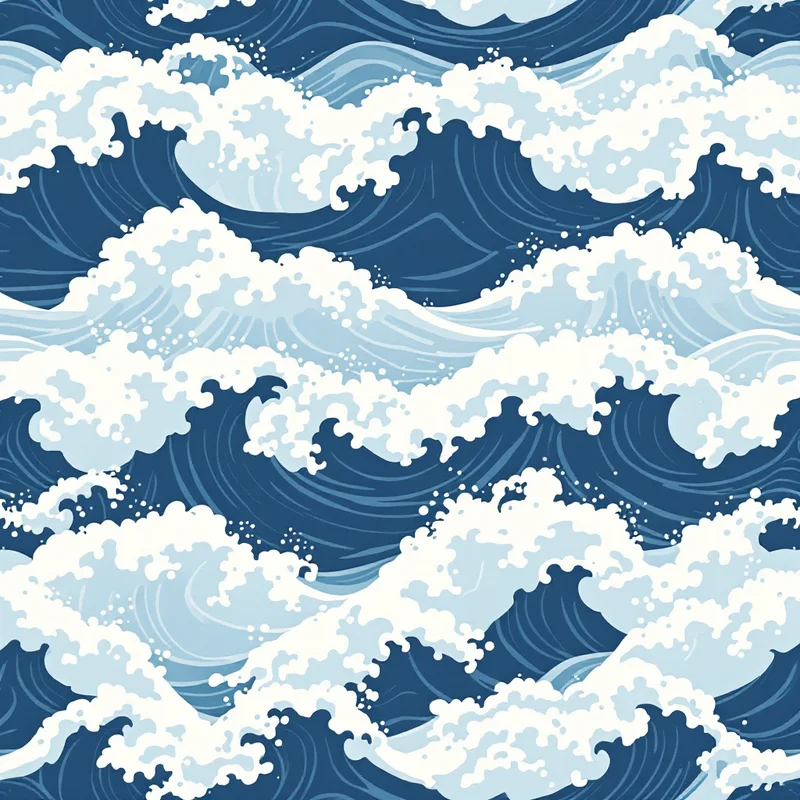
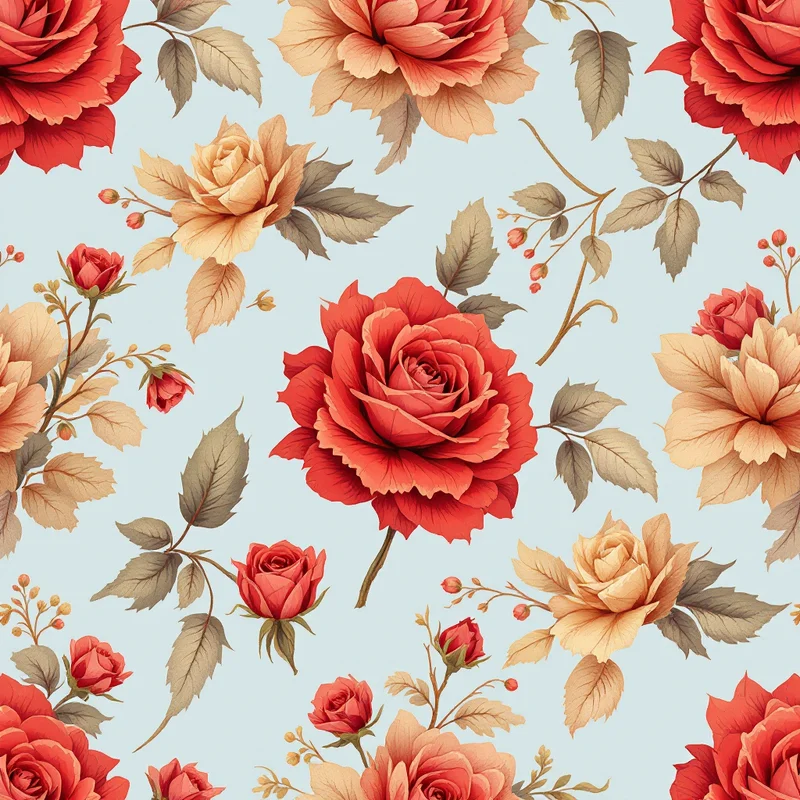
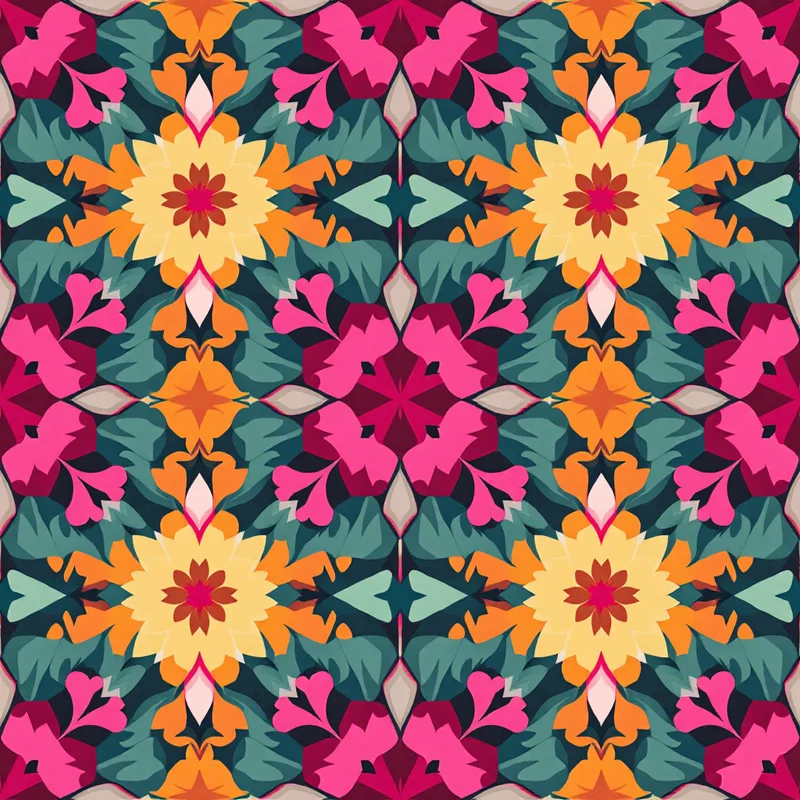
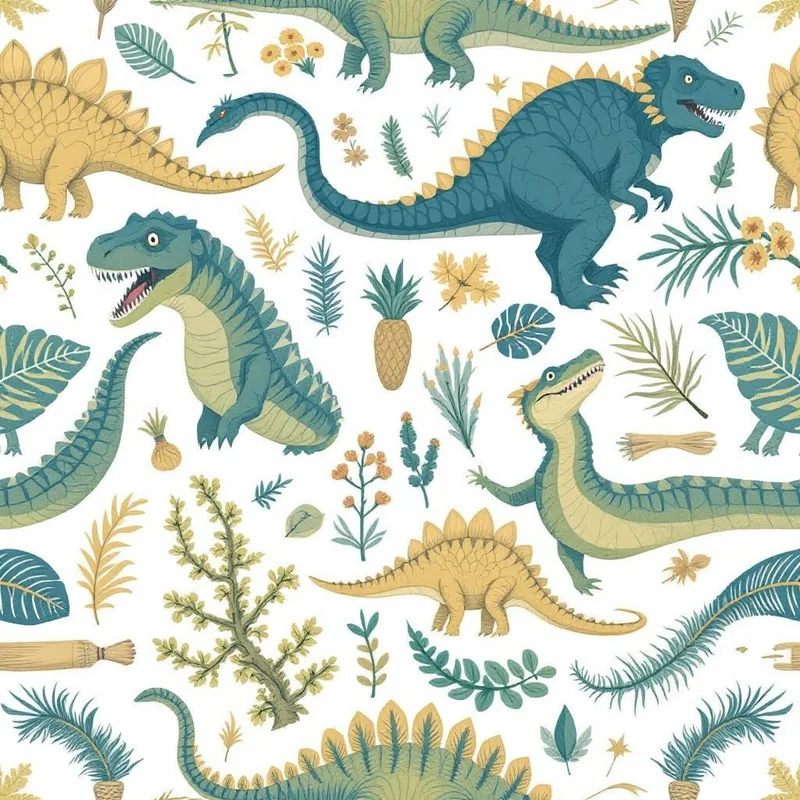
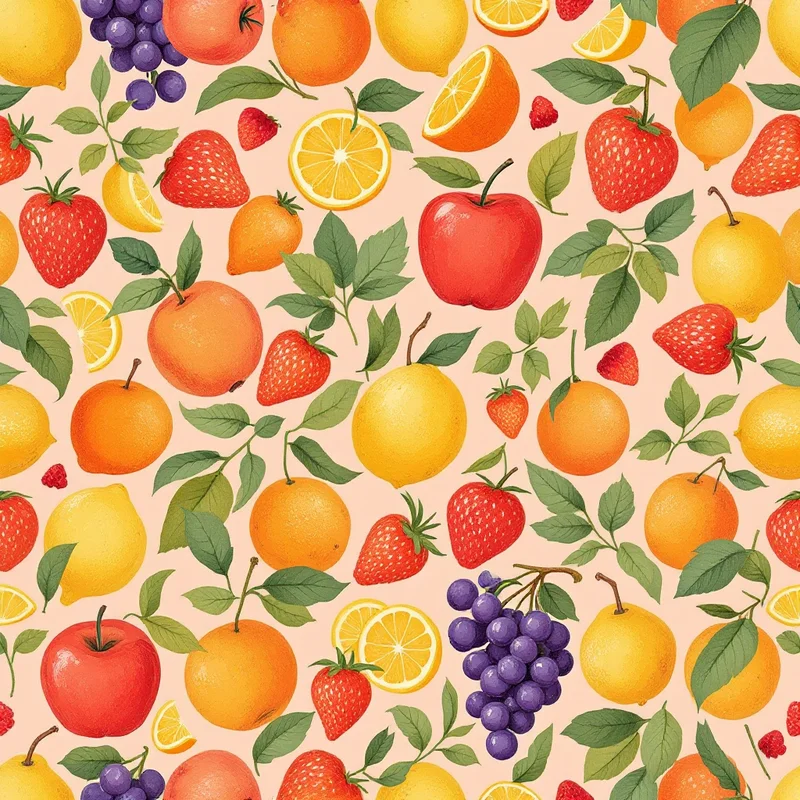
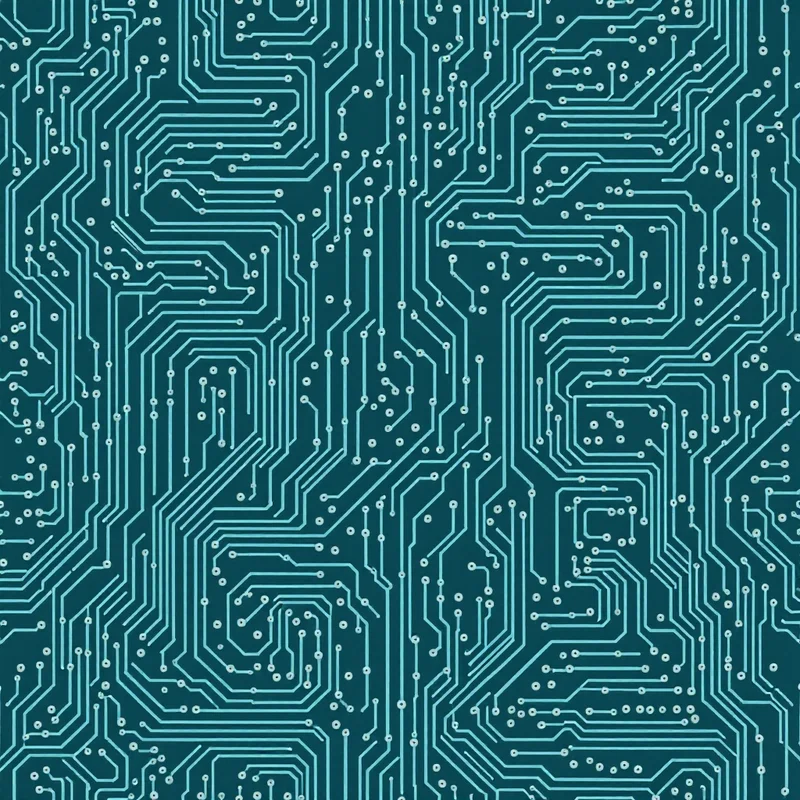
Scale is the first decision. On a square cushion, a single oversized bloom or one bold geometric figure can carry the whole front like a framed motif, while a tighter ditsy or small-geo repeat reads as a calm texture that lets the pillow play a supporting role next to a patterned throw or rug. Medium repeats — think a 4 to 6 inch motif — are the safe middle for mixed sets, since they hold their shape whether the cushion is 16, 18, or 22 inches. You can dial density and scale directly in the studio and preview how the repeat behaves before you commit, which saves a round of sample prints.
Commercial applications
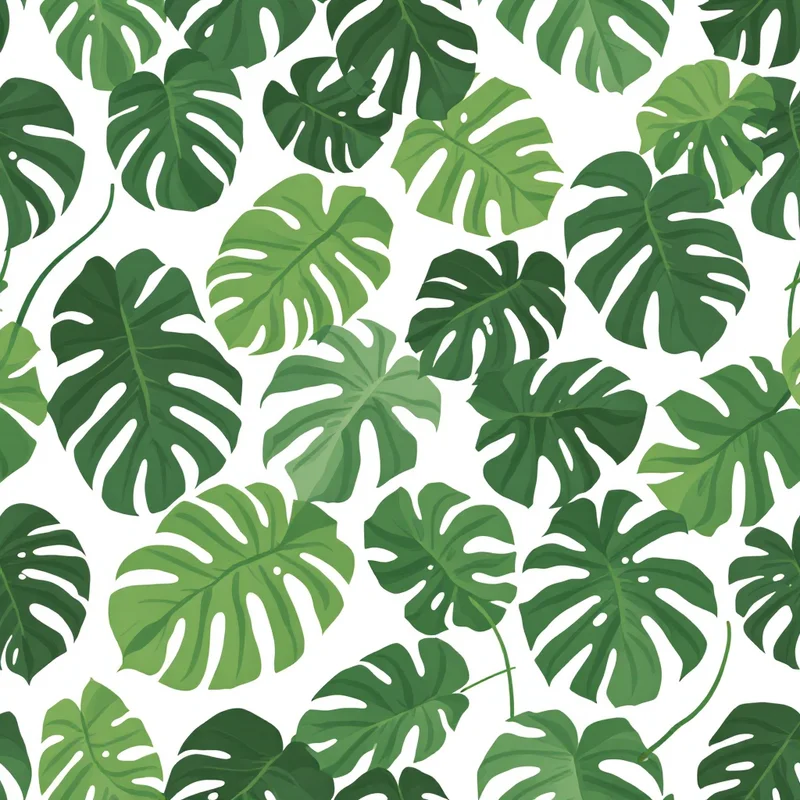
Color is where a pillow earns its place in a room. Throw pillows are usually bought to accent an existing palette, so being able to recolor the same drawing into three or four colorways is more useful than nailing one. Recolor a botanical into a muted sage-and-cream version for a calm bedroom, a charcoal-and-rust version for a darker living room, and a bright coral version for a sunroom — same artwork, three sellable products. The studio lets you lock the motif and swap palettes, so a single design becomes a coordinated collection of cushion fronts.
Where to use throw pillow patterns you can print and sell patterns
Most soft-furnishing manufacturers and print-on-demand cushion services want a clean, high-resolution tile with no visible seam, and they care about exact dimensions and bleed. Pattern Weaver exports up to 8K (8192x8192), which gives you sharp detail across even a 24-inch lumbar or floor cushion at print resolution. Export a flattened PNG for quick proofs and digital mockups, a TIFF when a textile printer asks for an uncompressed file, and a PDF when you need a tidy spec sheet or a vector-style placement to send to a factory. JPG and WEBP cover web listings and mockup previews, and SVG suits flat geometric repeats that need to scale without any loss.
Customization & export
A practical workflow is to design the front motif first, then generate a coordinating back — often the same pattern at a smaller scale, or a plain-texture companion that uses one accent color from the front. Building a front, a back, and a piping-friendly border as a small family means your cushion looks intentional from every angle and photographs well for a shop listing. Because every tile repeats cleanly, you can also tile it up for a matching bolster, a bed runner, or curtains without redrawing anything.
Whether you're a maker selling handmade cushions, a small studio building a home-decor line, or a designer sending files to a contract manufacturer, the goal is the same: a seamless, print-ready pattern that holds up at arm's length and recolors fast. Start from a style you like, adjust scale and density for the cushion size, build your colorways, and export the resolution your printer asks for.