







Design characteristics
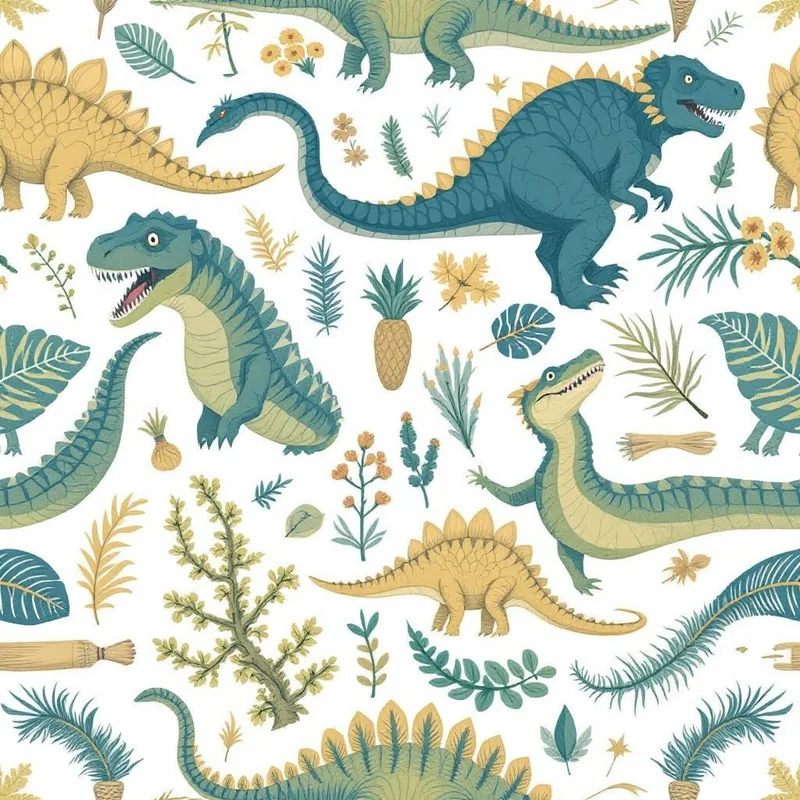
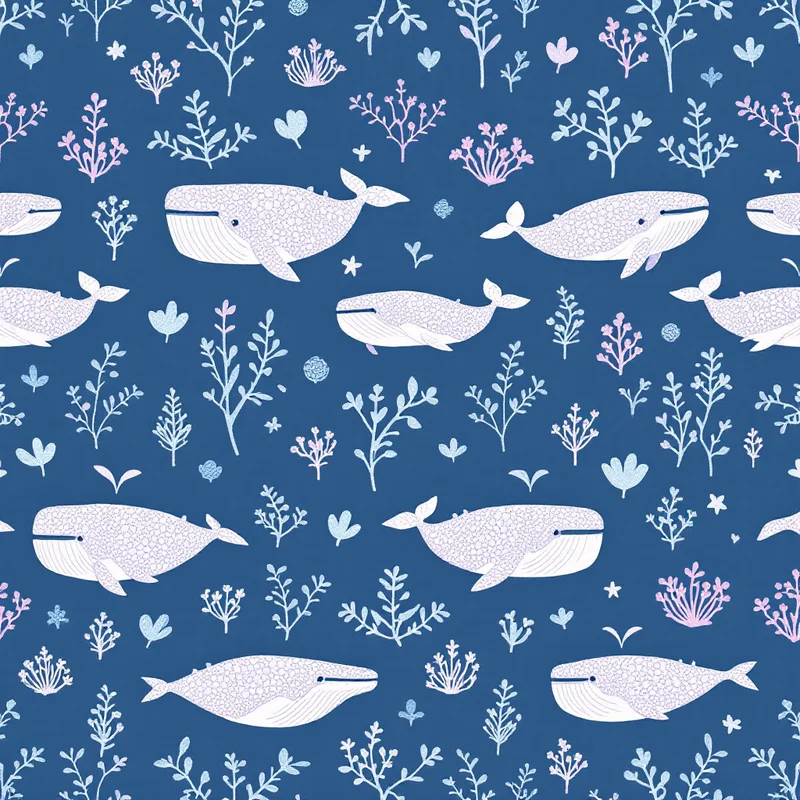
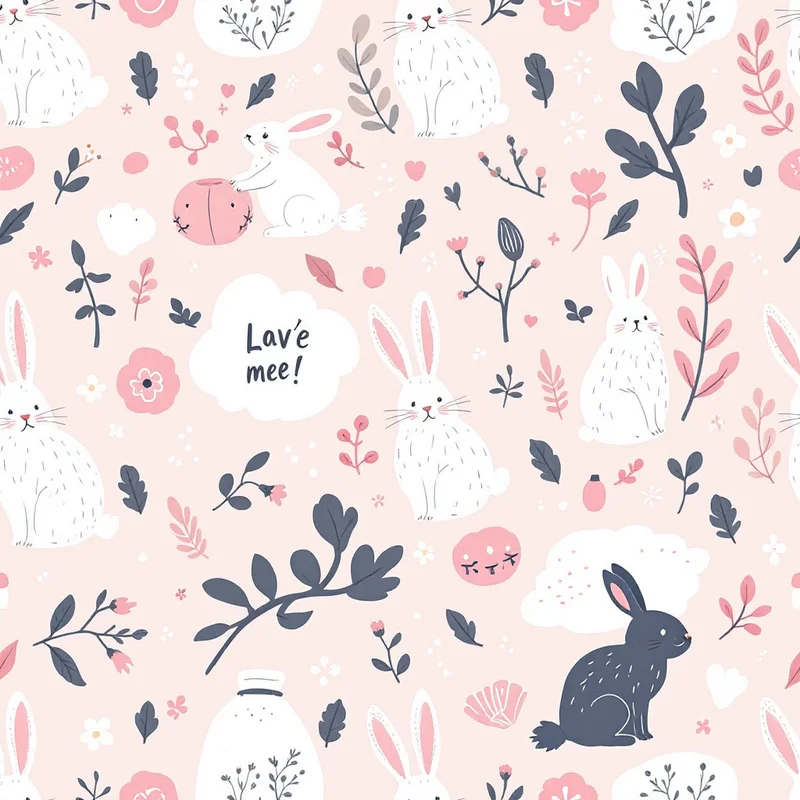
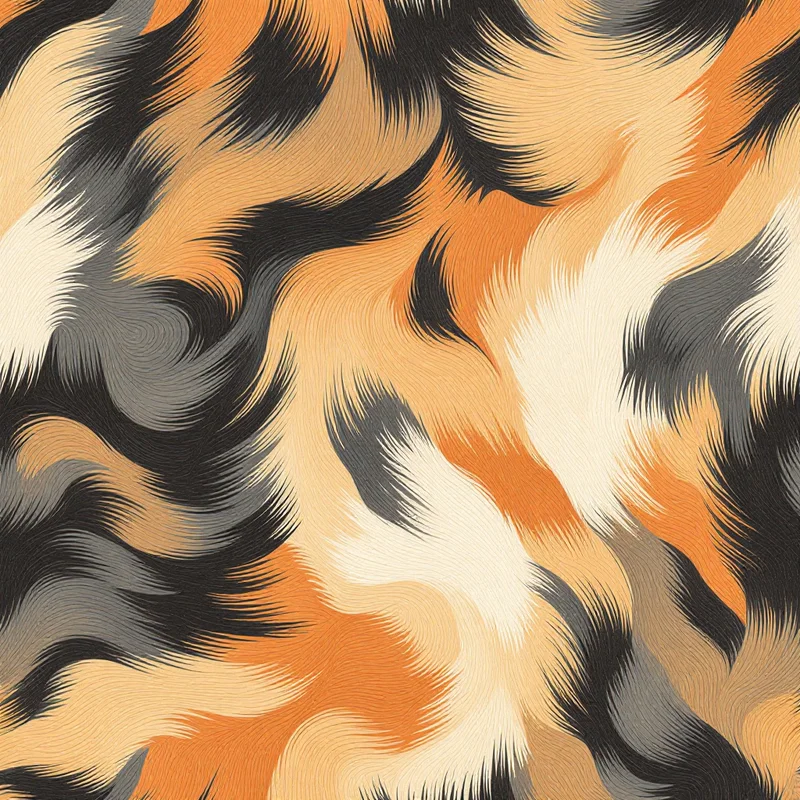
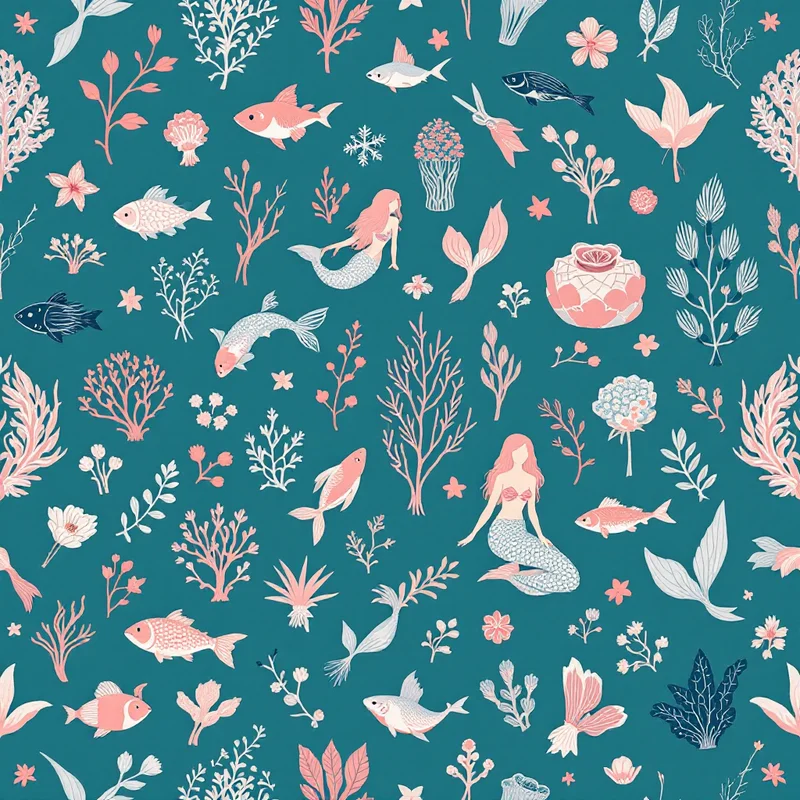
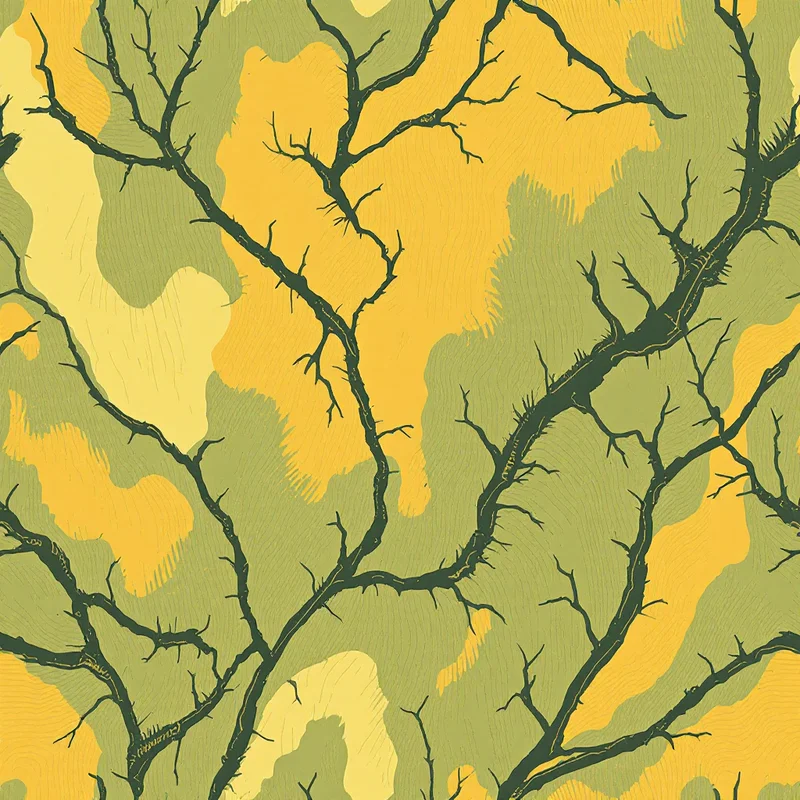
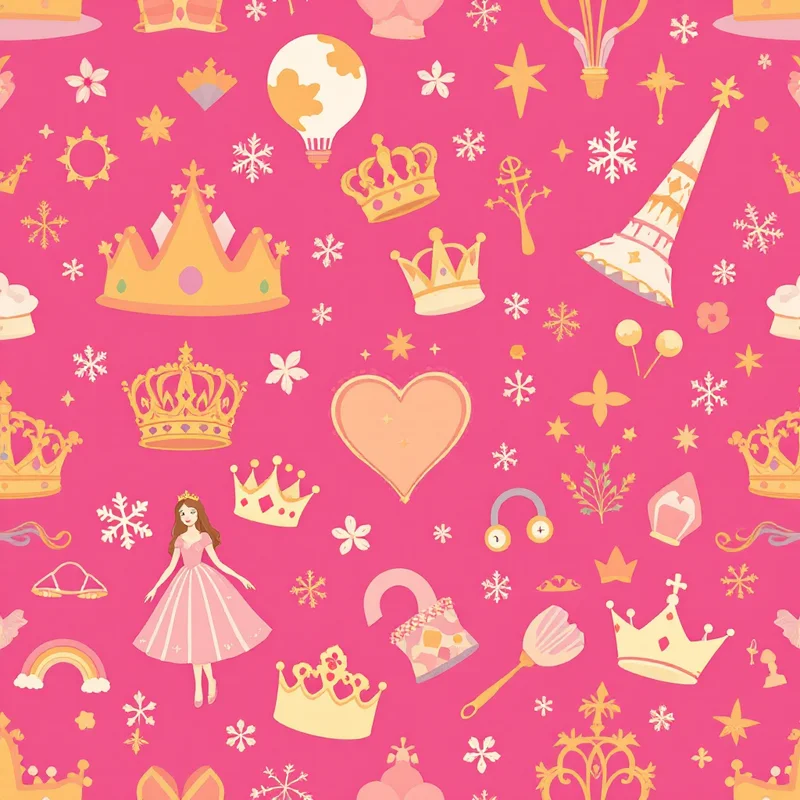
The look has roots in mid-century children's book illustration and the cottage and folk traditions that fed it, where flat color, gentle outlines, and storybook composition were already the norm. That heritage is why so much nursery wallpaper still feels illustrated rather than photographic. Typical color stories stay in a quiet range, dusty sage and oatmeal for a gender-neutral scheme, blush and terracotta for warmth, powder blue and cloud grey for a sky theme, and creamy off-whites that keep the whole wall soft under daylight or a dimmed lamp. Designers reach for these patterns because they solve a real brief: cover a large surface with something soothing that won't overstimulate a small child or date quickly as the room grows.
Commercial applications
A good nursery pattern earns its keep across far more than the feature wall. The same repeat tiles cleanly onto crib sheets, swaddles, and curtains, wraps around gift boxes and baby-shower stationery, prints onto muslin blankets and bibs, and scales down for nursery accessories like lampshades, storage baskets, and changing-mat covers. Because the motifs are spaced and seamless, a single design can anchor an entire room set or a small product line without anything looking misaligned where the tiles meet.
Where to use nursery wallpaper patterns made for little rooms patterns
This is where Pattern Weaver does the heavy lifting. You pick a theme and substyle, then the studio compiles it into a true seamless tile, no visible seam, no awkward cut-off animals at the edges. From there you control density to decide whether the wall reads as airy and sparse or gently filled, adjust scale so the same artwork works as a large mural motif or a fine all-over for fabric, and tune the color story to match a paint chip or a piece of furniture. Swap a single palette and a sage woodland scene becomes a blush one in seconds.
Customization & export
When the design is right, export is built for production. Pattern Weaver outputs sharp seamless files up to 8K (8192x8192), with PNG for digital mockups and print-on-demand, TIFF for wallpaper mills and high-fidelity textile printing, and PDF for press-ready handoff to a manufacturer. The same file can drive a roll of paper, a run of crib sheets, and a set of greeting cards, so a small studio or an expecting parent can build a coordinated, professional-looking nursery from one source.
The result is artwork that feels custom rather than off-the-shelf. Instead of settling for whatever a wallpaper shop happens to stock, you can match the exact animals, colors, and density a room needs, test variations side by side, and walk away with files clean enough to print at wall scale or stitch onto fabric. That flexibility is what makes generated nursery patterns a practical starting point for decorators, baby brands, and parents furnishing a first room.