Design characteristics
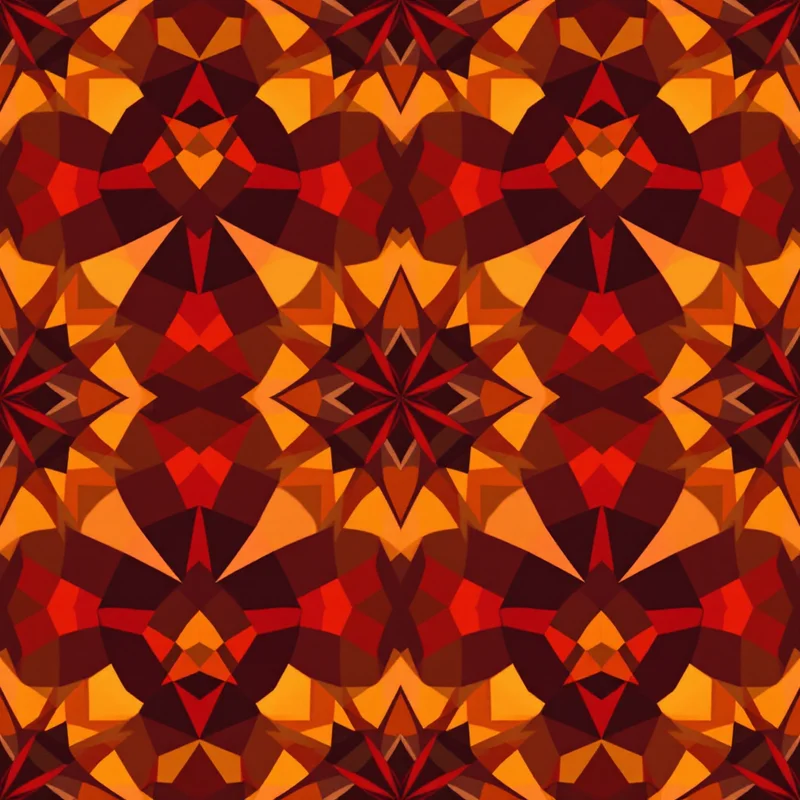
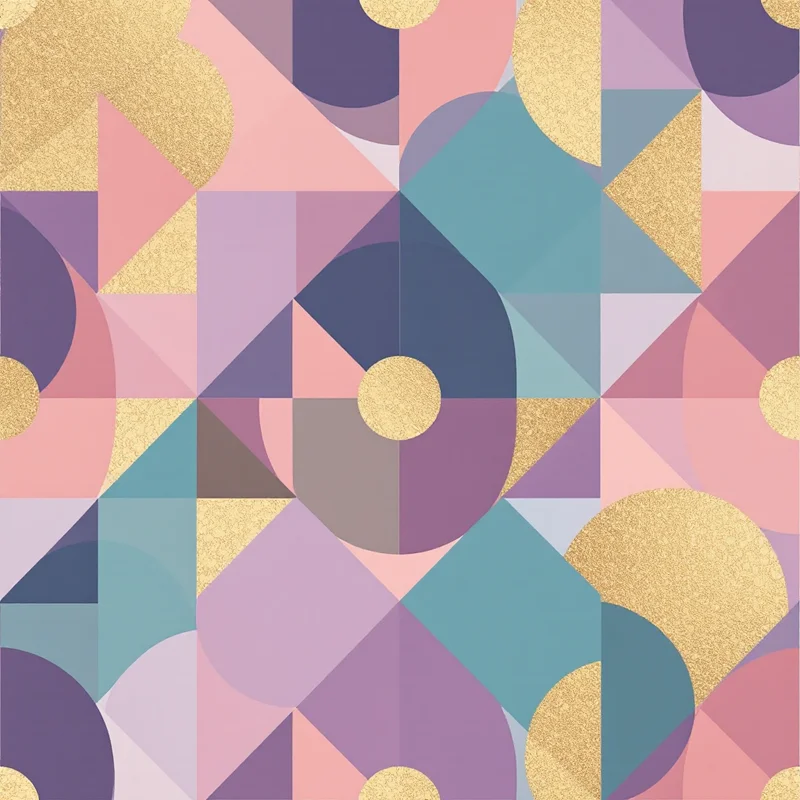
Maximalism as a design philosophy stands in direct opposition to the minimal, clean-line aesthetic that dominated the 2010s. Its resurgence reflects a cultural shift toward self-expression, visual abundance, and the embrace of complexity over restraint. Interior designers, fashion editors, and brand strategists have all noted that consumers increasingly want spaces, garments, and products that feel energetic, personal, and visually generous rather than pared back and neutral.
Commercial applications
In fashion, maximalist patterns drive statement pieces — printed dresses, bold blazers, patterned trousers, and accessories that anchor entire outfits. Designers like Gucci, Versace, and Dolce & Gabbana have built entire collections around maximalist print philosophy. On print-on-demand platforms, bold all-over prints on leggings, swimwear, and bomber jackets consistently outperform subtle designs in terms of click-through and conversion.
Where to use maximalist patterns
Home decor is where maximalism makes its most dramatic impact. Feature wallpaper with dense, richly colored patterns transforms a room into a visual experience. Maximalist cushion collections, patterned upholstery, and layered textile combinations create interiors that feel curated and alive. The aesthetic also works for branding, packaging, and event graphics where visual energy and memorability matter more than restraint.