
Design characteristics
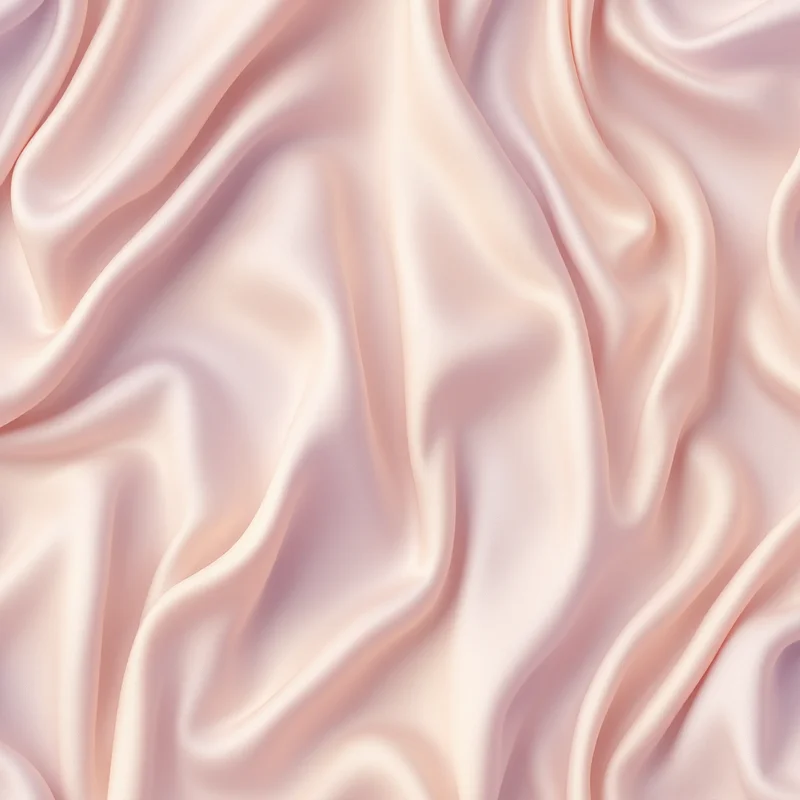
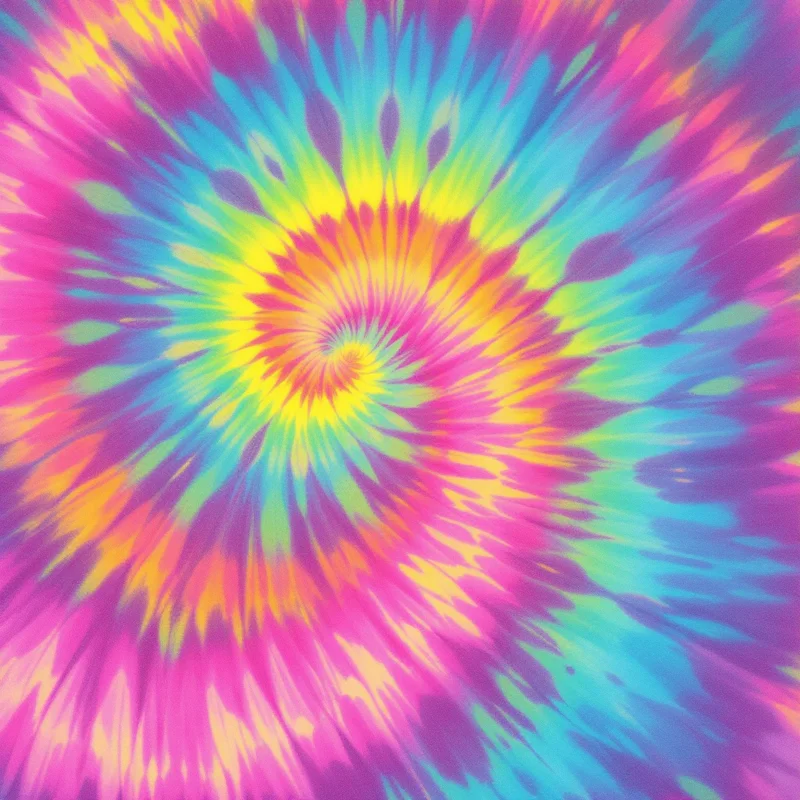
The visual hallmarks are unmistakable. Expect oil-slick swirls in petrol blues, magentas, and acid greens; prismatic streaks that fan out like light through a CD; and pearlescent gradients that blend cyan into violet into rose-gold. Common motifs include liquid metal pools, faceted crystalline shards, bubble and soap-film textures, scattered light flares, and chromatic geometric grids. Backgrounds often stay dark or silver so the saturated spectrum colors pop, while subtler versions use frosted pastels for a softer, opal-like glow. The palette leans into colors that don't usually sit together: teal beside fuchsia, lime against indigo, all unified by that signature metallic sheen.
Commercial applications
Holographic design has roots in 1980s and 1990s rave, club, and Y2K aesthetics, where mylar, foil, and dichroic plastics defined a forward-looking visual language. It resurfaced strongly through cyberpunk and vaporwave revivals and now anchors a polished, premium look across beauty, tech, and streetwear branding. Designers reach for it because nothing else signals novelty and energy so instantly; a holographic surface telegraphs innovation, playfulness, and luxury all at once, which is why it dominates limited-edition and collector packaging.
Where to use holographic patterns that shimmer with iridescent color patterns
These patterns translate across a wide range of products. On textiles and activewear they bring a liquid, performance-fabric feel; on phone cases, cosmetics, and gift wrap they create a high-shine retail draw; on wallpaper and accent decor they turn a flat wall into a shifting feature surface. Stationery, sticker sheets, trainers, swimwear, and event invitations all benefit from the eye-catching spectrum. Because the effect is built from gradients rather than rigid line work, holographic patterns scale comfortably from a small tag to a full wall mural without looking busy.
Customization & export
Pattern Weaver gives you direct control over the look. Adjust the color sliders to push toward cool petrol tones or warm rose-gold spectrums, set density to choose between sparse light flares or dense oil-slick saturation, and tune scale so the iridescent flow reads correctly whether it wraps a lip balm or a duvet cover. Every design tiles seamlessly, so the shimmer continues edge to edge with no visible repeat lines, and you can preview the tile before committing.
When the pattern is ready, export it at up to 8K (8192x8192) so the gradients stay buttery smooth at any print size. Pattern Weaver outputs PNG for crisp digital and web use, TIFF for print production where color fidelity matters, and PDF for clean handoff to manufacturers and print shops. The combination of fine creative control and production-grade export means you can go from concept to commercial-ready holographic artwork in a single session.