

All styles

Grid Patterns for Seamless Surface Design

Clean, structured repeats built from intersecting lines and modular cells.

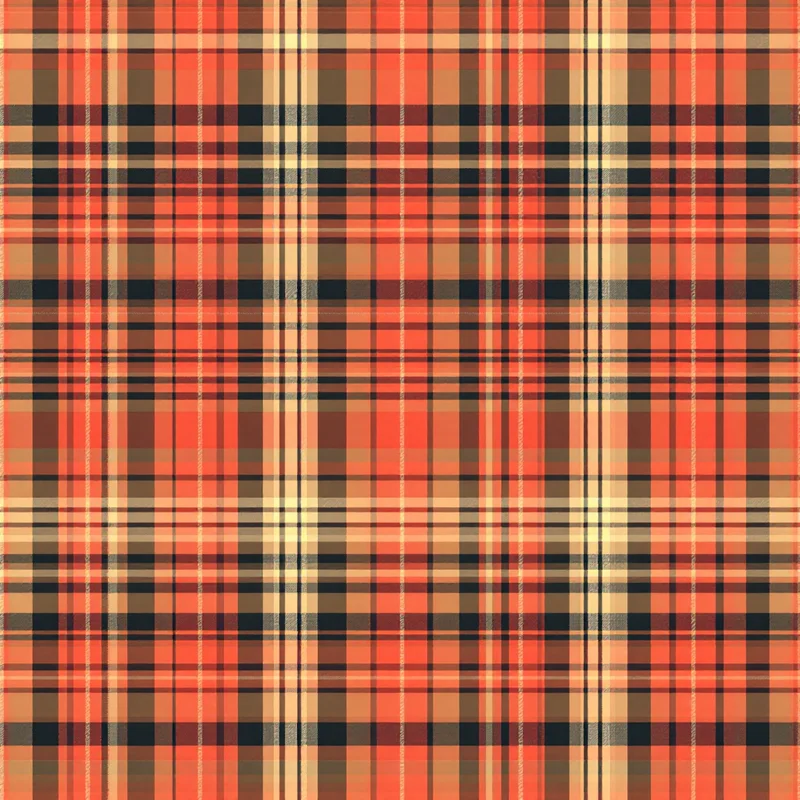
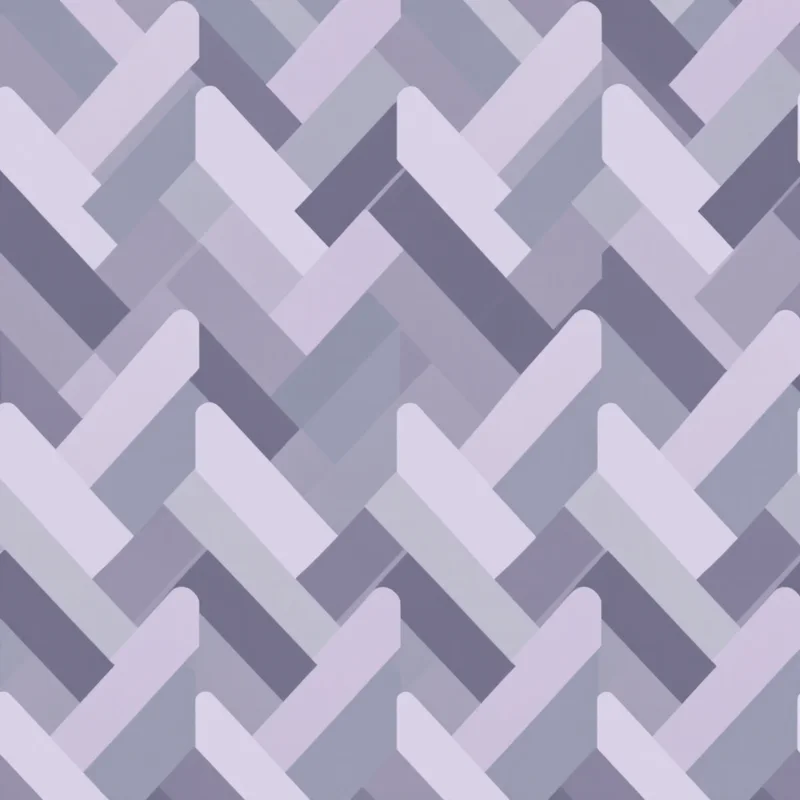
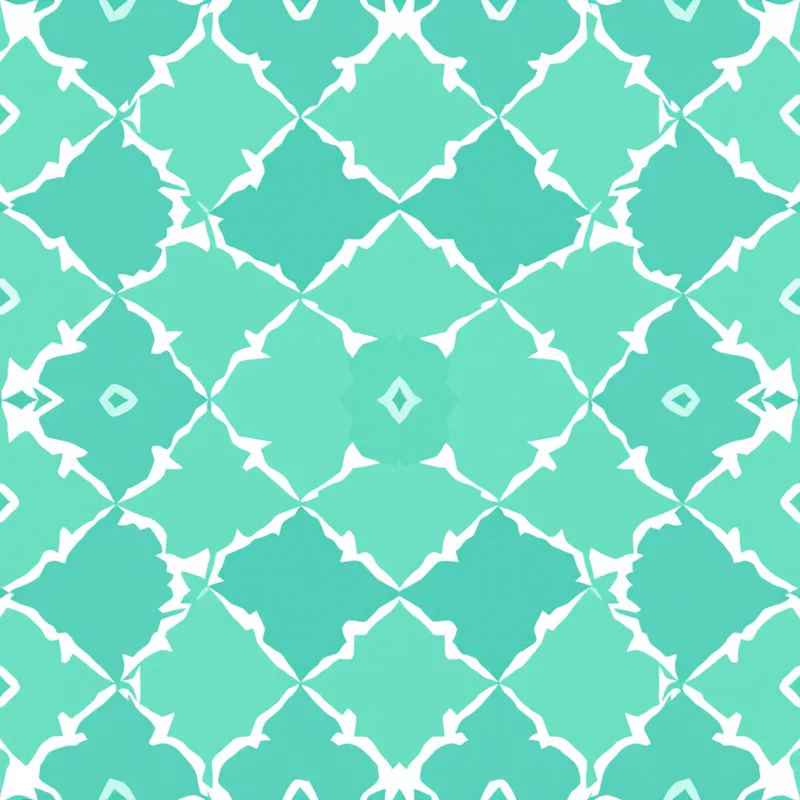
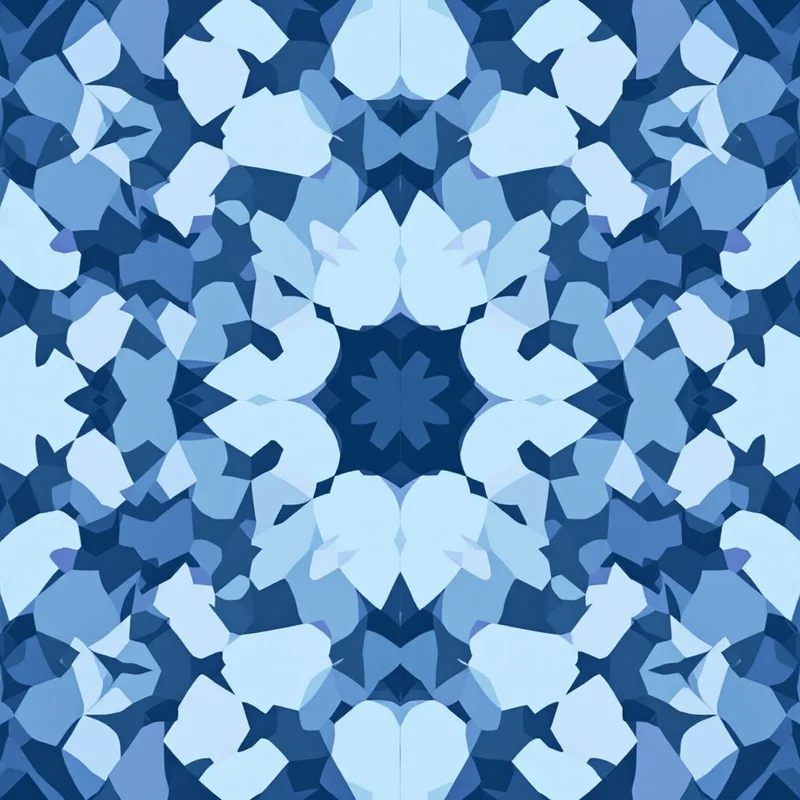
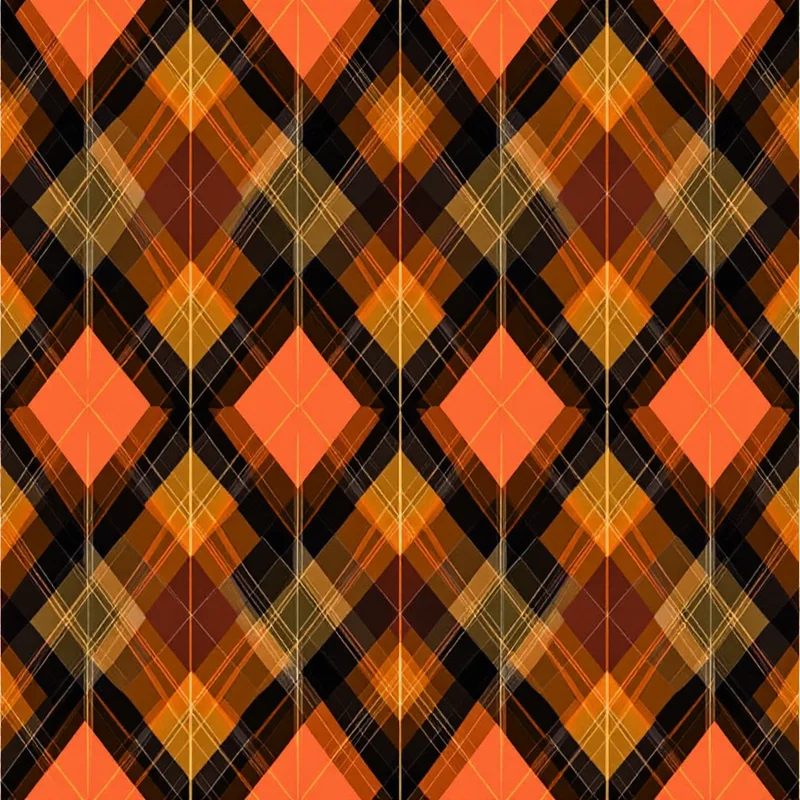
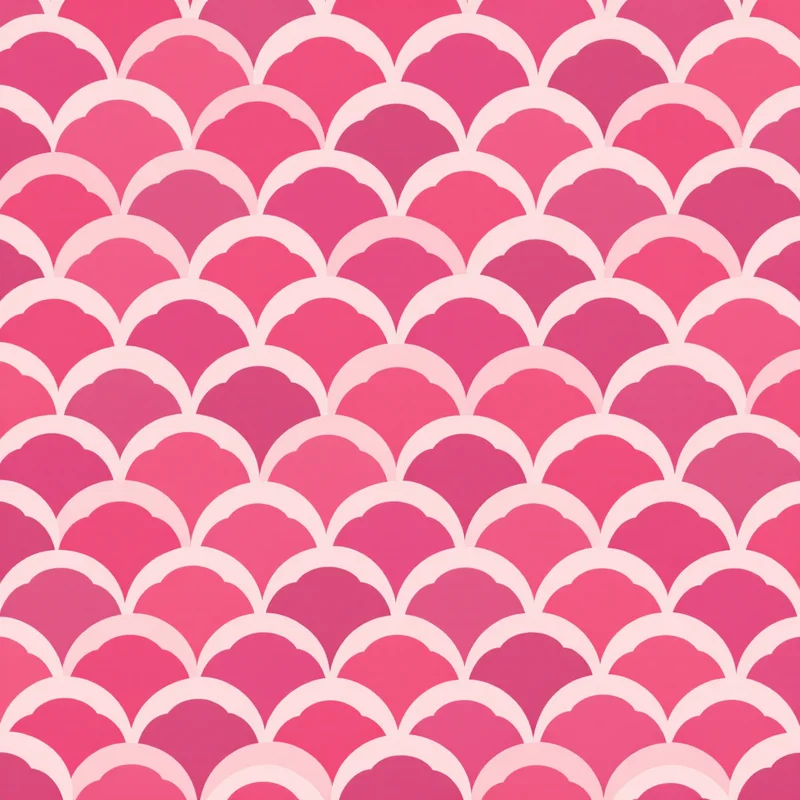
Seamless geometric chevron blue pattern tileSeamless geometric hexagons red pattern tileSeamless geometric moroccan blue pattern tileSeamless geometric isometric purple pattern tileSeamless geometric checkerboard green pattern tileSeamless geometric plaid autumn pattern tileSeamless geometric herringbone mono pattern tileSeamless geometric midcentury orange pattern tileSeamless geometric trellis green pattern tileSeamless geometric tessellation blue pattern tileSeamless geometric argyle red pattern tileSeamless geometric ogee gold pattern tileSeamless geometric polkadot navy pattern tileSeamless geometric houndstooth bw pattern tileSeamless geometric scallop pink pattern tileSeamless geometric quatrefoil teal pattern tileSeamless geometric chevron blue pattern tileSeamless geometric hexagons red pattern tileSeamless geometric moroccan blue pattern tileSeamless geometric isometric purple pattern tileSeamless geometric checkerboard green pattern tileSeamless geometric plaid autumn pattern tileSeamless geometric herringbone mono pattern tileSeamless geometric midcentury orange pattern tileSeamless geometric trellis green pattern tileSeamless geometric tessellation blue pattern tileSeamless geometric argyle red pattern tileSeamless geometric ogee gold pattern tileSeamless geometric polkadot navy pattern tileSeamless geometric houndstooth bw pattern tileSeamless geometric scallop pink pattern tileSeamless geometric quatrefoil teal pattern tile
Seamless geometric quatrefoil teal pattern tileSeamless geometric scallop pink pattern tileSeamless geometric houndstooth bw pattern tileSeamless geometric polkadot navy pattern tileSeamless geometric ogee gold pattern tileSeamless geometric argyle red pattern tileSeamless geometric tessellation blue pattern tileSeamless geometric trellis green pattern tileSeamless geometric midcentury orange pattern tileSeamless geometric herringbone mono pattern tileSeamless geometric plaid autumn pattern tileSeamless geometric checkerboard green pattern tileSeamless geometric isometric purple pattern tileSeamless geometric moroccan blue pattern tileSeamless geometric hexagons red pattern tileSeamless geometric chevron blue pattern tileSeamless geometric quatrefoil teal pattern tileSeamless geometric scallop pink pattern tileSeamless geometric houndstooth bw pattern tileSeamless geometric polkadot navy pattern tileSeamless geometric ogee gold pattern tileSeamless geometric argyle red pattern tileSeamless geometric tessellation blue pattern tileSeamless geometric trellis green pattern tileSeamless geometric midcentury orange pattern tileSeamless geometric herringbone mono pattern tileSeamless geometric plaid autumn pattern tileSeamless geometric checkerboard green pattern tileSeamless geometric isometric purple pattern tileSeamless geometric moroccan blue pattern tileSeamless geometric hexagons red pattern tileSeamless geometric chevron blue pattern tile

Grid patterns are built on a simple visual idea: lines crossing at regular intervals to form rows and columns of cells. The hallmark is order. Horizontal and vertical strokes intersect at right angles, creating squares, rectangles, or stacked modules that march evenly across the surface. Some grids stay strictly linear, like graph paper or windowpane checks, while others fill each cell with a small motif, dot, or block of color. Because the eye reads the structure before the detail, grids feel calm, deliberate, and architectural, which is exactly why they have stayed in steady use across centuries of textile and print work.

Popular grid patterns for seamless surface design substyles

Windowpane Check
Gingham
Tattersall
Graph Paper Grid
Blueprint Grid
Bauhaus Modular Grid
Dotted Grid
Swiss Minimalist Lattice

Why designers choose grid patterns for seamless surface design patterns

Design characteristics

The grid has deep roots in functional design. Ledger paper, blueprint sheets, graph notebooks, and Bauhaus layout systems all leaned on the grid because it organizes space without decoration. That utilitarian heritage carried into fashion through windowpane suiting, gingham picnic checks, and tattersall shirting, and into mid-century interiors through tile work and modular wall treatments. Modern grids borrow from Swiss typographic design and minimalist art, where the lattice itself becomes the subject rather than a background scaffold.

Commercial applications

Color in grid patterns tends toward restraint. Classic palettes pair a neutral ground (white, ecru, charcoal, navy) with one or two accent lines, so the structure reads clearly. Monochrome black-on-white grids feel technical and editorial; soft pastel grids over cream feel domestic and friendly; bold primary lines on a saturated field push toward retro and pop. Two-tone gingham, blueprint cyan on deep blue, and warm terracotta lattices on bone are all reliable directions. The narrower the line and the wider the cell, the airier and more premium the result.

Where to use grid patterns for seamless surface design patterns

Designers reach for grids because they scale and tile so predictably. A grid repeat almost never shows an obvious seam, since the lines are meant to continue forever. That makes them ideal across a product range: shirting, dresses, and scarves in fashion; wallpaper, upholstery, and tile-look flooring in home decor; gift wrap, box surfaces, and label backgrounds in packaging; and notebooks, tote bags, and phone cases in accessories. A single grid in two scales can dress an entire collection, with a tight grid for linings and a generous grid for statement pieces, keeping everything visually related.

Customization & export

Pattern Weaver lets you shape every variable that matters for a grid. Adjust density to set how many cells fall across the tile, from a wide-open windowpane to a fine graph mesh. Scale controls the overall size of the repeat so the same design works on a thumbnail label or a full curtain panel. Color controls swap the ground and line tones, add a second accent for tattersall-style overchecks, or shift the whole thing to monochrome. You can nudge line weight and add or remove cell-filling motifs to move between a pure lattice and a decorated grid without starting over.

When the design is right, export it seamless and production-ready. Pattern Weaver outputs up to 8K (8192 by 8192 pixels) so large-format wallpaper and upholstery stay crisp, with PNG for digital and print-on-demand, TIFF for professional textile printing, and PDF for press-ready packaging and stationery. JPG, WEBP, and SVG are also available depending on where the grid will live. Every file tiles cleanly, so what you preview in the studio is what repeats across the finished product.

Perfect for

Windowpane and tattersall shirting fabricGingham fashion dresses and apronsModern wallpaper and accent wallsGift wrap and branded packaging surfacesNotebooks, planners, and stationery coversTile-look flooring and upholstery printsTote bags, phone cases, and accessories

Explore grid patterns for seamless surface design patterns by use case:

Grid Patterns for Seamless Surface Design for Wallpaper
Grid Patterns for Seamless Surface Design for Textiles
Grid Patterns for Seamless Surface Design for Packaging
Grid Patterns for Seamless Surface Design for Fashion
Grid Patterns for Seamless Surface Design for Print on Demand
Grid Patterns for Seamless Surface Design for Stationery
Grid Patterns for Seamless Surface Design for Interior Design
Grid Patterns for Seamless Surface Design for Phone Cases
Grid Patterns for Seamless Surface Design for Etsy Sellers
Grid Patterns for Seamless Surface Design for Scrapbooking
Grid Patterns for Seamless Surface Design for Wedding
Grid Patterns for Seamless Surface Design for Baby & Nursery
Grid Patterns for Seamless Surface Design for Quilting
Grid Patterns for Seamless Surface Design for T-Shirts
Grid Patterns for Seamless Surface Design for Tote Bags
Grid Patterns for Seamless Surface Design for Gift Wrap
Grid Patterns for Seamless Surface Design for Home Decor
Grid Patterns for Seamless Surface Design for Crafts
Grid Patterns for Seamless Surface Design for Mugs
Grid Patterns for Seamless Surface Design for Branding
Grid Patterns for Seamless Surface Design for Sublimation Pattern Generator
Grid Patterns for Seamless Surface Design for Wrapping Paper Pattern Maker
Grid Patterns for Seamless Surface Design for All-Over Print Pattern Maker
Grid Patterns for Seamless Surface Design for Fabric Repeat Pattern Maker
Grid Patterns for Seamless Surface Design for Silk Pattern Design
Grid Patterns for Seamless Surface Design for Cotton Print Pattern Maker
Grid Patterns for Seamless Surface Design for Linen Pattern Design
Grid Patterns for Seamless Surface Design for Ceramic Tile Pattern Maker
Grid Patterns for Seamless Surface Design for Leggings Pattern Design

Frequently asked questions

What is grid patterns?

Grid patterns are repeating designs built from horizontal and vertical lines that cross at regular intervals, forming rows and columns of square or rectangular cells. The structure reads first, giving these patterns a calm, orderly, architectural feel. Some grids are pure lines, like graph paper or windowpane checks, while others fill each cell with a small motif, dot, or block of color.

How do I create grid patterns with Pattern Weaver?

Choose a grid substyle such as windowpane, gingham, or graph, then adjust the controls. Density sets how many cells fall across the tile, scale sets the overall repeat size, and color controls swap the ground and line tones. You can nudge line weight or add cell motifs, preview the seamless tile in the studio, and export when it looks right. Pattern Weaver handles the repeat so the lines continue cleanly with no visible seam.

Can I use grid patterns commercially?

Yes. Patterns you create can be used on commercial products, including fashion, wallpaper, packaging, stationery, and home decor. Grids are a workhorse print, so a single design in two scales can cover an entire product line. Check your current plan (Free, Starter, Pro, or Max) for the export resolution and usage terms that apply to your account.

What sizes and formats can I export?

You can export grid patterns up to 8K resolution (8192 by 8192 pixels), which keeps large-format wallpaper and upholstery sharp. Available formats are PNG for digital and print-on-demand, TIFF for professional textile printing, PDF for press-ready packaging, plus JPG, WEBP, and SVG. Every file is seamless, so the grid tiles cleanly across whatever surface you print it on.

What is the difference between gingham, windowpane, and tattersall?

All three are grid-based checks but differ in line weight and color. Gingham uses solid bands of one color crossing over white, creating filled and blended cells. Windowpane uses thin, widely spaced single lines that form large open squares, like a window frame. Tattersall layers two thin accent colors over a light ground for a fine, evenly spaced overcheck common in shirting.

What scale works best for grid patterns?

It depends on the product. Tight, fine grids suit small items like linings, labels, and phone cases, where a dense mesh reads as texture. Wider grids with large open cells work better on statement pieces like curtains, feature walls, and oversized scarves. Adjusting the scale control lets you reuse the same grid at different sizes so a collection stays visually consistent.

Similar patterns to explore

If you like grid patterns for seamless surface design patterns, you might also enjoy these related styles:

Start creating grid patterns for seamless surface design patterns

5 free credits. Full studio access. No credit card needed.