Design characteristics
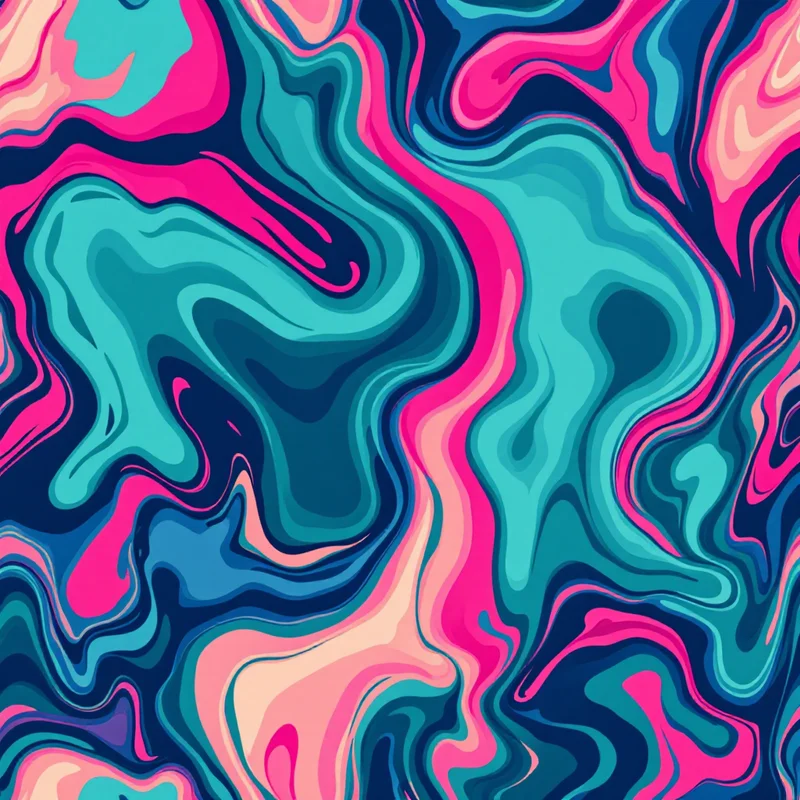
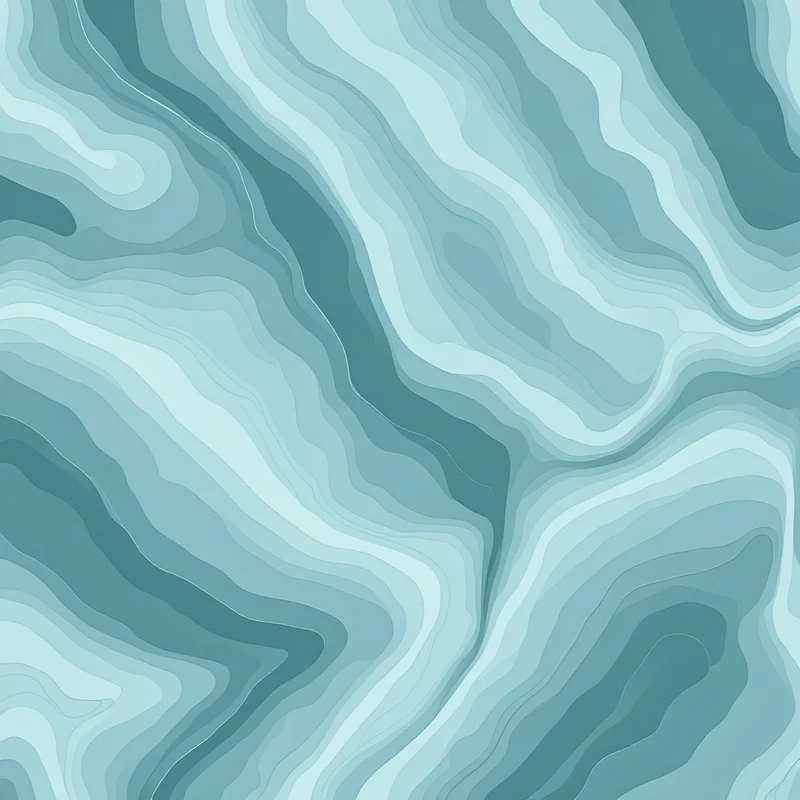
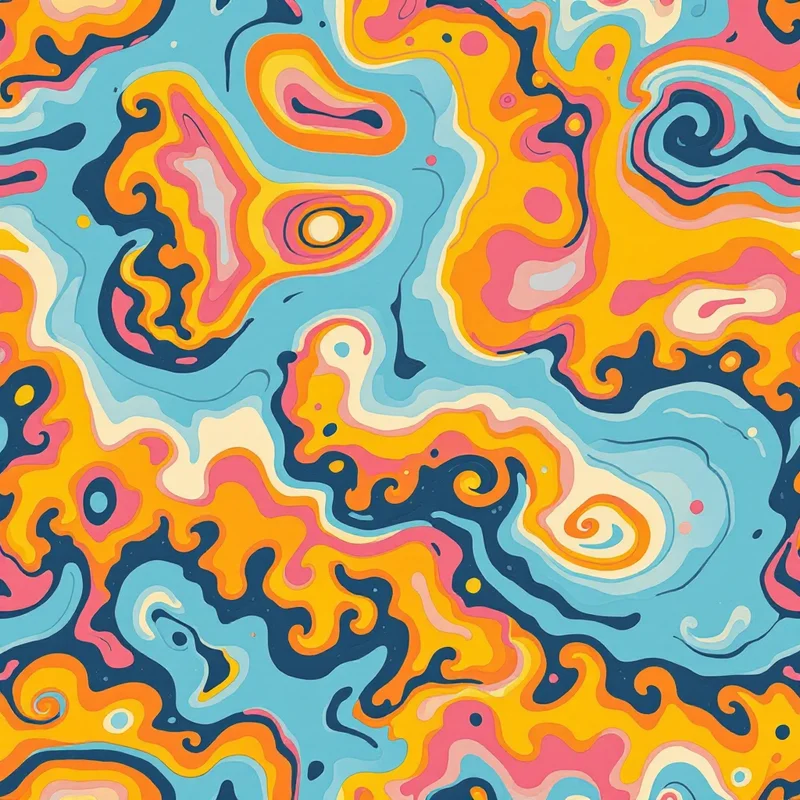
The palettes that define this style range from soft and dreamy to bold and electric. Pastel sunrise blends, muted neutral fades, and watercolor-style washes suit stationery, baby goods, and wellness brands, while saturated neon-to-dark gradients and iridescent holographic sweeps read as futuristic and youthful. Mesh gradients, where several color points bleed into one another in organic blobs, have become a signature of contemporary tech and beauty branding. Whatever the mood, the key hallmark is the absence of a hard boundary: color simply melts from one tone to the next.
Commercial applications
Designers, brand teams, and makers search for gradient patterns when they want depth and atmosphere without a literal subject. They are a favorite for backgrounds that need to feel premium but not busy, for packaging that should pop on a shelf, and for fashion drops that lean into the ombre trend. Print-on-demand sellers reach for gradients because they flatter apparel, phone cases, and wrapping paper equally, and interior designers use large-scale color fades to add a sense of light and dimension to a wall or cushion.
Where to use seamless gradient patterns for print and digital design patterns
With Pattern Weaver you describe the feeling you are after, the start and end colors, the direction of the flow, and how soft or punchy the transition should be, and our AI engine builds a true seamless tile. You can steer toward linear fades, radial glows, diagonal sweeps, or organic mesh blends, then refine the color stops, contrast, and scale until the blend sits exactly where you want it. Every result tiles edge to edge, so a subtle gradient field repeats across a bolt of fabric or a roll of wallpaper with no visible seam.
Customization & export
Customization runs deep. Adjust how many colors enter the blend, push the midpoint warmer or cooler, dial the grain for a printed-paper feel or keep it glassy and clean, and rescale the whole pattern so a single sweeping fade can become a tight repeating ripple of color bands. When the look is locked in, export at resolutions up to 8K (8192x8192) so the gradient stays smooth and band-free even when stretched across a large format print or a full wall mural.
Files come in the formats real production needs: crisp PNG for digital mockups and transparent overlays, layered-friendly TIFF for fabric printers and pro design suites, and print-ready PDF for packaging and signage, alongside JPG, WEBP, and SVG options. That means a gradient you design in the studio can move straight onto a silk scarf, a soda can label, a set of greeting cards, or a website hero section without losing the soft, continuous color you started with.