

Design characteristics
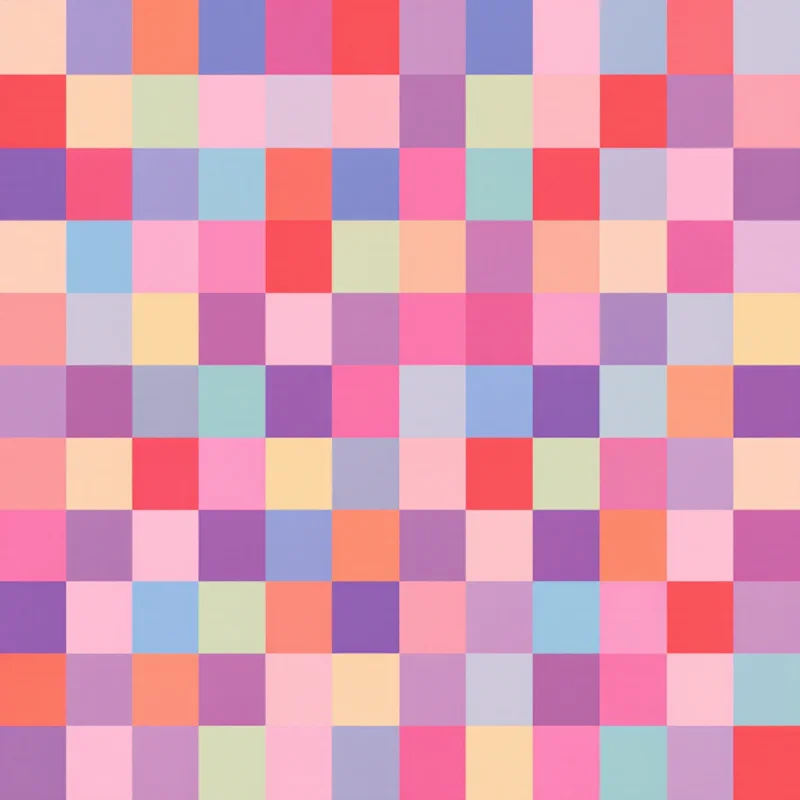
The checkerboard's resurgence is driven by its ability to feel simultaneously retro and cutting-edge. The motif carries associations with 1960s mod culture, Vans skate shoes, racing flags, and chess — all of which resonate with current fashion's appetite for nostalgic-yet-fresh graphic prints. Warped and distorted checkerboards add a psychedelic, op-art dimension that has made them a social media sensation and a best-selling print category on platforms like Depop, Etsy, and Spoonflower.
Commercial applications
In fashion, checkerboard prints are everywhere — streetwear, swimwear, accessories, nails, phone cases, sneakers, and statement pieces. The pattern crosses demographics and seasons, appealing to Gen Z trend-followers and vintage enthusiasts alike. In interiors, checkerboard floor tiles are a perennial classic, but the trend has expanded to wallpaper, bedding, cushions, and kitchen textiles. The graphic boldness of a checkerboard makes it an anchor pattern that defines the visual identity of a space.
Where to use checkerboard patterns
Pattern Weaver lets you control square size, color combinations, grid orientation, and rendering style. Create classic two-tone checks in any color pair, gradient checkerboards that shift across the tile, warped and distorted grids for op-art effects, or textured checks with a woven or painted finish. Rotate the grid 45 degrees for diamond orientation. Export at up to 8K resolution for print production or at web sizes for digital applications.